A patient once came to see me at Rivers Edge Dental in Mooresville wanting all of his worn teeth crowned in one go under sedation, and I told him no. His upper and lower front six were worn and broken, and his bite was edge to edge, which means his front teeth met tip to tip instead of the uppers resting slightly in front of the lowers. Opening that bite with crowns would have meant about 18 crowns, some back teeth included. So the plan I gave him instead was staged: get his teeth ready for orthodontics, let an orthodontist move his lower teeth into a better position, then come back for crowns on just the front six. It takes longer, but it saves a lot of healthy enamel, and that trade-off is the real heart of the front teeth crowns vs veneers question for almost everyone who asks it.
Maybe your situation is smaller than his. Maybe it’s one chipped front tooth, a dark old filling, or a tooth that’s worn shorter than its neighbors. Either way, you’re probably worried about two things at once: picking an option that may last, and not getting talked into more dentistry than you need. Both worries are fair. This guide walks through how we think about crowns, veneers, bonding, and staged care, what each one costs you in tooth structure and dollars, and what happens when you come in so we can look at your tooth together.
Does a cracked or painful front tooth really need a crown?
Sometimes, yes. A front tooth may need a crown when its structure appears compromised: it’s cracked, it hurts, or it’s holding a large filling that’s breaking down. If none of those apply, a crown may be more than the tooth needs.
The reason we’re careful comes down to one idea I repeat a lot: every time you cut a tooth, you shorten its lifespan. A crown covers the whole tooth, so the tooth has to be reduced on every side (front, back, and edges) to make room for the porcelain, and that enamel never grows back. Once a tooth has been prepped for a crown, it will likely need a crown for the rest of its life, and each replacement down the road takes a little more. So we don’t treat a crown as an upgrade. We treat it as the tool for a tooth that can’t hold itself together anymore.
Here’s what that looks like in practice. Say you have a front tooth with an old filling that covers most of the side and back of the tooth. The edges have gone dark, the filling is chipping, and the tooth feels sensitive when you bite into a sandwich. There may not be enough strong tooth left for another filling to hold, so a crown may be the appropriate answer. The same goes for a crack that runs deep into the tooth, or a front tooth that has had a root canal and lost a lot of its structure along the way.
Compare that with craze lines, those faint vertical lines you can sometimes see on front teeth when light hits them. They live in the outer enamel, they usually don’t hurt, and they’re very common. I basically just tell patients the truth about those: “I wouldn’t cut those teeth.” The same goes for a small chip on an otherwise healthy tooth. A crown would fix how it looks, but it would trade away a lot of good tooth to do it.
Can a veneer keep more of your natural tooth than a crown?
In most cases, yes. A veneer bonds only to the front surface of the tooth, so it usually needs just a thin layer of enamel removed from the front, while a crown means shaving down the entire tooth.
That difference matters more than most people realize. When a veneer is bonded to enamel, it’s attaching to the hardest, most stable layer of the tooth, and the inside of the tooth stays protected under all that natural structure. The back of the tooth, the part you bite and chew with, stays yours. How much tooth each option removes, and how each one holds up over time, is exactly the trade-off researchers keep weighing when they compare veneers and crowns for front teeth.
So who might be a good fit? A veneer may make sense when the tooth is structurally sound but the way it looks bothers you. Think of a chip that’s too big for bonding to look natural, a tooth that’s oddly shaped or shorter than the one next to it, a small gap, or deep discoloration that doesn’t respond to whitening. If staining is the main thing bugging you, we’ll often talk about teeth whitening first, because sometimes that alone gets you where you want to be without touching enamel at all.
Veneers aren’t for every mouth, though, and we’ll be straight with you about that. Because a veneer is thin and sits on the front of the tooth, a heavy grinding habit or an edge-to-edge bite can put force right on its edge, and that’s how veneers can chip or pop off. If your bite is working against you, a veneer might not be the best investment until the bite is addressed. That’s where the front teeth crowns vs veneers decision gets more interesting, and where a lot of people get pushed toward more treatment than they need.
What if your bite is the real problem, not the tooth?
Then fixing the tooth alone may not hold up, and rushing into crowns can mean cutting far more teeth than you need. Staged care, where an orthodontist moves your teeth first, can potentially protect healthy enamel and shrink the number of restorations you end up with.
Let’s walk back through that patient from the top, step by step, because it shows how the reasoning works. His front six upper and lower teeth were worn and broken, and the cause wasn’t bad luck, it was his edge-to-edge bite. When front teeth meet tip to tip, they take force they were never built for, and they grind each other down over the years. If we had simply crowned those worn teeth in his current bite, there wouldn’t have been room for the porcelain. To make room, we’d have had to open his bite, which means building up the back teeth too. That’s how you get to roughly 18 crowns, and a lot of those teeth were healthy.
He wanted it all done at once under sedation, and honestly, that’s understandable. When you’re anxious about the dentist, one big appointment and then being done sounds great. But I’m not gonna upsell anything, and putting crowns on healthy back teeth just to solve a bite problem would have been upselling, even if he asked for it. So we met the patient halfway. First, we got his teeth into a good, stable position so he could begin orthodontic treatment. Then we referred him to a trusted orthodontist, and he’s in treatment now. Once his lower teeth are moved into a better position against his upper front teeth, he’ll come back to us for crowns on just the front six.
That’s about a dozen teeth that never have to be cut. Yes, it took longer than one day in the chair, but those dozen teeth keep their natural enamel for years longer. That’s the kind of decision you only see when a dentist looks past the tooth that’s bugging you and checks how your whole bite works.
Bonding can buy you time, and sometimes it’s all you need
Not every front tooth needs porcelain at all. For small chips and minor cosmetic flaws, bonding can often address the concern with little or no enamel removed. At Rivers Edge Dental, bonding a single tooth usually runs around $300, which makes it a far lighter lift than a crown or veneer.
Bonding is tooth-colored resin that’s shaped right onto your tooth, hardened with a curing light, and polished to blend in. It’s usually done in a single visit, and in many cases there’s no drilling at all, which is a big deal if needles and drills are what make you nervous about the dentist. Because it adds material instead of taking it away, bonding doesn’t burn any bridges. If you decide on a veneer or crown later, the tooth underneath is still there to work with.
That makes bonding useful in two different ways. First, it can be a temporizing fix, meaning a good-looking, affordable patch while you plan something longer term. Maybe you’re waiting on orthodontic treatment, like the patient above, and it makes no sense to put a permanent restoration on a tooth that’s about to move. Or maybe you want to phase your care across two benefit years so the cost is easier to manage. Bonding fills that gap so you don’t have to walk around with a chipped smile.
It can also be the final answer. If you chipped a corner off a healthy front tooth, bonding may be all that tooth needs. The honest trade-offs are that resin can pick up stains over time, especially if you drink a lot of coffee or tea, and it can chip if you bite into hard things with that tooth. Touch-ups are usually quick and simple, though, and for a lot of people that’s a better deal than giving up enamel for porcelain they didn’t need yet.
Front teeth crowns vs veneers: what will you actually pay, and how long will it last?
A crown on a damaged front tooth is often partly covered by dental insurance because it may be needed to preserve the tooth, while veneers are usually considered cosmetic and paid out-of-pocket. How long either one lasts depends mostly on your bite, any grinding habit, and how much natural tooth is left underneath.
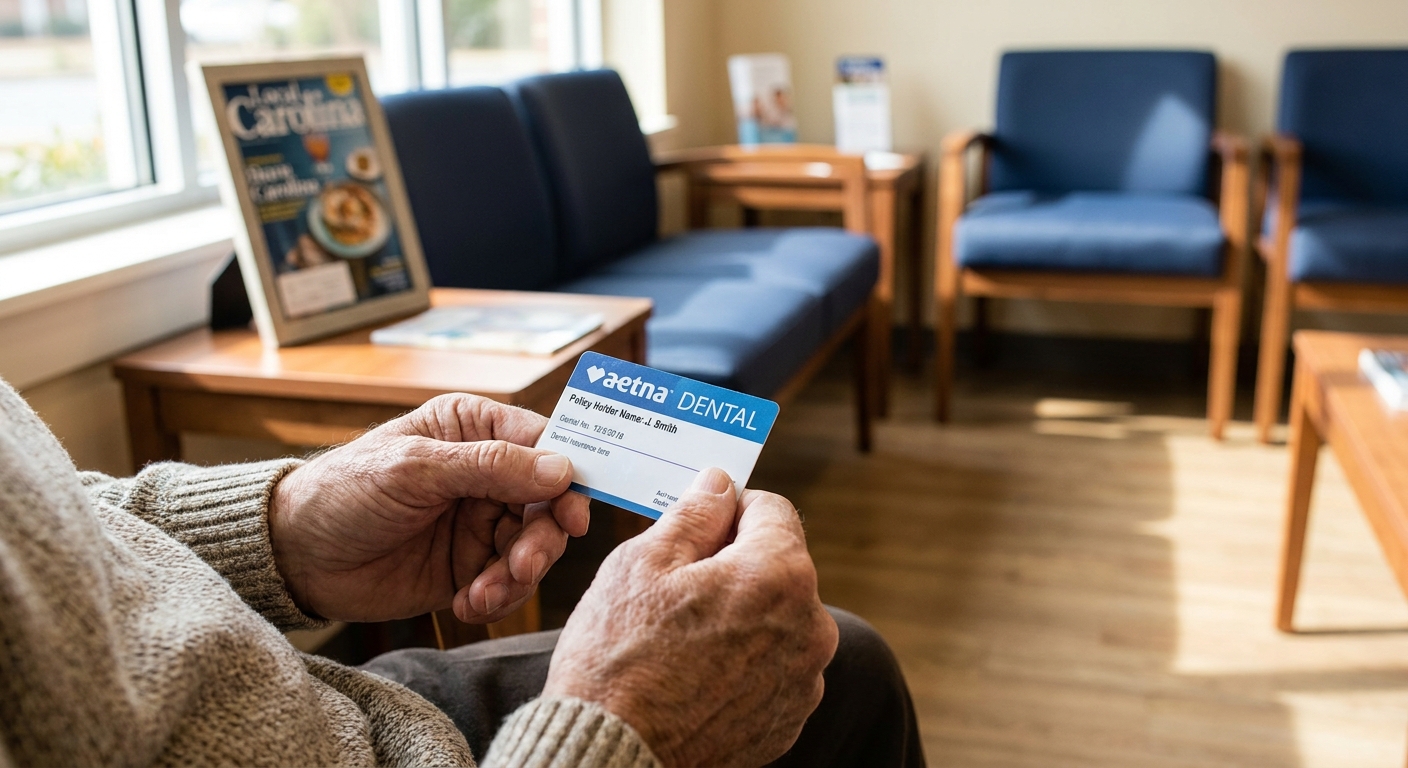
Before insurance, the fee for a crown and the fee for a porcelain veneer can land in a similar range, since both involve lab work and careful preparation. What you actually pay can look very different, though. Most dental plans group crowns with major restorative work and help pay for them when the tooth is cracked, decayed, or failing, while veneers placed to improve appearance are commonly excluded. Rivers Edge Dental accepts Delta Dental, Aetna, Principal, and BlueCross BlueShield of North Carolina, and we’ll check your specific benefits before you agree to anything, so you see your real out-of-pocket number up front instead of guessing.
If you need more than one tooth done, timing can save you real money. Most plans have an annual maximum, so we can phase a comprehensive treatment plan to maximize both years of benefits, doing part of the work before your plan resets and the rest after. Bonding often fits nicely in that gap.
Here’s a simple side-by-side to help you compare:
| Crown | Veneer | Bonding | |
|---|---|---|---|
| Tooth removed | Reduced on every side | Thin layer from the front | Little to none |
| May work for | Cracked, painful, or heavily filled teeth | Sound teeth with cosmetic concerns | Small chips, minor shape or color issues |
| Typical insurance treatment | Often partly covered when necessary | Usually cosmetic, out-of-pocket | Varies by reason and plan |
| Typical visits | Usually two | Usually two | Usually one |
| Cost at Rivers Edge | Quoted after exam | Quoted after exam | Around $300 per tooth |
As for how long it lasts, no honest dentist can promise you a number of years. A crown on a tooth with healthy gums and clean margins in a balanced bite tends to hold up well. That same crown in a mouth that grinds every night, or in a bite that slams the front teeth together, faces a tougher road. Veneers are even more sensitive to bite forces, which is why we weigh your habits as heavily as the tooth itself.
What happens when you sit down with us for a front-tooth consult?
You’ll get a careful look at the tooth, your bite, and your X-rays, a plain conversation about grinding and habits, and an honest recommendation, even when that recommendation is “wait” or “bond it for now.” Nobody rushes you into treatment, and nobody judges you for how long it’s been.
We start by talking, not drilling. A lot of people who come in with a broken front tooth have been putting it off because of a bad experience somewhere else, and I basically get to know their dental trauma before we do anything clinical. If that’s you, you are not alone with this fear, it’s super common. Tell us what happened before, what you hate most about the dentist, and what would make today easier, and we’ll build the visit around that.
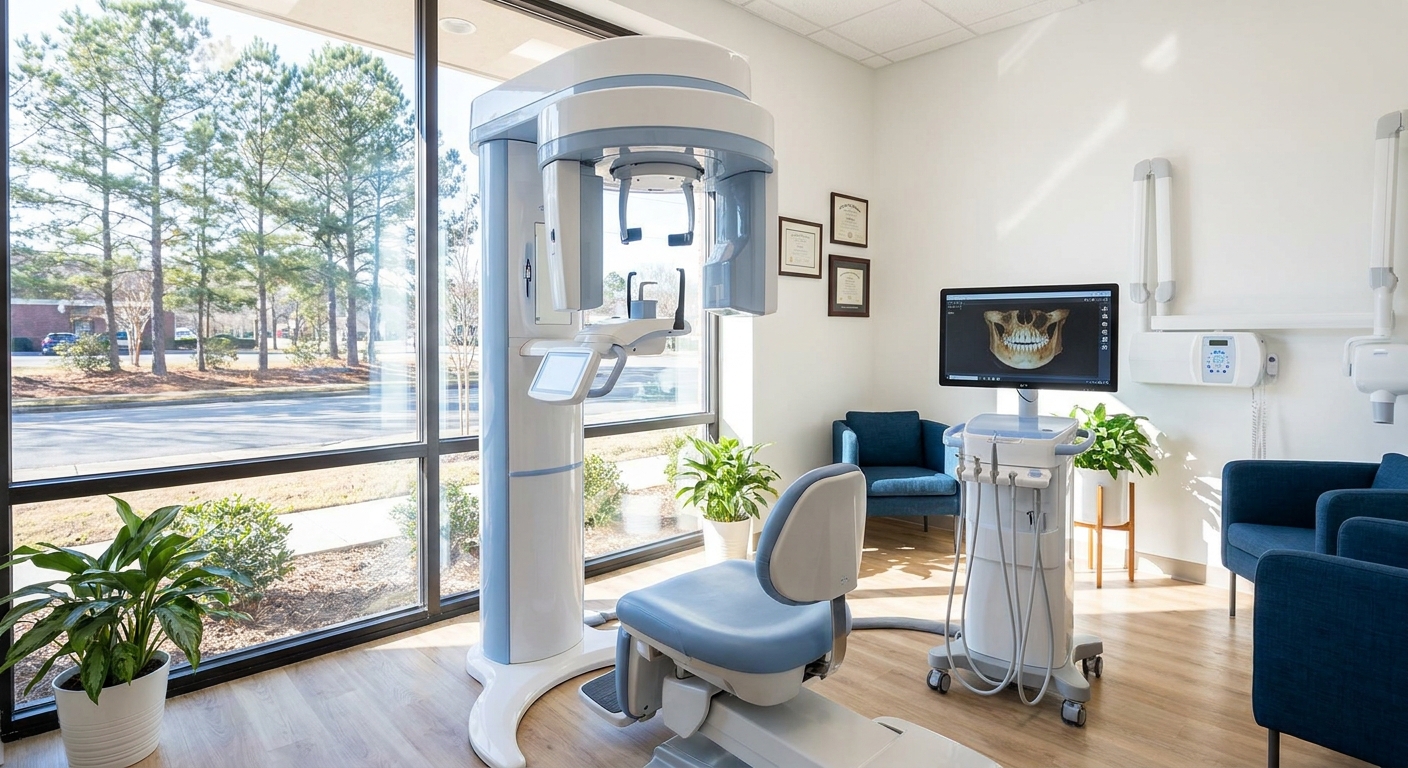
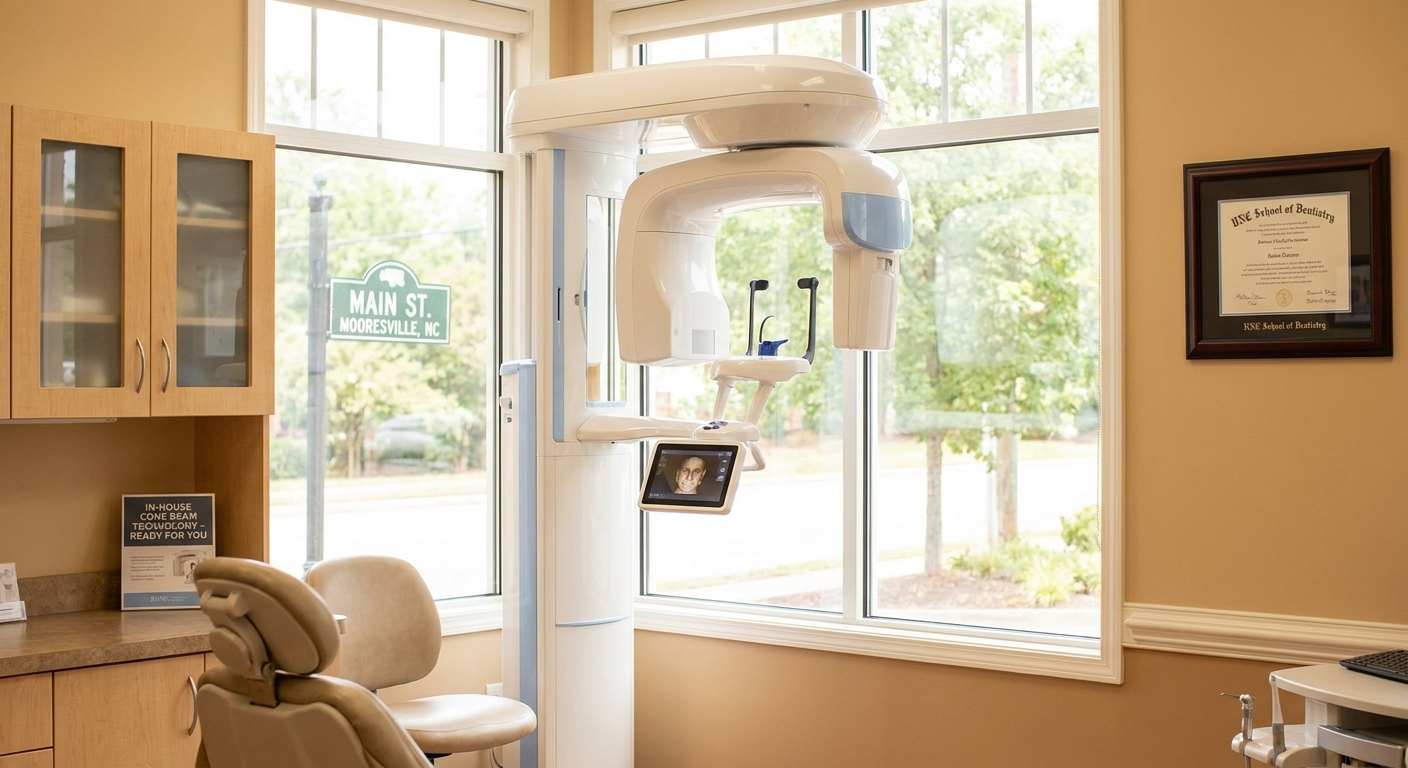
Then we look. We check the tooth for cracks, wear, and old fillings, and we watch how your upper and lower teeth meet when you bite and slide your jaw side to side. That bite check is the step a lot of quick consults skip, and it’s the one that kept our edge-to-edge patient from ending up with 18 crowns. X-rays show us what we can’t see from the outside: decay under an old filling, how close a crack runs to the nerve, and the health of the bone around the tooth. We’ll also ask whether you clench or grind, because that changes which option may make sense.
After that, I’m just gonna tell you how it is. You’ll hear what we’d do if it were our own tooth, what each option costs, and what can wait. If staged care may make the most sense, we lay out the phases so you know what’s coming. And as an independent, non-DSO practice, we don’t have a corporate quota telling us to sell crowns.
If any of this sounds overwhelming, our anxiety-free dentistry options can help. Nitrous takes the edge off and wears off quickly. Oral sedation with a medication like triazolam (Halcion) may help more anxious patients relax through longer visits. For highly anxious patients, IV sedation lets us titrate your level of relaxation as we go. Helping nervous patients work through a staged plan, one visit at a time, is meaningful work for our comfort-focused team, though every patient’s experience is different.
The questions you’re probably already asking
How do I know if my front tooth needs a crown or just a veneer?
If the tooth is cracked, painful, or holding a large filling that’s breaking down, a crown may be the right call. If it’s structurally sound but chipped, oddly shaped, or discolored, a veneer (or sometimes simple bonding) keeps more of your natural tooth. An exam with X-rays and a bite check tells us which one may fit.
Will insurance cover my front tooth crown or veneer?
Many plans help pay for a crown when it’s needed to preserve a damaged tooth, while veneers are usually treated as cosmetic. Rivers Edge Dental accepts Delta Dental, Aetna, Principal, and BlueCross BlueShield of North Carolina, and we verify your benefits at your consultation so you know your share before you decide.
Can I get a temporary fix while I decide on a crown or veneer?
Yes. Bonding can repair small chips and cosmetic flaws, usually around $300 per tooth at our office, with little or no enamel removed. It gives you a natural-looking tooth while you plan, budget, or finish orthodontic treatment.
How long will a front tooth crown or veneer last?
It depends on your bite, whether you grind, and how much natural tooth remains underneath. We look at all three during your exam and give you an honest picture of what to expect, without promising a specific number of years.
What if my bite makes it hard to restore just one front tooth?
We may recommend staged care: getting your teeth ready, then working with a trusted orthodontist to reposition them before final restorations. That approach can potentially reduce the number of crowns you need and keep healthy teeth uncut.
Does Rivers Edge Dental offer sedation if I’m nervous about front tooth work?
Yes. We offer nitrous, oral sedation, and IV sedation, so you can get through one visit or a multi-step plan without dread.
Your next step is one conversation, not a commitment
Schedule a front-tooth consultation at Rivers Edge Dental in Mooresville, NC to find out whether a crown, a veneer, bonding, or a staged plan may work for your tooth and fits your budget. You’ll leave knowing what your tooth may need, what can wait, and what you’d pay.
One thing to do before you call: stand in front of a mirror, bite down gently, and look at where your top and bottom front teeth meet. If they touch tip to tip, or the edges look flat and worn compared to the rest of the tooth, mention that when you book. That one detail can change the entire plan, and it may save you from cutting teeth that don’t need it.
Ready to Restore Your Smile?
If you’re weighing the benefits of crowns versus veneers for your front teeth, the team at Rivers Edge Dental can help you make the right choice. During a consultation, we’ll assess your tooth structure, discuss your goals, and explain which restoration will give you the lasting, natural-looking results you deserve. Reach out today and take the first step toward the confident smile you’ve been wanting.
Individual results vary, and every treatment plan depends on your own exam.