The dentist sits facing you, makes eye contact, and asks about the exact moment in a past visit that made dental appointments feel unbearable. Then she really listens, because at Rivers Edge Dental in Mooresville, that conversation happens before any tool touches your mouth. That is where low stress dental care starts here. It isn’t a perk you earn after you prove you can sit still in the chair, it’s the very first thing that happens on your first visit.
Maybe you’ve cancelled a cleaning twice this year. Maybe your chest tightens the second you smell that dental office smell, or someone told you to “just relax” while they already had the drill in hand. Maybe you’re the one who keeps the whole family’s appointments on the calendar, and your own keeps sliding to next month. None of that makes you a bad patient. You are not alone with this fear, it’s super common, and nobody at Rivers Edge Dental is going to judge you for how long it’s been.
This article walks through what actually happens at a comfort-focused visit: the conversation, the room, what the dentist does if you get overwhelmed halfway through, how sedation is chosen, and what it costs. That way you know exactly what you’re walking into before you ever pick up the phone.
What Makes Low Stress Dental Care Actually Low Stress?
Low stress dental care is not a warm blanket and a TV on the wall. It is a dentist who takes the time to learn what scares you, then changes how the visit goes because of it. The extras help, but the listening is what makes them work.
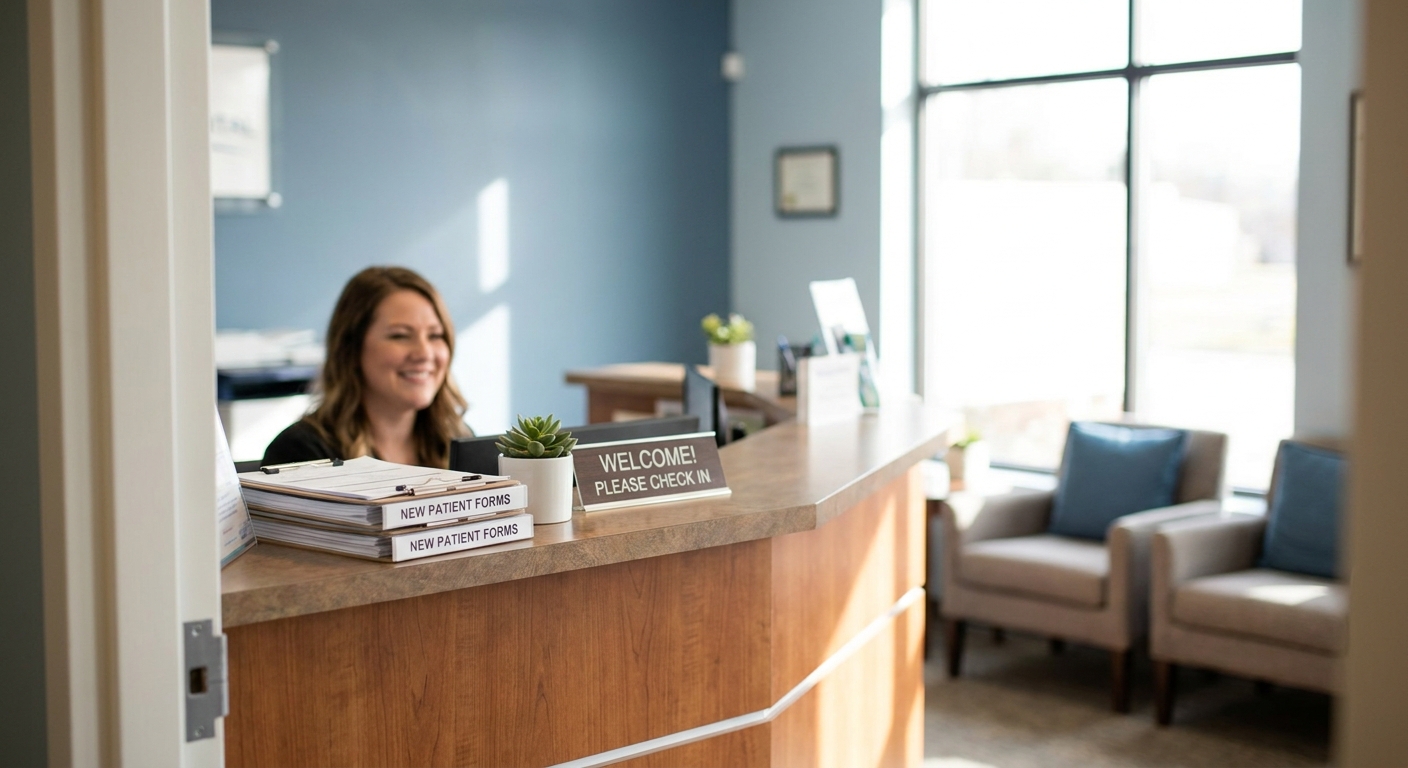
At Rivers Edge Dental, the visit starts at the front desk with a smile and a glass of water. An assistant gives you a quick tour so the room isn’t a mystery when you sit down. Then the dentist sits across from you, face to face, and basically gets to know your dental trauma. She asks about the specific moment that made you anxious at a dentist. That might be a shot that didn’t numb all the way, a provider who kept going when you raised your hand, or a comment that made you feel ashamed of your teeth. She listens the way a good counselor would, and if you need a second to get the words out, you get it.
That conversation can run 30 to 45 minutes. Most offices can’t give that kind of time, and that’s exactly why it matters. General reassurance like “this won’t hurt” doesn’t help much when your fear comes from something real that happened to you. Specific knowledge does. If the dentist knows your worst memory is numbing that wore off mid-filling, she can check your numbness more often and tell you before each step. If your worst memory is a dentist who ignored you, the two of you can agree on exactly how you’ll tell her to stop.
This isn’t just a nice idea. The dentist has seen it work with people who thought they couldn’t sit in a dental chair again. When you name the exact fear out loud and someone takes it seriously, that fear often gets smaller. A lot of anxious patients have never had a provider ask the right questions, so they’ve never had a chance to build a plan around the real problem. At Rivers Edge Dental, that communication isn’t a form on a clipboard. It’s a real sit-down built on genuine connection before anything clinical begins.
Why Doesn’t the Room Look Like Every Other Dental Office?
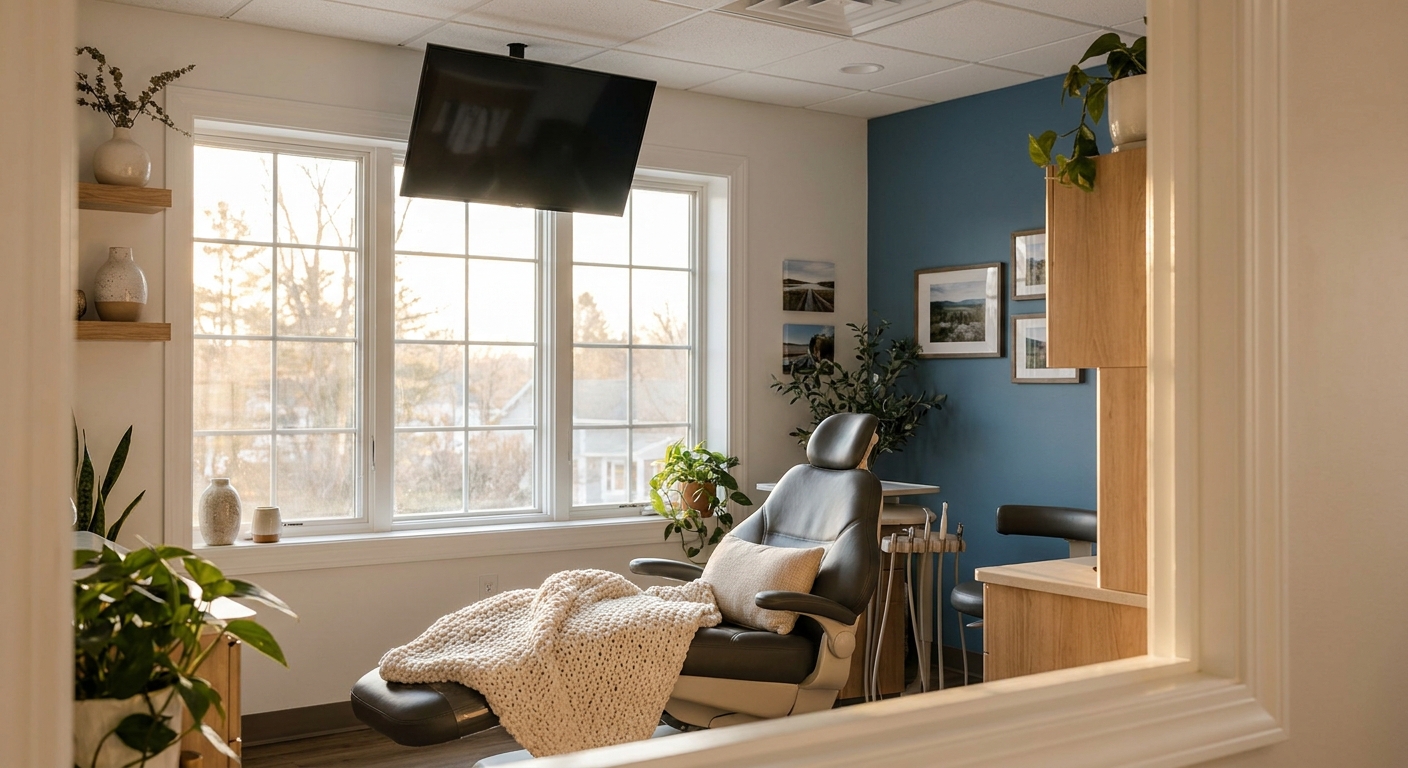
Once you’ve talked, the next thing you’ll notice is the room itself. The operatories at Rivers Edge Dental are set up so nothing you see makes you more nervous. Tools stay behind you and out of sight, there are no side counters cluttered with instruments, every operatory has windows, and there are TVs on the ceiling that you control.
For a lot of anxious patients, the worst part isn’t the work itself, it’s the waiting. You sit down, lean back, and stare at a tray of picks and mirrors while your mind fills in the rest. By the time the dentist walks in, your heart is racing and your hands are gripping the armrests, and you’re already worn out before anything has even started.
So the room is built to cut that off early. With no side counters, there’s no row of instruments lined up at eye level. Tools are kept behind you, so you aren’t watching them get picked up and set down. When you lean back, you see a TV on the ceiling instead of a bright light and a stranger’s hands. When you look to the side, you see a window and some daylight, not a wall of cabinets.
Here’s what that looks like in practice. Say you come in for a filling you’ve been putting off for a year. Instead of sitting in front of a tray, you’re watching a show you picked while the assistant gets ready behind you. The dentist tells you what’s next before she does it, so nothing catches you off guard. You still know exactly what’s going on, because nobody is hiding the treatment from you. You just aren’t being shown a bunch of things that feed the fear. That’s comfort-focused design: small choices that add up to a visit you may be able to get through more comfortably.
What Happens If You Panic Halfway Through a Procedure?
Even with the right room and a good conversation, fear can still show up mid-visit, and that’s okay. The dentist stops. She slows down, talks you through each step, and waits as long as you need before she continues. Sometimes that pause lasts 30 to 45 minutes.
If you’ve ever been rushed through a procedure while your body was screaming at you to get out of the chair, you know why this matters. Pushing through someone’s panic might finish the filling faster, but it teaches them that their “stop” doesn’t count in the dental chair. That’s how one bad visit turns into five years of avoiding the dentist. The approach at Rivers Edge Dental is to meet the patient halfway. You say you need a minute, you get the minute, and the dentist explains what she was doing and what’s coming next so you can decide when you’re ready.
This happens with kids a lot, so if you’re a parent bringing in a nervous child, it’s worth knowing ahead of time. Children sometimes need 30 to 45 minutes before they’re ready for the dentist to keep going. Nobody hurries them, and nobody makes them feel like they did something wrong. The same patience goes for adults, especially people who have been rushed or brushed off somewhere else.
If you’re an adult and still can’t get past the hurdle after talking it through, the dentist may offer nitrous oxide to help. It’s offered as an option, never as a way to rush you. Settle on a clear stop signal with the dentist before you start, like raising your hand, so you know it will be honored and you have a clear way to ask for a break.
Sedation Starts Gentle and Only Goes Up If You Need It
If talking and pausing aren’t quite enough, sedation is there, but Rivers Edge Dental always starts with the lightest option that may work for you. That usually means nitrous oxide first, then oral sedation if you need more, and steering away from IV sedation unless it’s truly necessary. The long-term goal is for you to need less sedation over time, not more.
“I’m just gonna tell you how it is,” the dentist says about sedation: more isn’t better. Every step up adds cost and adds risk. So the decision gets made the way you’d want a careful friend to make it, starting with the simplest option and only going further if the simple one isn’t enough. Whatever level you end up with, you’re on monitors the whole time.
Nitrous Oxide: Drive Yourself Home
Nitrous oxide is the first option the dentist offers because it’s the easiest. It costs roughly $100. You breathe it through a small mask, and the dentist titrates it, which means she adjusts the level a little at a time until you tell her you feel comfortable. You’re the one who says when it’s enough.
The big plus is that nitrous wears off quickly, so you can usually drive yourself to and from your appointment. You don’t have to ask a spouse to leave work or line up a sitter for the kids. For many highly anxious patients, that’s the difference between booking the visit and putting it off again.
Oral Sedation: Valium or Triazolam for Deeper Calm
If nitrous isn’t enough, the next step is a pill. The dentist may prescribe Valium 10 mg, taken about an hour before your procedure. Some people on Valium still remember the visit, but with less worry. If remembering the appointment is a big part of your fear, she may use triazolam (Halcion) 0.25 mg instead, which may leave some people with little memory of the visit, though responses vary. With either pill, plan on having someone drive you there and back. Ask about the cost when you call, since it’s separate from the nitrous fee.
Some patients who get through their first visit comfortably with a pill have been able to step down to nitrous the next time, and a few have eventually needed nothing at all, though every patient’s path is personal. Building trust makes the fear smaller. “I’m not gonna upsell anything,” she says. If nitrous gets you through a cleaning, that’s what you get. Over time, as you build trust, some people need less help. Going from a pill to nitrous, or from nitrous to nothing at all, is what the team calls “our true wins.”
The Same Careful Thinking Applies to Your Treatment
That cautious, no-upsell approach doesn’t stop at sedation. It carries into what the dentist recommends for your teeth. If you’ve ever left an office with a treatment plan that felt way bigger than the problem you came in with, you’ll notice the difference here.
Take a common example. Some people have craze lines, which are tiny surface cracks in the enamel that show up with age and normal chewing. They can look alarming up close, but they usually don’t need treatment. “I basically just tell them, if it’s just craze lines and nothing’s bothering you, I wouldn’t cut those teeth,” the dentist explains. A crown is the right call when a tooth is actually cracked through, breaking down, or hurting, not just because something showed up on a photo.
When you do need work done, she’ll walk you through why, step by step, and show you what she’s seeing so you can decide together. If there’s more than one thing to fix, she can put together a comprehensive treatment plan and phase it, starting with what matters most. That keeps each visit shorter and may be more manageable for an anxious patient, and it helps your budget too, which brings us to cost.
Why Do Anxious Patients in Mooresville Choose Rivers Edge Dental?
Rivers Edge Dental is independently owned, not part of a corporate dental group. That means the dentist can spend 30 to 45 minutes earning your trust instead of keeping up with someone else’s visit quotas.
That independence shows up in everything above. A long first conversation, a half-hour pause in the middle of a procedure, and a sedation plan that starts with the lightest option all take time. A schedule built around volume can’t easily make room for that. At Rivers Edge Dental, the schedule can bend around your fear, because the people making the decisions are the ones in the room with you.
It’s also the whole family dentist. The same approach that works for an adult who has avoided care for years also works for a child at their first real cleaning, and for a parent who just wants everyone seen without a fight. You can bring the whole family to one office, at 604 River Highway in Mooresville, and know everyone will be treated with the same patience.
What You’ll Actually Pay
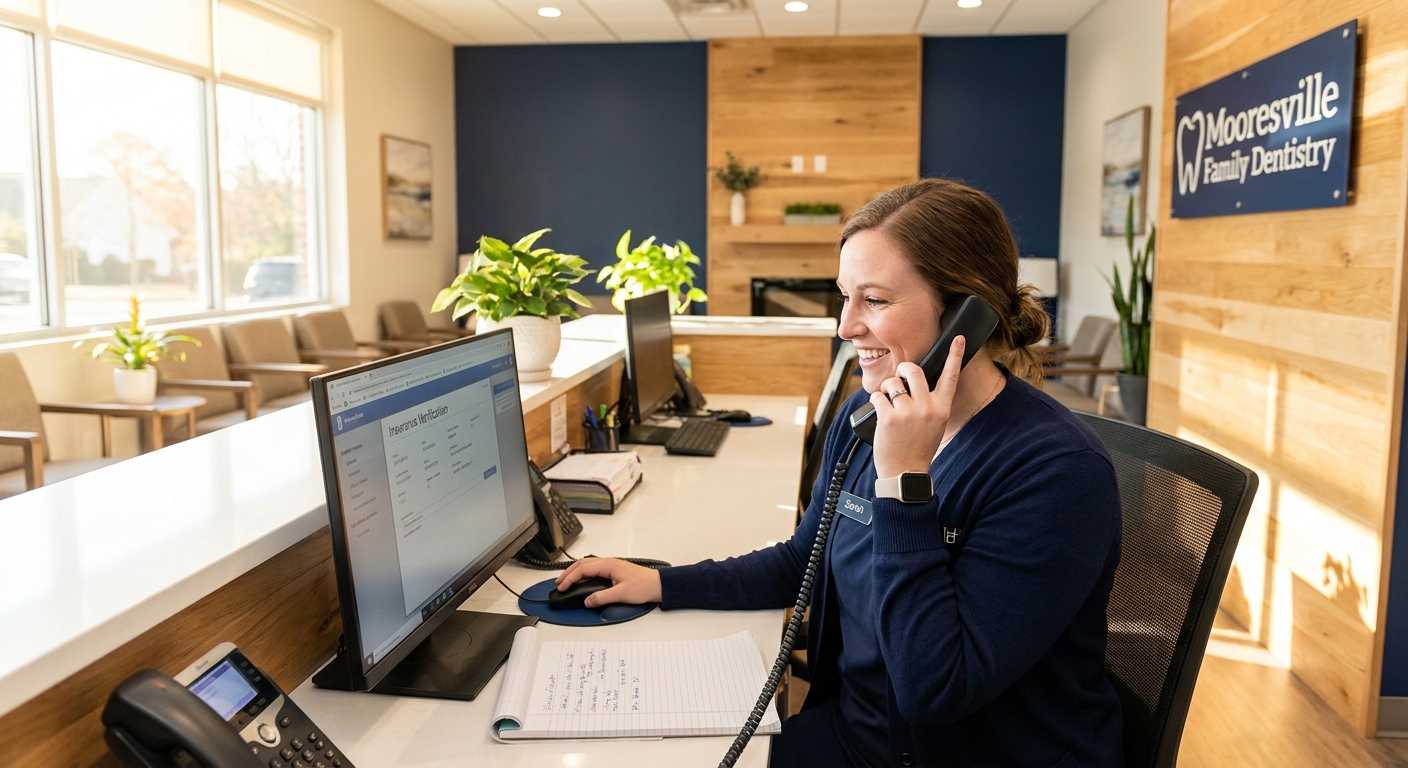
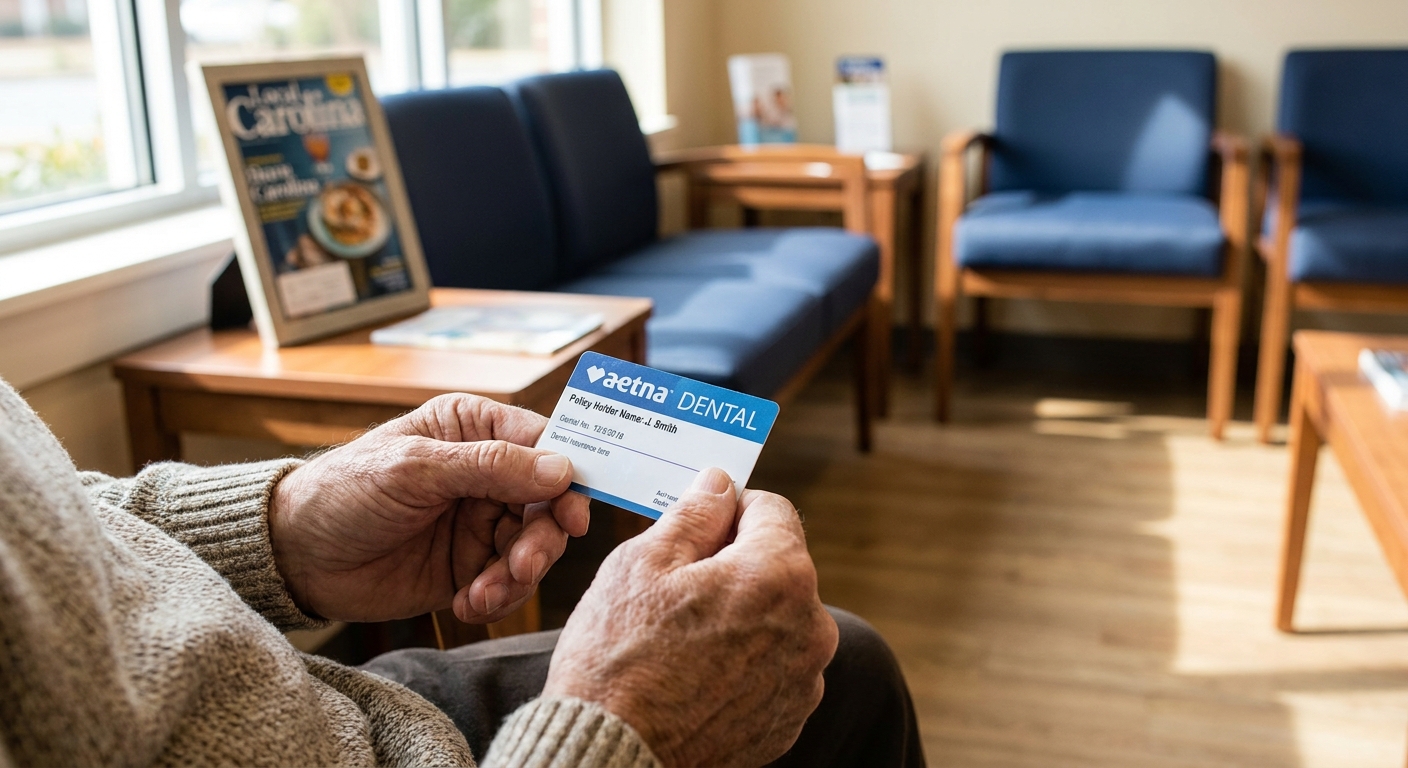
Cost and insurance are often a big part of the worry, so here’s the plain version. Rivers Edge Dental accepts UnitedHealthcare, Delta Dental, Aetna, Principal, and BlueCross BlueShield of North Carolina. Benefits for sedation and treatment vary from plan to plan, so call with your member ID and the team can help you check your specific plan before you commit to anything.
You’ll hear the numbers up front, including roughly $100 for nitrous, so nothing surprises you at checkout. If you need several things done, the team can often time the work so you maximize both years of benefits, doing part of it before your plan resets and the rest after, which can lower your out-of-pocket cost. And if it’s been years since your last visit, you won’t get a lecture. You’ll get a plan.
Questions You Might Have Before You Call
What sedation options are available for anxious patients at Rivers Edge Dental?
Rivers Edge Dental starts with nitrous oxide, which costs roughly $100 and usually lets you drive yourself home. If you need more, the dentist may prescribe Valium 10 mg or triazolam 0.25 mg, and you’ll need a driver. With personalized care and a genuine connection, some patients may feel ready to try a lighter option like nitrous at a later visit, but there’s no typical path, and your comfort-focused plan is reviewed with you before every appointment. You’re monitored throughout, and the goal is for you to need less sedation over time, though every patient’s experience differs.
How long does the dentist spend talking to anxious patients before starting treatment?
Sometimes 30 to 45 minutes. Before any dental work, the dentist sits face to face with you and asks about your past dental trauma and what scares you most. She takes her time, without a timer running, so the visit can be shaped around your actual fears.
Will the dentist stop mid-procedure if I become overwhelmed?
Yes. The dentist will pause for as long as you need, sometimes half an hour or more, and talk you through each step before continuing. If you’re an adult and still can’t get past the moment, she may offer nitrous oxide to help. Agree on a stop signal with her before you begin.
What makes Rivers Edge Dental different from other gentle dentists in Mooresville?
Rivers Edge Dental is independently owned, so the dentist isn’t working against corporate visit quotas. That allows time for a long first conversation, pauses whenever you need them, a sedation plan that starts with the lightest option, and conservative treatment recommendations. Tools stay out of sight, and every operatory has windows and ceiling TVs.
Does Rivers Edge Dental accept my insurance?
Rivers Edge Dental accepts UnitedHealthcare, Delta Dental, Aetna, Principal, and BlueCross BlueShield of North Carolina. Benefits vary by plan, especially for sedation, so call the office with your member ID to check your coverage and your likely out-of-pocket cost before treatment.
Can my kids be seen at the same office?
Yes. Rivers Edge Dental is a whole family dentist, and the same patience applies to children. Nervous kids get time to warm up, can pick their own show or blanket, and are never rushed or made to feel they did something wrong.
Where is Rivers Edge Dental located in Mooresville?
Rivers Edge Dental is at 604 River Highway in Mooresville, NC 28117, and serves anxious patients and families throughout Mooresville, NC.
Your First Step Is a Conversation, Not a Procedure
Call Rivers Edge Dental in Mooresville to schedule a consultation where the dentist will listen to your specific dental fears before any treatment begins, or start at riversedge-dental.com. Before you dial, do one thing: think of the single moment from a past dental visit that still makes your stomach drop, and tell the front desk about it when you call. That one detail lets the dentist start your low stress dental care right where your fear lives, instead of finding it halfway through the appointment.
Ready to Experience Dentistry Without the Worry?
If dental anxiety has kept you from getting the care you deserve, you’re not alone,and there’s a gentler way forward. Rivers Edge Dental in Mooresville creates a calm, understanding environment where your comfort comes first at every appointment. You don’t have to choose between your peace of mind and your oral health.