Understanding an opioid addiction medication program
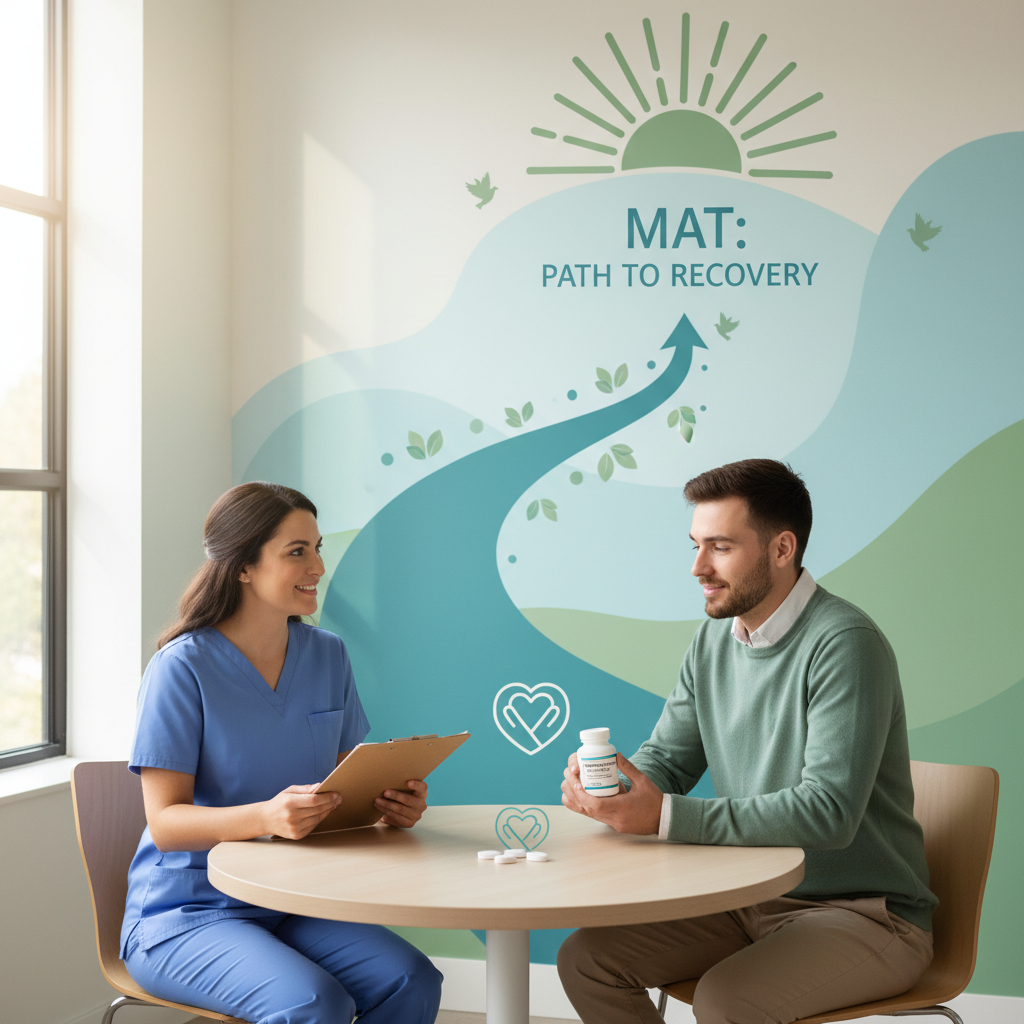
If you live with opioid dependence, an opioid addiction medication program can give you a safer, more stable path to recovery. In this type of program, you receive FDA approved medications, regular medical monitoring, and counseling in an outpatient setting so you can keep working, caring for family, and managing daily responsibilities while you heal.
Medication assisted treatment, often called MAT or Medication for Opioid Use Disorder (MOUD), combines prescription medications with behavioral therapies to treat opioid addiction effectively [1]. These programs do not replace one addiction with another. Instead, they stabilize brain chemistry, reduce withdrawal and cravings, and help you focus on rebuilding your life.
When you join an opioid addiction medication program, you are not expected to do recovery alone or “tough it out.” You work with a team that understands opioid use disorder as a chronic, treatable medical condition, and your care is tailored to your health, goals, and circumstances.
How MAT supports your recovery
A structured medication assisted treatment program supports you on multiple levels at the same time. The goal is not just to stop use, but to restore your well being and function in daily life.
Reducing withdrawal and cravings
Early recovery often feels overwhelming because of withdrawal and powerful cravings. Medications such as methadone, buprenorphine, and naltrexone are specifically designed to target these symptoms.
- Methadone is a long acting full opioid agonist that activates opioid receptors more slowly and for a longer time than opioids like heroin. It reduces withdrawal and cravings while creating less intense euphoria [2].
- Buprenorphine is a partial agonist. It activates the same receptors but to a limited degree and also blocks other opioids from attaching. This combination helps prevent withdrawal, reduce cravings, and protect you from relapse if you use [2].
- Naltrexone is an opioid antagonist. It blocks opioid receptors entirely and reduces cravings. Extended release naltrexone is available as a once monthly injection (Vivitrol) and is not addictive. You must be opioid free for 7 to 10 days before starting it [2].
By keeping withdrawal and cravings under control, your opioid addiction medication program gives you the mental space to engage in therapy, repair relationships, and meet your responsibilities without constantly fighting urges to use.
Supporting long term brain and body healing
Opioid use disorder affects brain circuits involved in reward, stress, and self control. According to the National Institute on Drug Abuse, medications for opioid use disorder interact with the same receptors as prescription opioids but, when taken as prescribed, do not produce the same highs and are safe, effective, and life saving [3].
In an evidence based mat treatment program, medications help:
- Normalize brain chemistry
- Stabilize mood and sleep
- Lower risk of overdose and other medical complications
- Improve your ability to participate in counseling and daily life
This medical stabilization is especially important if you have chronic pain, mental health conditions, or pregnancy related concerns. For pregnant women, methadone and buprenorphine are standard of care medications. When paired with prenatal care and comprehensive addiction treatment, they improve outcomes and support healthier babies at birth [3].
Making recovery compatible with your life
Many people delay treatment because they worry about losing their job, missing class, or not being there for their children. An opioid MAT program outpatient is designed with those realities in mind.
Because services are delivered on an outpatient basis, you typically:
- Attend scheduled medical and counseling visits
- Take medication on site or at home depending on your prescription and phase of care
- Continue working, studying, and caring for family
- Gradually step down the intensity of visits as you stabilize
Since 2020, many individuals in methadone treatment have been allowed to receive up to 28 take home doses. Research supported by NIDA has shown that this flexibility improves retention in care and outcomes [2]. Telehealth has also expanded access to MAT and increased patient satisfaction, especially for follow up and counseling visits [2].
Key components of an outpatient MAT program
Although every medically supervised MAT program is unique, most outpatient programs share several core elements. Together, these create a comprehensive support system around you.
Physician led medical care
In a physician led mat treatment model, you work with clinicians who are trained in addiction medicine and familiar with opioids, withdrawal, and co occurring disorders. Your first appointments usually include:
- A full medical and psychiatric assessment
- Substance use history and current pattern of use
- Medication review and lab work if needed
- Safety screening for overdose risk and other medical issues
Based on this information, your team recommends a specific mat treatment for opioid dependence, such as buprenorphine, methadone, or naltrexone [1]. You discuss benefits and potential side effects together so you can make an informed decision.
In an ongoing medication assisted recovery program, you attend regular check ins where your provider:
- Monitors symptoms, cravings, and side effects
- Adjusts dosages safely when needed
- Screens for co occurring conditions like depression or anxiety
- Reviews urine drug tests if they are part of the program
- Answers questions about duration of treatment and tapering
This medical oversight is one of the reasons MAT is considered a safe, long term solution for opioid use disorder.
Medication options and how they are used
Your specific medication plan is tailored to your health status, opioid of choice, and treatment goals. In an outpatient medication assisted treatment setting, your provider may recommend:
- Buprenorphine based medications, for example sublingual tablets or films, extended release formulations, or implants. Buprenorphine was the first medication for opioid use disorder that could be prescribed in physician offices, which significantly expanded access to care in the United States [4].
- Methadone, typically dispensed daily or in scheduled take home doses through an opioid treatment program. It is a long acting full opioid agonist and Schedule II medication, used within a closely monitored treatment framework to reduce withdrawal and cravings [4].
- Extended release naltrexone, given as a monthly injection after you complete detox and are opioid free for 7 to 10 days [2].
Your program may also work with overdose reversal medications such as naloxone or nalmefene. Naloxone, available as injectable or nasal sprays like NARCAN and KLOXXADO, rapidly reverses opioid overdose and is recognized as an essential medication by the World Health Organization [5].
Counseling and behavioral therapies
Medication is only one pillar of an effective opioid addiction medication program. To build lasting change, you also participate in a MAT program with counseling that may include:
- Individual therapy focused on coping skills, relapse prevention, and trauma
- Group therapy that offers peer support and accountability
- Family or couples sessions to improve communication and rebuild trust
- Skills based groups that address triggers, stress, and emotional regulation
Evidence based therapies such as cognitive behavioral therapy and multidimensional family therapy help you modify drug use behaviors, manage cravings, and improve overall functioning in daily life [3].
When medication and therapy are planned together, you take part in an integrated MAT and therapy program that treats you as a whole person rather than focusing on symptoms in isolation.
Flexible structure for different stages of recovery
Your needs on day one are not the same as your needs in year two. A well designed outpatient MAT addiction treatment program adjusts as you progress. Early on, visits may be frequent while medications are stabilized, and counseling is more intensive. As your condition improves, appointments often become less frequent while support remains available when you need it.
If you are a parent, student, or professional, a MAT program for working adults can coordinate appointment times around job demands and family responsibilities. For many people, this flexibility is what makes long term engagement possible.
Who an opioid addiction medication program is for
You might be a good candidate for MAT if you use prescription pain medications, heroin, or synthetic opioids and have difficulty cutting down or stopping on your own. A MAT treatment for opioid dependence is designed for people with a range of experiences, including:
- Long term use of prescription opioids
- Repeated relapses after short term detox
- Use of illicit opioids, including heroin or fentanyl
- Co occurring mental health conditions such as depression or anxiety
- Responsibilities that make residential care difficult or impossible
Many programs, such as Addiction Treatment Services in Wichita, Kansas, work with adults 18 and older who experience substantial mental, emotional, behavioral, or physical harm related to substance use [6]. To access that program, for example, you would complete an intake packet and provide proof of income and Kansas residency at their Wichita office, which operates with extended weekday hours [6].
If you are involved with the justice system, programs may offer criminal justice referred treatment. Others include specialized services for gambling or additional behavioral concerns [6].
Addressing common concerns and myths
Misunderstandings about MAT keep many people from getting help. Less than 20 percent of individuals with opioid use disorder receive FDA approved medications like methadone, buprenorphine, or naltrexone, in part because of stigma and barriers to access [2].
“Am I trading one addiction for another?”
This is one of the most frequent questions about an opioid addiction medication program. The answer is no. Addiction involves compulsive use despite harm, loss of control, and use that interferes with life responsibilities.
In MAT, you:
- Take medication in a prescribed dose
- Use it under medical supervision
- Maintain or improve work, school, and relationship functioning
- Avoid the highs and crashes associated with uncontrolled opioid use
Medications stabilize brain chemistry rather than creating ongoing chaos. They are tools that support recovery, not new sources of addiction.
“How long will I need medication?”
Duration is highly individual. In a long term MAT treatment program, medications can be used safely for months, years, or even a lifetime, depending on your risk of relapse and your preferences [4]. There is no one “right” amount of time.
You and your provider revisit this question regularly. If you both decide to taper, it is done gradually and with close monitoring so you stay as safe and stable as possible. Many people choose to remain on MAT because it continues to protect their recovery and quality of life.
“Is MAT safe?”
When you participate in a medically supervised MAT program, medications are carefully managed. The program follows federal and state guidelines that govern how methadone, buprenorphine, and naltrexone are prescribed, dispensed, and monitored [4].
To further protect your safety, your team may:
- Check for drug interactions with other prescriptions
- Coordinate with your primary care or mental health providers
- Monitor vital signs and lab tests if needed
- Provide overdose education and naloxone for emergency use
You are also taught how to use overdose reversal medications like naloxone, which block opioid receptors and rapidly reverse overdose effects [7].
“What about withdrawal from MAT medications?”
Stopping or rapidly tapering any opioid can lead to withdrawal. In a structured medication assisted treatment for relapse prevention program, your care team builds a taper plan only if and when it is clinically appropriate and only at a pace your body can handle.
To ease withdrawal, your provider may use:
- Gradual dose reductions
- Non opioid medications, such as lofexidine, which is FDA approved to reduce opioid withdrawal symptoms [3]
- Supportive therapies to manage sleep, mood, and anxiety
- Close follow up visits to quickly respond if symptoms worsen
You always have a voice in these decisions, and the primary focus remains on safety and relapse prevention.
A strong opioid addiction medication program does not rush you off medication. Instead, it helps you find the level of support that keeps you safe, stable, and able to build a life you value.
Low barrier, patient centered models of care
Access to treatment is a major concern if you live in a rural area, have limited transportation, or face stigma. That is why low barrier models of care are increasingly recommended for opioid addiction medication programs.
Low barrier approaches focus on:
- Minimizing unnecessary rules and delays
- Providing culturally sensitive, individualized care
- Using telehealth and flexible scheduling
- Prioritizing engagement and retention in treatment
According to SAMHSA, these models improve treatment engagement and outcomes for people with substance use disorders in the United States [4]. You are welcomed into care even if you have relapsed, missed appointments, or had difficulty with other programs. The focus stays on getting you the help you need today.
If you are looking for services, SAMHSA offers multiple tools:
- A Buprenorphine Practitioner Locator to find clinicians authorized to prescribe buprenorphine in your state
- An Opioid Treatment Program Directory for clinics that treat opioid dependence
- The 24/7 National Helpline for free, confidential referrals and information
- FindTreatment.gov, a confidential website listing programs across the United States and its territories
These resources can help you connect with an MAT clinic for opioid use disorder that fits your circumstances [8].
How to choose the right program for you
When you are ready to explore an opioid addiction medication program, you have options. Comparing them carefully helps you find a good fit. As you research, you may consider:
- Whether the program offers all three primary medications (methadone, buprenorphine, naltrexone)
- If care is outpatient and compatible with your work and family responsibilities
- Availability of individual, group, and family counseling
- Experience with co occurring mental health conditions
- Flexible hours or telehealth for follow up visits
- Approach to long term maintenance vs rapid tapering
You can also look for services that are clearly labeled as:
- Medication assisted treatment for opioids
- MAT program for opioid addiction
- Medication assisted treatment services
- MAT program for chronic opioid use
These descriptions indicate that the program recognizes opioid use disorder as a medical condition and is prepared to treat it with a combination of medication and therapy.
Taking your next step
Opioid use disorder can feel isolating, but you are not expected to face it by yourself. An opioid addiction medication program surrounds you with medical care, counseling, practical support, and tools that lower your risk of relapse and overdose. Medications like methadone, buprenorphine, and naltrexone are safe and effective for long term use, and when combined with therapy they form the standard of care for opioid addiction in the United States [9].
If you are ready to explore your options, an outpatient MAT addiction treatment program can help you stabilize without stepping away from your life. Reaching out to a local provider, calling a helpline, or searching treatment directories is a meaningful first step toward safety and recovery. With the right support, you can move from surviving day to day to building a recovery that lasts.