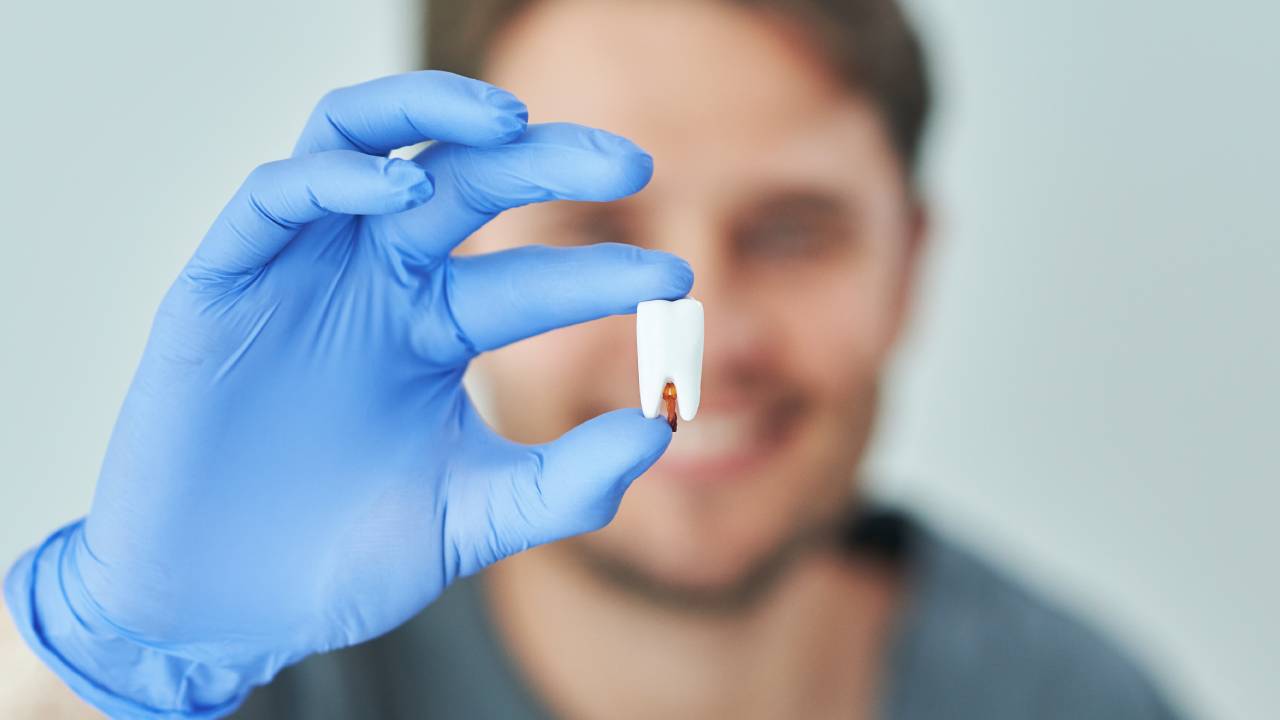
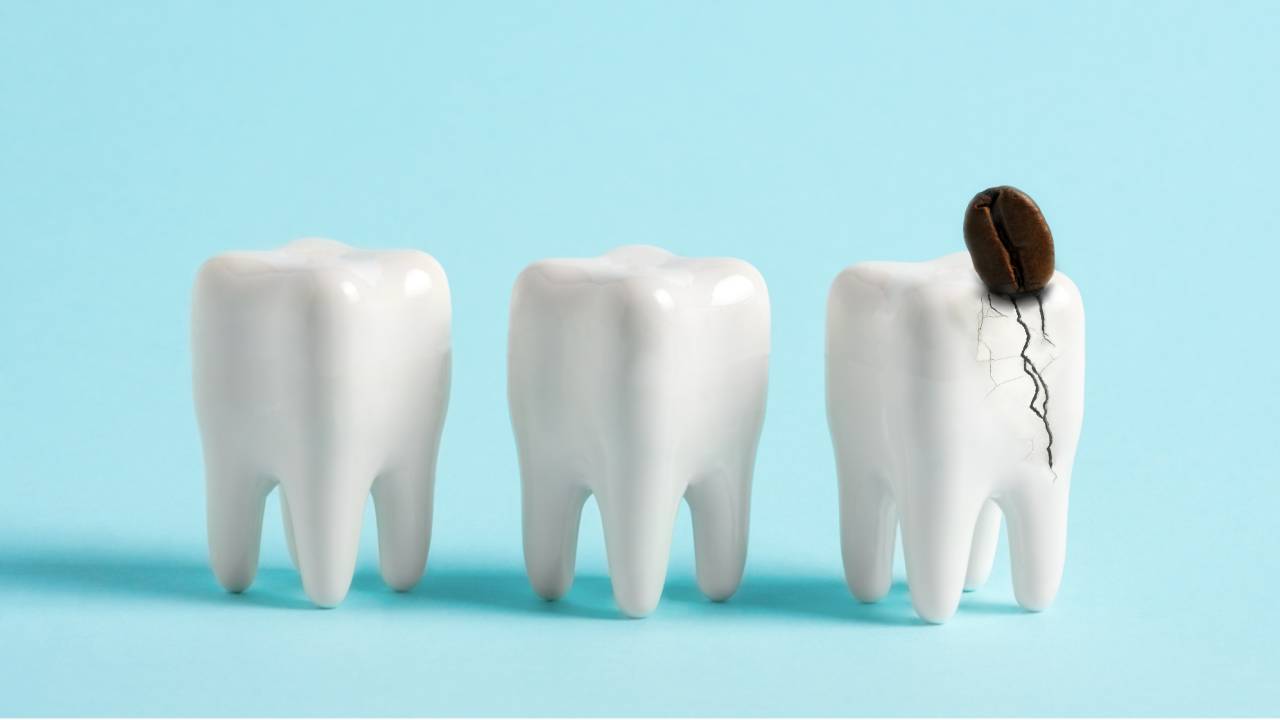
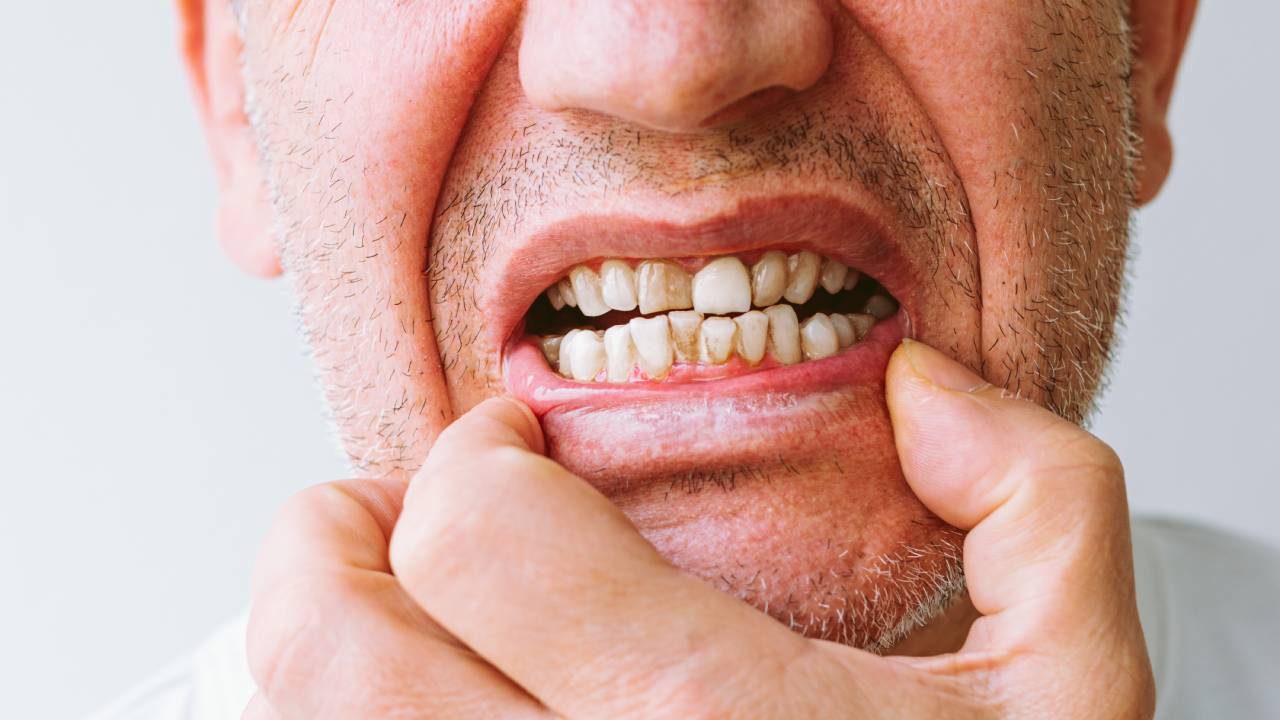
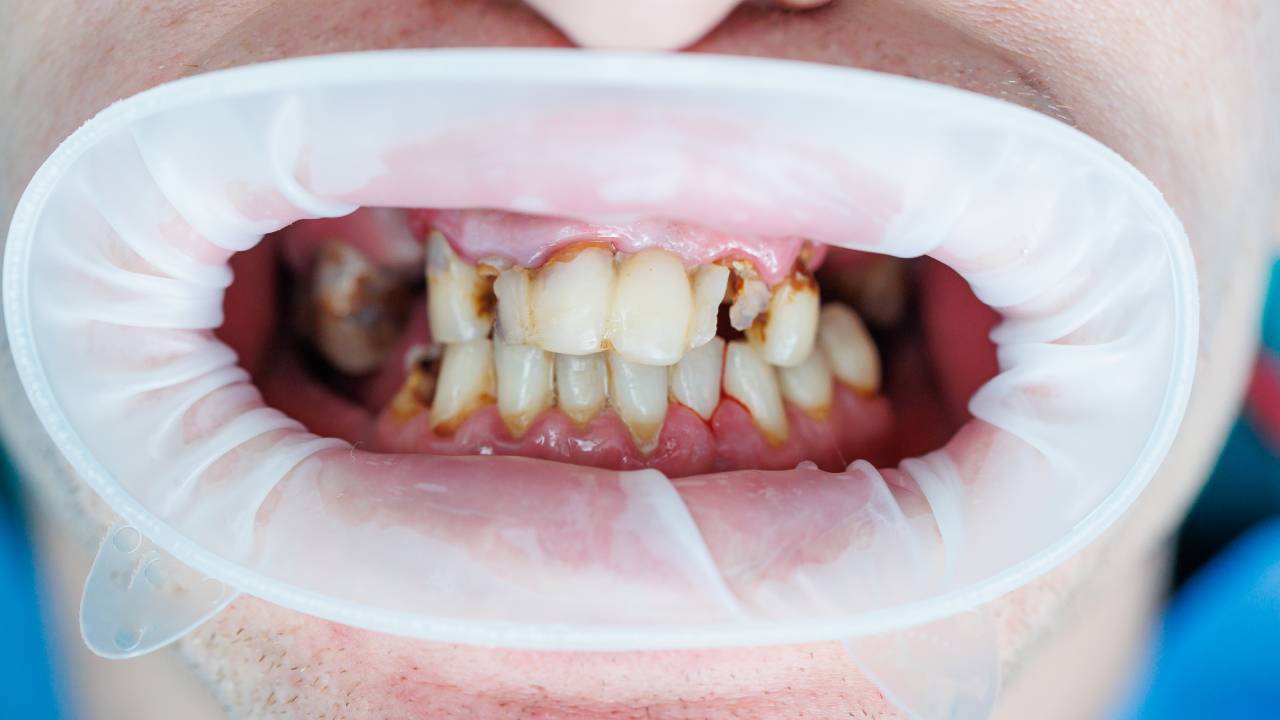
After losing one or more teeth, an assessment for missing teeth sets the foundation for restoring your smile, chewing ability, and long-term oral stability. Scheduling an early evaluation is the first step toward understanding how tooth loss affects your jawbone, bite alignment, and overall oral health. By taking a comprehensive approach, you and your dentist can develop a customized plan that preserves your bone structure and function. Whether you lost a single molar or several front teeth, professional consultation helps you choose the best path forward.
Understanding tooth loss
Tooth loss is more common than you might think, and it can occur for many reasons, from decay and trauma to developmental issues. In a study of 2,206 panoramic radiographs from patients aged 7 to 75 in Shiraz, Iran, 40.1% had at least one missing permanent first molar, with 17.4% missing one, 10.3% missing two, 7.1% missing three, and 4.9% missing all four first molars [1]. Mandibular first molars were the most frequently absent, especially on the left side.
Age and gender also play a role. As patients grow older, the likelihood of missing first molars increases (p=0.05; correlation coefficient: 0.334) [1]. Male patients in that population showed a higher prevalence (44.4%) compared with females (38.1%) [1]. Even among children aged 7 to 15, 24% had one missing molar, 31% had two, and 15% had three, often linked to orthodontic assessments [1].
No matter your age or the tooth involved, understanding the scope of your tooth loss—through a missing-teeth dental evaluation—helps you and your dentist plan for the healthiest outcome.
Recognizing functional impact
Missing teeth do more than leave a gap in your smile. They can shift the position of neighboring teeth, causing misalignment, uneven wear, and even joint pain. Over time, you may notice difficulty chewing certain foods or changes in your speech clarity. Missing teeth can also reduce your biting force and limit your diet choices.
Tooth loss affects bone health, too. Without the mechanical stimulation of biting and chewing, the underlying jawbone can resorb and weaken, leading to changes in facial structure and further tooth instability [2]. This process may set off a downward spiral of additional tooth loss and compromised oral function.
Beyond physical function and aesthetics, your quality of life can suffer. A study at Khyber College of Dentistry found that 53% of adults with missing teeth had poor oral health–related quality of life (GOHAI score ≤50), and as the number of missing teeth increased, quality of life declined significantly [3]. Missing front teeth had the largest negative effect, highlighting the psychosocial toll of gaps in your smile.
If you’re experiencing these challenges, a thorough evaluation for tooth replacement will address not only how many teeth are missing but also how their absence impacts your day-to-day life.
Evaluating oral health
A complete assessment for missing teeth examines every aspect of your mouth, from the visible surfaces to the hidden structures below the gum line. This step ensures no detail is overlooked before planning restoration.
Clinical examination
Your dentist begins with a hands-on inspection of your mouth. This clinical exam typically includes:
| Examination method | Purpose |
|---|---|
| Visual inspection | Identify missing teeth, caries, cracks, discolorations, and fistulas [4] |
| Palpation | Detect tenderness around tooth crowns and periapical areas to assess inflammation or underlying bone changes [4] |
| Patient history | Review past dental work, existing complaints, and medical conditions that affect treatment choices [4] |
| Sensitivity testing | Test vitality of adjacent teeth with mechanical, cold, or electric pulp tests, establishing a baseline for response [4] |
Together, these steps reveal the health of your gums, remaining teeth, and soft tissues. Any signs of infection or instability need to be addressed before moving forward with tooth replacement.
Diagnostic imaging
Imaging is the cornerstone of modern dental assessment. Your dentist may use one or more of these tools:
• Panoramic x-rays show the entire jaw, detecting congenitally absent teeth, supernumerary teeth, jaw cysts or tumors, and impacted wisdom teeth [5]
• Digital x-rays reduce radiation exposure by up to 90% and allow zooming in on areas of interest for detailed analysis [6]
• Intraoral cameras capture high-resolution images of hard-to-see regions, giving both you and your dentist a clear view of potential problem spots [6]
• Cone beam computed tomography (CBCT) creates a 3D map of your jawbone density and structure, guiding precise implant placement and avoiding vital anatomical structures [7]
Advanced imaging not only confirms how many teeth are missing but also evaluates the quality of your bone, the position of nerves, and the best angulation for implants or other restorations.
Assessing bone and bite
Once the basic oral exam and imaging are complete, focus shifts to how well your jawbone and bite can support tooth replacement. Bone height and density matter because they determine whether you need grafting or other preparatory treatments. Bite stability is equally crucial—uneven forces can lead to restoration failure or increased wear on adjacent teeth.
Your dentist will analyze your occlusion (how your upper and lower teeth meet) to identify any collapse or misalignment caused by missing teeth. Addressing bite issues early can prevent further degradation of your oral structures. If you notice jaw pain, shifting teeth, or changes in facial height, consult a dentist for bite collapse from missing teeth to protect your long-term oral health.
Planning replacement timeline
Timing your restoration is as important as choosing the right solution. After assessment, your dentist will outline a treatment plan that balances urgency with preparation. In many cases, you can begin replacement within weeks of evaluation, provided your gums and bone are healthy. In other situations, healing or bone grafts may require several months before placing implants or bridges.
During your dentist consultation for tooth loss, be ready to discuss factors that affect timing:
- Overall health conditions such as diabetes, which can influence healing [8]
- The number and location of missing teeth
- Bone volume and need for grafting or sinus lifts
- Personal goals for aesthetics and function
Your dentist may also review whether you’re a candidate for specific options like implants, bridges, or dentures. For comprehensive guidance on long-term solutions, ask about a dentist for long term tooth replacement.
Preparing for consultations
To make the most of your appointment, gather these items and details before you arrive:
- A summary of your medical and dental history, including past surgeries and chronic conditions
- A current list of medications and supplements you take
- Any recent dental x-rays or scans, if available
- Your dental insurance information and referral details, if required
Having this information at hand streamlines your evaluation and ensures your dentist can focus on developing the best plan for you. During your visit with a missing tooth evaluation dentist or tooth replacement consultation dentist, don’t hesitate to ask questions about procedure timing, financing options, and expected recovery.
Early, thorough assessment for missing teeth empowers you to restore function, prevent further bone loss, and regain confidence in your smile. By understanding the impact of tooth loss, completing a full oral and imaging evaluation, assessing bone and bite stability, and planning your replacement timeline, you’ll be ready to take the next step toward a healthier, more complete smile.