Understanding tooth damage
Your teeth face daily forces from chewing, speaking, and even habits like teeth grinding. Over time, these stresses can cause fractures, cracks, and wear that compromise both appearance and function. Whether you sip acidic beverages, snack between meals, or clench under stress, enamel erodes and microfractures develop. Ignoring these early signs may lead to sensitivity, pain, or outright structural failure.
A thorough evaluation for damaged teeth identifies the exact nature and extent of harm. By pinpointing the problem, your dentist can recommend tailored treatments rather than quick fixes. Early intervention often means less invasive solutions and better long-term outcomes. If you suspect chips or hairline cracks, consider scheduling an evaluation for damaged teeth to prevent minor damage from becoming major.
Importance of accurate assessment
An accurate assessment for tooth repair does more than relieve pain, it preserves your natural tooth structure. When you skip a proper diagnosis, you risk improper treatment choices that could accelerate decay, deepen cracks, or destabilize your bite. By contrast, a careful evaluation uncovers hidden fractures, underlying decay, and occlusal imbalances before they worsen.
Precise diagnostics also guide functional planning so that restorations withstand everyday forces. You gain confidence knowing your repair plan addresses all contributing factors—from enamel loss to bite misalignment. For trauma-related damage, seek a specialist, such as a dentist for dental trauma, who can ensure your treatment covers both immediate repair and ongoing stability.
Assessment methods overview
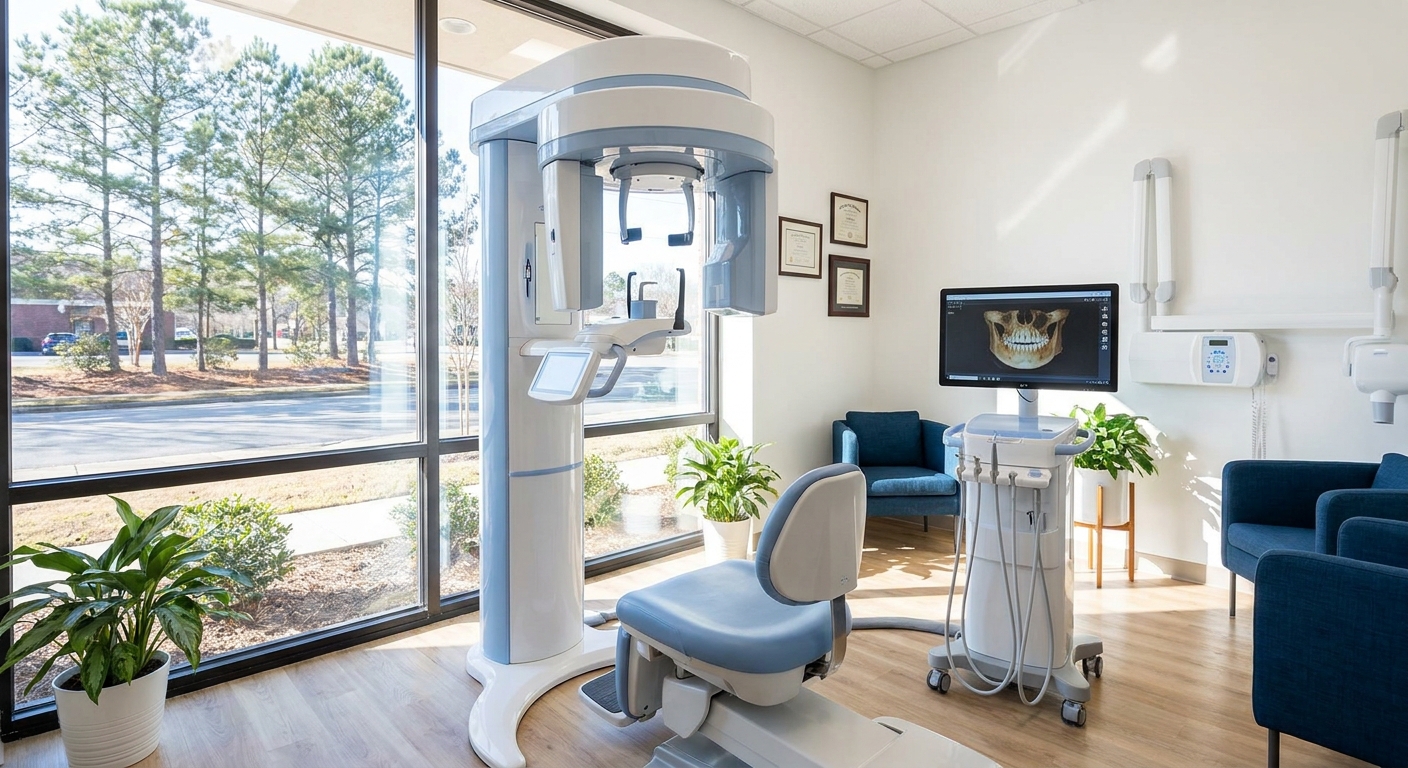
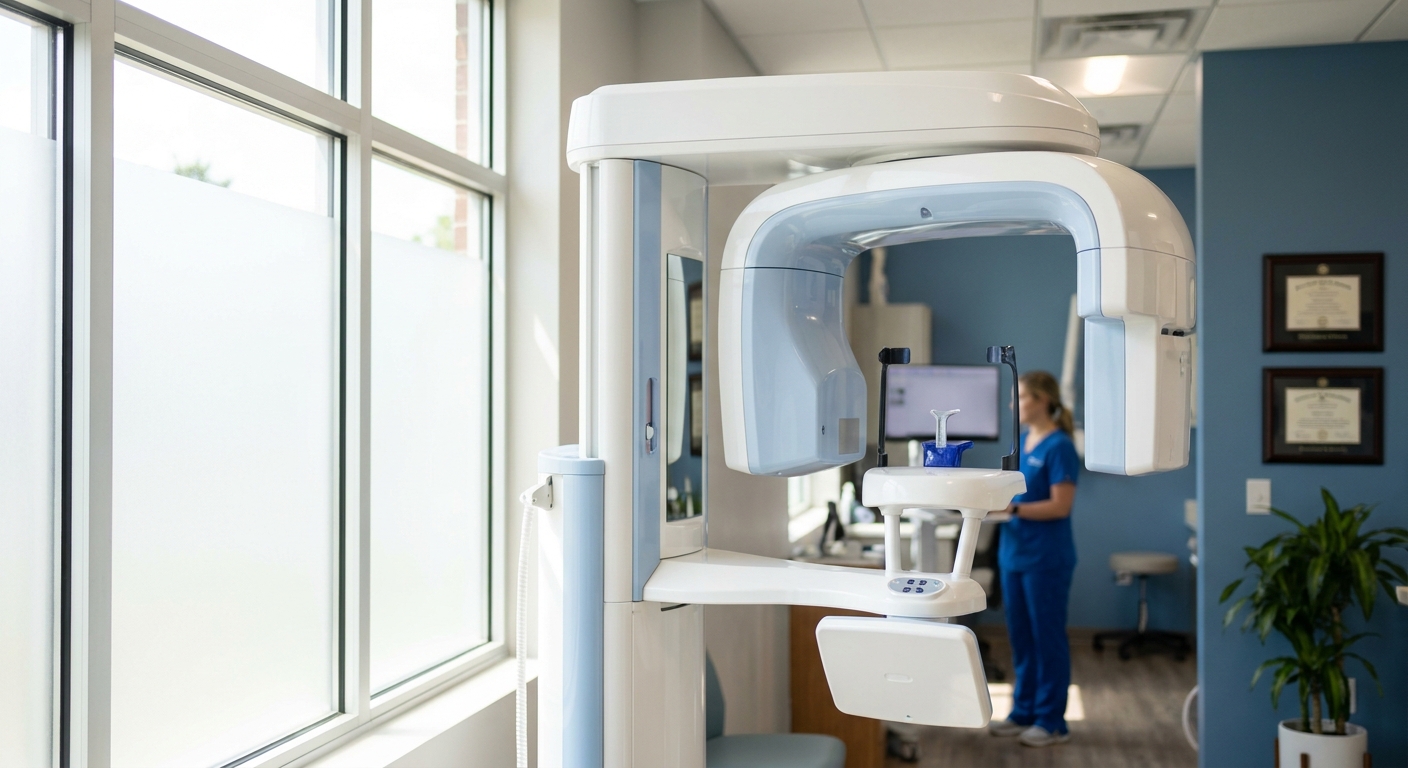
Dentists rely on a combination of visual, tactile, and technological tools to evaluate tooth damage. Clinical exams reveal surface irregularities and sensitivity, while imaging uncovers internal problems. Advanced caries-detection systems further enhance their ability to spot early decay that may weaken the tooth’s core.
Here’s a comparison of common assessment methods:
| Method | Purpose | Reference |
|---|---|---|
| Clinical examination | Visual inspection, probing for cracks, assessing bite patterns | |
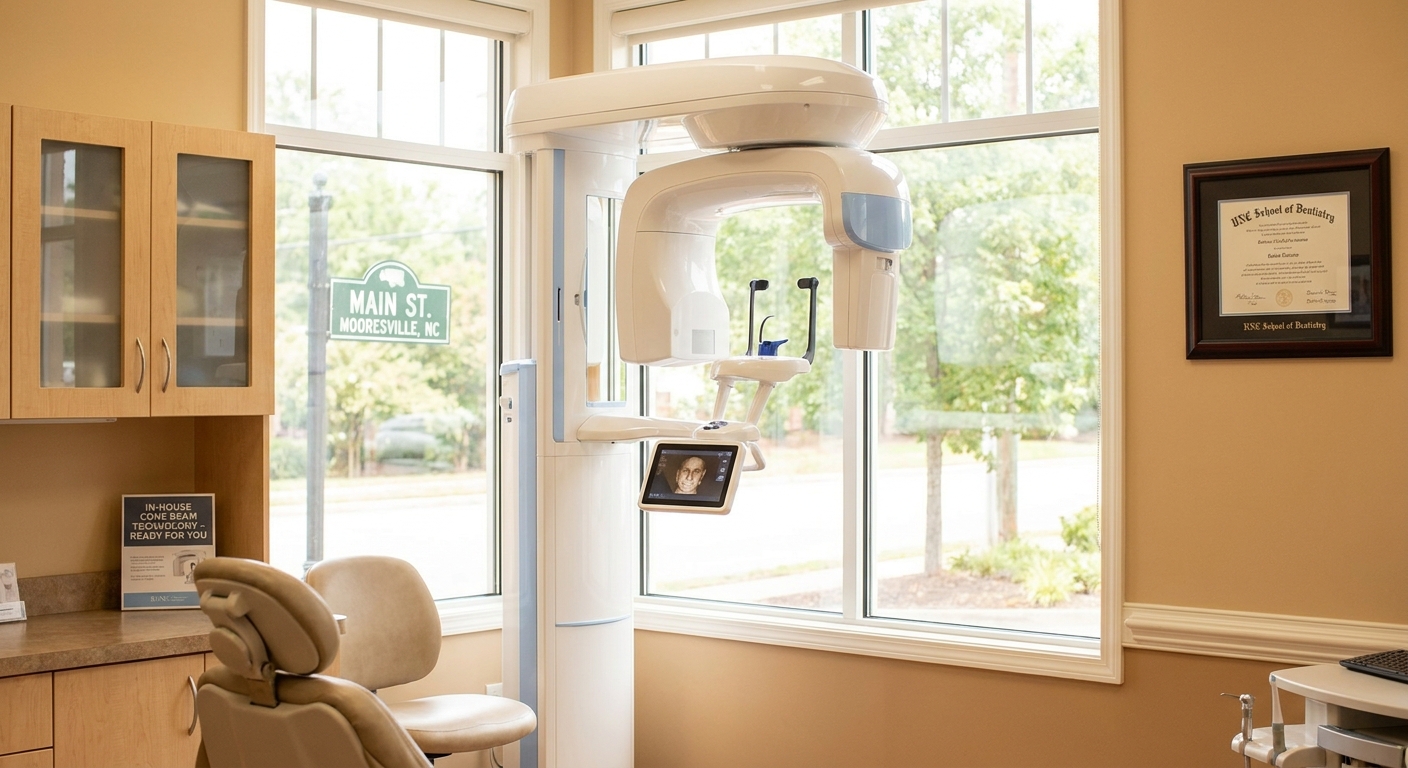
| Cone beam CT (CBCT) scans | 3D imaging of bone, roots, nerves | [1] |
| Digital X-rays | Sharp images of roots, decay, alignment with minimal radiation | [1] |
| Intraoral cameras | Close-up views of cracks, cavities, gum health | [1] |
| ICDAS caries detection | Visual scoring system for early decay | [2] |
Assess fractures and cracks
Tiny fractures can quickly expand under biting forces, turning a simple chip into a painful split. During your exam, your dentist will use magnification loupes and a specialized explorer to feel for catches in the enamel. Transillumination—shining a bright light through the tooth—helps highlight hairline cracks invisible to the naked eye.
Classification matters: cracks limited to enamel may only need smoothing or bonding, while those extending into dentin demand stronger restorations. If you notice sharp pain when chewing or an area that stains easily, consult a dentist for cracked enamel or book a dentist for tooth fracture appointment. Early detection preserves more of your natural tooth and reduces the need for root canal therapy.
Evaluate enamel wear
Enamel doesn’t regenerate once damaged, so assessing the pattern and depth of wear is crucial. Attrition from grinding shows up as flat facets on chewing surfaces, while erosion from acids leads to smooth, scooped-out areas. Your dentist examines these wear facets under dry conditions and may perform a bite analysis to measure force distribution.
When enamel thins, you become vulnerable to sensitivity and increased fracture risk. A dentist for worn teeth can provide custom night guards or targeted fluoride treatments to slow progression. They will also look for contributing factors such as acid reflux or aggressive brushing habits that you can modify to protect your smile.
Diagnose structural weaknesses
A comprehensive assessment for tooth repair evaluates more than visible damage—it uncovers underlying vulnerabilities. Consider these key factors:
- Severity of damage, from superficial cracks to deep fractures
- Location on the tooth, whether on biting surfaces or the root
- Amount of remaining healthy tooth structure
- Presence of decay or demineralization under the enamel
- Occlusal forces from your bite alignment and grinding habits
- Overall oral health, including gum support and adjacent teeth condition
By mapping out these variables, your dentist can determine if a simple resin repair will suffice or if a more robust solution is necessary. You avoid surprises, and your treatment plan becomes a blueprint for lasting stability.
Plan for functional stability
Once the assessment pinpoints weak spots, your dentist focuses on restoring function as well as form. Stabilization may involve smoothing sharp edges, applying protective sealants, or adjusting your bite to redistribute force. During this phase, you and your provider discuss lifestyle factors—diet, oral hygiene, nighttime grinding—that influence long-term success.
For trauma-related evaluations, working with a dentist for tooth trauma evaluation ensures that any root or bone issues are addressed before final restorations. This step reduces the risk of implant failure, recurrent cracks, or further wear. Your restoration plan should not only eliminate current pain but also prevent new stress points from developing.
Select treatment options
Based on your assessment, a range of restoration methods may be on the table. Below are common options, starting from minimally invasive to full replacement:
- Dental filling: Ideal for minor decay or small chips, fillings halt progression by sealing exposed dentin [3].
- Composite bonding: A tooth-colored resin repairs minor cracks or discoloration in a single visit [4].
- Veneers: Thin porcelain shells cover front-teeth cracks or chips, requiring sufficient enamel for bonding [4].
- Inlays and onlays: Lab-made restorations that fill larger cavities or cover cusps without a full crown [5].
- Dental crown: A custom cap covers badly damaged teeth, often following a root canal, to restore strength and shape [3].
- Dental bridges: A fixed option that uses adjacent teeth as anchors, less costly than implants but may stress supporting teeth [6].
- Dental implants: Titanium posts replace root and tooth, offering one of the best long-term solutions for single or multiple missing teeth [6].
- Removable dentures: Full or partial dentures restore function in cases of extensive tooth loss, though they may slip and require periodic adjustments [6].
- All-On-4 implants: A full-arch replacement using strategically placed implants to support a bridge, suitable for significant tooth loss [6].
Your dentist will weigh factors like remaining tooth structure, bite forces, aesthetic goals, and budget before recommending the optimal choice. Discuss any concerns about durability, maintenance, or insurance coverage to arrive at a plan you can commit to.
Choose the right dentist
Selecting a provider experienced in structural tooth repair makes all the difference. Look for a dentist who specializes in comprehensive assessment techniques and uses advanced imaging. Patient reviews and before-and-after photos offer clues about their expertise.
When you book an initial consultation, ask if they perform the full suite of diagnostic tests, from CBCT scans to caries scoring, in-office. Confirm they have a solid track record with the restorations you need. If you want to ensure your case receives specialized attention, seek a tooth damage assessment dentist with credentials in restorative or prosthetic dentistry.
Implement preservation strategies
After treatment, maintaining your restorations and remaining teeth keeps future repairs minimal. Your dentist may recommend:
- Custom night guards to prevent grinding
- Routine fluoride or remineralization treatments
- Dietary adjustments to reduce acid exposure
- Gentle brushing with a soft-bristle brush
- Regular checkups and digital monitoring for early signs of wear
If you experience new sensitivity, chips, or discomfort, reach out promptly. Scheduling a dentist for broken tooth evaluation can catch issues before they become emergencies. Proactive care and consistent follow-through ensure your smile stays healthy, functional, and pain-free.
Accurate assessment for tooth repair is the cornerstone of effective, long-lasting dental care. By choosing detailed diagnostics and a personalized treatment plan, you safeguard your natural teeth and avoid unnecessary pain. Empower yourself with knowledge, partner with the right professional, and commit to preventive strategies—your future smile will thank you.