Understand biting pain
Experiencing biting pain when chewing can signal more than just a sensitive spot, it may mean your cracked tooth needs a dentist visit sooner rather than later. When biting pain cracked tooth dentist becomes a concern, delaying assessment can allow damage to worsen and raise the risk of infection. You should pay close attention if a sudden sharp ache occurs while you bite down, especially when it comes and goes unpredictably.
This kind of discomfort often points to underlying structural damage rather than simple enamel wear. Tiny fractures in the enamel can propagate into the dentin and even the pulp chamber, triggering pain when pressure is applied. To protect your oral health, you may want to schedule an appointment with a tooth damage assessment dentist as soon as you notice this symptom.
Identify common cracked tooth causes
Cracked tooth syndrome can develop from a variety of everyday activities and conditions. Biting on hard objects like ice, unpopped popcorn kernels or bones can create microfractures that grow over time. Habitual teeth grinding and clenching, known as bruxism, exerts repeated stress that can eventually lead to cracks in your enamel or dentin layers.
Age and previous dental work also play a role in increasing crack risk. Older adults often have restorations, such as large fillings or crowns, which can create stress points where a crack may start. Weakened enamel—whether from acid erosion, aggressive brushing or certain medical conditions—further increases susceptibility. If you suspect your enamel may be compromised, consider consulting a dentist for cracked enamel to explore preventive treatments.
Recognize warning signs
Pain on biting is the hallmark of a cracked tooth, but you may notice accompanying symptoms that refine the diagnosis. Sensitivity to hot, cold or sweet foods often indicates that a crack has extended into the dentin, where tiny tubules connect to nerve endings. You might experience discomfort when releasing your bite, as the crack opens under pressure and then snaps shut.
Occasionally, you may observe swelling or redness of the gum tissue near the affected tooth, suggesting that bacteria have migrated into the crack and triggered inflammation. In extreme cases, pus formation or a tooth abscess can develop, causing throbbing pain and facial swelling [1]. Ignoring these signs can allow the crack to worsen, compromising long-term tooth preservation.
How dentists assess structural damage
Understanding how your dentist evaluates a cracked tooth can alleviate worry and prepare you for the diagnostic process. A thorough assessment focuses on identifying crack location, depth and involvement of the pulp. Below are the primary methods practitioners use to diagnose structural damage.
Clinical examination and patient history
Your dentist begins with a detailed history of your symptoms, asking about pain triggers, duration and any related dental work. They will then conduct a hands-on examination, using magnification and gentle probing to inspect the tooth surface. Transillumination with a bright light can reveal cracks as dark lines that interrupt normal light transmission.
Magnified visual inspection and tactile evaluation help locate even fine craze lines that might not show on X-rays. By correlating your description of biting pain with the precise area under examination, your dentist gains critical clues about the likely fracture path [2].
Bite tests and other diagnostic tools
To reproduce your symptoms, the dentist may perform a bite test using an orange wood stick, cotton roll or specialized instrument like a Tooth Slooth II. By asking you to bite and release pressure on each cusp individually, they can isolate the cracked area causing the pain.
Although discomfort during these tests can be unpleasant, it pinpoints the exact location of the fracture. Such targeted reproduction of biting pain is a cornerstone of diagnosing cracked tooth syndrome, especially when X-rays show no obvious damage.
Imaging techniques
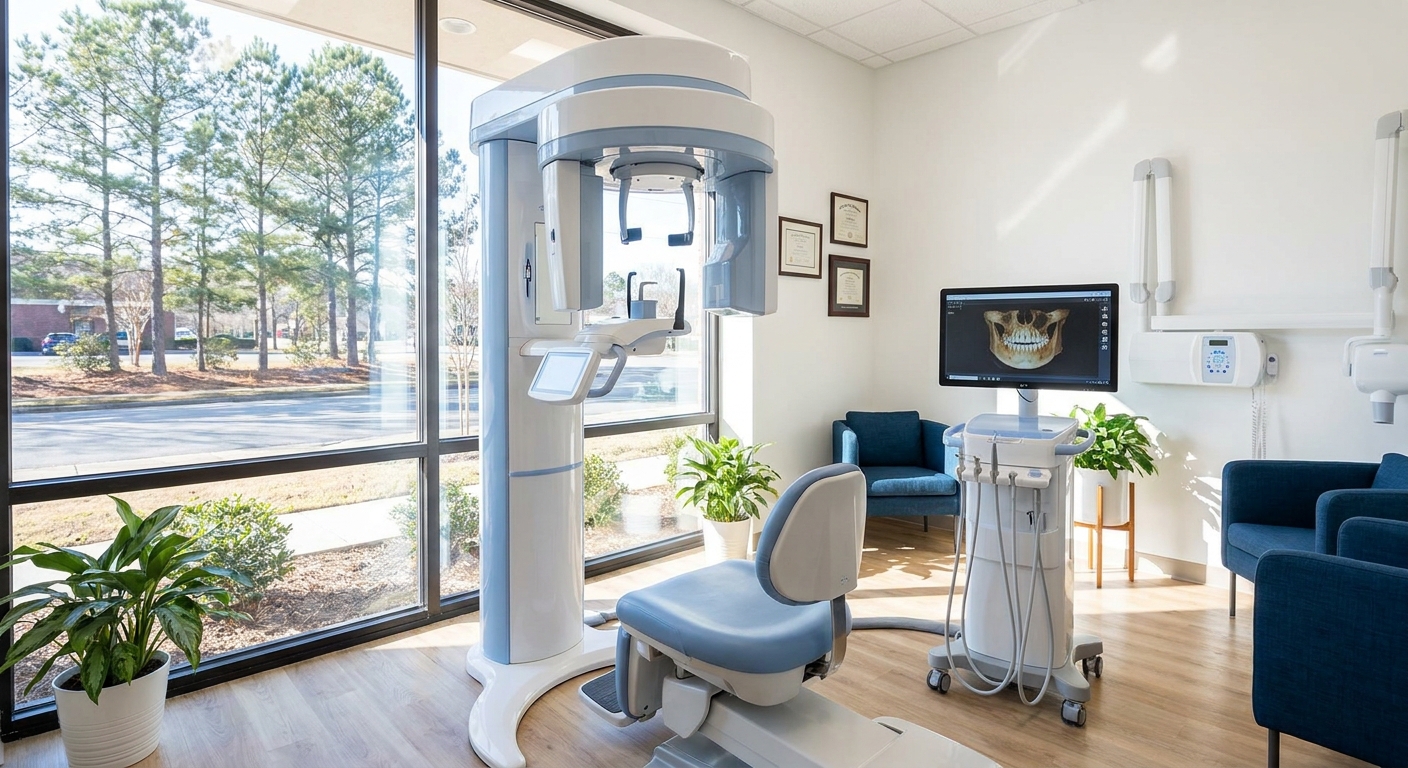
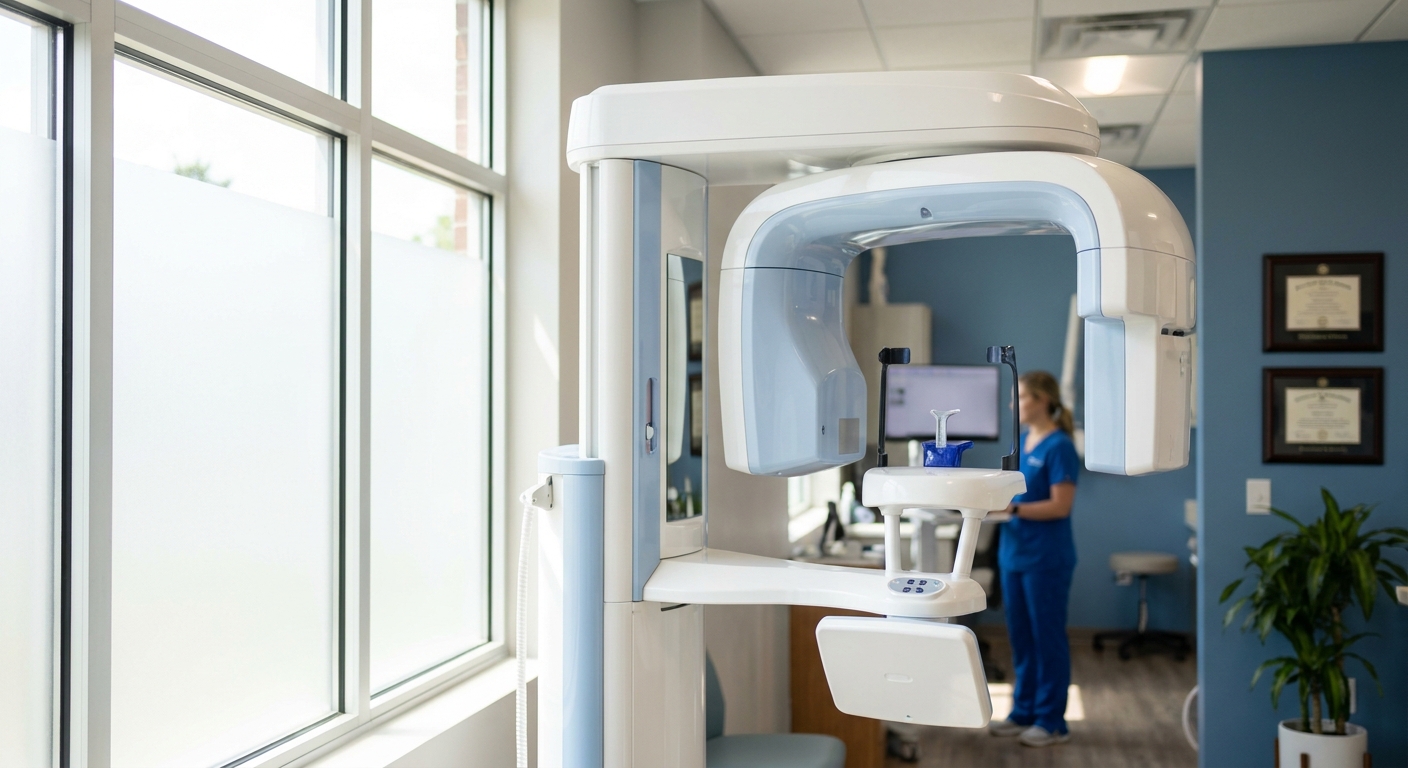
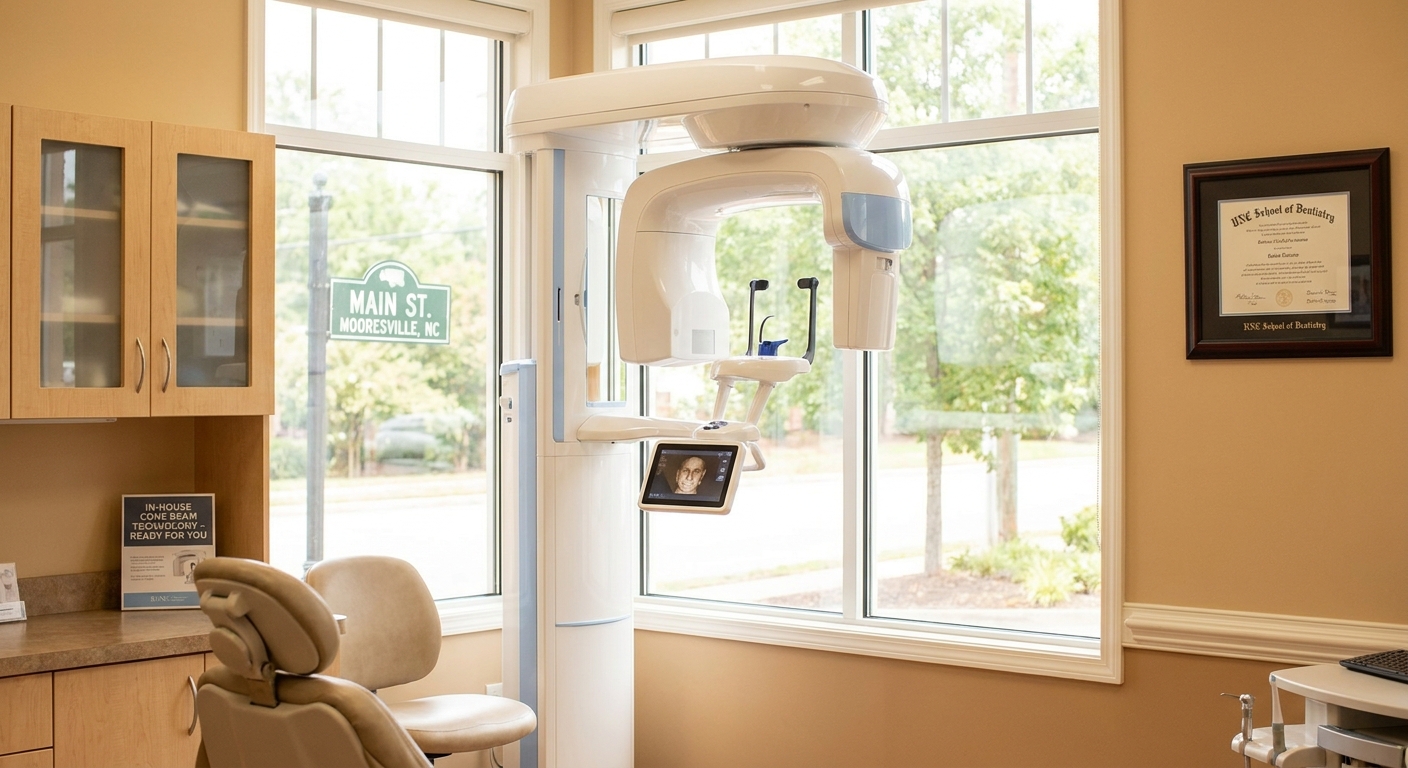
While standard dental X-rays often miss fine cracks, they remain valuable for ruling out other causes of pain such as decay or infection. Cone-beam computed tomography (CBCT) offers three-dimensional views that can detect deeper cracks extending into the root. In complex cases, your dentist may refer you to an endodontist for advanced imaging and specialized evaluation [1].
Combining clinical findings, bite test results and imaging data ensures an accurate diagnosis and guides the treatment plan tailored to your tooth’s specific condition.
Treatment options for cracked teeth
Once your dentist has assessed the severity and location of the crack, they will recommend one of several restorative approaches. The goal is to stabilize the tooth, protect the pulp and restore function while preventing further propagation of the fracture.
| Treatment | When used | Benefits | Considerations |
|---|---|---|---|
| Composite bonding | Minor, superficial cracks without pulp involvement | Preserves natural tooth structure | May stain over time, less durable under high biting forces |
| Dental crown | Cracks extending into dentin or weakened tooth structure | Reinforces tooth, prevents crack spread | Requires enamel removal, higher cost and multiple visits |
| Root canal therapy and crown | Cracks reaching pulp chamber with pain or infection | Relieves infection, saves the tooth | More invasive, longer healing, may need post and core build-up |
| Extraction and implant/crown | Vertical root fractures or non-restorable cracks | Resolves pain, restores function long term | Tooth removal, implant placement time frame, higher overall cost |
Minor cracks and preventive measures
If your crack is confined to the outer enamel and does not involve the pulp, composite bonding can seal the fracture and prevent debris from entering. This conservative treatment uses tooth-colored resin to fill and stabilize the crack. You can resume normal eating shortly after, though you should avoid very hard foods for a few weeks.
Applying a custom night guard can also protect against future cracks, particularly if you grind your teeth at night. A preventive splint reduces stress on vulnerable enamel and keeps small fractures from worsening.
Restorative treatments including bonding and crowns
When a crack extends into the dentin or the tooth shows signs of structural weakness, a full-coverage crown often provides the best long-term protection. Crowns encase the tooth above the gum line, distributing biting forces evenly and stopping cracks from propagating further.
Your dentist for tooth fracture will prepare the tooth by removing damaged enamel and shaping it to support the crown. After impressions, a lab fabricates the restoration, which is cemented in place during a follow-up visit. While crowns require more tooth reduction than bonding, they deliver superior durability for molars and premolars that handle high chewing loads.
Endodontic therapy and extractions
If the crack has reached the pulp, causing acute pain or infection, root canal treatment becomes necessary to remove diseased tissue and disinfect the canals. Following endodontic therapy, a crown is placed to restore function and seal the tooth. With proper care, endodontically treated teeth can last many years without pain [3].
Extracting a non-restorable cracked tooth may be the only option if the fracture extends below the gum line or into the root. After extraction, you can discuss implant placement or a dental bridge to replace the missing tooth and maintain your bite alignment.
Prevent future cracks
Preventing new cracks and slowing the progression of existing ones hinges on habit changes and professional support. Wearing a protective sports mouth guard during contact activities can shield your teeth from direct impact. If bruxism contributes to your problem, a well-fitted night guard helps manage grinding forces.
Maintaining a balanced diet with minimal acidic foods preserves enamel strength. You should also steer clear of chewing ice or hard candies. Regular dental checkups ensure that any new cracks are detected early during routine exams and bite tests, so you can address them before they worsen.
Finding the right dental evaluation
Choosing a dentist experienced in diagnosing and treating cracked teeth can make all the difference in preserving your natural dentition. Look for practitioners who emphasize functional stability and long-term tooth preservation rather than purely cosmetic outcomes.
Preparing for your appointment
Before your visit, note the exact triggers of your biting pain, the longevity of discomfort and any related sensations such as temperature sensitivity. Bring a list of current medications and a history of past dental work. Sharing this information helps your dentist tailor the diagnostic approach from the start.
Arrive a few minutes early to complete any necessary paperwork for your fractured tooth dentist appointment. Early arrival also gives you time to review your symptoms and prepare questions.
Questions to ask your dentist
When you meet your dentist, consider asking:
- Which diagnostic methods will you use to identify the crack?
- How extensive is the fracture and what is the prognosis if left untreated?
- What are the pros and cons of conservative bonding versus a full-coverage crown?
- Will I need endodontic therapy or referral to an endodontist?
- How can I prevent future cracks and preserve my dental health?
Clear communication ensures you understand the rationale behind each recommendation and feel confident in your treatment plan.
Conclusion
Biting pain from a cracked tooth should never be ignored. Early evaluation by a skilled dentist for structural tooth damage can save you time, expense and discomfort down the road. Whether you require simple bonding, a protective crown or more advanced endodontic therapy, timely intervention preserves tooth function and prevents more serious complications.
If you notice sharp pain when you chew, sensitivity to temperature changes or occasional gum swelling near a suspect tooth, reach out for an evaluation for damaged teeth today. Prompt action ensures your smile remains strong, healthy and pain-free for years to come.