We are officially open and seeing patients. Schedule your appointment today by calling:
November 28, 2025
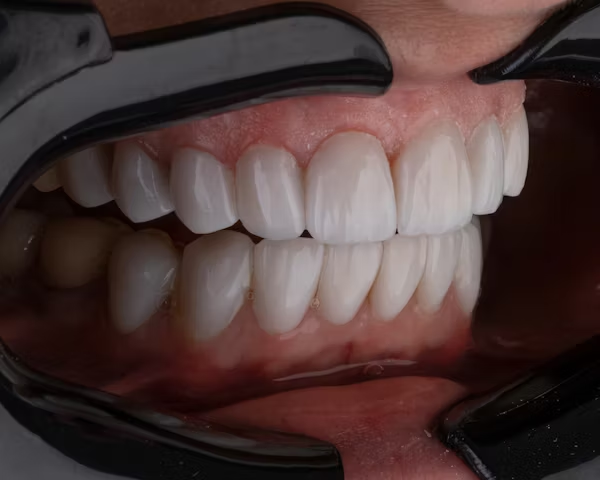
Cosmetic dentistry has come a long way… and if you’re exploring smile-enhancing options, chances are you’ve stumbled across the classic debate: Bonding vs Veneers.
Both can dramatically transform your teeth, yet they differ in longevity, cost, appearance, and preparation. At River’s Edge Dental, patients often ask which one is “better”—but the truth is, it depends on your goals, lifestyle, and dental needs.
Before we dive deep, let’s break down what each treatment is all about.
This section offers a bird’s-eye view of the biggest differences between the two. When comparing Bonding vs Veneers, think of bonding as a quick cosmetic touch-up—like buffing scratches off your car—whereas veneers are more like a custom paint job that completely upgrades the look.
We’ll explore every distinction below, from stain resistance to durability to aesthetic customization.
Dental bonding is a fast, budget-friendly cosmetic treatment that uses tooth-colored composite resin to correct mild imperfections.
The dentist:
The whole process—start to finish—takes minutes per tooth.
Bonding is ideal for:
While effective, bonding is not the strongest cosmetic material. It generally lasts around 3–7 years, depending on habits like chewing ice, grinding, or drinking staining beverages.
Veneers are slim, personalized porcelain coverings that adhere to the front surface of your teeth, created to provide lasting strength and an attractive appearance.
Porcelain veneers are created in a dental lab using:
They’re handcrafted for natural translucency and lifelike shine.
Veneers:
Perfect for correcting:
Even though bonding and veneers both improve your teeth, they deliver noticeably different visual results.
Veneers mimic the natural glow of enamel thanks to their layered porcelain construction. Bonding, while attractive, has a less reflective quality.
Composite resin used in bonding absorbs stains more easily, while porcelain remains remarkably color-stable—even for coffee lovers.
Veneers maintain a glossy, glass-like finish for years. Bonding may gradually become matte or dull, especially if exposed to abrasive brushing.
While cost shouldn’t be the only factor, it often influences the decision between bonding and veneers.
Bonding typically costs $150–$600 per tooth, making it one of the most affordable cosmetic treatments.
Porcelain veneers generally cost $1,000–$3,000 per tooth, reflecting their longer lifespan, premium materials, and customization level.
Several variables determine the final price:
Strength and durability matter—especially for front teeth that encounter daily stress.
Bonding holds up well for several years but may chip or wear faster if you grind your teeth or chew hard foods.
Porcelain veneers are significantly stronger. They resist wear, pressure, and chipping better than composite bonding.
Veneers are the clear winner in durability and longevity, offering decades of reliable performance.
Discoloration can quickly affect confidence—which makes stain resistance a major factor.
Bonding tends to darken over time when exposed to common staining agents. Even regular brushing may not fully prevent discoloration.
Porcelain’s non-porous nature means pigments can’t penetrate the surface. Your smile stays bright for years.
Bonding may need occasional polishing or replacement. Veneers only require standard brushing, flossing, and professional cleanings.
Both treatments offer efficient timelines, but veneers require slightly more steps.
Bonding is often completed in just one appointment—perfect for last-minute events, interviews, or cosmetic touch-ups.
The veneer process typically requires two appointments:
During the waiting period, temporary veneers protect your teeth and give you a preview of your future smile.
Bonding usually involves minimal enamel alteration, making it a gentle option for conservative dentistry.
Veneers require precise enamel removal to ensure a seamless fit. This step helps the veneers look natural and feel comfortable.
Bonding is reversible. Veneers, however, are a long-term commitment given the enamel preparation involved.
Ideal for subtle corrections that restore shape and uniformity without extensive treatment.
When only 1–2 teeth need enhancement, bonding is quick, simple, and effective.
Bonding offers great value without sacrificing appearance.
Perfect for subtle cosmetic fixes.
Great for one or two teeth needing minor tweaks.
Bonding is the go-to budget-conscious choice.
Veneers treat larger imperfections beautifully.
Tetracycline stains? Veneers can hide them.
Ideal for uniform, picture-perfect results.
Minor chips, cracks, or discoloration.
For cohesive, full-arch transformations.
For example, bonding on a back tooth and veneers on front teeth.
Around 3–7 years.
Usually 10–20 years.
Grinding, biting nails, smoking, and acidic foods impact lifespan.
Use soft bristles and non-abrasive toothpaste.
Avoid ice, pens, or bottle-opening (yikes!) with your teeth.
Bonding may require yearly touch-ups; veneers need occasional polishing.
Easily patchable in a quick appointment.
Minor chips can be smoothed; major breaks need replacement.
If veneer structure fractures or detaches.
Some sensitivity is normal—and River’s Edge Dental guides patients through it.
Usually mild and temporary.
May last days to weeks due to enamel removal.
Desensitizing toothpaste and avoiding extreme temperatures help.
Avoid gritty toothpaste to protect cosmetic materials.
Highly recommended if you grind your teeth.
Essential for keeping your investment fresh.
Bonding has limited shade selections.
Veneers offer fully tailored shape, shade, translucency, and contour.
Porcelain’s ability to mimic enamel helps create flawless symmetry.
Bonding gives great results without stretching your wallet.
Ideal for teens or temporary improvements.
Quick fixes are bonding’s specialty.
If you want results that last decades, veneers shine.
Great for full smile redesigns.
Celebrities? Influencers? Veneers are their go-to.
For discoloration only—no shape changes.
For structurally compromised teeth.
For bite problems or significant misalignment.
River’s Edge Dental embodies skill, artistry, and patient-centered care.
Dr. AnnMarie Moshos brings advanced training and excellence to every case.
Only high-quality composites and porcelain are used.
Combining science + creativity = your perfect smile.
Your dentist checks teeth, bite, gums, and X-rays.
Advanced technology models your new look.
You’ll review options based on goals and budget.
River’s Edge Dental—located at 136 Rocky River Rd A, Mooresville, NC 28115—provides exceptional dentistry. We are open every Monday–Thursday (8:30 AM–4:30 PM) and Fridays (8:00 AM–3:00 PM).
Dr. AnnMarie Moshos, a Carolinas native and top-of-her-class dental graduate, leads a warm, professional team passionate about creating beautiful smiles through bonding, veneers, whitening, implants, and more.
Schedule your visit today and see how effortless a radiant smile can be.

When it comes to bonding vs veneers, there’s no one-size-fits-all answer. Bonding is quick, affordable, and perfect for small fixes—while veneers offer a durable, stunning, long-term transformation. The best way to choose? Consult a skilled cosmetic dentist who understands your smile goals.
River’s Edge Dental is here to guide you every step of the way.
Veneers, by far. They last around 10–20 years, while bonding typically lasts 3–7 years.
Yes—many patients start with bonding and switch to veneers later.
No. Veneers require enamel removal, but they don’t damage healthy teeth when prepared by an expert.
Yes. Since little to no enamel is removed, bonding can typically be reversed.
Please schedule your next appointment by calling us at (123) 456-7890
BOOK APPOINTMENT