Understanding comfort focused care
Comfort focused dental care is an approach that prioritizes your physical ease and emotional well-being at every step of treatment. Instead of a one-size-fits-all experience, personalized dental care means tailoring procedures to your unique dental history, overall health, lifestyle, and emotional needs. This patient-centered philosophy can transform the way you experience dental visits, making them gentler, less intimidating, and more effective [1].
In many traditional practices you may feel hurried or uncertain about what comes next. Comfort-focused dentistry counters that by integrating clear communication, customized treatment plans, and a supportive environment. When your dentist takes time to listen to your worries, you can relax and feel more in control of your care, which is a hallmark of patient focused dental care.
No two patients are exactly alike. Comfort-focused dentists consider factors such as dental anxiety, past negative experiences, or heightened sensitivity. Whether you need a dentist who explains procedures in detail or a dentist for sensitive patients who adjusts techniques to minimize discomfort, this approach ensures that your needs guide every decision.
Why comfort matters
Reducing anxiety and stress
Up to 15% of adults in the United States experience dental anxiety, which can lead to avoidance of care and worsening oral health [2]. Comfort focused dental care addresses these fears by offering calming amenities, empathetic staff training, and relaxation techniques that work together to reduce stress hormones and soothe nervous patients.
At practices like West Willow Family Dental in Wheaton, IL, patients report feeling at ease from the moment they walk in, thanks to a nurturing atmosphere and gentle treatment approaches [3]. When anxiety is managed, you can focus on your oral health rather than dreading the next appointment.
Encouraging regular visits
Open and ongoing communication in personalized dental care helps demystify procedures, reduces anxiety, and creates a collaborative environment where you feel valued and comfortable. Over time this leads to fewer missed appointments and more consistent preventive care—key factors for long-term oral health [1].
By transforming visits into positive experiences, comfort-focused dentists encourage you to stay on top of cleanings, exams, and any recommended treatments. Regular attendance not only keeps your smile bright but also catches issues early, helping you avoid complex or invasive procedures down the road.
Key features of comfort dentistry
Personalized treatment plans
At the heart of comfort-focused care is a treatment plan built around you. Your dentist will review your complete medical and dental history, discuss any past traumas or sensitivities, and design a sequence of visits that balances your comfort with clinical needs. This holistic approach supports both dental and overall health outcomes by integrating lifestyle and emotional considerations into every recommendation [1].
Rather than prescribing a standard routine, your dentist might suggest shorter appointments spread over more visits, use desensitizing agents, or synchronize oral care with other health treatments you’re undergoing. When you see a dentist who listens to concerns, you gain confidence that every step is chosen with your well-being in mind.
Environment and amenities
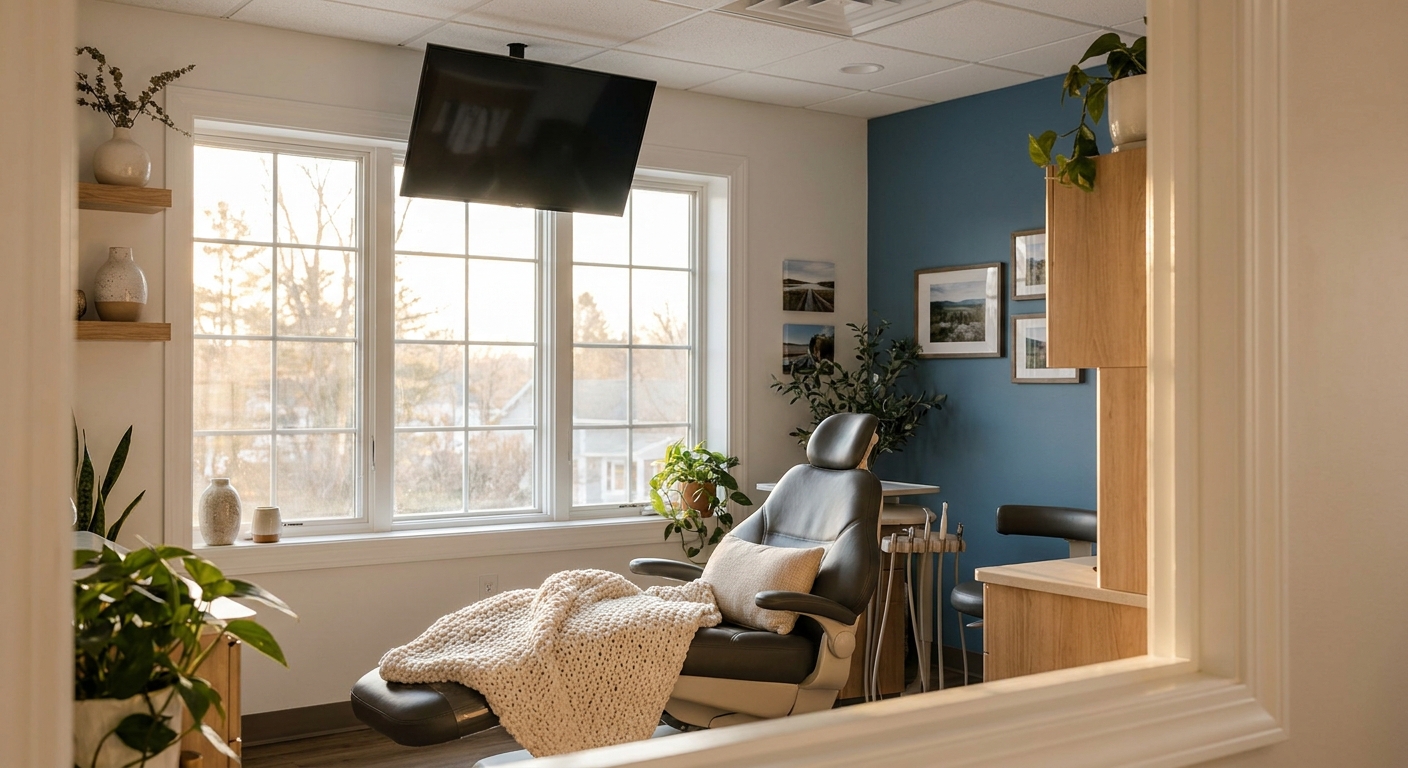
Comfort-focused practices pay special attention to their physical surroundings. Calming colors, plush seating, and soothing background music set the tone from the waiting area through the treatment rooms. Amenities may include:
- Weighted blankets and soft pillows
- Noise-canceling headphones or music playlists
- Aromatherapy or essential oil diffusers
- Ergonomic chairs with lumbar support
- Warm towels and blankets after treatment
These touches transform the visit into a more relaxing experience, helping you arrive with less tension and leave feeling cared for [4].
Communication and trust
Clear, empathetic dialogue is a cornerstone of comfort-focused dentistry. Your dentist and the team should explain each step before it happens, answer your questions in plain language, and check in on your comfort throughout the procedure. This transparent approach helps demystify dentistry and builds a trusting partnership.
When you work with a dentist who takes time with patients, you’ll never feel rushed into decisions. Open dialogue reduces surprises, lowers anxiety, and ensures you understand both the benefits and any risks of recommended treatments [5].
Advanced pain control
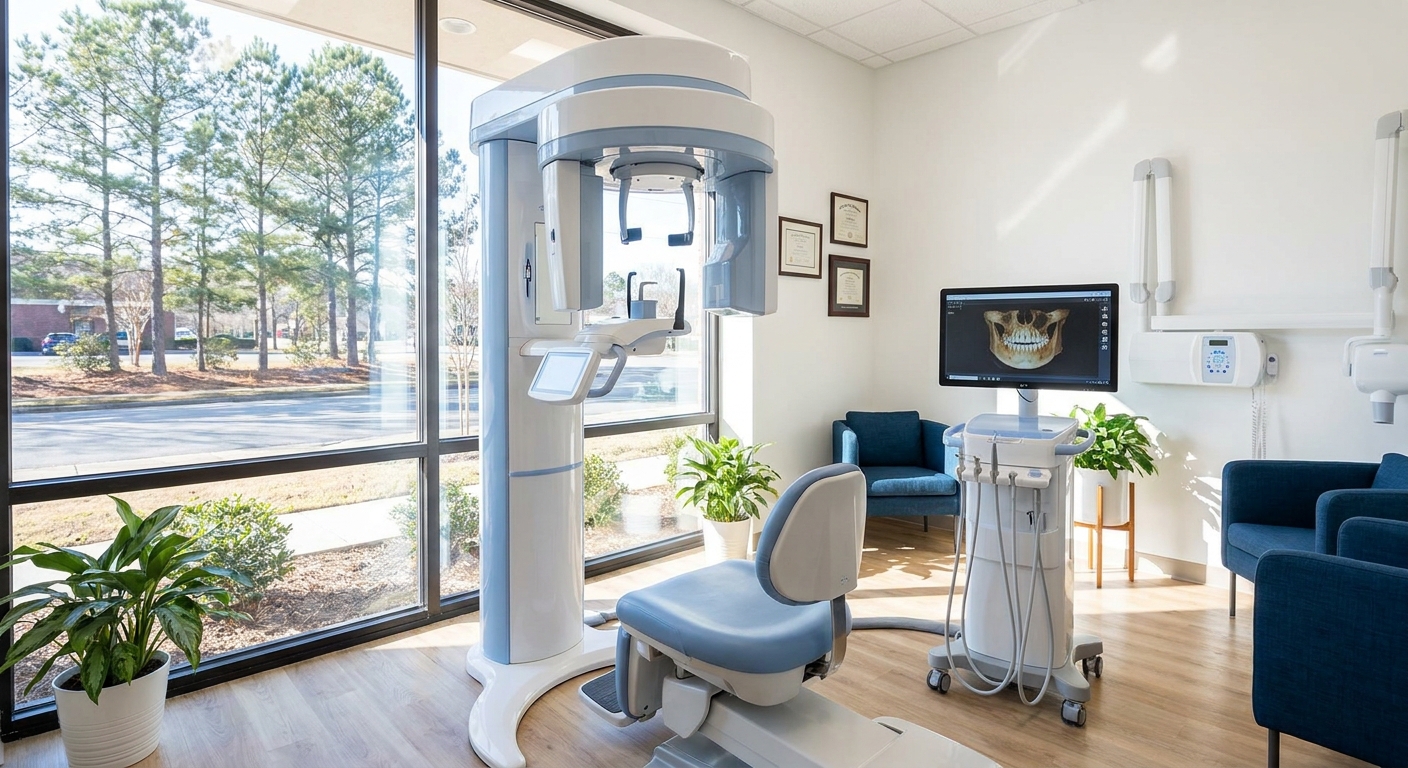
Modern comfort dentistry emphasizes pain-free treatments using advanced pain control and minimally invasive technologies. From computer-controlled anesthetic delivery systems to laser dentistry and digital impressions, these innovations speed up procedures, reduce post-treatment discomfort, and minimize follow-up visits.
Pain control methods range from topical gels and targeted nerve blocks to nitrous oxide sedation for quick recovery. By prioritizing your comfort, these techniques help you maintain trust in your dentist and stay consistent with preventive and restorative care [6].
Techniques to ease treatments
Distraction and relaxation
Distraction tools play a vital role in making treatments feel shorter and less stressful. Many comfort-focused offices offer in-chair entertainment, such as movies on ceiling-mounted screens, noise-cancelling headphones, or VR headsets. Gentle breathing exercises, guided imagery, or even simple fidget tools can shift your focus away from dental work and help you remain calm.
Staff trained in empathetic communication will regularly check in on your comfort level, offering to pause, adjust lighting, or provide breaks as needed. These small accommodations add up to a more supportive environment for anyone who finds dental work intimidating.
Sedation options
For patients with moderate to severe anxiety, sedation dentistry can make a dramatic difference. What works best depends on your needs, the procedure, and the desired recovery time. Below is a summary of common sedation methods:
| Sedation method | Description | Best for |
|---|---|---|
| Minimal sedation | Oral medication that relieves anxiety while you remain awake | Mild anxiety |
| Nitrous oxide | Inhaled gas that induces calmness and features quick onset and recovery | Moderate anxiety, short visits |
| Oral sedation | Pill taken before appointment for deeper relaxation | Moderate to severe anxiety |
| IV sedation | Medication delivered through an IV line for deep sedation | Severe anxiety, lengthy work |
(Source: Veenstra Dental, Gentle Dentistry SI)
Sedation should always be supervised by a trained professional, and your dentist will review safety guidelines, possible side effects, and any pre-appointment instructions well in advance.
Choosing the right dentist
Evaluate practitioner style
Comfort-focused dental care begins with selecting a dentist whose values align with yours. Look for practitioners with experience treating anxious or sensitive patients. You might start by searching for a gentle dentist for adults or a dentist for nervous patients. Online reviews and practice websites often highlight the staff’s approach to care and patient testimonials.
During an initial consultation, pay attention to how the dentist explains procedures and whether they take time to answer your questions. A dentist who takes time with patients and maintains open communication is key to feeling secure in your treatment plan.
Review practice amenities
Amenities and office design can significantly affect your comfort level. A low-stress dental care environment often includes features such as dimmable lighting, private treatment rooms, and the calming extras discussed earlier. If these matter to you, schedule a stress free dental visit or tour the office before committing to a lengthy procedure.
Consider also logistical conveniences like online appointment booking, flexible scheduling, and same-day emergency slots. When a practice streamlines these details, you spend less time worrying about paperwork and more time focusing on your health.
Check feedback and credentials
Patient feedback offers real-world insights into how a practice handles comfort and communication. Look for reviews from individuals who had dental fear, or past bad experiences, and note whether the practice helped them feel at ease. You can search specifically for a dentist for patients with bad dental experiences or dentist for dental fear adults.
Credentials matter too. Verify that the dentist and team have completed continuing education in sedation dentistry, laser therapy, or other comfort-focused techniques. Membership in professional organizations dedicated to patient experience can be another positive indicator.
What to expect during visits
Before you arrive
Once you’ve chosen a comfort-focused practice, begin with a thorough conversation about your medical history, anxiety levels, and any triggers from past visits. You may receive instructions for pre-appointment medication if sedation is planned. Gathering forms and insurance details online can avoid unnecessary waiting in the office.
During your visit
On the day of treatment, expect the team to check in on your comfort frequently. You’ll have easy-to-use signal systems—such as a raised hand or stress ball—to request breaks or adjustments. If you’re undergoing a comfortable dental exam, the dentist might use gentle, vibration-reducing instruments that produce less noise and pressure.
When you work with a compassionate dentist appointment professional, they’ll review each step before it happens, reminding you to breathe and relax. This transparent pacing helps you feel informed rather than overwhelmed.
Aftercare and follow-up
After treatment, your comfort-focused dentist will provide clear, written and verbal instructions for post-procedure care. You might receive complimentary items such as soft cloths, cold packs, or gentle rinses to soothe your mouth. Many practices follow up via text or email to check on your recovery, answer questions, and schedule any needed next steps [5].
Knowing that your dentist is available for questions after you leave the office adds another layer of reassurance. It also encourages you to stay engaged with your oral health, rather than brushing off discomfort or concerns.
Conclusion
Comfort focused dental care reshapes the traditional visit into a calm, collaborative, and personalized experience. By prioritizing your emotional and physical comfort—through tailored treatment plans, soothing environments, clear communication, and advanced pain control—you can overcome anxiety, attend appointments regularly, and achieve better long-term oral health.
If you’ve avoided the dentist out of fear or sensitivity, consider searching for a dentist for fearful patients or booking a gentle dental care appointment. When you choose a practice dedicated to your comfort, you reclaim control of your smile and pave the way for a stress-free journey to healthier teeth and gums.