If the thought of lying back in the dental chair makes your heart race, you’re not alone. Many adults carry anxiety from past experiences or worry about sensitivity and pain. Yet a comfortable dental exam is possible thanks to advances in patient-centered dentistry that focus on your comfort, clear communication, and trust. In this guide, you’ll discover how to prepare, speak up, and choose a care team that transforms your next visit into a gentle, stress-free experience.
Every step you take before, during, and after your appointment can build confidence and reduce fear. From simple hygiene tips to modern sedation techniques and relaxation tools, you’ll learn practical strategies to make each exam easier. By partnering with a compassionate dentist who takes time with patients and listens to your concerns, you’ll find a path to lasting oral health without dread.
Prepare before your visit
Ensuring your comfort starts long before you arrive at the office. Taking a few simple steps at home can remove obstacles and set the stage for a smooth appointment.
Hygiene essentials
Brushing and flossing before a dental appointment helps remove food particles and debris from teeth, making the exam more pleasant for both you and the dentist. Patients should only floss if it is part of their regular routine to avoid gum irritation before the check-up [1]. Swishing with an antibacterial mouthwash can freshen breath and contribute to a comfortable dental exam experience.
To get the most out of your hygiene prep, consider:
- Brushing gently with a soft-bristle brush to avoid inflaming sensitive gums.
- Flossing with care, especially if you rarely floss, to prevent soreness.
- Rinsing for 30 seconds with an antibacterial mouthwash before you leave.
- Drinking a glass of water to rinse away loose debris and hydrate your mouth.
- Packing your dental kit—brush, floss, and mouthwash—for last-minute touch-ups.
Clear obstacles
Small accessories can interfere with your exam or create extra stress. If you wear tongue or lip piercings, grills, or removable orthodontic appliances, plan to remove them before your appointment. Oral jewelry can block visibility and even scratch soft tissues [1]. Lipstick and heavy makeup should be cleaned off so your dentist can fully inspect your lips for any unusual signs, including oral cancer. By arriving prepared, you reduce appointment time and minimize surprises.
Communicate your concerns
Open dialogue with your dentist is the cornerstone of a comfortable dental exam. When you explain past fears, sensitivity issues, or any specific stressors, your care team can adapt their approach to keep you at ease.
Your dentist who listens to concerns will want to know what triggers your anxiety. Is it the sound of the drill, the feeling of prodding around your gum line, or simply the unknown? By sharing these details, you give them the power to tailor every step—from choosing a quieter handpiece to providing a detailed walkthrough before they begin [2]. If you find it hard to speak up in the moment, consider writing down your questions or concerns and handing the list to your clinician at the start of your visit.
A dentist who explains procedures will guide you moment by moment, so you always know what to expect. They may introduce you to their instruments, demonstrate the suction tool, or describe how X-rays and cameras work. This transparency builds trust and prevents surprises.
Benefit from modern dentistry
Technological advances and innovative tools have revolutionized dental exams, turning them into more gentle and efficient experiences. From digital imaging to minimally invasive instruments, modern dentistry puts your comfort first.
Digital diagnostics
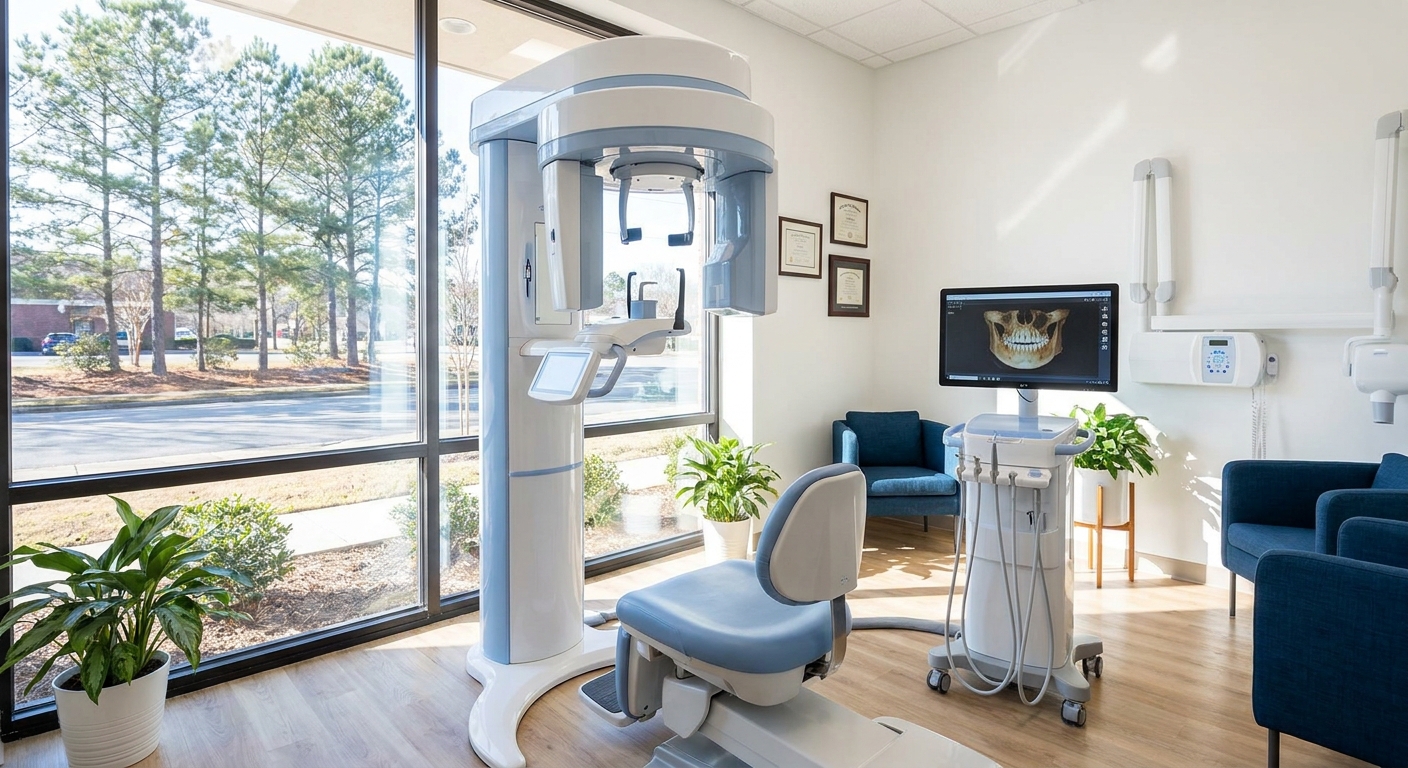
High-resolution intraoral cameras and digital X-rays allow dentists to inspect every surface of your teeth and soft tissues without needing multiple uncomfortable film placements. Digital images appear instantly on a screen, so your provider can point out areas of concern in real time. This noninvasive approach not only speeds up diagnosis but also reduces radiation exposure by up to 90 percent compared to traditional film X-rays.
By viewing your mouth’s condition together, you become an active partner in your oral health. Understanding what’s happening beneath the surface can ease the anxiety of the unknown and empower you to make informed decisions.
Minimally invasive tools
Air abrasion units, laser devices, and sonic scalers replace or complement traditional drills and hand instruments. Air abrasion uses a gentle stream of aluminum oxide particles to remove decay in small areas, often without anesthesia. Dental lasers can target soft tissue or enamel with high precision, minimizing bleeding and promoting faster healing. Sonic scalers eliminate stubborn plaque and tartar with gentle vibrations rather than sharp metal tips.
These tools cut down procedure time and discomfort. You’ll feel fewer vibrations, hear less noise, and only bite on what’s necessary. When you combine these methods with targeted anesthesia, most patients report feeling surprisingly little during their exams.
Explore sedation options
For many adults with severe anxiety or low pain tolerance, sedation dentistry can transform a daunting exam into a calm experience. Your comfort-focused dental care team should discuss the types of sedation available and ensure every step prioritizes safety.
While sedation isn’t necessary for everyone, it can be a game-changer if you struggle to sit still, manage gag reflexes, or simply cannot relax in the chair. A dentist for nervous patients will walk you through each option, so you know exactly what to expect before, during, and after your appointment.
Sedation methods
| Sedation type | Description | Ideal for |
|---|---|---|
| Nitrous oxide | Laughing gas delivered through a mask, fast-acting minimal sedation with almost no side effects [3] | Mild anxiety, quick dental visits |
| Oral sedation | Anti-anxiety medication taken by mouth 30–60 minutes before your appointment [3] | Moderate anxiety, longer procedures |
| Conscious sedation | Combination of nitrous oxide and oral sedatives for deeper relaxation [4] | Procedures requiring pain control |
Sedation safety
Trained professionals monitor your vital signs throughout any sedation process. They adjust levels to keep you comfortable yet responsive, ensuring you follow simple instructions, like raising a hand if you need a break. Modern sedation drugs have predictable effects and quick recovery times. After most minimal or moderate sedations, you’ll sit up feeling relaxed and ready to go home with a companion. For deep or general sedation, your dentist will provide post-procedure instructions and ensure you’re stable before you leave.
Practice relaxation techniques
Even without sedation, you can take active steps to calm your mind and body. Relaxation methods fit easily into your appointment and can make a noticeable difference in your comfort level.
Mental calming methods
Your breath is one of the simplest tools at your disposal. Slow, deep inhalations through the nose followed by gentle exhalations through the mouth signal your nervous system to relax. Progressive muscle relaxation uses the same principle: tense a muscle group for five seconds, then release and breathe into the sensation of letting go. Visualization takes you away from the dental chair—imagine walking on a beach, feeling the sun on your skin, or picturing yourself smiling after a successful, pain-free exam [2].
Sensory distractions
- Plug into calming music, an audiobook, or a podcast through noise-canceling headphones.
- Use a stress ball or fidget device to give your hands something to do.
- Establish a hand-signal with your dentist if you need a pause at any time.
- Focus on a fixed point on the ceiling or wear sunglasses to reduce bright light.
These simple distractions shift your attention away from dental sounds and sensations. Many patients find they can tolerate more once they have a multisensory escape plan in place.
Choose comfort-focused care
Finding the right provider is the final—and most important—step toward a truly gentle, comfortable dental exam. Your ideal practice offers low stress dental care with a team that embraces your pace, answers every question, and respects your boundaries.
Look for a gentle dentist for adults who specializes in treating nervous and fearful patients. A dentist for dental fear adults will have experience with sedation and relaxation protocols, but they should also shine at daily care. Do they offer a compassionate dentist appointment where your concerns are front and center? Are they known as a dentist who explains procedures and a dentist who takes time with patients? These qualities lay the groundwork for trust.
Your comfort-focused dental care team should offer follow-up support, whether that looks like a friendly reminder call or a quick check-in after your first appointment. A practice dedicated to patient focused dental care will celebrate every milestone—from a smooth cleaning to the completion of a comprehensive exam—so you feel confident returning for routine checkups. When you partner with a provider who prioritizes communication, gentle methods, and respect, your next visit can truly be a stress free dental visit.
By combining at-home prep, honest dialogue, modern tools, sedation when needed, and proven relaxation techniques, you set the stage for the most comfortable dental exam of your life. You deserve care that listens, adapts, and empowers—start planning your gentle dental care appointment today.