Understanding exam importance
Your oral health begins with a complete dental checkup. During this appointment, your dentist will examine your teeth, gums, jaw, and soft tissues to spot issues before they become painful or costly. Routine checkups can prevent the need for fillings, root canals, or extractions down the road [1].
Studies show that adults who schedule regular checkups have significantly fewer missing teeth compared to those who visit only when problems arise [1]. Even if you maintain excellent at-home care, many issues such as cavities, gum disease, and oral cancer can develop without noticeable symptoms [2].
The typical recommendation is to receive a complete examination and professional cleaning twice a year, but your dentist may adjust this schedule based on your lifestyle, medical conditions, and risk factors. By tailoring the frequency of your visits, you optimize your oral health maintenance and reduce the chance of advanced dental complications. Scheduling a complete oral health exam at regular intervals lays the foundation for a lifetime of healthy smiles.
Exploring your first visit
If it’s been a while since your last dental exam, you might feel unsure what to expect. Your first appointment will serve as a foundation for your long-term oral health plan, combining an in-depth review and personalized care. You can easily schedule your first dental visit appointment or initial dental consultation online or by phone.
- Arrive early to complete or update your health history form.
- Sit down with your hygienist or dental assistant for a professional clean, removing plaque and tartar buildup.
- Undergo a comprehensive dental exam with your dentist, including an evaluation of teeth, gums, and bite.
- Receive digital X-rays or other imaging to detect issues not visible during the visual exam.
- Review your findings and discuss any recommended follow-up care tailored to your health needs.
Most complete dental checkup visits last about 45 minutes but can vary based on your oral health needs [3]. With everything wrapped up in one visit, you’ll leave with a clear understanding of your current oral health status and next steps for ongoing care.
Reviewing exam components
Your exam will include several key components designed to give a complete picture of your oral health.
Reviewing your health history
You’ll start by discussing your full medical and dental history with your dentist. They’ll ask about conditions such as diabetes or heart disease, medications you take, and lifestyle habits like tobacco or alcohol use to assess your risk profile [2].
Screening for oral cancer and gum health
In this phase, your dentist will screen for signs of oral cancer by examining your lips, tongue, cheeks, and the floor of your mouth for any unusual spots or tissue changes [4]. At the same time, they’ll use a periodontal probe to measure gum pocket depths around each tooth to check for periodontal disease and recession [5]. Early detection of these conditions can prevent severe complications and help you maintain healthy gums and supporting bone structure.
Professional teeth cleaning
Following your exam, a dental hygienist will perform a thorough cleaning. This process removes plaque and tartar buildup from even the hardest-to-reach areas, smoothing tooth surfaces and polishing your smile [6]. You’ll also receive personalized oral hygiene tips based on your cleaning results and overall dental health.
Using diagnostic tools
Your dentist will use advanced diagnostic tools to uncover issues that aren’t visible during a visual exam. These instruments complement the clinical inspection and help guide precise treatment decisions.
| Diagnostic tool | Use |
|---|---|
| Digital X-rays | Reveal cavities, jaw health, and bone structure with extremely low radiation levels [7] |
| Intraoral camera | Detect cracks, chips, and soft tissue abnormalities not visible to the naked eye [8] |
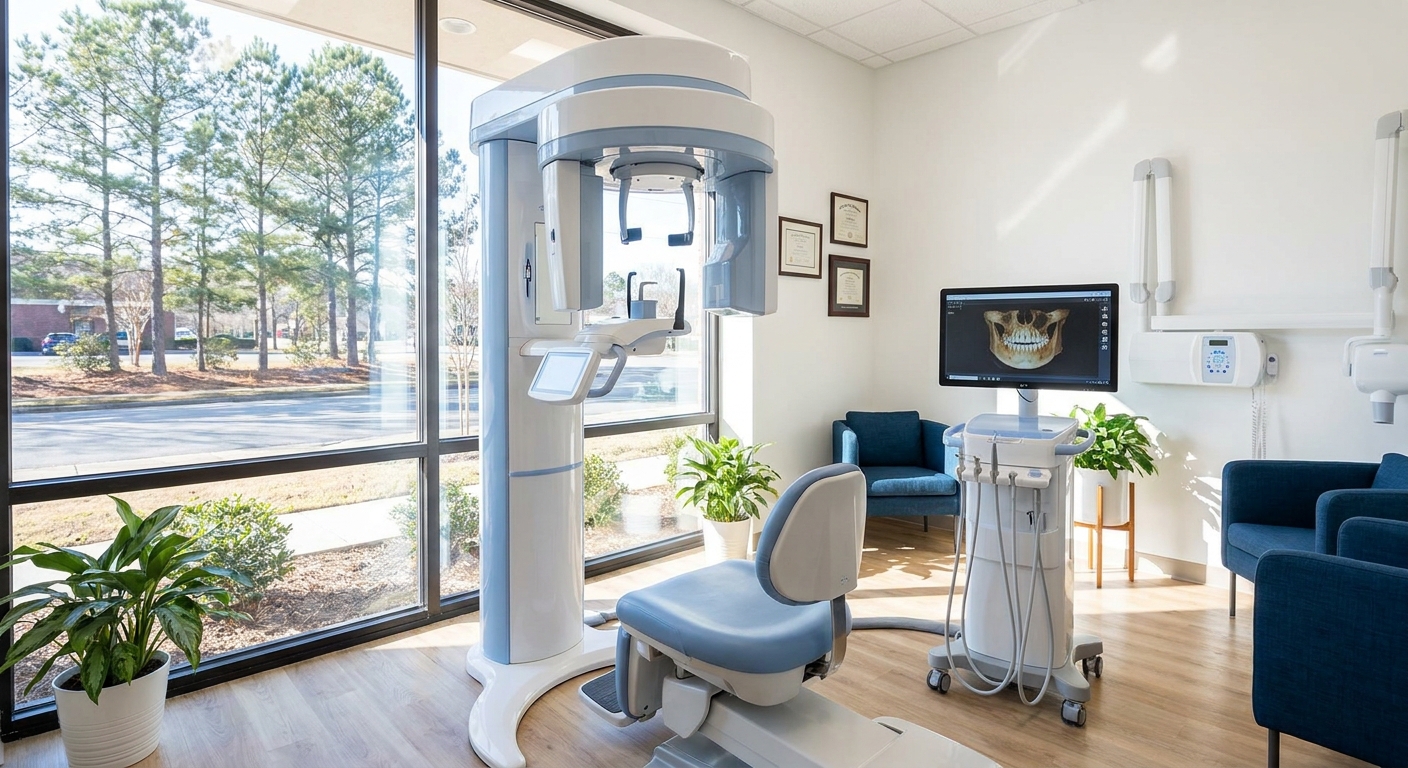
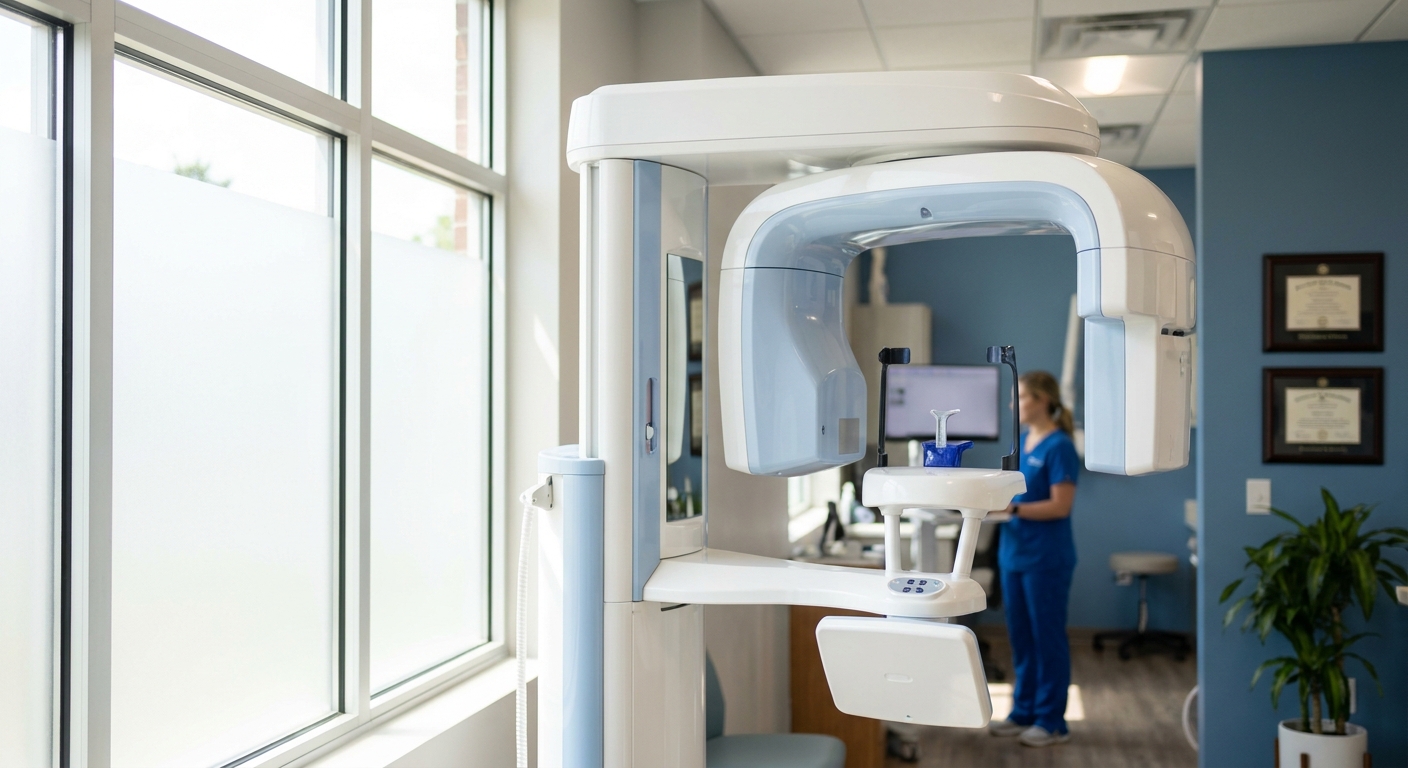
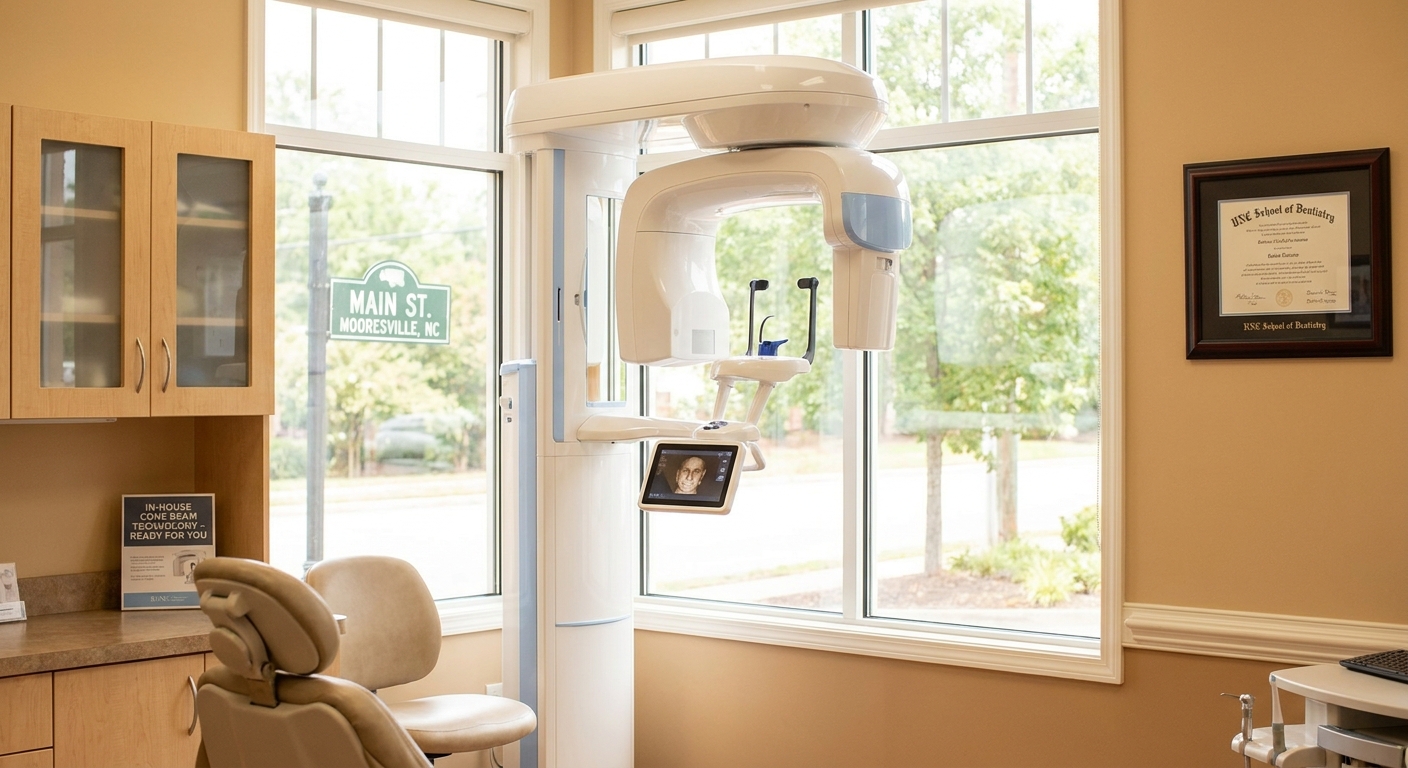
| 3D imaging | Visualize root canals, impacted teeth, and alignment issues to support surgical or orthodontic planning [8] |
| Periodontal charting | Measure gum pocket depths to diagnose and monitor gum disease progression [5] |
These diagnostic tools work together to ensure you receive a comprehensive view of your oral health. The data collected during this full mouth dental evaluation guides your dentist in creating an effective, personalized care plan.
Creating your treatment plan
After gathering exam results and diagnostic data, your dentist will craft a treatment plan tailored to your needs. They consider factors such as your risk assessment, lifestyle habits, and any existing dental work to recommend the most effective strategies. Delta Dental’s LifeSmile ScoreTM tool can help refine this plan by evaluating your individual risk for decay, gum disease, and oral cancer [2].
Your personalized plan may include preventive measures like fluoride treatments, restorations such as fillings or crowns, or referrals to specialists for orthodontic or periodontal care. Open communication with your dentist ensures that you understand each recommendation and feel confident about the proposed steps. Following this plan diligently sets the stage for long-term oral health and helps prevent future complications.
Ready to take the next step? Schedule your full dental exam appointment today to review your custom care plan and start treatment.
Preparing for your appointment
When you book your new patient dental exam, a few simple steps will make your visit smoother. Confirm your appointment date, time, and location, and gather any past dental records or X-rays if available. Jot down questions or concerns—whether it’s about tooth sensitivity, whitening options, or routine oral care—to discuss with your dentist during your visit. Brush and floss thoroughly before you arrive to help your hygienist work more efficiently and give you the clearest exam possible.
Arriving 10 to 15 minutes early provides time to complete any remaining paperwork and settle in. If you experience dental anxiety, consider communicating your concerns when you check in so the team can offer relaxation techniques or accommodations. A little preparation goes a long way in ensuring that your first experience is both comfortable and productive.
Managing cost and insurance
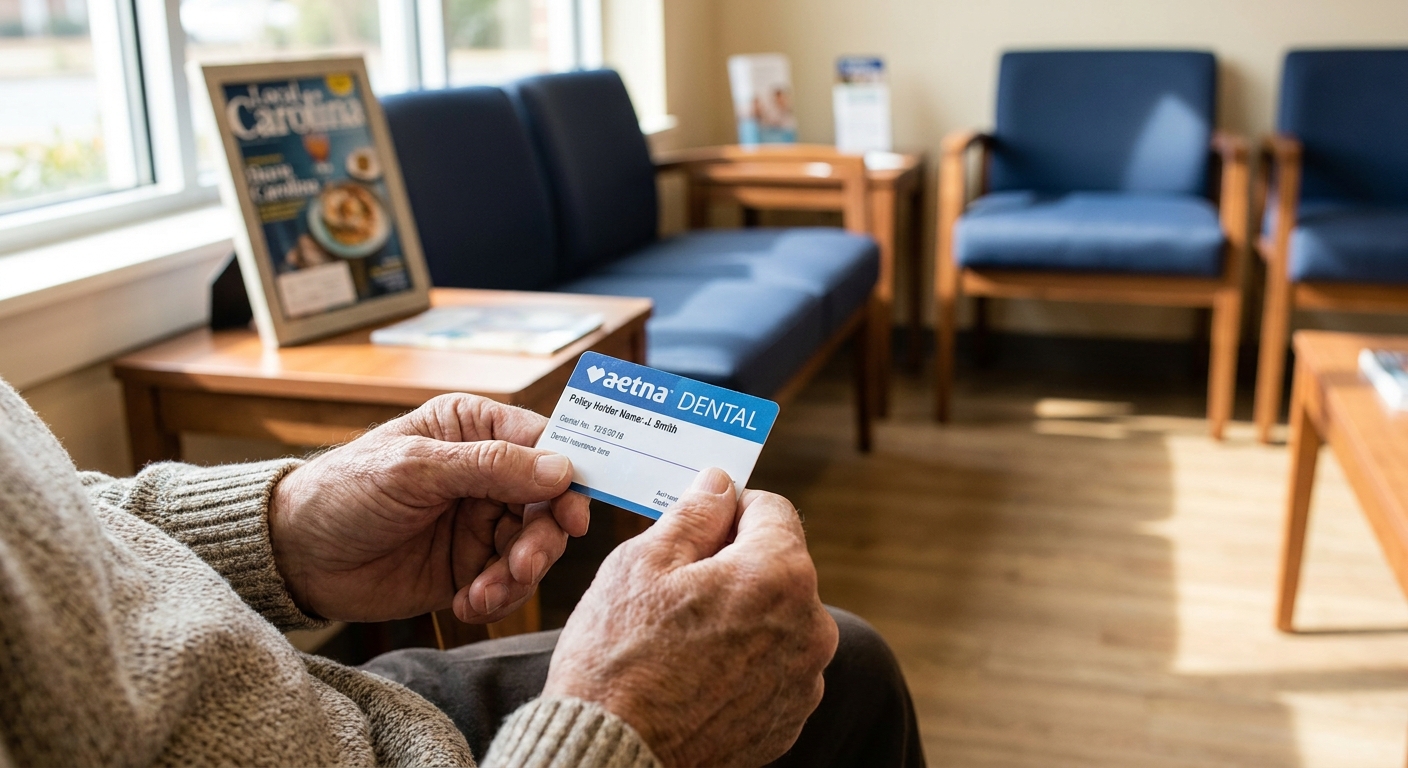
Understanding the cost of your complete dental checkup helps you plan and avoid surprises. Without insurance, a thorough exam and cleaning typically ranges from $80 to $200, increasing to $300–$400 if X-rays or deep cleaning are included [3]. With most dental insurance plans, routine preventive visits are covered at 100%, making regular checkups a highly cost-effective strategy.
If you’re uninsured or need additional treatments, options like flexible spending accounts (FSA), health savings accounts (HSA), or financing through CareCredit can help spread out payments [9]. Establishing care with a clinic that offers transparent pricing and payment plans can further reduce financial stress and encourage you to stay consistent with your oral health routine. Don’t let cost stand in the way of your dental health—discuss all your payment options with your provider before your appointment.
Scheduling your checkup
Taking the first step toward better oral health is as simple as finding a dentist who meets your needs. You can search for a dentist accepting new patients or dentist accepting adult patients in your area and book your visit online. Many practices offer flexible hours and same-day openings for new patient dental visits.
Ready to get started? Schedule dental exam today to secure your spot.