When you schedule a complete oral health exam, you’re taking an important step toward maintaining a healthy, confident smile. A thorough evaluation goes beyond just a cleaning; it establishes a baseline for your dental health and helps detect issues before they become costly or painful. In fact, a full dental exam is recommended for most adults twice a year to prevent serious oral health problems [1]. By understanding what happens during your first visit, you can arrive informed, relaxed, and ready to collaborate with your new dental team.
This article walks you through each phase of your complete oral health exam, from gathering information before you arrive to the follow-up plan your dentist creates for your long-term oral wellness. Whether you haven’t seen a dentist in years or simply want a more comprehensive checkup, these tips will help you make the most of your appointment.
Complete oral health exam overview
A complete oral health exam, sometimes called a comprehensive dental evaluation, is more detailed than a routine checkup. It combines a professional cleaning with a thorough inspection of your teeth, gums, bite and soft tissues to spot any early warning signs of decay, gum disease or other issues. Both a dental hygienist and a dentist typically collaborate on this exam to ensure nothing is overlooked [1].
During your visit, the hygienist will remove plaque and tartar buildup, polish your teeth and floss between each tooth. Then the dentist steps in to review your medical history, examine your mouth visually and with instruments, and discuss any concerns you have. This team approach not only cleans your teeth but also lays the groundwork for personalized care.
By the end of the exam, you’ll understand your current oral health status and receive clear guidance on any preventive or restorative treatments you may need. If you’re new to a practice, this visit often serves as your new patient dental visit or initial dental consultation, setting the tone for a lasting dental-care relationship.
Prepare for your first visit
Showing up ready helps you get the most from your complete oral health exam. Start by gathering key information and materials well before your appointment.
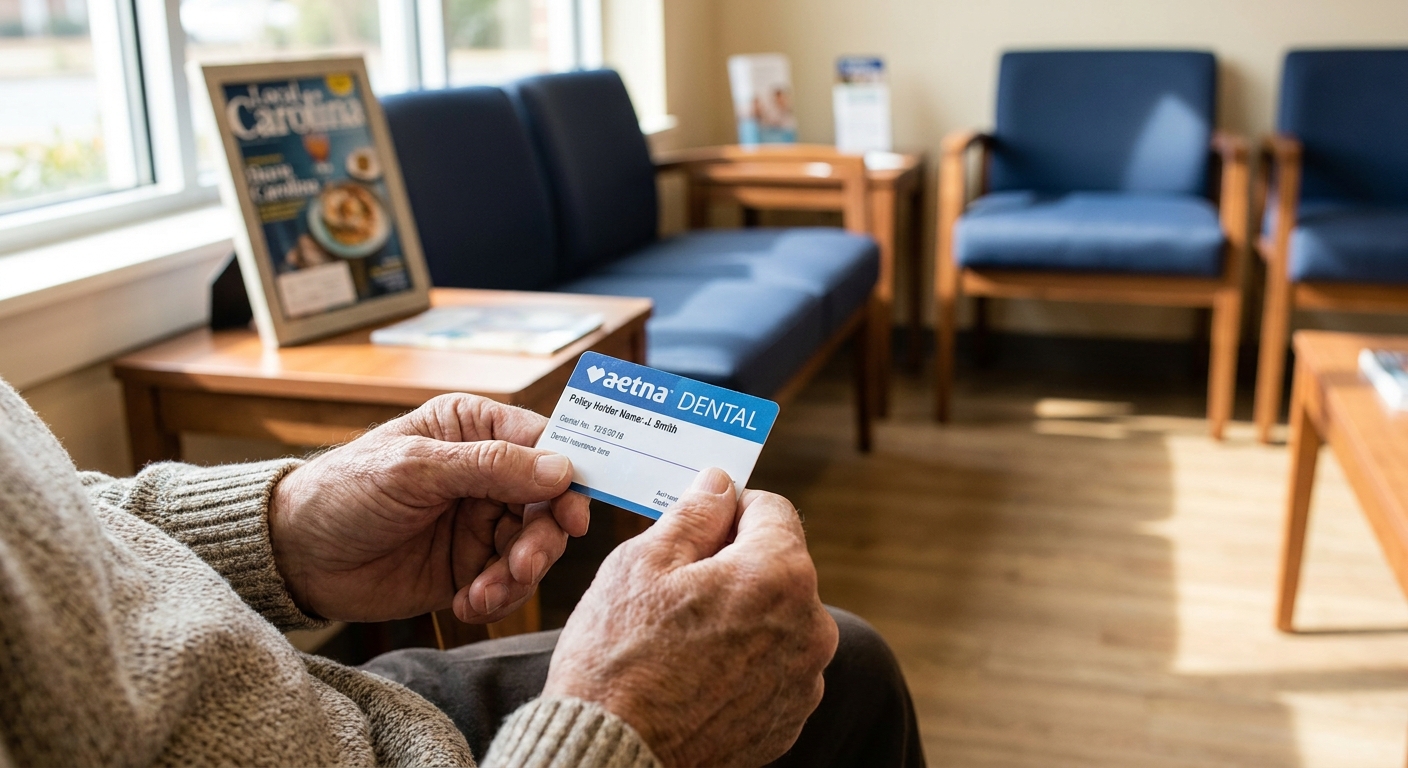
- Identification and insurance card, if applicable
- List of current medications, supplements and any allergies
- Records or X-rays from a previous dentist, if available
- Any forms provided by the office, filled out in advance
- A written list of questions or concerns you want to address
Having this information on hand speeds up registration and gives your dentist a fuller picture of your overall health. If you’re unsure what to bring, call ahead and ask what the office requires for a new patient dental exam or full dental exam appointment.
It also pays to review your medical history before you arrive. Changes in medications, recent surgeries or chronic conditions like diabetes can influence both your treatment plan and the timing of certain procedures. Finally, let the office know if you have any anxiety about dental visits—they can often offer nitrous oxide or other comfort measures to help you stay relaxed throughout the exam.
Undergo key diagnostic steps
Your complete oral health exam follows a structured process designed to catch issues you might not notice yourself. The table below summarizes each diagnostic step and its purpose.
| Procedure | Purpose |
|---|---|
| Medical history review | Understand overall health, medications and risk factors |
| Visual examination | Detect cavities, inspect existing restorations and evaluate soft tissues |
| Periodontal evaluation | Measure gum pocket depths to identify gingivitis or periodontitis |
| Dental X-rays | Reveal hidden decay, bone loss and other issues beneath the gum line |
| Oral cancer screening | Spot abnormal sores, lumps or discolored tissue on the lips, tongue and cheeks |
| Bite assessment | Evaluate tooth alignment, jaw function and detect issues like TMJ disorders or uneven wear |
Patient interview and history
Your dentist begins by reviewing your medical and dental history in detail. This includes any chronic conditions, medications, allergies and past procedures. Even if you feel healthy, disclosing everything helps your provider anticipate potential complications. For example, certain heart medications or orthopedic implants may require a pre-visit antibiotic or a modified cleaning technique.
During this conversation, don’t hesitate to mention symptoms you’ve noticed—sensitivity, jaw pain or frequent bleeding when you floss. These clues guide your dentist to focus on areas that might be at risk. Ultimately, a comprehensive dental health assessment builds a tailored roadmap for your care.
Visual and periodontal exam
Next comes a close visual inspection of your teeth and gums. Using mirrors and dental explorers, your dentist checks for cracks, chips, cavities and the condition of past fillings or crowns. They’ll also examine soft tissues—lips, cheeks, tongue, floor and roof of the mouth—for redness, swelling or unusual texture.
A periodontal probe measures the depth of pockets between your teeth and gums. Shallow pockets indicate healthy gums, while deeper readings (over 3 mm) can signal early or advanced gum disease. Identifying gingivitis at this stage means you can reverse it with improved home care and professional cleanings before it progresses to more serious periodontitis.
Imaging and X-rays
X-rays are a critical part of your exam because they uncover problems that aren’t visible to the naked eye. Your dentist decides which images you need based on your age, risk factors and exam findings.
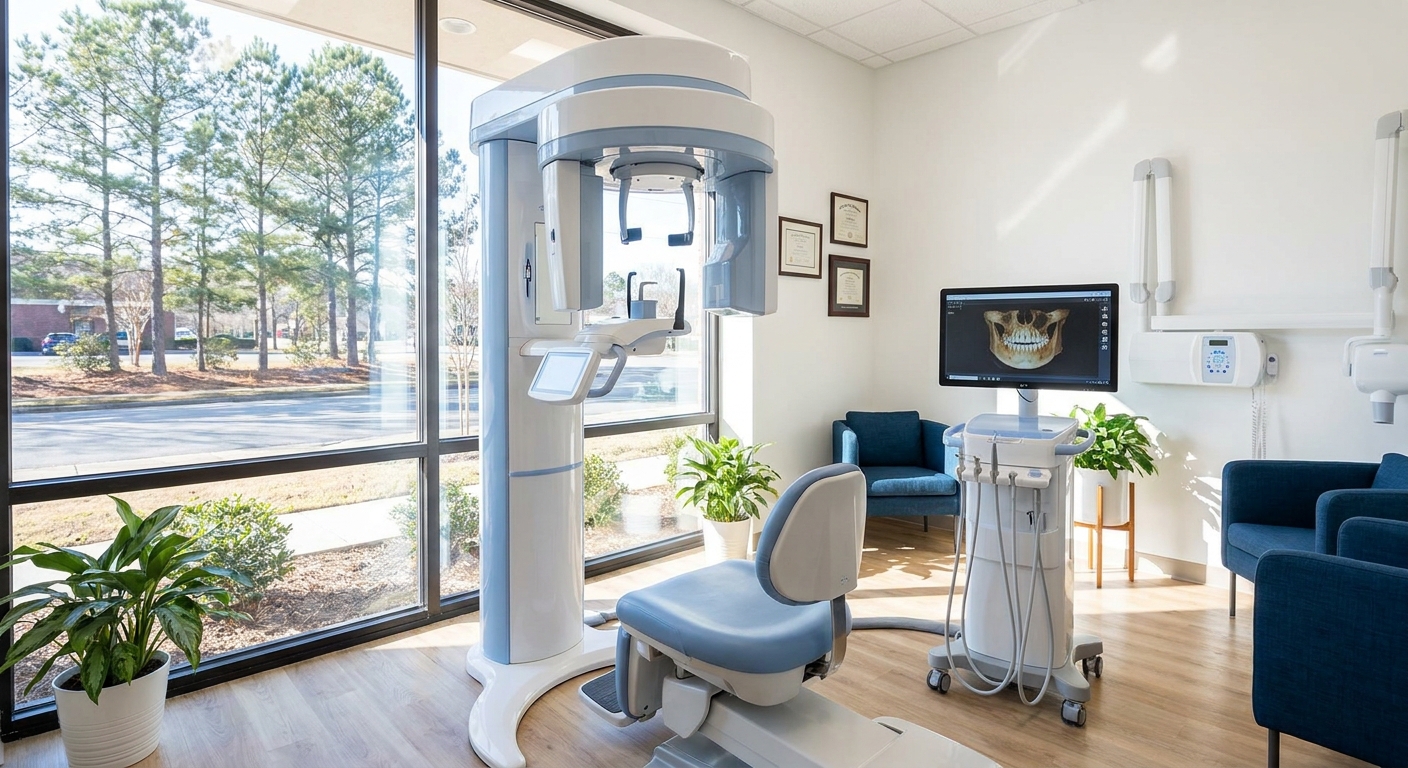
Full-mouth series
A full-mouth series comprises a set of about 14 images covering all teeth, jaw joints and surrounding bone structures. This series is typically taken once every three to five years as part of preventative dentistry [2]. These detailed images help diagnose bone loss from gum disease, abscesses or impacted teeth that could cause problems later on.
Bitewing X-rays
Bitewing images focus on the upper and lower back teeth in a single view and are taken more often—usually once a year. They excel at revealing interproximal cavities (those between teeth) and early bone loss. Because they use lower radiation than full-mouth series, bitewings are the go-to tool for routine monitoring of adult patients.
Oral cancer screening
Oral cancer screening is a fast but vital step. Your dentist visually and manually inspects all soft tissues in your mouth and throat, feeling for lumps, sores or discolorations that might indicate early-stage cancer or precancerous tissue. Detecting these signs early can be life-saving, since survival rates exceed 80 percent when oral cancers are caught promptly [3].
Bite evaluation
Finally, your dentist assesses how your upper and lower teeth come together. They look for misalignment, uneven chewing surfaces and signs of bruxism (tooth grinding). A problematic bite can contribute to chronic headaches, jaw pain or uneven wear patterns that shorten the lifespan of your restorations. Addressing these issues early—through orthodontics, nightguards or selective reshaping—protects both function and comfort.
Discuss findings and treatment
Once diagnostics are complete, your dentist sits down with you to review the results. In this collaborative conversation, you’ll learn which areas are healthy, which require monitoring and which need immediate attention. A typical review covers:
• What the X-rays revealed about decay, bone health or hidden issues
• Gum probe readings and any evidence of periodontal disease
• Soft-tissue observations, including spots that may need biopsy or further evaluation
• Bite imbalances and wear patterns that could affect jaw health
Listening closely during this discussion ensures you understand each recommendation. Ask questions about alternative treatments, expected timelines and comfort options so you can make decisions that fit your lifestyle and budget.
Create your treatment plan
Based on your exam, your dentist crafts a personalized treatment plan that balances urgency with preventive care. This plan may include:
• Professional cleanings at three- or six-month intervals
• Fillings, sealants or replacement of old restorations
• Gum therapy, scaling and root planing or referral to a periodontist
• Orthodontic or occlusal appliances to correct bite issues
• Oral hygiene coaching to improve brushing and flossing techniques
By mapping out short-term fixes and long-term goals, you leave the appointment with clear next steps and confidence in your path forward. If you’re looking for a general dentist appointment or want to establish care, this plan becomes your roadmap.
Schedule your follow-up care
Maintaining the health you’ve established requires regular checkups. Most patients benefit from a comprehensive oral exam every six months, although those with gum disease or a history of oral cancer may need visits three to four times a year [4]. The American Dental Association echoes this biannual recommendation for adults to establish a health baseline and catch early signs of trouble [5].
Your risk factors—such as smoking, diabetes or dry mouth—also influence visit frequency. A free online risk assessment like Delta Dental’s LifeSmile Score™ can help you and your provider customize an exam schedule that fits your needs [6]. Whether you’re due for a preventive dental exam appointment or need to book a routine dental checkup appointment, setting reminders now keeps your smile on track.
Ready to experience your most informative dental visit yet?
Visit our schedule dental exam today page or call our office to secure a time that works for you. Your future self will thank you.