Understand comprehensive dental evaluation
When you step into a practice for a comprehensive dental evaluation, you’re signing up for more than a routine checkup. This in-depth process reviews every aspect of your mouth, from tooth surfaces to gum tissues. Think of it as a complete oral health exam that lays the groundwork for prevention and treatment. By choosing a full mouth dental evaluation or dental exam for adults, you ensure your smile gets the attention it deserves.
A comprehensive dental evaluation involves a holistic approach rather than just checking teeth, to identify and address dental issues before they escalate, as explained by Dental Nation in Las Vegas, NV [1]. During your initial dental consultation, your dentist will establish a baseline of your oral health and outline steps to keep it on track. Starting with a thorough evaluation builds trust, shapes individualized care, and paves the way for lasting oral health.
Early detection can transform your treatment options.
Prepare for your first visit
Before your first appointment, gather key information to make your new patient dental visit as efficient as possible. Whether you’re booking a first dental visit appointment or looking for a dentist accepting new patients, preparation helps you get the most out of your time in the chair.
Below is what you should bring:
- Past dental and medical records, including X-rays and treatment summaries
- A list of all medications, supplements, and known allergies
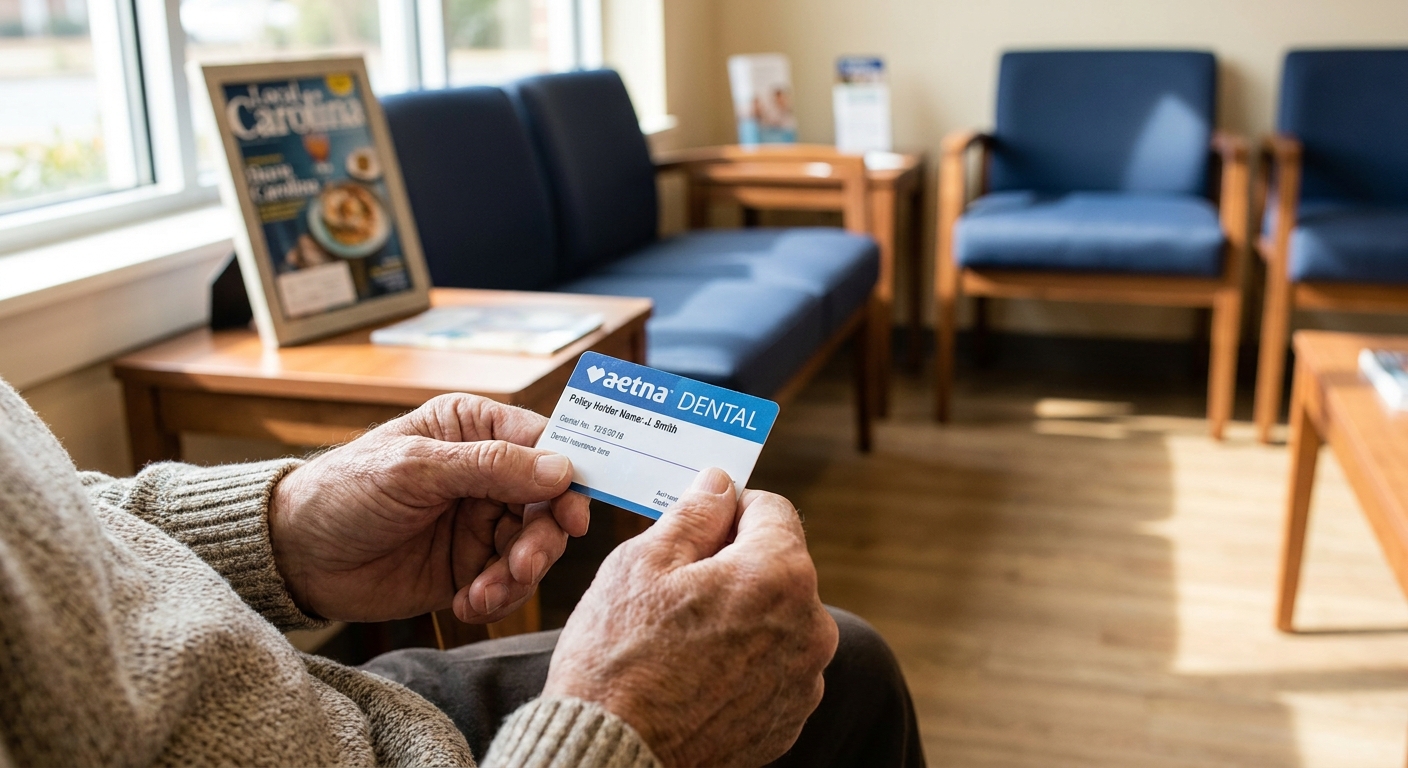
- Your dental insurance card or payment information
- A written list of questions about your oral health goals and concerns
Arriving a few minutes early also gives you time to complete any office forms and discuss your history with the front desk. If you haven’t scheduled yet, you can easily schedule dental exam today. Clear communication is key to a productive visit.
Explore diagnostic assessments
Your comprehensive dental evaluation includes several diagnostic assessments that work together to form a full picture of your oral health. Each step reveals specific details that influence your treatment plan and preventive care.
History review
Your dentist reviews your medical and dental history, including ongoing conditions, medications, and allergies, to tailor care appropriately [1]. This conversation covers surgeries, systemic health issues like diabetes, and even lifestyle factors such as smoking or diet. By understanding your unique background, your clinician can anticipate risk areas and recommend targeted interventions.
Oral cancer screening
A quick, painless screening examines your lips, tongue, throat, gums, and other soft tissues for sores, lumps, or irregularities that could signal early stages of oral cancer [2]. Detecting changes at this stage dramatically improves treatment success. Your dentist gently inspects every surface with bright light, ensuring no area goes unchecked.
Periodontal examination
Gum health is measured using a periodontal probe to check pocket depths around your teeth, looking for signs of gingivitis or periodontitis [2]. A healthy pocket depth is one to three millimeters. If measurements exceed that range, your dentist will customize preventive or therapeutic strategies to halt disease progression. The dental mirror also helps visualize hard-to-see areas efficiently [3].
Dental imaging
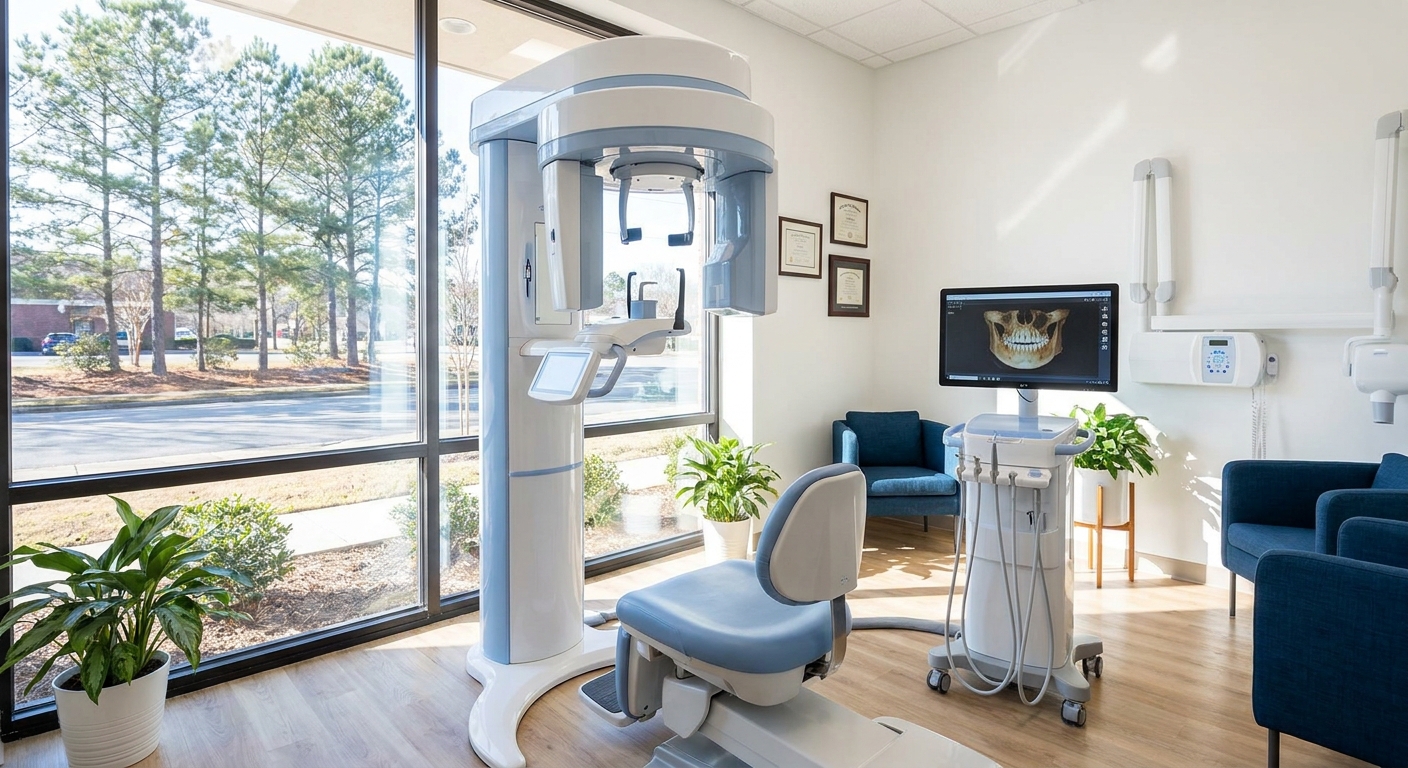
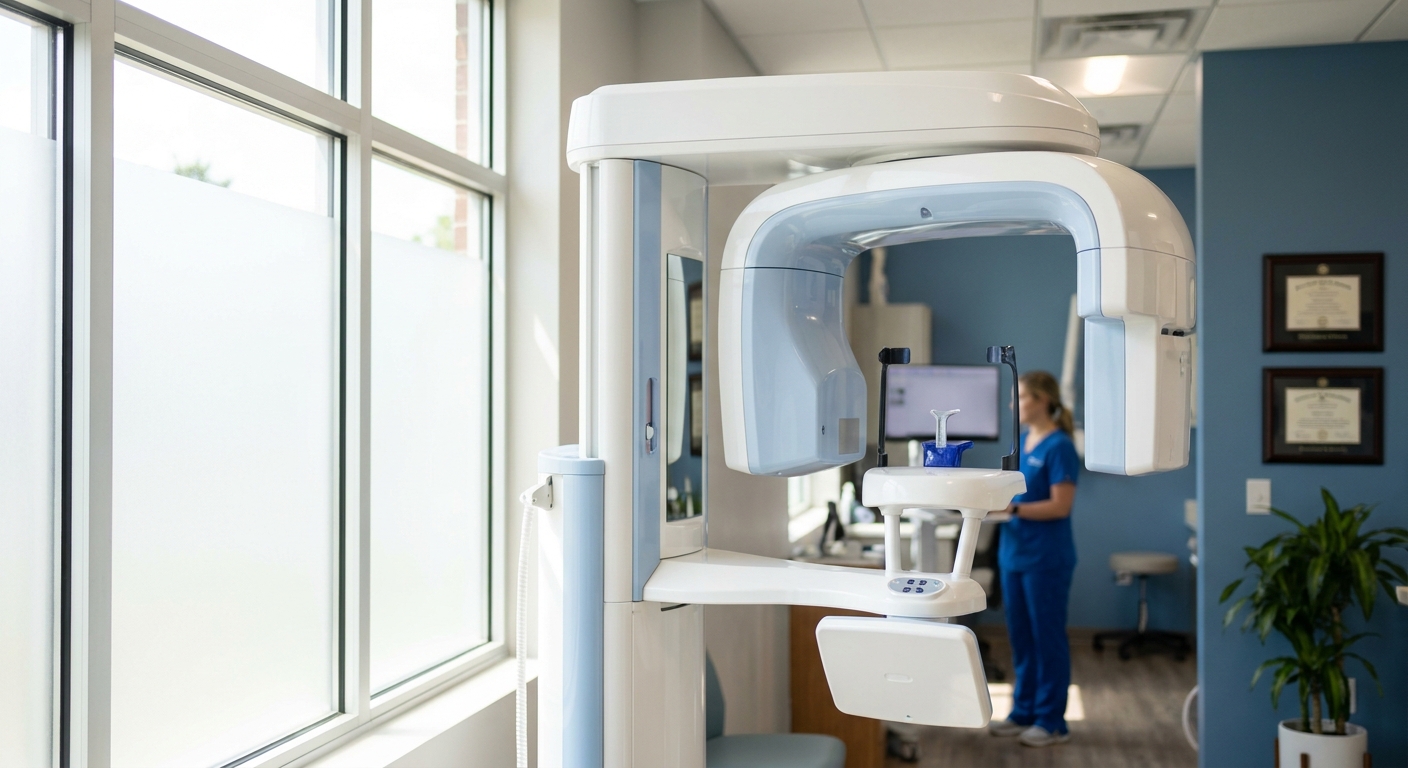
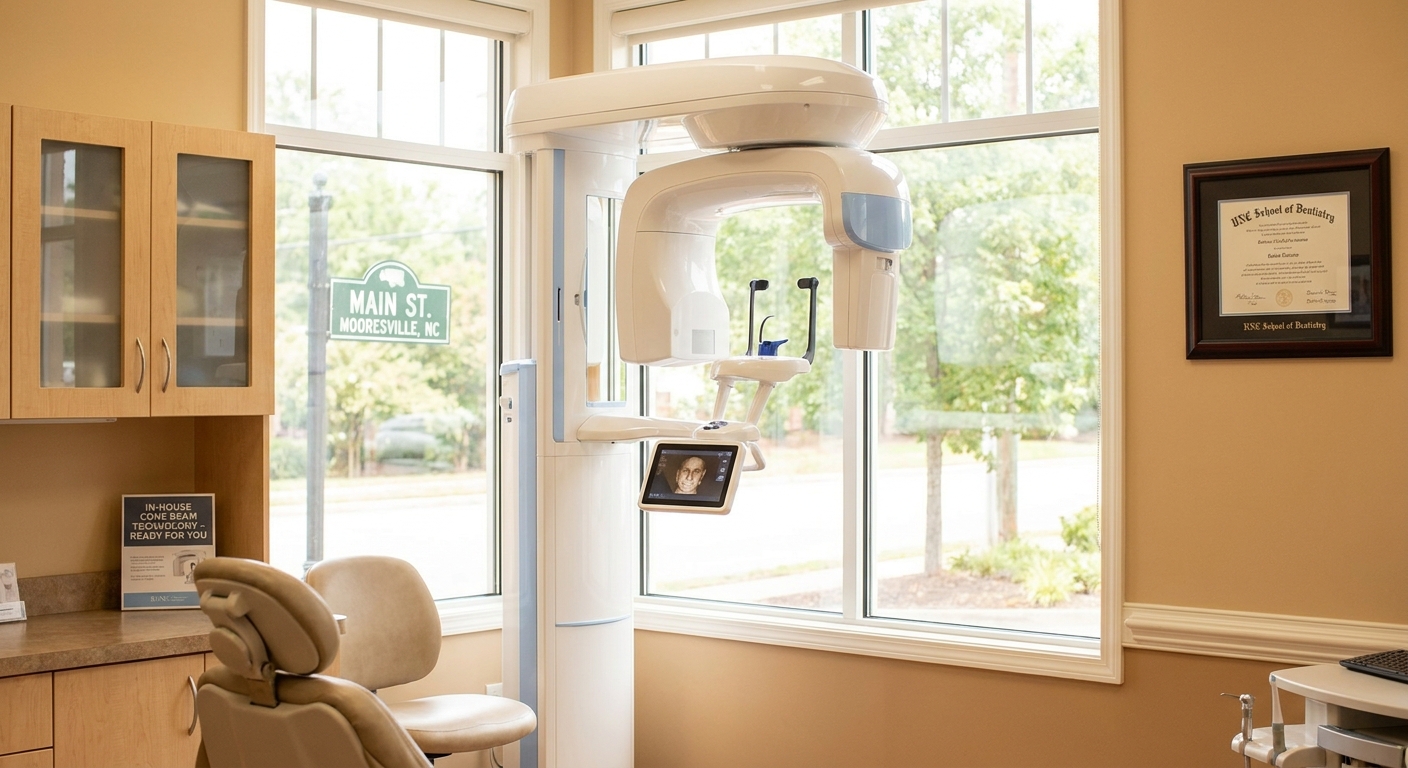
Advanced diagnostic tools such as X-rays, 3D imaging, and intraoral cameras allow detection of hidden issues below the gum line, including cavities, cysts, impacted teeth, or bone loss [1]. Some practices also capture clinical photographs of your soft tissues and tooth surfaces to track changes over time [4]. These images guide precise treatment planning and can be reviewed with you to illustrate the state of your oral health.
| Assessment | Tool | Purpose |
|---|---|---|
| History review | Patient questionnaire | Tailor dental care to your medical background |
| Oral cancer screening | Visual examination | Detect early signs of cancer in soft tissues |
| Periodontal examination | Periodontal probe & mirror | Measure gum health and pocket depths |
| Dental imaging | X-rays, 3D scans, cameras | Identify hidden decay, bone issues, and anomalies |
At Canyon Dental Associates, these assessments form the core of every comprehensive dental evaluation, ensuring nothing is overlooked [2]. Together, they give your dentist a complete picture of your oral health.
Plan personalized care
Once your dentist has completed the diagnostic phase, the next step is creating an individualized treatment and maintenance plan. This plan factors in your unique risk profile, oral health goals, and lifestyle habits.
Tailored checkup frequency
Your optimal recall schedule depends on risk factors such as gum disease, cavity history, smoking, diet, medications, and systemic health issues like diabetes, as outlined by Filbrun Family Dentistry in Modesto, CA in 2023 [5]. High-risk patients may need visits every three to four months, moderate-risk every six months, and low-risk patients might maintain annual checkups. This risk-based approach helps catch problems early and reduces the need for invasive treatments.
Co-occurring condition evaluation
If you have co-occurring conditions—such as TMJ disorders, sleep apnea, or anxiety—your dentist incorporates those factors into your plan. They coordinate with specialists as needed, whether that means a referral to an oral surgeon or collaboration with your physician. Addressing these related health concerns supports holistic wellness and prevents complications that might affect your oral health.
Your personalized plan evolves as your needs change.
A comprehensive dental evaluation can reveal issues that imaging alone might miss, preventing misdiagnoses such as persistent mandibular pain hinging on periradicular periodontitis [6]. By establishing a detailed baseline during your dental health assessment, your dentist can adjust treatment protocols and follow-up schedules to match your progress.
Maintain long-term oral health
A comprehensive dental evaluation is only the start of your journey. To keep your smile healthy between visits, you’ll incorporate daily habits, routine preventive care, and periodic professional checkups into your lifestyle. Consistent home care reduces the burden on your dentist and lowers treatment costs over time.
Effective home care involves brushing twice a day with fluoride toothpaste, flossing once daily, and using an antiseptic mouthwash if recommended. You should also maintain a balanced diet low in sugary snacks and acidic beverages. Regular hydration supports saliva production, which naturally protects tooth enamel. If any questions arise about your routine, bring them to your next routine dental checkup appointment.
For most patients, receiving a comprehensive oral exam every six months is recommended, but those with gum disease or a history of oral cancer may need more frequent evaluations [7]. At each general dentist appointment, your clinician reviews your progress, updates imaging or exams as needed, and revises your plan if risk factors change.
Consistency is the cornerstone of lasting oral health.
If it has been more than six months since your last exam—or if you’ve noticed pain, sensitivity, or bleeding gums—don’t wait. Take charge of your health by booking a preventive dental exam appointment or full dental exam appointment today.
Invest in your smile today by booking your next exam.