When you face a fractured, worn, or weakened tooth, finding the right damaged tooth treatment dentist can mean the difference between preserving your natural smile and facing more complex procedures down the road. Early evaluation and timely intervention help maintain chewing function, prevent infection, and protect your investment in oral health. In this guide, you’ll learn how dentists identify structural damage, assess severity, explore treatment options, and ensure long-term stability for fractured, worn, and weakened teeth.
Identifying damage types
Before any repair begins, your dentist must distinguish among the various forms of tooth damage. Each type demands a different approach to restoration and aftercare.
Fractures and cracks
Cracked or fractured teeth can range from tiny craze lines in the enamel to deep splits that extend into the pulp chamber. You might notice sharp pain when biting or temperature sensitivity that lingers long after a cold drink. A fractured tooth dentist appointment typically involves gentle probing to localize cracks and a bite test to reproduce pain. According to Cleveland Clinic, timely attention is crucial because severe cracks allow bacteria to enter the pulp, risking abscess formation and eventual tooth loss [1].
Enamel wear
Over time, enamel erodes from acid exposure, aggressive brushing, or bruxism. You may see flattened chewing surfaces, yellowing, or increased sensitivity when enamel thins. Identifying wear patterns during an exam with a dentist for cracked enamel can reveal habits like grinding or acidic diets. Left unchecked, enamel loss accelerates underlying dentin exposure and structural weakening.
Weakened structure
Teeth injured by decay, prior large restorations, or root canal treatment often lack the internal strength to withstand normal bite forces. Microfractures can occur around old fillings or at the margins of crowns. A dentist for weakened teeth will assess residual tooth structure to determine whether reinforcement or an entirely new restoration is required.
Trauma injuries
Blunt force from accidents or sports can displace, chip, or crack teeth. Immediate evaluation by a dentist for dental trauma is essential. If the tooth’s nerve remains intact, surrounding tissues heal in about six weeks; however, displacement often needs splinting for two weeks to allow root reattachment [2]. Untreated trauma may lead to pulp death, infection, and eventual loss.
Evaluating damage severity
Once damage types are identified, your dentist will gauge how deeply and widely the injury extends. Severity guides both urgency and choice of treatment.
Clinical examination
A thorough visual and tactile exam often reveals most enamel and structural issues. Your dentist checks for sharp edges, discoloration, swelling, and soft-tissue changes. Probing around the gum line can detect hidden fractures, while transillumination (shining light through the tooth) highlights cracks invisible to the naked eye. This foundational step ensures that no damage goes unnoticed.
Imaging techniques
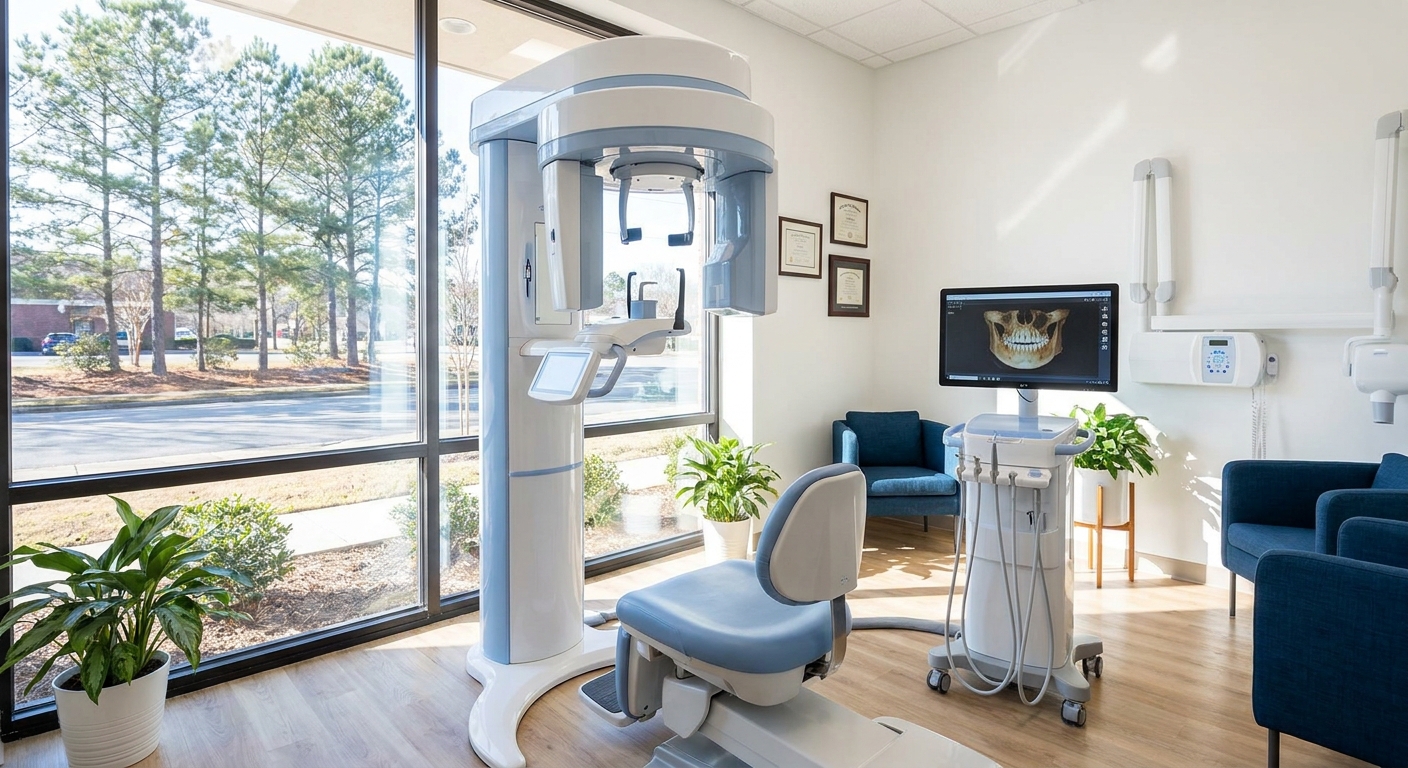
X-rays and cone-beam computed tomography (CBCT) offer three-dimensional insight into cracks, root fractures, and bone involvement. CBCT is especially useful when conventional radiographs fail to show fine splits in roots or jawbone changes after trauma. Your dentist may order scans when planning complex restorations, such as implant placement or surgical tooth rescue.
Bite testing
Reproducing your biting patterns in a controlled way helps pinpoint the exact location and severity of cracks. Using colored articulation paper or specialized devices, your dentist evaluates how forces distribute across the tooth. Uneven pressure often corresponds to tiny micro-fractures that would otherwise go untreated.
Risk assessment
Dentists weigh factors such as tooth position, occlusion (bite alignment), and your oral habits—grinding, nail-biting, or chewing hard foods. A high-risk profile might justify more protective treatments even for minor cracks. For example, a molar under heavy bite forces may need a crown sooner than a front tooth with the same crack depth.
Repair options overview
After assessment, your dentist presents a spectrum of treatment strategies. These range from simple bonding to full surgical interventions, each with its own recovery profile and lifespan.
| Treatment category | Description | Typical applications |
|---|---|---|
| Direct restorations | Chairside procedures using composite materials | Small chips, superficial cracks, cavities |
| Indirect restorations | Lab-fabricated onlays, crowns, veneers | Moderate to severe enamel loss, large fractures |
| Surgical interventions | Root canal therapy, implant placement, splinting | Pulpal damage, tooth loss, severe trauma |
This table helps you understand when a minimally invasive filling suffices and when a more extensive solution makes sense. Your dentist will guide you toward the best balance of durability, cost, and tooth preservation.
Restorative treatment methods
Digging deeper into specific treatments clarifies what you can expect during and after each procedure.
Dental bonding
Dental bonding uses a tooth-colored composite resin applied directly to the damaged area. It’s an efficient, single-visit solution for small chips, minor fractures, and cavity repairs. After cleaning the site, your dentist roughens the enamel, applies an adhesive, sculpts the resin, and then cures it with UV light. Results can last up to ten years with proper care [3].
Bonding preserves most of the natural tooth structure. It’s particularly useful when you need a quick fix before a major event, or when budget and time constraints limit options. Note that composite resin can stain over time, so routine polishing and avoiding highly pigmented foods extends its lifespan.
Veneers and crowns
When damage is more extensive, laboratory-fabricated veneers or crowns offer superior strength and longevity. Veneers cover only the front surface of your tooth, masking deep stains, minor chips, and small cracks. Crowns encase the entire visible portion, providing reinforcement for teeth weakened by decay or large fillings.
According to Penn Dental Medicine, veneers can last over 30 years with good oral hygiene, while crowns often exceed 15 years before needing replacement [4]. Porcelain and ceramic materials deliver lifelike aesthetics, and metal-ceramic options give extra durability for back teeth.
Inlays and onlays
Inlays and onlays bridge the gap between fillings and crowns. Cast in metal, composite, or porcelain, they fit precisely into or onto the chewing surface. Inlays fill cavities within the tooth’s cusps, while onlays extend over one or more cusps to protect the chewing surface.
Custom fabrication in a lab ensures excellent fit and longevity. These indirect restorations reinforce remaining tooth structure, reducing the risk of future cracks. Patterson Family Dental notes that inlays and onlays are ideal for teeth with moderate damage where a full crown would remove too much healthy enamel [5].
Root canal therapy
If a crack or trauma has invaded the pulp, root canal therapy becomes necessary to remove infected nerve tissue and seal the canals. The procedure relieves pain, prevents infection spread, and allows your dentist to restore the tooth’s external structure with a crown. Without root canal treatment, a damaged tooth risks discoloration, persistent infection, and eventual extraction [2].
Modern endodontic techniques often use rotary instruments and digital imaging to improve accuracy and reduce treatment time. After therapy, you’ll see a significant drop in discomfort within the first week, though sensitivity may linger slightly before full healing occurs [6].
Splinting and implants
For teeth loosened by trauma, dentists use flexible splints bonded to adjacent teeth for about two weeks, allowing the root to reattach and bone to stabilize. When a tooth cannot be saved, extraction followed by a dental implant offers a permanent solution that mimics natural tooth roots.
Splinting protects the injured tooth during healing, while implants provide long-term structural support without compromising neighboring teeth. If you require a dentist for tooth trauma evaluation, they will determine if splinting, extraction, or implant placement best suits your condition.
Preserving long-term health
Repairing damage is only the beginning. Maintaining the results requires diligent aftercare, preventive routines, and timely follow-ups.
Immediate aftercare
Right after treatment, follow your dentist’s guidelines to control swelling and discomfort. For direct restorations and crowns, avoid chewing hard foods for at least 24 hours. If you underwent root canal therapy or implant surgery, gentle rinsing with warm salt water and prescribed pain control measures promote smooth healing [6].
Preventive maintenance
Preventing future damage centers on minimizing risk factors:
- Wear a custom nightguard if you grind or clench your teeth
- Use a sports mouthguard during athletic activities
- Brush gently with a soft-bristle toothbrush and fluoridated toothpaste
- Floss daily to avoid decay at the gum line
- Limit acidic or sugary foods and beverages
These habits safeguard enamel integrity and dramatically lower the chance of new fractures or wear.
Lifestyle modifications
Simple changes in daily life can protect your restorations. Avoid using teeth as tools to open packages or bite hard objects like ice or popcorn kernels. Maintain a balanced diet rich in calcium and phosphorus to support enamel health. If you smoke, quitting reduces dry mouth and staining, prolonging the life of composite and ceramic restorations.
Follow-up appointments
Regular checkups—typically every six months—allow your dentist to monitor restorations and detect early signs of wear or recurrent decay. A tooth damage assessment dentist can adjust or repair minor issues before they escalate into major treatments. Prompt interventions save time, money, and natural tooth structure.
With a clear understanding of how dentists identify damage, evaluate severity, and select targeted repair methods, you’ll be empowered to choose a path that protects both function and appearance. By combining professional care with diligent at-home maintenance, you can preserve your smile for decades to come. For more on assessing and treating specific conditions, explore our resources on dentist for structural tooth damage and assessment for tooth repair.