Why dental exams matter
Your dental exam for adults does more than assess whether your smile looks its best. It functions as a critical preventive tool that can save you time, discomfort, and expense down the road.
Early issue detection
Cavities often begin as tiny areas of demineralization in tooth enamel and may not cause pain until they reach the inner layers. During your exam a dental professional uses visual inspection and gentle probing to spot these early lesions. Detecting and filling small cavities prevents the need for root canals or crowns later on, allowing you to maintain strong, healthy teeth. Regular dental checkups are essential for adults to detect dental issues such as cavities, gum disease, and oral infections early, allowing for easier and more effective treatment before symptoms become severe [1].
Systemic health screening
Your mouth often reflects overall health, making oral exams an opportunity to screen for systemic conditions. Dentists examine your gums for signs of inflammation that may correlate with diabetes, and look for tissue changes that could signal vitamin deficiencies or immune disorders. Reports show that adult dental exams involve a thorough evaluation of the entire oral cavity—including tongue, throat, and jaw—which can reveal signs of heart disease or nutritional imbalances linked to oral changes [1].
What happens during an exam
Stepping into a full dental exam appointment offers a series of focused steps designed to give you a complete picture of your oral health. A systematic approach ensures no detail is overlooked and that every part of your mouth receives attention.
Cleaning and hygiene
First, a dental hygienist or assistant removes plaque and tartar buildup that at-home brushing cannot eliminate. This professional cleaning reduces your risk of tooth decay and periodontal disease, two leading causes of tooth loss [1]. The hygienist may use ultrasonic instruments to dislodge hardened deposits, followed by polishing to smooth tooth surfaces. By eliminating these bacterial reservoirs you lower inflammation and improve gum health.
Oral evaluation
Next your dentist conducts a comprehensive dental evaluation to assess tooth structure, bite alignment, and gum attachment. This visual and tactile assessment can identify cracks, worn restorations, or early gum recession. A thorough evaluation also provides an opportunity to review your dental history and discuss any concerns you may have about sensitivity, past treatments, or aesthetic preferences. By the end of this stage you will have a clear understanding of your oral condition and any areas needing attention.
X-rays and imaging
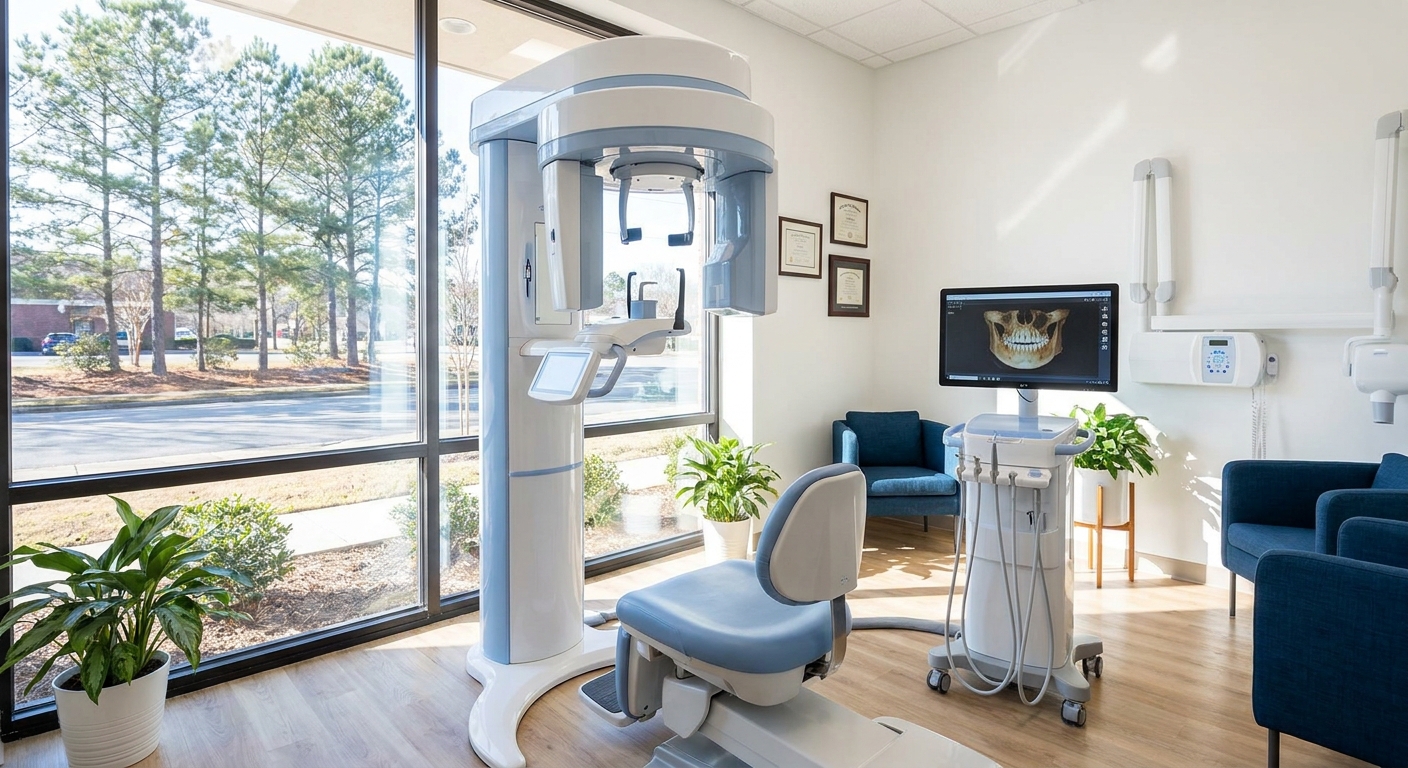
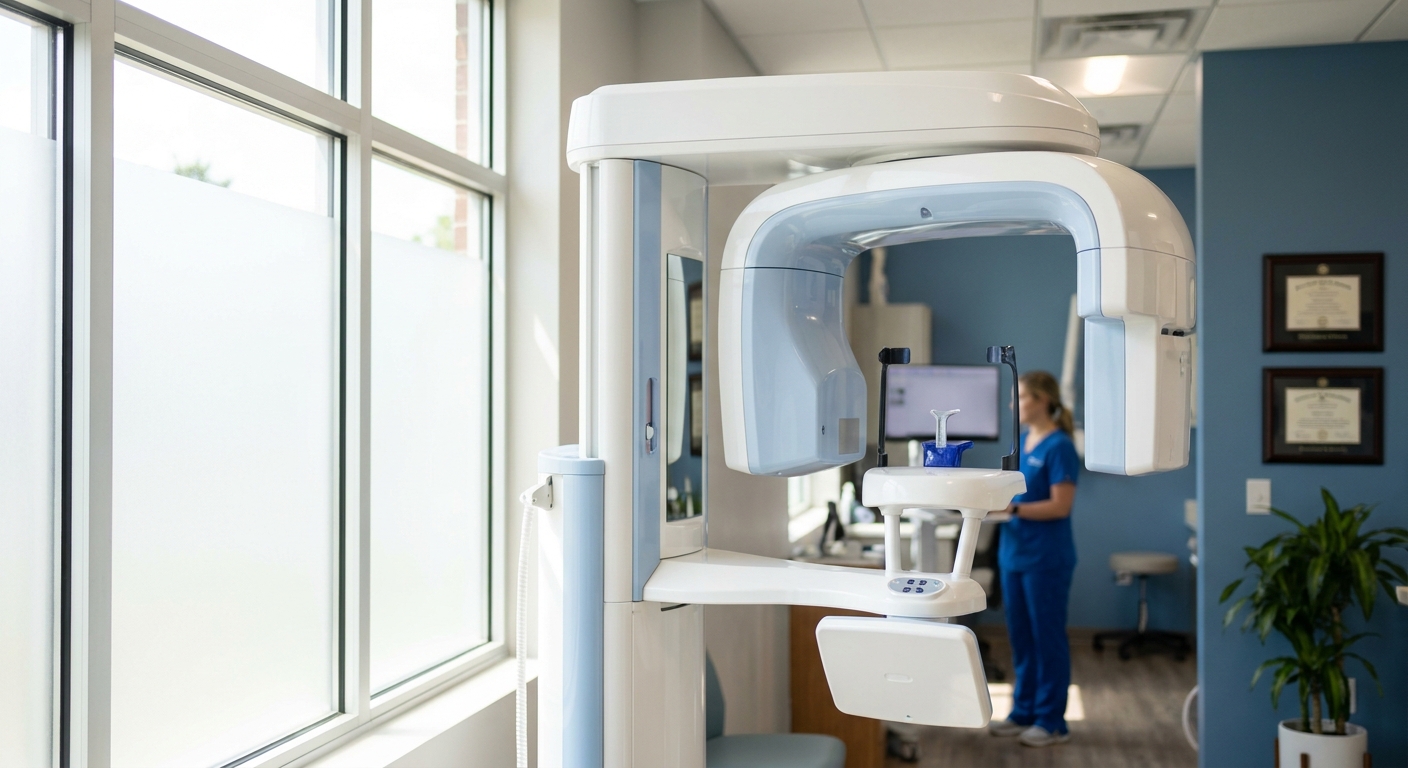
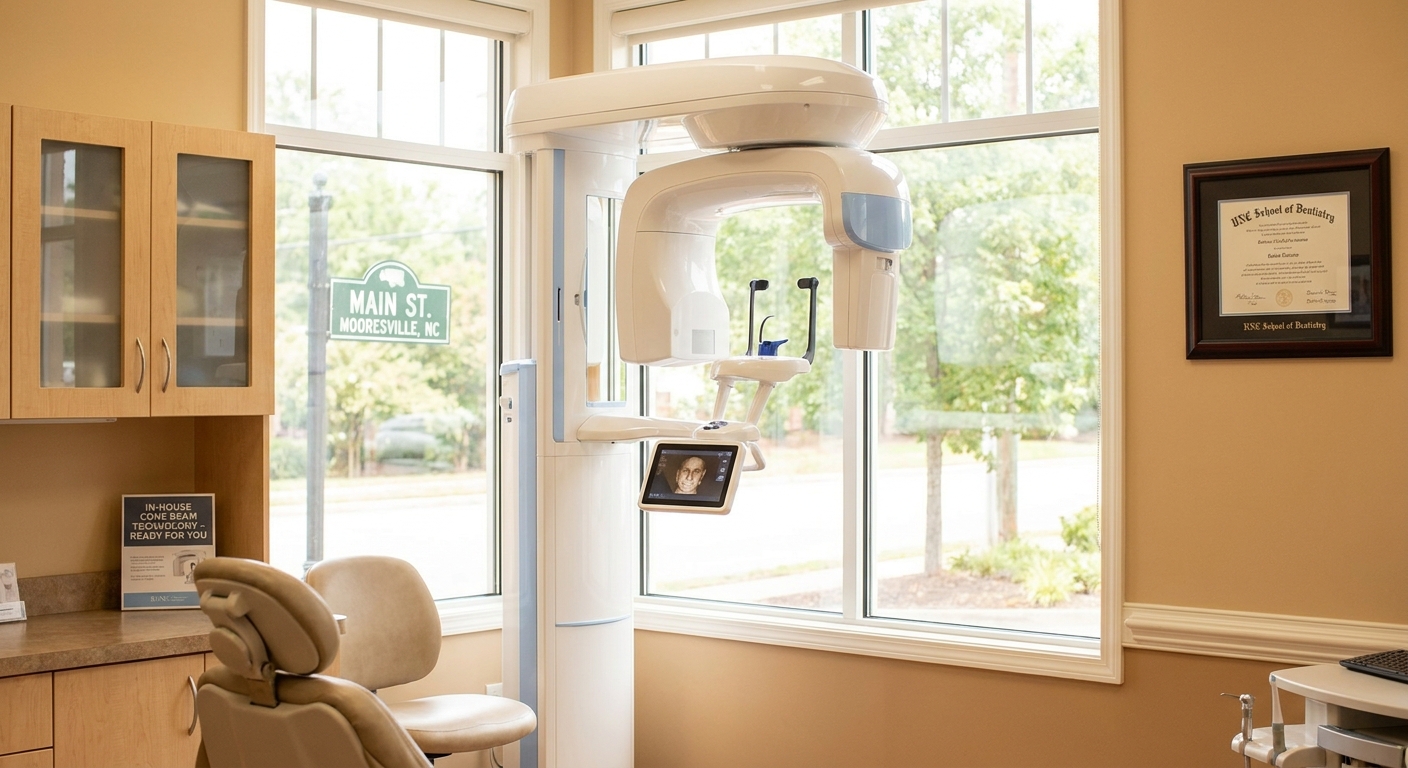
Dental x-rays provide a window beneath the surface of your teeth and jawbone, revealing cavities, bone loss, and hidden infections. Modern digital radiography uses very low radiation doses and can produce images instantly for immediate review [2]. Whether your dentist orders bitewings, periapical, or panoramic views, these images support accurate diagnosis and treatment planning. You can expect the dentist to explain any findings and recommend next steps based on the images.
Soft tissue check
Early signs of oral cancer may be subtle but can be spotted by your dentist.
A detailed examination of your cheeks, tongue, floor of mouth, and throat helps identify areas of unusual texture, color, or lesions. Prompt detection of oral lesions leads to faster referral and diagnosis, improving outcomes. During this review the dentist may also screen for signs of periodontal disease and other soft tissue disorders that can impact your overall health.
Preparing for your exam
Feeling prepared before you walk into your initial dental consultation can make the experience more efficient and less stressful. Simple steps help you maximize your time and ensure your provider has all the information they need.
Gathering health history
Your dentist needs a complete picture of your medical background to provide safe care. Bring details on any medications, allergies, and chronic conditions such as high blood pressure or diabetes. If you have experienced recent surgeries, hospitalizations, or episodes of dry mouth you should mention those as well. Sharing honest information about tobacco, alcohol, or recreational drug use further helps tailor your exam to your needs.
Pre-appointment instructions
Confirm your appointment details ahead of time and arrive slightly early to complete any required paperwork. Brush and floss gently before your visit to help the hygienist assess your baseline oral hygiene without disrupting inflamed areas [3]. Avoid overdoing fluoride rinses or whitening treatments right before the exam. Make a list of questions about costs, treatment options, or any discomfort you have been experiencing to discuss with your dentist.
Diagnosing and planning
Once your dentist reviews your exam findings and imaging they will outline practical steps to maintain or restore your oral health. Transparency and collaboration are key as you work together on a plan geared to your goals.
Treatment recommendations
Your dentist may suggest a range of procedures from simple fillings to deep cleanings or periodontal therapy. Each recommendation should come with an explanation of the procedure, expected benefits, and any recovery details. If you require more complex care, such as endodontic treatment or specialist referrals, your dentist will coordinate those services. Clear treatment recommendations empower you to make informed decisions about your oral health.
Individualized care plan
No two mouths are the same and your care plan should reflect your unique needs. Your dentist will prioritize treatments based on urgency, budget, and lifestyle considerations. They may propose a phased approach, starting with preventive measures and moving toward restorative work. A written care plan or report helps you track progress and understand when follow-up visits are required. Building a long-term relationship with your provider ensures continuity and better outcomes.
Frequency and scheduling
Knowing how often to schedule your preventive dental exam appointment depends on your oral health status and risk factors. A baseline guideline applies to most adults, but adjustments may be necessary to address individual concerns.
General guidelines
Most adults should plan for a routine dental checkup appointment every six months to prevent common oral health problems such as tooth decay and gum disease [2]. This semiannual rhythm balances proactive care with efficient use of your time and resources. During these visits you receive cleaning, evaluation, and any necessary x-rays, helping to catch issues while they are still reversible. Staying on schedule reduces the likelihood of emergency treatments and higher costs.
Risk-based intervals
Your specific risk factors can alter the ideal interval between exams. Factors such as a history of periodontal disease, heavy tobacco use, or medical conditions like diabetes may require more frequent visits. The table below summarizes common recommendations:
| Risk level | Recommended exam interval |
|---|---|
| Low risk | 18–24 months |
| Moderate risk | 6–12 months |
| High risk | 2–6 months |
This table reflects interval guidelines from Delta Dental [4]. Discuss your personal risk profile with your dentist to set a schedule that keeps you on track.
After your exam: next steps
Leaving the dental office with a clear path forward helps you protect your smile long term. Consistency in home care and proactive follow-up visits reinforce the benefits of your exam.
Preventive home care
Maintaining healthy habits at home is just as important as in-office treatments. Brush your teeth twice daily for two minutes each session, dedicating roughly 30 seconds to each quadrant of your mouth and reaching all tooth surfaces [5]. Use a soft-bristled brush and fluoride toothpaste to reduce the risk of caries and gingival recession. Interdental cleaning with floss, brushes, or water irrigators removes plaque from areas your toothbrush cannot reach. Consider an antimicrobial mouthrinse if you are at increased risk of periodontal disease. These measures complement your professional care and help you extend the time between visits.
Consistency is key to lasting results.
Follow-up visits
Your dentist may schedule a follow-up to complete restorative work, monitor healing, or assess gum stability after a deep cleaning. Specialized treatments such as sealants or fluoride varnishes often require separate appointments. Keeping these recommended visits ensures that any emerging issues are managed promptly and prevents larger problems. You will leave with a clear timeline for future appointments, making it easier to plan around your personal and professional commitments.
Choosing a dentist
Selecting the right dental provider sets the tone for a positive and effective oral health journey. You want someone who understands your concerns and is accessible when you need care.
New patient considerations
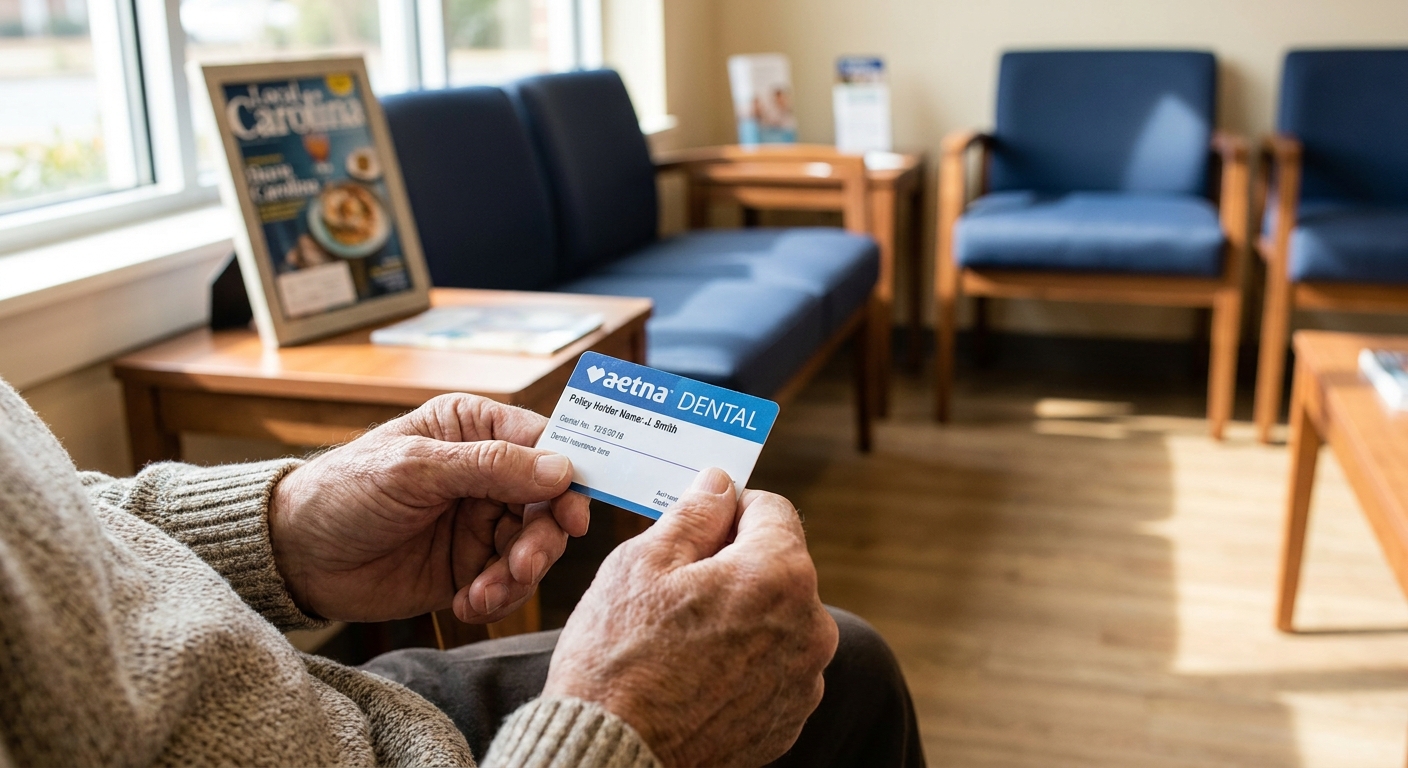
Look for practices that are transparent about costs, offer detailed new patient orientation, and welcome questions. A clinic that advertises dentist accepting adult patients often has streamlined processes for new patients and can accommodate your first visit quickly. Verify the dentist’s credentials, continuing education efforts, and area of specialization. Patient reviews can provide real-life insights into chairside manner, office atmosphere, and how emergency situations are handled.
Ease of scheduling
Your schedule should not be an obstacle to maintaining oral health. Many offices now provide online booking portals for a routine dental checkup appointment or new patient dental exam. Flexible hours, evening or weekend slots, and reminders by text or email help you keep appointments. If you have dental anxiety, ask about scheduling during quieter times or using in-office amenities to ease stress. A practice that supports your comfort and convenience will make it easier to stay on track.
Take control of your health
Your oral health influences your overall wellbeing so making preventive care a priority benefits you far beyond your smile. By understanding what occurs during your dental exam for adults and why each step is important you can feel confident in the care you receive. Partnering with a dentist who offers comprehensive services and clear scheduling removes barriers to routine maintenance.
Ready to experience the difference a thorough exam can make? Schedule dental exam today and start building a lasting foundation for your oral health journey.