Dental health assessment overview
When you choose to schedule a dental health assessment, you’re laying the groundwork for a lifetime of healthy smiles. In this comprehensive process, your dentist evaluates your teeth, gums, and supporting structures to create a clear picture of your current oral condition. Whether you’ve been away from the dentist’s chair for years or you simply want a more thorough review, this examination does more than spot cavities—it informs every recommendation that follows.
A dental health assessment starts with a detailed review of your medical and dental history, moves into a hands-on examination, and often incorporates digital imaging. Think of it as a roadmap for your oral care, guiding preventive measures, identifying hidden issues, and shaping a treatment plan tailored just for you. If you’re seeking a dentist accepting new patients who can provide this level of attention, understanding the components of a complete assessment will help you feel confident before you even walk through the door.
Preparing for your first visit
Before your first appointment, you’ll be asked to complete a health questionnaire. Many offices let you fill out this form online, so you can provide details about medications, allergies, past treatments, and any chronic conditions. Bringing copies of recent X-rays or notes from another dental office can save time and prevent duplicate imaging.
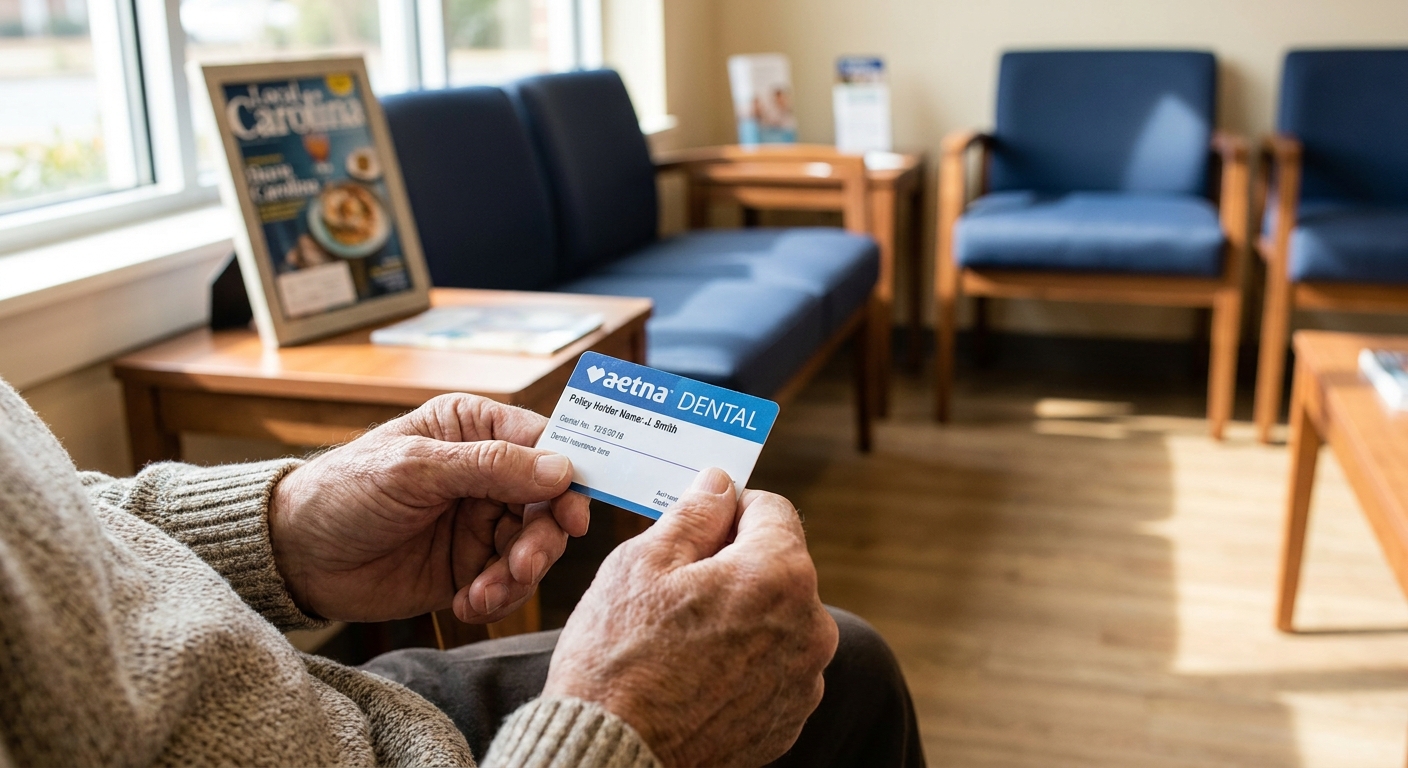
You may also want to list any specific concerns—sensitivity, bleeding gums, jaw discomfort, or cosmetic questions—so you don’t forget to mention them in the chair. Having your insurance information or payment method ready will streamline check-in and allow you to relax once you arrive. If you’re nervous, plan to arrive a few minutes early, take a few deep breaths, and remember that your dentist is there to help.
Diagnostic steps explained
Your complete oral health exam follows a logical sequence that reveals what’s going on beneath the surface. It starts with what you tell your dentist, moves to what they can see and feel, and then uncovers what technology can detect. Each step builds on the last to create a clear, comprehensive picture.
“A dental exam is a comprehensive checkup of teeth and gums that includes a cleaning by a dental hygienist and an examination by a dentist, often supplemented by dental x-rays to detect hidden cavities, gum disease, and bone loss.” [1]
Medical history review
Your dentist begins by examining your medical history and any current medications, because conditions like diabetes or arthritis can directly affect gum health and healing. They’ll ask about past surgeries, chronic illnesses, and even your daily habits—diet, tobacco use, or alcohol consumption. This context helps your care team anticipate potential complications and tailor a safe, effective exam.
Visual and tactile examination
Next, your hygienist or dentist inspects your mouth with specialized mirrors and tools, looking for tooth decay, plaque buildup, and signs of enamel erosion. They gently probe around your gumline to measure pocket depths, checking for early signs of gingivitis or periodontitis. At this stage, you may also receive a professional cleaning to remove hardened plaque and polish your teeth for better visibility.
Radiographic imaging
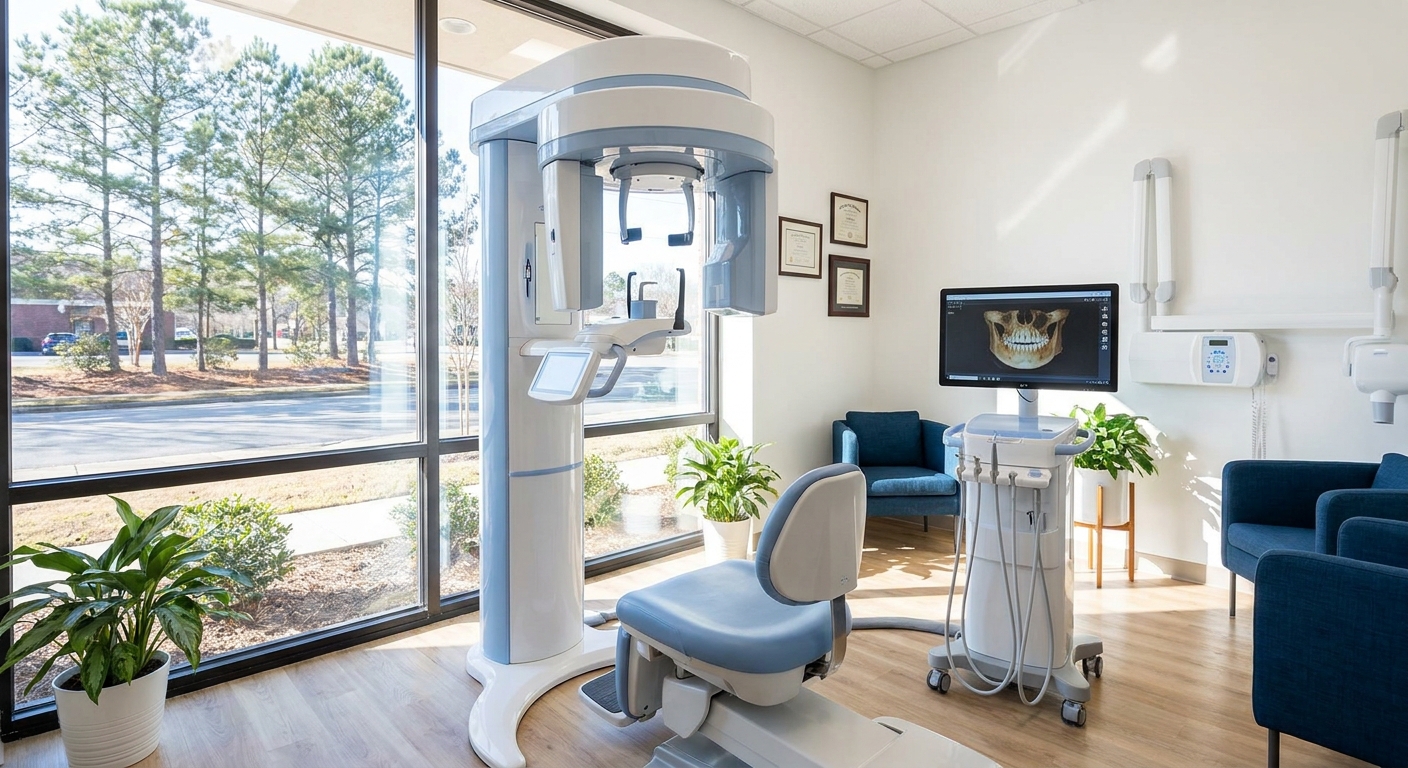
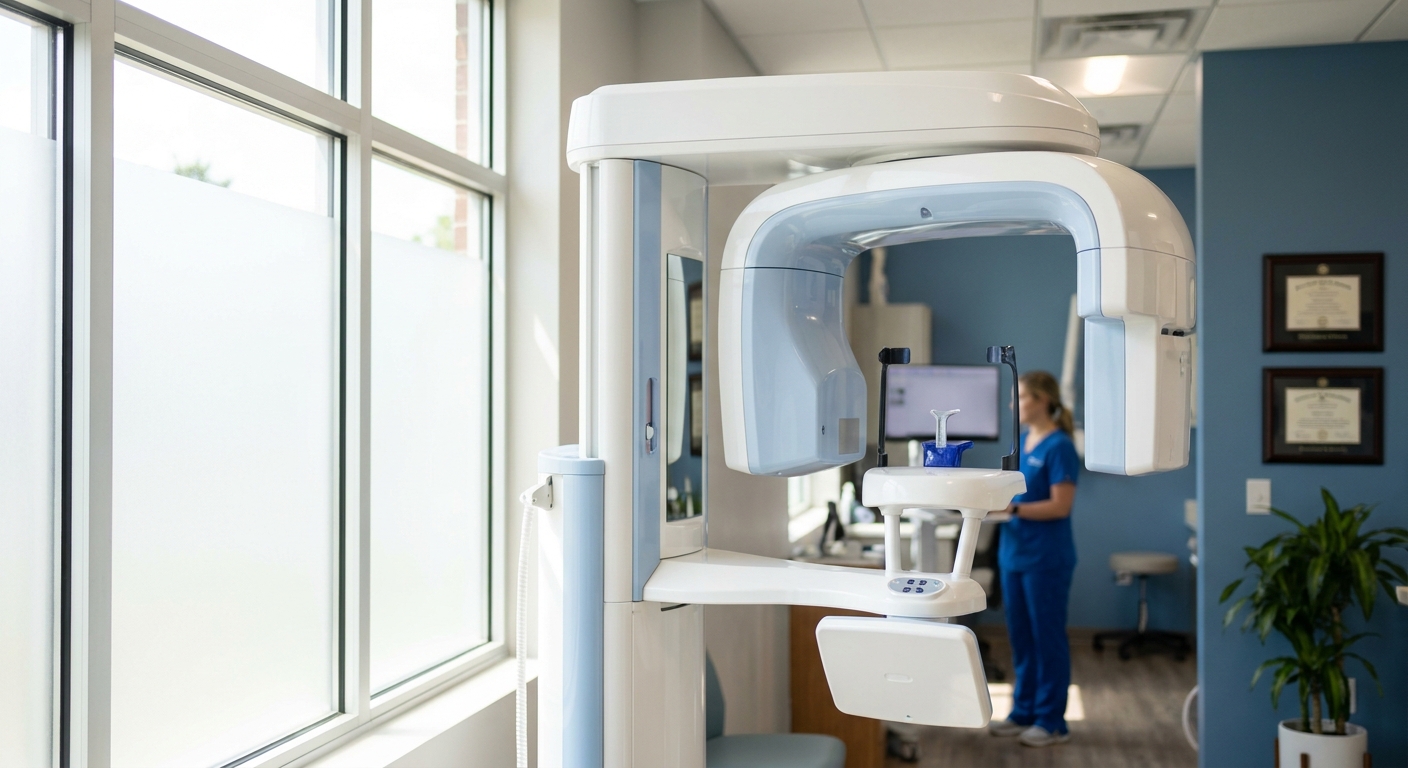
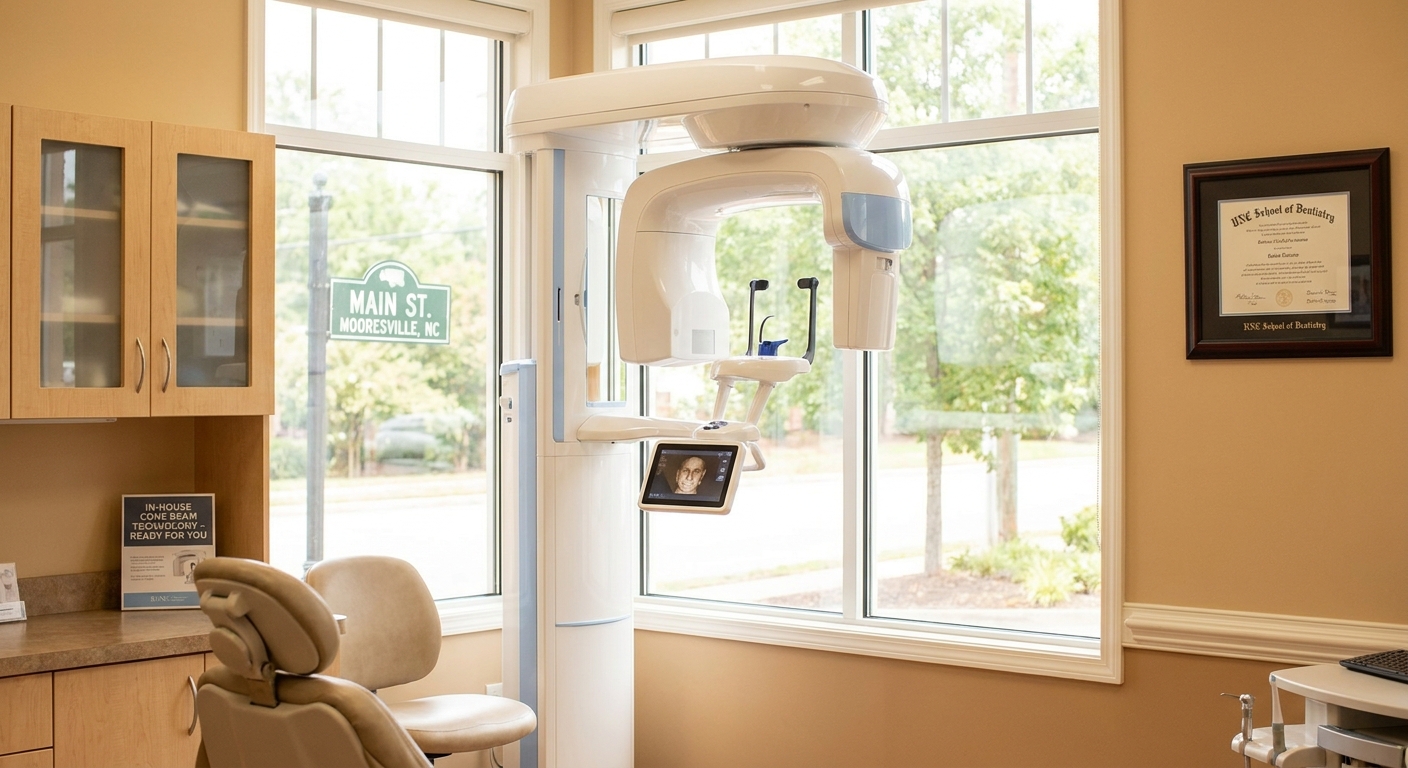
Digital X-rays or 3D scans reveal hidden problems that escape the naked eye, from tiny cavities between teeth to infections at the root tips. Advanced imaging can also check bone density around your teeth, which is crucial if you’re considering implants or have experienced bone loss. Because modern systems use minimal radiation, your dentist can capture high-resolution images safely and efficiently.
Periodontal screening
Periodontal probes measure the space between your teeth and gums to assess gum health. Pockets deeper than three millimeters may indicate active infection, which requires targeted treatment such as scaling and root planing. By mapping your gum pockets, your dentist can track changes over time and intervene before disease progresses.
Oral cancer screening
Finally, your dentist visually examines your cheeks, tongue, lips, and throat for ulcers, discolorations, or abnormal growths. Early detection of oral cancer dramatically improves outcomes, so regular screenings are a vital part of any complete dental exam. If anything suspicious appears, your dentist may recommend a biopsy or referral to a specialist for further evaluation.
Personalized care planning
Once the diagnostic process is complete, your dentist reviews all findings with you in clear, jargon-free language. Together you’ll discuss risk factors—family history, tobacco use, or dry mouth—that influence your oral health trajectory. Understanding these factors empowers you to take an active role in preventing future problems.
Assessing your risk
Your dentist uses information from your exam to calculate a risk profile, assigning priority to conditions that need immediate attention and monitoring areas that are stable. For example, if you have minor gum inflammation but no cavities, you might focus on enhancing your home care routine and scheduling more frequent cleanings. Conversely, if X-rays reveal early root decay, you’ll move more quickly into restorative treatment.
Crafting your treatment plan
Based on your risk assessment, you’ll receive a customized plan that balances preventive care with corrective procedures. It might include a series of appointments for fillings, a schedule for professional cleanings, recommendations for at-home care products, or a referral for orthodontic evaluation. Your dentist will explain each step, estimate costs, and help you navigate insurance benefits. Having a clear roadmap alleviates uncertainty and ensures that every treatment decision aligns with your goals.
Lasting benefits of assessment
A complete dental health assessment does more than address today’s concerns. It lays the foundation for long-term oral stability, catching small problems before they become painful or costly. By establishing a baseline, your dentist can compare future exams to see how your teeth and gums are responding over time.
Early problem detection
Catching decay in its earliest stage means you may only need a small filling rather than a root canal or crown later on. Identifying gum inflammation early allows you to reverse gingivitis through improved brushing and flossing before it progresses to periodontitis. The American Dental Association recommends brushing teeth twice daily with fluoride toothpaste for two minutes per session, a practice shown to reduce the risk of cavities and gum disease [2]. Fluoride toothpaste can lower caries incidence by up to 31 percent, especially in children and adolescents [2].
Holistic health connections
Your oral health is not isolated—it reflects and influences your overall well-being. Studies link untreated gum disease to higher risks of heart disease, diabetes complications, and stroke. In contrast, maintaining healthy gums can help control blood sugar levels and reduce systemic inflammation. By prioritizing regular exams and cleanings, you’re investing in both your smile and your general health.
Book your dental exam
Your next step is simple. If you’re ready to take control of your oral health with a new patient dental exam or you want to transfer your records for a full mouth dental evaluation, our team is here to help. We offer flexible scheduling, convenient online forms, and a caring environment designed to put you at ease.
You don’t have to wait for discomfort to strike before seeking care. Preventive exams save time, money, and stress over the long run. Ready to get started?
schedule dental exam today
References
- (MedlinePlus)
- (ADA)