Whether it started as a fleeting twinge or a persistent ache, any tooth pain that keeps you up at night deserves attention. A dental pain assessment appointment helps you identify the underlying cause—decay, infection, nerve irritation or structural damage—before complications arise. In this article, you’ll learn the warning signs that mean you should call your dentist now, how clinicians evaluate your symptoms and why prompt diagnosis matters.
We’ll cover the most common red flags, walk you through each exam step and explain how to manage discomfort until your appointment. By the end, you’ll know exactly when to reach out and what to expect in the treatment chair.
Understand dental pain
Tooth pain is not a one-size-fits-all symptom. You might feel a sharp shock when biting down, a dull ache between meals or an electric jolt from cold air. Each sensation points to a different source of trouble, from cracked enamel to inflamed pulp.
Pain can also refer beyond the immediate tooth. Infections often trigger swelling in surrounding gums, and nerve-related discomfort may radiate to your jaw, ear or even temples. That complexity makes a thorough evaluation essential.
Recognize key warning signs
Not every sensitivity or brief ache requires emergency care, but certain symptoms signal that you need a dental pain assessment appointment right away. If you notice any of the following, don’t wait:
- Persistent toothache persistent toothache dentist that lasts more than 48 hours
- Pain when biting or releasing pressure pain when biting tooth dentist
- Pain when chewing on one side tooth pain when chewing dentist
- Temperature sensitivity that lingers after you remove hot or cold stimuli sensitivity pain dentist evaluation
- Swelling or pressure around a tooth that you can see or feel pressure pain tooth dentist
Each of these signs can indicate infection, a cracked tooth or advanced decay. Early recognition spares you from more invasive emergency treatments.
Explore assessment procedures
When you arrive for a dental pain assessment appointment, your clinician follows a systematic process to pinpoint the issue. The table below summarizes the typical steps and what you should expect:
| Assessment step | What to expect |
|---|---|
| Patient interview | Detailed questions about pain duration, intensity, triggers and whether discomfort spreads to your jaw or face [1] |
| Physical examination | Visual inspection of teeth and gums, gentle percussion tests, probing for cavities and nerve response checks [1] |
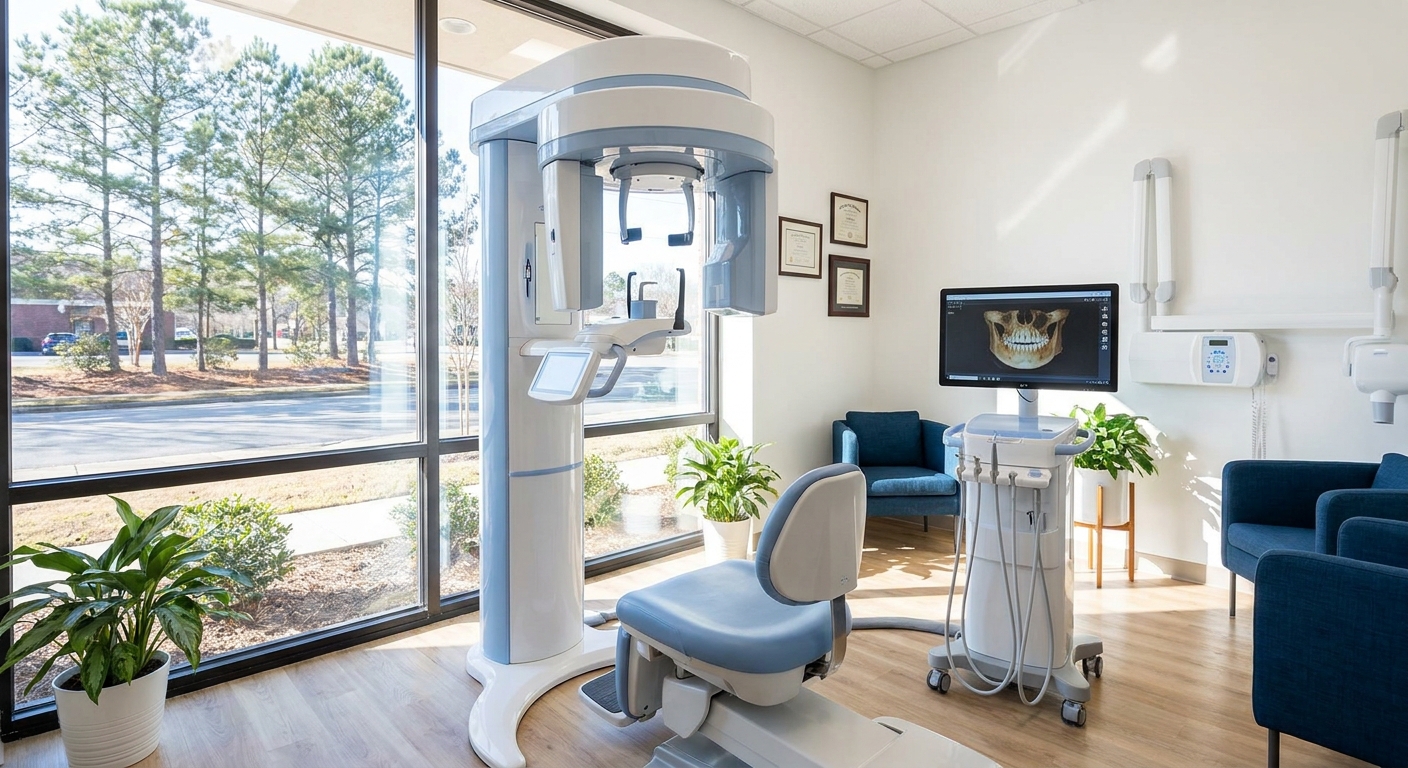
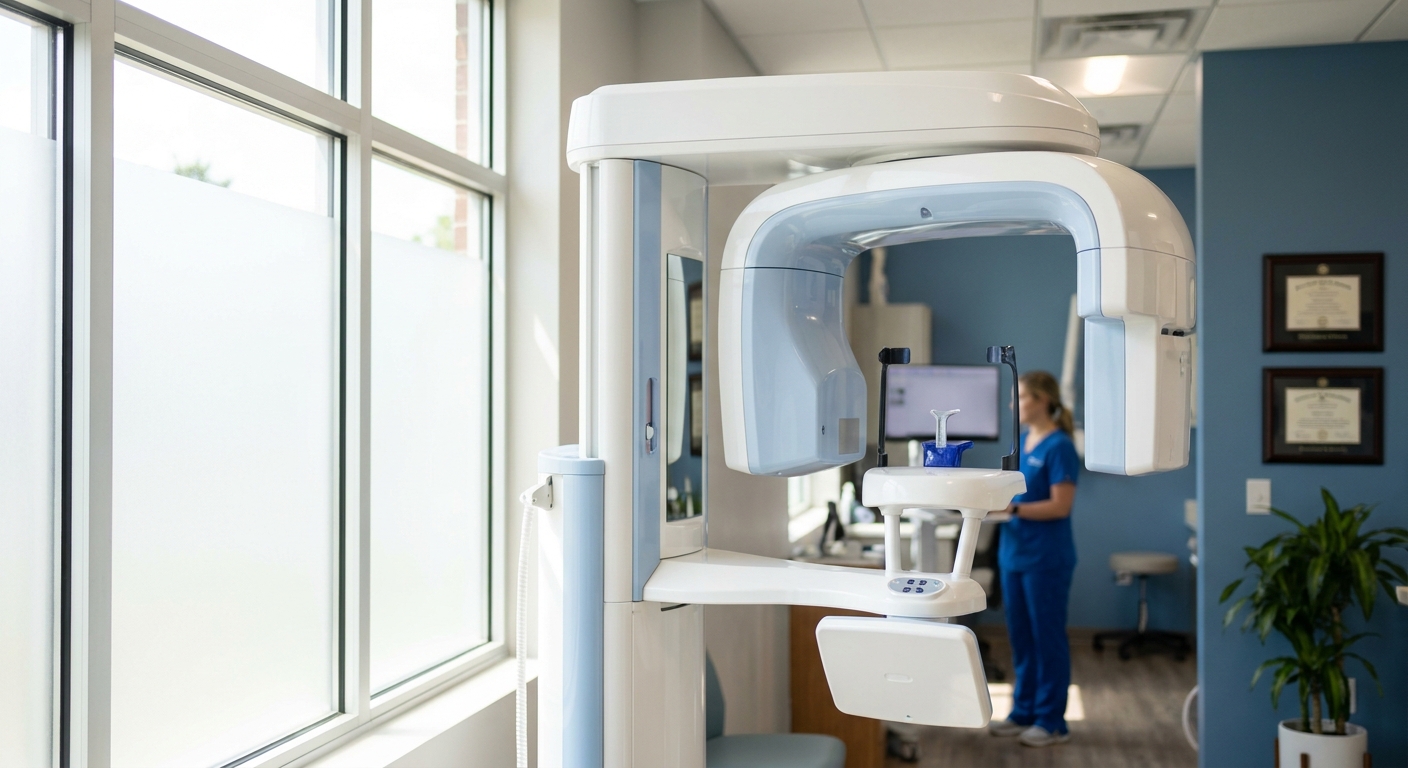
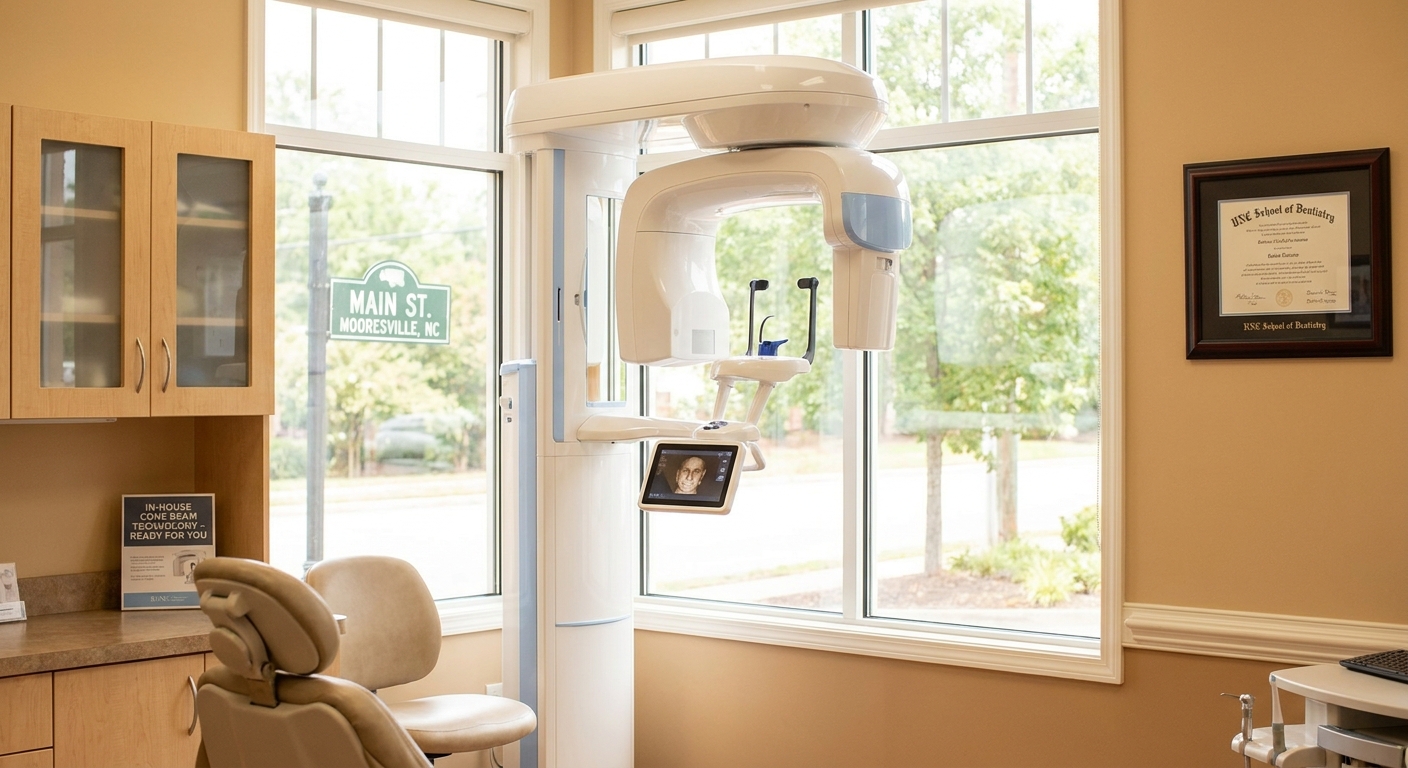
| Radiographic imaging | Digital X-rays reveal hidden decay, root fractures, infections around the root tip and compromised crowns [2] |
After gathering this information, your dentist reviews the findings with you and outlines a treatment plan tailored to your needs. That plan may range from a simple filling to root canal therapy or referral to a specialist.
Note benefits of early diagnosis
Detecting dental problems early limits the scope of treatment you need and helps preserve as much of your natural tooth structure as possible. When an infection is caught before it spreads to the root or bone, you may avoid root canal therapy, extractions or more extensive restorative work.
Early intervention also reduces the risk of serious complications. Untreated tooth infections can lead to abscesses that spread via facial spaces, causing facial swelling or even systemic concerns. By addressing pain promptly, you protect both your oral health and overall well-being.
Scheduling a dental pain assessment appointment at the first sign of trouble optimizes your comfort, streamlines your treatment timeline and often lowers the overall cost of care. In many cases, conservative therapy is all you need when pain is diagnosed early.
Prepare for your visit
Before you arrive, familiarize yourself with the common tools your dentist will use—dental mirrors, probes and the air-water syringe. Knowing what each instrument does can ease anxiety and help you follow your dentist’s guidance.
Advances in local anesthesia mean you should feel little to no discomfort when your dentist numbs the treatment area. Some practices even offer nitrous oxide to help you relax while still allowing you to drive home after a brief recovery period. Don’t hesitate to ask about sedation options when you schedule your appointment [3].
Manage pain before appointment
While waiting for your dental pain assessment appointment, you can use safe home remedies to control discomfort. These measures won’t replace professional care but can help you get through the day:
- Warm salt water rinse fights germs and reduces swelling [4]
- Hydrogen peroxide rinse helps disinfect and soothe pain [4]
- Cold compress applied for 15 to 20 minutes eases swelling and numbs pain [5]
- Clove oil topical application provides natural numbing relief [4]
- Over-the-counter pain relievers can help you manage discomfort until your appointment becomes available [5]
These strategies offer temporary relief, but any signs of swelling, fever or spreading pain warrant immediate professional evaluation.
Don’t wait until pain disrupts your sleep or your daily routines. If you experience any of the warning signs above, schedule your dental pain assessment appointment now. Early diagnosis safeguards your smile and gives you peace of mind knowing you’re in control of your oral health.