Understand tooth loss impact
When you schedule a dentist consultation for tooth loss, you’re taking a vital first step toward restoring your oral function and confidence. Tooth loss can arise from tooth decay, trauma, gum disease, or other health conditions. According to the National Health and Nutrition Examination Survey (NHANES), 92 percent of adults aged 20–64 experience tooth decay, leading many to seek professional help to replace missing teeth [1].
Missing teeth affect more than your smile. You may find it harder to chew fibrous foods, which can disrupt your nutrition and digestion. Gaps also allow adjacent teeth to shift, creating bite imbalances that accelerate wear on remaining teeth. Over time, these changes can lead to bite collapse, a condition best managed by a dentist for bite collapse from missing teeth.
Without prompt treatment, jawbone resorption can set in. When tooth roots no longer stimulate the bone, the jaw begins to shrink, sometimes causing a sunken facial appearance. Frederick Center for Dentistry recommends replacing missing teeth within four to six months after extraction to preserve bone and prevent further complications [2]. Early evaluation safeguards both your oral health and aesthetic outcomes.
Prepare for consultation
Gathering relevant information before your appointment helps you and your dentist use the time efficiently. Start by collecting any recent X-rays, treatment summaries, or records of prior restorations. If you’ve previously worn partial dentures or had crowns placed, note the materials used and any maintenance issues. Having these on hand streamlines your missing tooth evaluation dentist visit.
Next, outline your medical and dental history. Conditions such as diabetes, osteoporosis, and autoimmune diseases can influence healing and implant success. Be ready to share prescriptions, allergies, and lifestyle factors like tobacco or alcohol use. Your dentist needs a complete health profile to recommend safe, effective solutions.
Draft a list of questions that reflect your priorities. You might ask about expected timelines, total treatment costs, or which replacements best restore chewing ability. To explore service offerings in depth, you can request a tooth replacement consultation dentist. Clear objectives ensure you leave with actionable next steps.
Finally, confirm logistical details such as clinic location, parking, and insurance coverage. If your case requires specialized expertise—say, someone skilled in treating multiple gaps—you may seek a dentist for multiple missing teeth. Planning ahead reduces stress and sets the tone for an effective consultation.
Evaluate oral health status
During your consultation, the dental team performs a comprehensive assessment to identify underlying issues and determine your readiness for restoration. The process typically starts with a visual and tactile exam of your gums, remaining teeth, and previous restorations. Your provider checks for signs of inflammation, decay, or structural damage that might complicate a replacement plan.
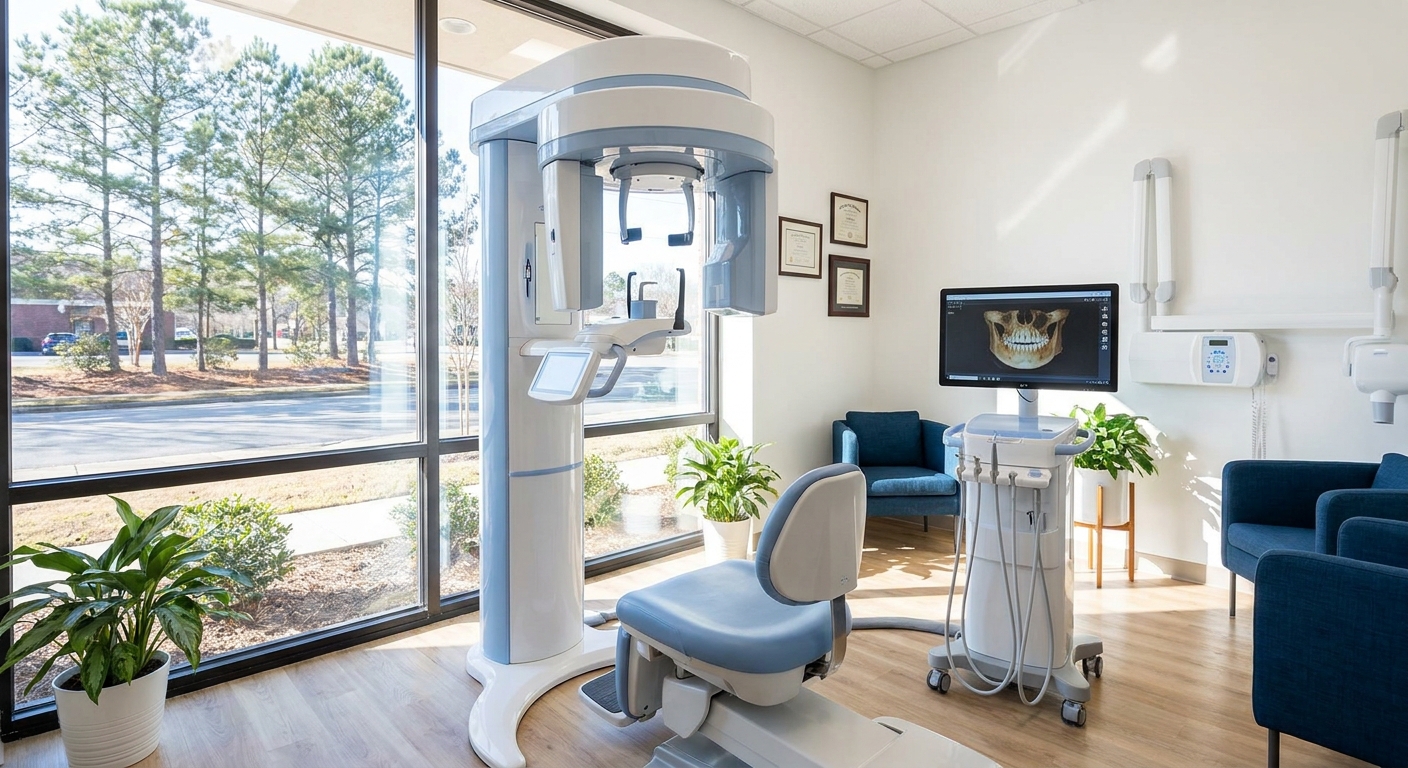
Advanced imaging—such as panoramic X-rays or cone beam CT scans—helps evaluate jawbone volume and quality. Adequate bone density is crucial for options like dental implants that rely on osseointegration. If you’re unsure which tests you need, ask about assessment for missing teeth protocols. Knowing your bone health status helps you and your dentist decide if grafting or other preparatory steps are necessary.
Gum health screening is a critical element of this evaluation. Periodontal disease often advances without pain, jeopardizing both natural teeth and future restorations. Your dentist will chart pocket depths, note bleeding sites, and assess tooth mobility. Controlling active gum disease before tooth replacement sets the stage for long-term success.
Finally, your bite and occlusion are analyzed to detect imbalances. Whether through articulating paper, digital bite scanners, or intraoral cameras, understanding how your teeth come together prevents undue stress on new restorations. A thorough missing teeth dental evaluation ensures that your treatment plan addresses both current health and future function.
Bone density assessment
Assessing bone volume determines whether you can proceed directly to implants or require bone grafting. Grafting may use your own bone, donor material, or synthetic substitutes. Although this adds time and cost, rebuilding the ridge can broaden your replacement options and improve long-term stability.
Gum health screening
Healthy gum tissue underpins every restorative option. Full periodontal charting reveals recession, deep pockets, or bleeding that must be treated before proceeding. Managing infection through scaling, root planing, or localized antibiotic therapies ensures a solid foundation for your new teeth.
Bite stability check
Occlusal analysis prevents premature wear on restorations and adjacent teeth. Your dentist may recommend orthodontic adjustments or custom occlusal guards to protect against grinding and clenching. Balancing your bite supports both comfort and longevity.
Compare replacement options
Once your oral health assessment is complete, you’ll explore tooth replacement solutions tailored to your needs. Common options include dental implants, fixed bridges, resin-retained bridges, and removable dentures. Each approach varies in invasiveness, cost, durability, and maintenance requirements. Discuss details with your replacement options for missing teeth dentist to find the best fit.
| Option | Invasiveness | Cost range | Durability | Ideal use case |
|---|---|---|---|---|
| Dental implants | Surgical placement, 3–6 month healing period | $3,000–$6,000/implant | 15+ years | Single or multiple missing teeth, strong function |
| Fixed dental bridges | Preparation of adjacent teeth, 2–3 visits | $2,000–$5,000 | 10–15 years | Intact neighboring teeth, moderate bone volume |
| Resin-retained bridges | Minimal tooth preparation, 1–2 visits | $1,000–$2,500 | 5–7 years | Front teeth, lighter chewing forces |
| Removable dentures | Non-invasive fittings | $500–$3,000 | 5–10 years | Multiple missing teeth, budget considerations |
Dental implants
Implants replace the tooth root with a titanium fixture surgically placed into your jawbone. Over several months, the implant bonds with bone, creating a stable base for crowns, bridges, or dentures. Implants help preserve jawbone density by mimicking natural roots, reducing the risk of facial collapse [2]. Although they carry a higher upfront cost, their longevity and functional advantages often make them the preferred choice.
Fixed dental bridges
Fixed bridges involve reshaping adjacent healthy teeth to anchor a prosthetic tooth or teeth. After preparing the abutment teeth, your dentist takes impressions and fabricates the custom bridge. Once cemented in place, it restores chewing ability and aesthetics without a removable appliance. Keep in mind that bridges do not address underlying bone loss at the extraction site.
Resin-retained bridges
Also known as Maryland bridges, these restorations use a metal or ceramic framework bonded to neighboring teeth with resin. They require minimal alteration of sound tooth structure, making them a more conservative option. Resin-retained bridges work best in low-stress areas such as the front teeth but may require maintenance if debonding occurs.
Removable dentures
Dentures are acrylic prosthetics you can insert and remove. They provide a non-surgical option for replacing multiple teeth, often at a lower cost. Modern dentures offer improved fit and aesthetics but may need periodic relining or replacement as your jawbone remodels. When cost is a primary concern or when multiple teeth are missing, dentures can serve as a practical solution.
Plan long term stability
After selecting your preferred treatment, develop a roadmap for maintaining both natural and restored tissues. This plan should include scheduling appointments with specialists—such as an oral surgeon for implant placement or a prosthodontist for complex bridgework—to ensure seamless coordination. You may want to consult a dentist for long term tooth replacement to create a multi-phase strategy that aligns with your budget and timeline.
Transparent discussions about costs, insurance coverage, and financing options help set realistic expectations. Phased treatment approaches can spread expenses over time. Budget conversations should also factor in periodic maintenance visits, as restorations often require professional cleaning or minor adjustments to function optimally.
Maintenance strategy
Your new teeth demand consistent care. Brush twice daily with a low-abrasive toothpaste, clean between teeth using floss or interdental brushes, and consider antimicrobial rinses to control bacteria. For implants, specialized tools such as implant-specific floss or rubber tip stimulators keep the gum tissue healthy around fixtures. A strong daily hygiene routine complements the professional maintenance you’ll receive.
Lifestyle and budgeting
Certain habits affect restoration longevity. Tobacco use increases the risk of implant failure and gum disease, while a balanced diet rich in calcium and vitamins supports bone and tissue health. Allocate funds for routine checkups and potential repairs. A functional tooth replacement dentist can advise on cost-effective practices that preserve your investment without sacrificing quality.
Follow up care steps
Your relationship with your dental team continues long after the initial procedures. Plan your first follow up visit within a few weeks of restoration placement to confirm proper healing, fit, and comfort. Thereafter, routine checkups every six months catch early signs of gum inflammation, minor fractures, or wear before they progress.
Precision Dental in Bowling Green emphasizes the importance of swift emergency care for issues like a knocked-out tooth or a fractured restoration. If you face an urgent problem, same-day appointments can make the difference in saving your tooth or preserving your restoration [3]. Keep your dentist’s contact information and a small emergency kit on hand to act quickly.
Routine checkups
Professional cleanings remove plaque and tartar buildup around both natural teeth and restorations. Your dentist will assess implant integration, examine bridge margins, and check for signs of wear or decay. Early detection of issues reduces the need for more extensive work down the line.
Emergency response planning
Prepare for unexpected events by having temporary repair materials—such as denture adhesive or crown repair kits—on hand. If a restoration loosens or breaks, contacting your dentist or arranging a tooth loss treatment consultation without delay protects both your oral health and your peace of mind.
From your first dentist consultation for tooth loss through long-term maintenance, a structured approach ensures you regain chewing function, smile aesthetics, and oral stability. By partnering with your dental team at every stage, you maximize the success of your tooth replacement journey and enjoy lasting confidence in your smile.