When you search for a dentist for bite collapse from missing teeth, you are taking the first step toward rebuilding your mouth’s function and appearance. Missing teeth can trigger a cascade of changes in how your upper and lower jaws meet, a phenomenon known as bite collapse or loss of vertical dimension. Over time, this collapse can lead to uneven wear, jaw discomfort, and a sunken facial profile.
Early evaluation by a qualified professional is essential to prevent further complications and restore your oral health. Whether you are coordinating with a missing tooth evaluation dentist or seeking a second opinion, understanding your bite stability, bone quality, and replacement options will shape a treatment plan that supports lasting confidence.
Understanding bite collapse
Bite collapse unfolds gradually when missing teeth or wearing down dental structure alters the way your jaws align. Left unchecked, these shifts compromise chewing efficiency and facial support. Below are the root causes and telltale signs you should watch for.
Causes of bite collapse
Loss of vertical dimension, also known as bite collapse, typically occurs due to worn tooth structure or missing teeth, which compromises the supporting bone structure and causes it to gradually collapse, leading to a dysfunctional bite. Excessive grinding or enamel erosion can similarly reduce tooth height, creating space between your upper and lower jaws and accelerating the collapse. [1]
When a tooth goes missing, the adjacent teeth tilt or drift into the gap, further misaligning your bite and increasing force on specific areas of your jaw. This uneven pressure not only accelerates wear but also challenges your facial support, often resulting in a sunken appearance.
Without the stimulation from a tooth root, the underlying bone begins to resorb, reducing jaw volume and altering facial contours.
Symptoms and impact
As your bite shifts, gaps can appear between teeth when you bite down, making chewing uneven and less efficient. Over time, you might notice jaw clicking or mid-day fatigue, signaling that your muscles are compensating for misalignment.
When you discuss these signs with a dentist for missing teeth, they can determine if bite collapse is the root cause of your discomfort. Early detection often means less invasive corrective work.
According to Taylor Street Dental in Springfield, MA, bite collapse not only impairs function but often creates a sunken, aged appearance as bone resorbs. This change in facial contours can shorten the distance between your nose and chin, producing thinner lips and a weaker jawline. [2]
Beyond aesthetics, a collapsing bite can strain your TMJ, increasing your risk of headaches, ear pain, and difficulty maintaining clear speech.
Importance of early evaluation
Preventing further deterioration starts with a comprehensive evaluation that zeroes in on bite dynamics and bone health. Every millimeter of collapse can intensify the forces at work, so early assessment allows your dentist to intervene before complications multiply. The goal is to gather precise data on your jaw relationship, tooth alignment, and supporting structures.
Assessment process
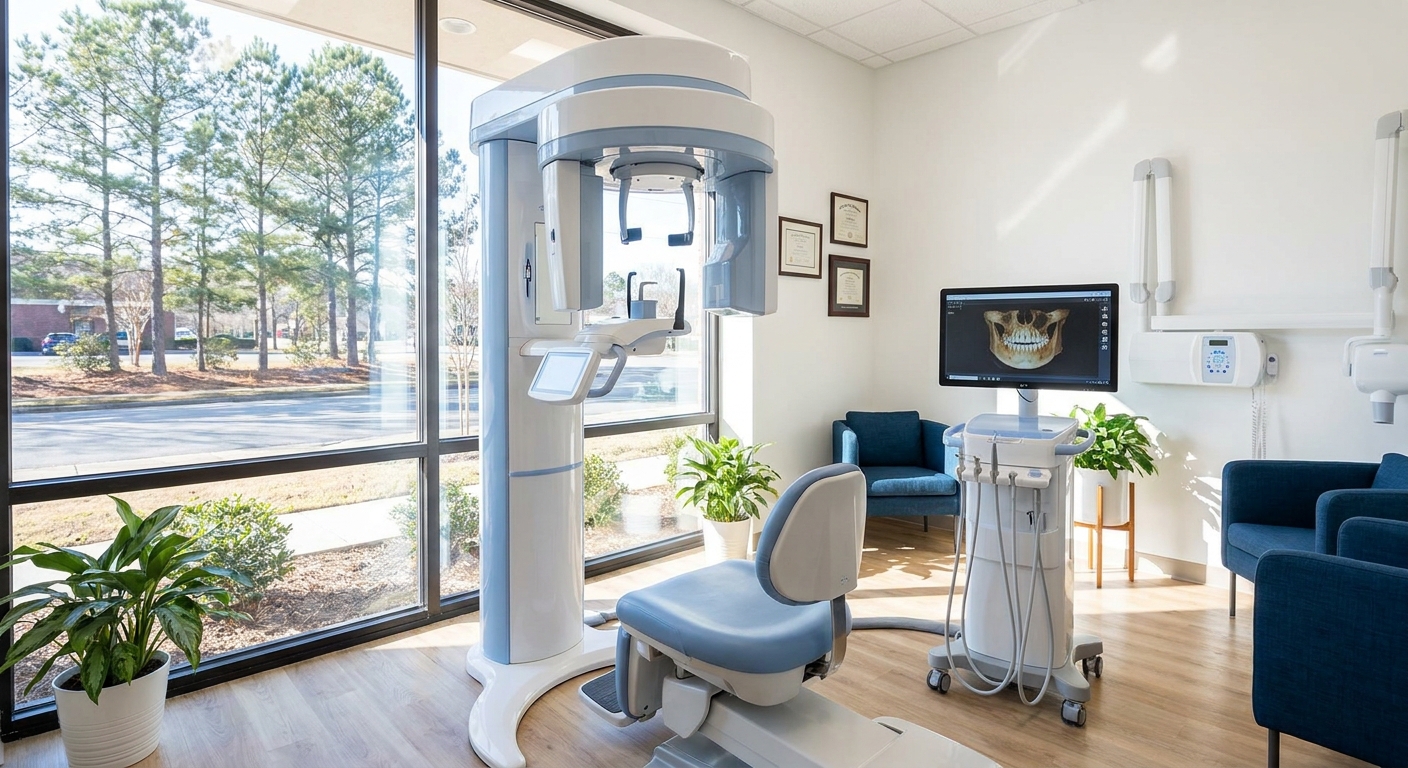
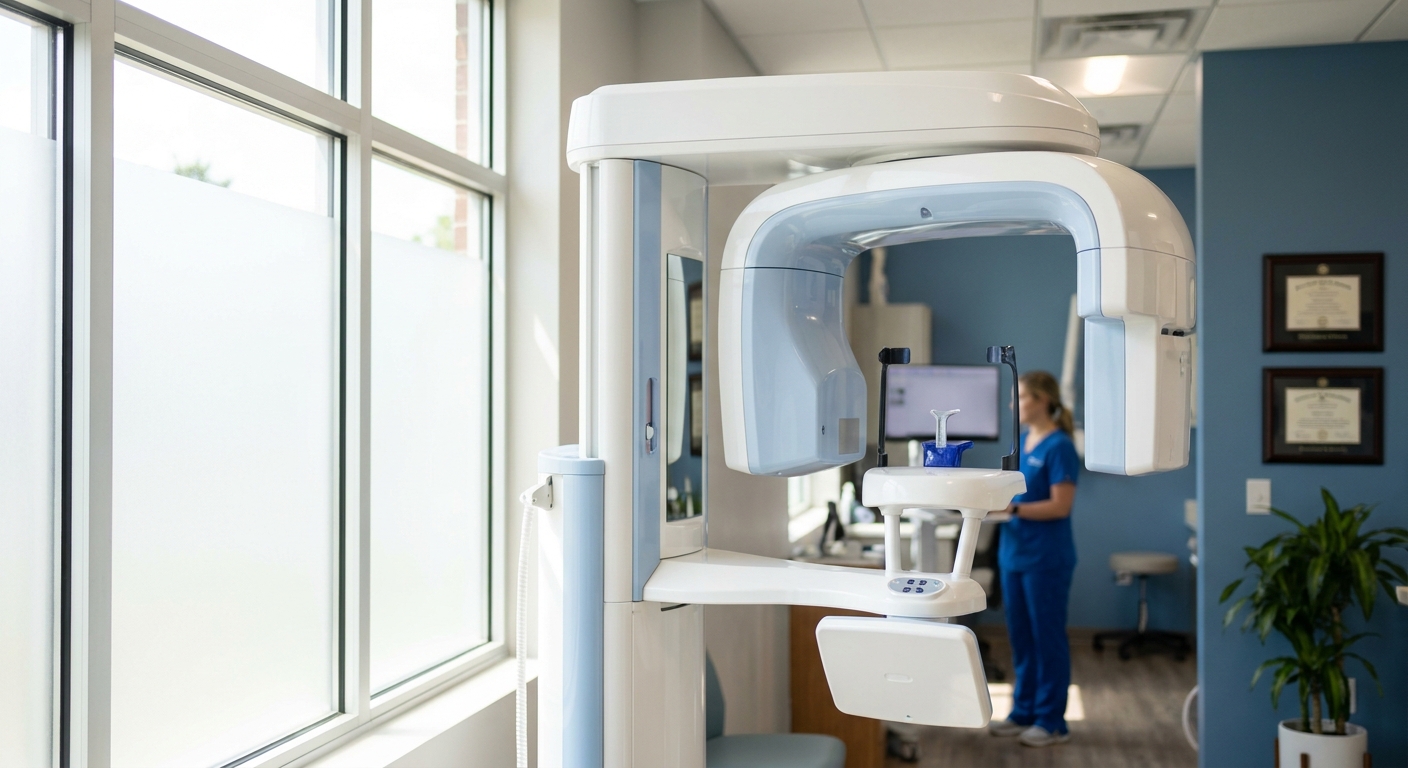
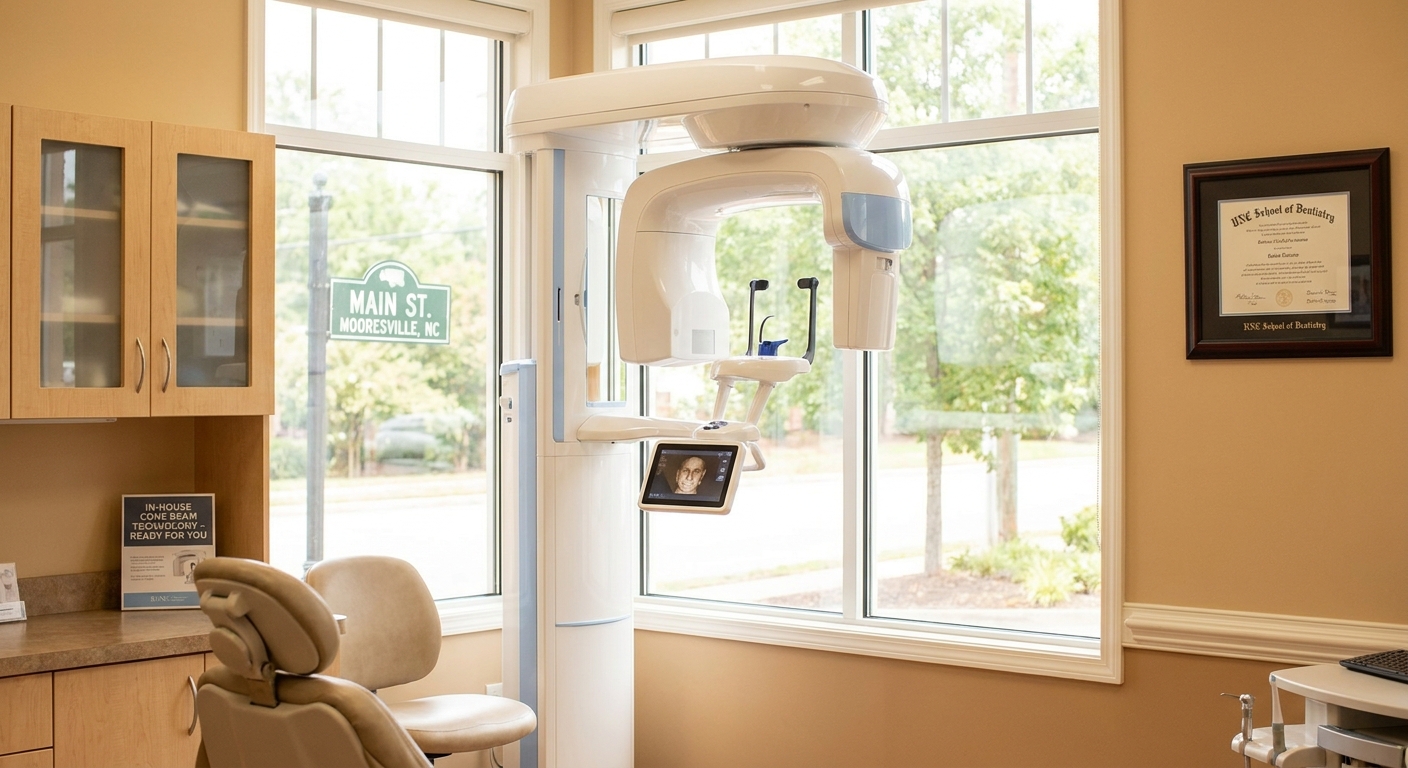
During your appointment, your dentist will review your medical and dental history, focusing on factors such as bruxism, past extractions, and gum health. Digital X-rays and three-dimensional imaging help reveal bone density and anatomical landmarks critical for planning tooth replacement solutions. These imaging techniques also show the current state of your alveolar ridge, indicating whether you need bone grafting or augmentation.
According to Your Oviedo Dentist, missing teeth can cause bite misalignment, leading to jaw discomfort, headaches, TMJ strain, and reduced chewing efficiency. [3]
Your dentist may use a face-bow transfer or diagnostic wax-up to simulate ideal jaw positioning and visualize how various restoration options will affect your bite and facial support. You might also be referred for an evaluation for tooth replacement to assess bone grafting needs or consult an oral surgeon.
From this foundation, you and your dentist can chart a course toward stable, functional tooth replacement.
Planning replacement options
Once your evaluation is complete, designing a replacement strategy involves balancing function, appearance, and long-term oral health. You’ll collaborate closely with a replacement options for missing teeth dentist who can tailor solutions that restore vertical dimension and evenly distribute bite forces. Treatments range from conservative crowns to implant-supported bridges.
Common treatment modalities
Below is a comparative overview of popular treatments for bite collapse from missing teeth, highlighting key benefits, considerations, and typical timelines. Consult your tooth replacement consultation dentist to determine which modality best aligns with your goals.
| Option | Description | Benefits | Considerations |
|---|---|---|---|
| Dental implants | Titanium posts placed in the jawbone to support a crown | Preserves bone, high durability, natural feel | Requires adequate bone, longer healing time |
| Dental crowns | Caps placed over worn or prepared teeth to restore height | Minimally invasive, restores bite height | Depends on existing tooth structure |
| Dental bridges | Prosthetic teeth anchored to adjacent teeth or implants | Fixed solution, restores multiple teeth | Alters supporting teeth, hygiene access |
| Removable dentures | Full or partial prostheses that sit on the gums | Non-invasive, cost-effective, adjustable | May need relining, lower stability |
| Orthodontic therapy | Braces or aligners to reposition teeth and rebalance forces | Improves alignment, supports restorations | Time-intensive, may not replace missing teeth alone |
Your dentist may recommend bone grafting or sinus lifts if imaging indicates bone deficits before implant placement. In some cases, staged approaches, starting with temporary dentures before transitioning to implants, offer a gradual path that preserves function and comfort. Together, you’ll prioritize options that fit your anatomy, timeline, and budget.
Choosing the right dentist
Selecting a provider skilled in bite collapse rehabilitation influences both outcomes and your overall experience. Look beyond general dentistry to find someone with specialized training in restorative and prosthetic dentistry.
Key selection criteria
Credentials matter: seek a dentist who has completed advanced coursework or residency training in prosthodontics or implant dentistry. Verify that they regularly perform full mouth reconstructions, crown restorations, or implant cases for bite collapse. A track record of successful outcomes, demonstrated through before-and-after photos or patient testimonials, indicates clinical expertise.
During your initial dentist consultation for tooth loss, observe whether your concerns are listened to and if treatment options are explained in clear, understandable terms. A transparent roadmap—from evaluation through restoration—reflects a comprehensive approach. Ask about follow-up care and maintenance protocols to ensure long-term success.
Feel free to compare practices by scheduling a dentist for multiple missing teeth appointment or an alternative tooth replacement consultation dentist visit. Transparent pricing structures and flexible financing options can also guide your decision without compromising quality.
Restoring your confidence
With the right plan and provider, tooth replacement can redefine how you eat, speak, and present yourself. Restored vertical dimension improves not only function but also facial aesthetics and emotional well-being.
Long-term maintenance
Once your restoration is complete, adhering to professional guidance on oral hygiene and protective measures extends its lifespan. Night guards or occlusal splints guard new crowns and implants from grinding damage. Regular cleanings and check-ups help monitor bite stability and detect early wear.
Ongoing support from a functional tooth replacement dentist ensures minor adjustments keep your bite balanced. If you ever notice changes in fit or new symptoms, prompt care from a dentist for long term tooth replacement can prevent regression.
Maintaining good oral hygiene, including daily brushing, flossing around implants or bridges, and rinsing with antimicrobial solutions, protects your restorations and slows tissue breakdown that could lead to new collapse. [4]
With that routine and professional support, you’ll enjoy a restored smile and renewed confidence for decades to come.
A full smile, balanced bite, and the confidence they bring are within reach. Schedule a dentist consultation for tooth loss today and rediscover the power of a healthy, confident smile.