When you experience ongoing discomfort in your teeth, finding a dentist for chronic tooth pain is essential to protect your oral health and prevent serious complications. Chronic tooth pain means you have persistent or recurring aches that last more than 48 hours or worsen over time. Persistent tooth pain lasting more than 48 hours and growing more intense may indicate a cavity or dental infection that requires immediate evaluation by a professional [1].
Severe or chronic toothaches caused by cavities, infections, or other dental conditions will not resolve on their own and need professional treatment [2]. Various factors—like tooth decay, gum disease, trauma, teeth grinding, and wisdom-tooth issues—can trigger persistent pain [3]. Ignoring these warning signs can lead to abscesses, bone loss, or systemic infection. By recognizing persistent discomfort, you can take the first step toward relief by booking a persistent toothache dentist appointment.
Evaluating your symptoms
Not all tooth pain feels the same, and pinpointing your symptom patterns helps your dentist make an accurate diagnosis. As you track your discomfort, note whether you experience:
- Pain when biting pain when biting tooth dentist
- Discomfort chewing tooth pain when chewing dentist
- Temperature sensitivity sensitivity pain dentist evaluation
- Pressure-induced pain pressure pain tooth dentist
Detail the frequency, intensity, and any triggers—such as hot or cold drinks or hard foods. This information becomes a roadmap for your dentist’s initial assessment.
Undergoing clinical examination
When you visit a dentist for chronic tooth pain, expect a thorough clinical examination tailored to your needs. Your dentist will ask detailed questions about the pain’s duration, severity, and related activities as part of the tooth pain diagnosis dentist process, which helps identify issues like loose fillings, gum recession, or damaged pulp [4].
Next comes a visual inspection of your teeth, gums, and oral tissues. Using an explorer tool, your dentist checks for cavities, cracks, and signs of infection. They may also probe around the gum line to assess periodontal health.
Diagnostic protocols such as bite tests and percussion tests—where gentle tapping pinpoints inflamed areas—guide your dentist’s clinical decisions. Combined with your symptom record, these tests form the foundation for appropriate imaging and treatment.
Exploring imaging techniques
After the initial exam, imaging techniques reveal hidden problems. Bitewing and periapical X-rays capture tooth roots and surrounding bone to detect decay, abscesses, and bone loss.
Digital radiography offers high-resolution images with lower radiation exposure, making it easier to identify subtle cracks or early-stage infections.
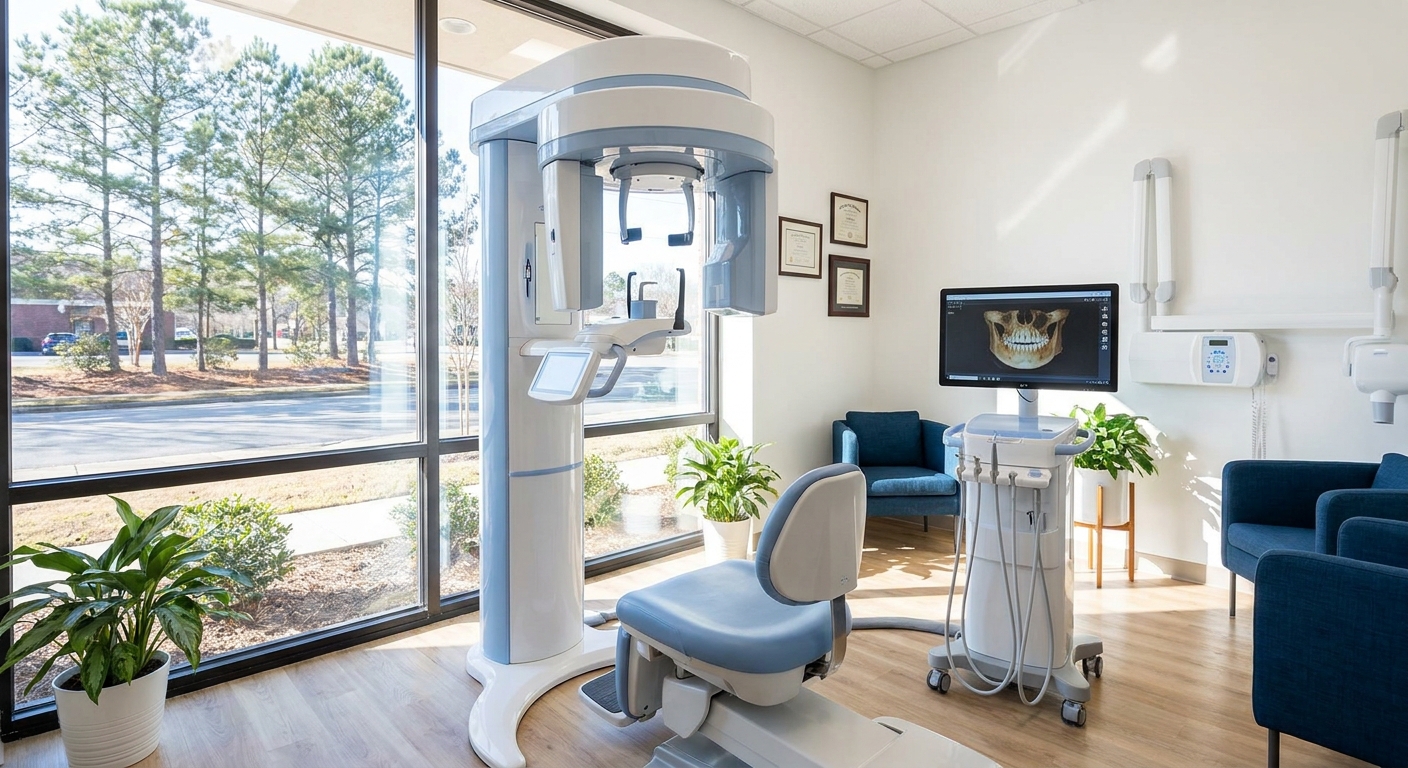
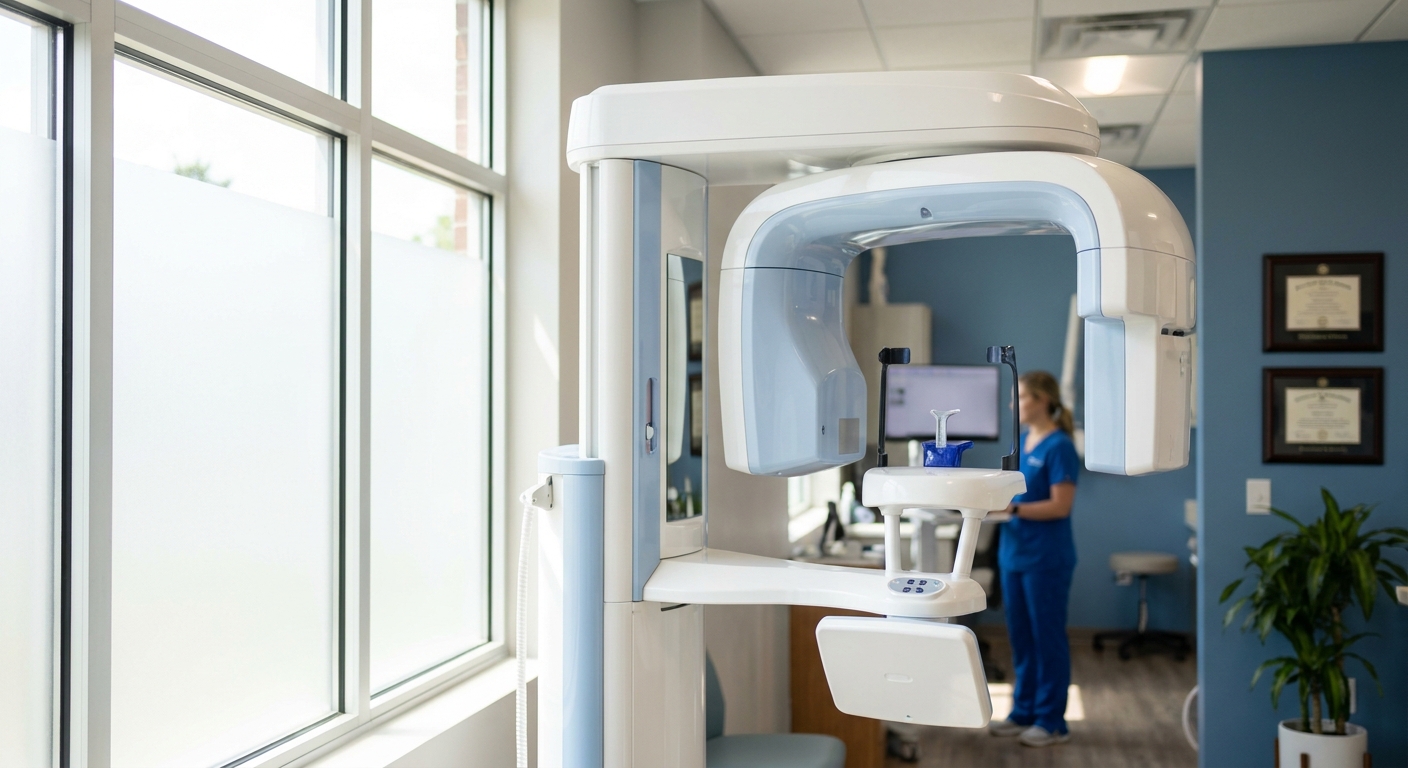
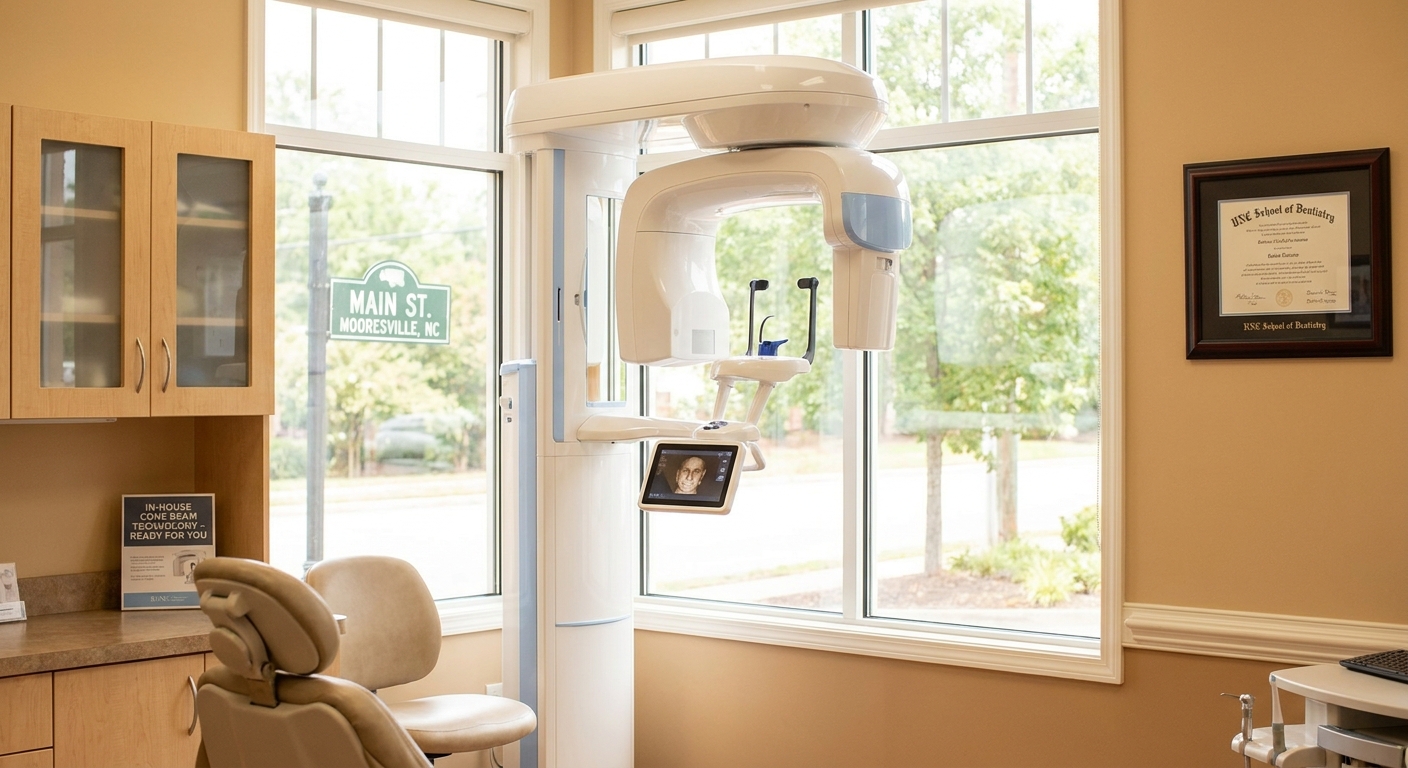
If radiographs don’t provide clear answers, your dentist might recommend advanced imaging such as cone-beam computed tomography (CBCT). In rare cases where bone infection is suspected, laboratory blood tests can complement imaging to confirm an infectious process [4].
Planning treatment strategies
Once your dentist pinpoints the source of your pain, they’ll discuss personalized treatment options. A clear plan helps you understand each procedure’s benefits, risks, and expected outcomes.
| Treatment | Description | When recommended |
|---|---|---|
| Dental filling | Removes decay and seals enamel with composite or amalgam | Small to moderate cavities with no pulp involvement |
| Dental crown | Caps and protects a weakened or cracked tooth | Restoration exceeds half the tooth structure |
| Inlay/Onlay | Partial restoration covering cusps of a tooth | Decay or damage too extensive for a filling, but intact cusp |
| Root canal therapy | Removes infected pulp, cleans the canal, and seals it | Bacteria have invaded tooth pulp [2] |
| Tooth extraction | Removes the entire tooth | Non-restorable damage or severe infection |
Your dentist may integrate adjunctive therapies like antibiotics for acute infections to stabilize your condition. Throughout treatment planning, you have the opportunity to ask questions and adjust the strategy according to your comfort and lifestyle.
In severe infection cases, you may be referred to a dentist for possible tooth infection to ensure you receive specialized care.
Managing pain at home
You don’t have to endure severe discomfort before your appointment. Over-the-counter pain relievers such as acetaminophen and ibuprofen can provide temporary relief, but they only address symptoms, not the underlying cause [2].
Until you can see your dentist, avoid using benzocaine-containing products, as these can lead to the rare but serious condition methemoglobinemia [5].
Applying a cold compress to your cheek for ten minutes every hour helps reduce swelling and dull pain. A salt-water rinse made by dissolving a teaspoon of salt in warm water can soothe inflamed tissues. Clove oil, with its natural eugenol content, may numb the area temporarily [6].
If your pain becomes unbearable or you develop fever, chills, or facial swelling, seek immediate emergency dental care to prevent serious complications [2].
Preventing future issues
After resolving your current episode of tooth pain, proactive care keeps problems at bay. Brushing twice daily with fluoride toothpaste, flossing daily, and maintaining a balanced diet low in sugar support long-term oral health.
Regular checkups and professional cleanings enable early detection of issues before they escalate. Schedule a dental pain assessment appointment or reach out to your dentist for tooth infection symptoms whenever you notice unusual discomfort.
By staying vigilant and seeking prompt care, you minimize the risk of emergency visits and ensure your smile remains healthy.
If any lingering tooth pain persists despite treatment, make an appointment with a dentist for ongoing tooth pain. Your path to healing starts with expert evaluation and personalized care.