Understand dental trauma
When your teeth experience a sudden force—whether from a fall, sports collision, or accident—you may face dental trauma. A dentist for dental trauma evaluates injuries to teeth, gums, jawbone, lips, and other oral structures to prevent further deterioration and restore function. Dental trauma refers to any injury caused by external forces, and early treatment from a dentist offers the best chance for full recovery [1].
You might feel shock or pain immediately, or you may notice changes later—sensitivity to cold, a rough edge, or difficulty biting. Regardless of symptoms, delaying care can allow a minor crack to deepen or a weakened tooth to fracture completely. By understanding what dental trauma entails, you can act promptly and seek the right professional guidance.
This article helps you recognize different types of structural damage, guides you on selecting a qualified practitioner, and explains what to expect during your evaluation and treatment. Instead of cosmetic quick fixes, focus on functional stability and long-term preservation of your natural teeth.
Identify tooth damage types
Structural tooth damage can take several forms. Recognizing the difference helps you communicate clearly with your provider and sets expectations for treatment. Below are the most common damage types you may encounter.
Fractured teeth
A fractured or cracked tooth often results from biting onto hard objects or trauma. You may feel a sharp pain when chewing or notice a visible line on the enamel. If this happens, schedule an appointment with a fractured tooth dentist appointment promptly to prevent the crack from extending into the pulp.
Worn and eroded enamel
Enamel wear—due to grinding, acid erosion, or abrasive brushing—thins the protective outer layer. Over time this can lead to sensitivity, cracks, and decay. If you experience constant sensitivity, consider consulting a dentist for worn teeth to assess and treat enamel loss.
Cracks versus chips
While a chip removes a fragment from the tooth surface, a crack is a fissure that can propagate deeper. Chips may be purely cosmetic, but cracks often jeopardize tooth integrity. For surface chips, a dentist for cracked enamel can smooth or bond the area. Cracks usually require more extensive assessment.
Weakened tooth structure
Teeth with large old fillings or root canals can become brittle, increasing fracture risk. You may notice a tooth feels hollow or breaks more easily. A specialized dentist for structural tooth damage evaluates weakened teeth, recommends strengthening treatments, and monitors for future issues.
| Damage type | Common symptom | Usual treatment |
|---|---|---|
| Fractured tooth | Sharp pain when chewing | Bonding, crown, or root canal therapy |
| Enamel wear | Sensitivity to hot/cold | Fluoride treatments, veneers, protective splints |
| Chipped enamel | Visible chip or rough edge | Smoothing, bonding, or cosmetic veneer |
| Structural weakness | Crack formation under stress | Onlay, crown, or extraction if irreparable |
By identifying the specific damage, you can seek the most relevant expertise and begin functional restoration.
Seek early evaluation
Time is critical after dental trauma. Even if pain seems mild, microfractures can worsen under chewing forces, leading to full breaks or infection. You should contact a dentist for tooth trauma evaluation within 24 to 48 hours of injury. If your dentist is unavailable, visit the nearest emergency room to manage severe injuries like knocked-out teeth or broken jaws [1].
Prompt evaluation not only stops damage progression but also captures baseline imaging that can guide long-term monitoring. Some dentists offer same-day or next-day trauma appointments, ensuring you aren’t left waiting with a compromised tooth.
During your call, describe your symptoms and any displacement of teeth. Ask whether they provide an initial exam under sedation or with local anesthesia to reduce pain. Clear communication ensures you receive timely, targeted care rather than a generic walk-in visit.
Choose a qualified dentist
Finding the right professional makes all the difference in preserving your smile. You want someone who specializes in trauma, understands restorative options, and values long-term outcomes over quick cosmetic fixes.
Credentials and experience
Look for dentists with advanced training in restorative dentistry, endodontics, or oral surgery. These specialists focus on structural tooth damage and can perform complex procedures like root canal therapy, crown placements, and replantation of avulsed teeth. You might search for a dentist for tooth fracture or a dentist for broken tooth evaluation.
Check professional affiliations, continuing education in trauma management, and a track record of successful outcomes. Patient reviews that mention pain management, clear explanations, and follow-up care can help you gauge their level of expertise.
Practice and technology
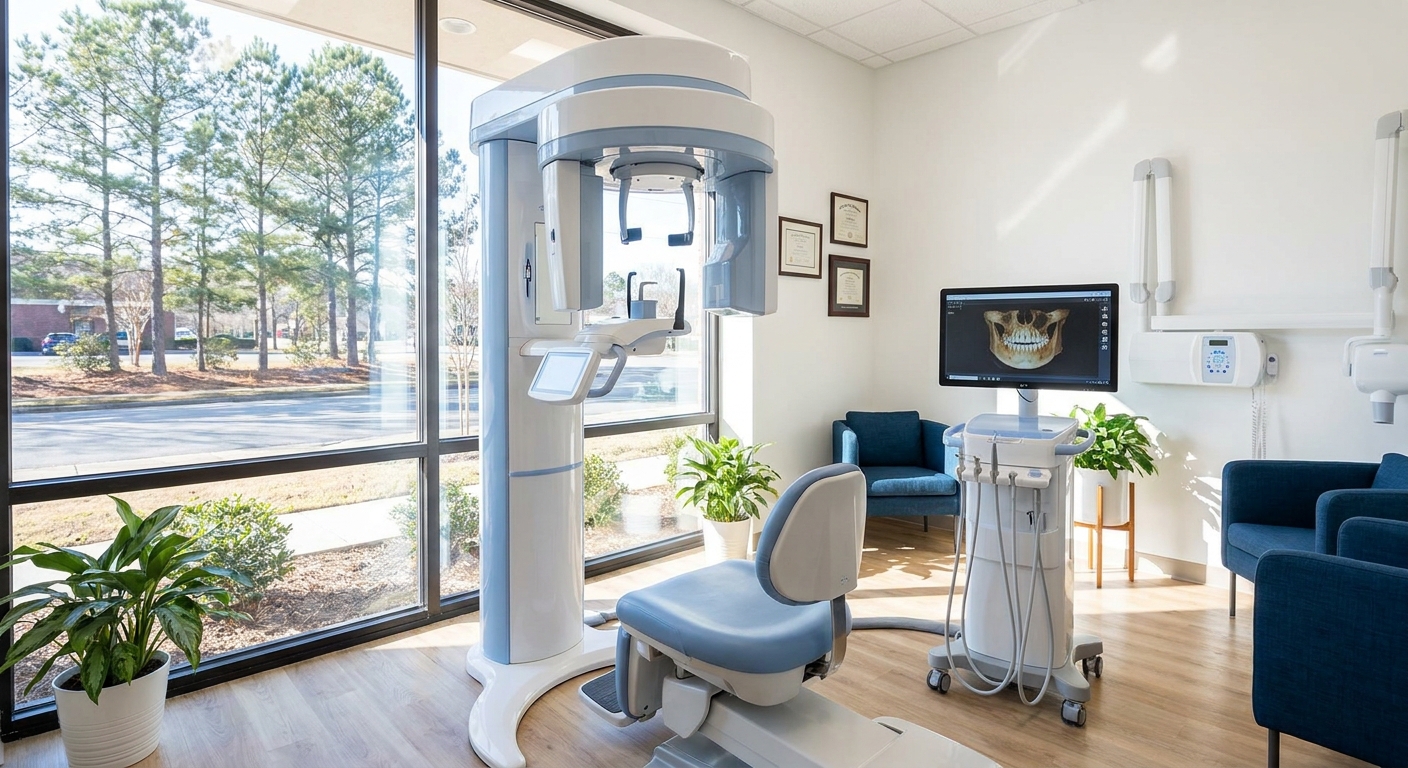
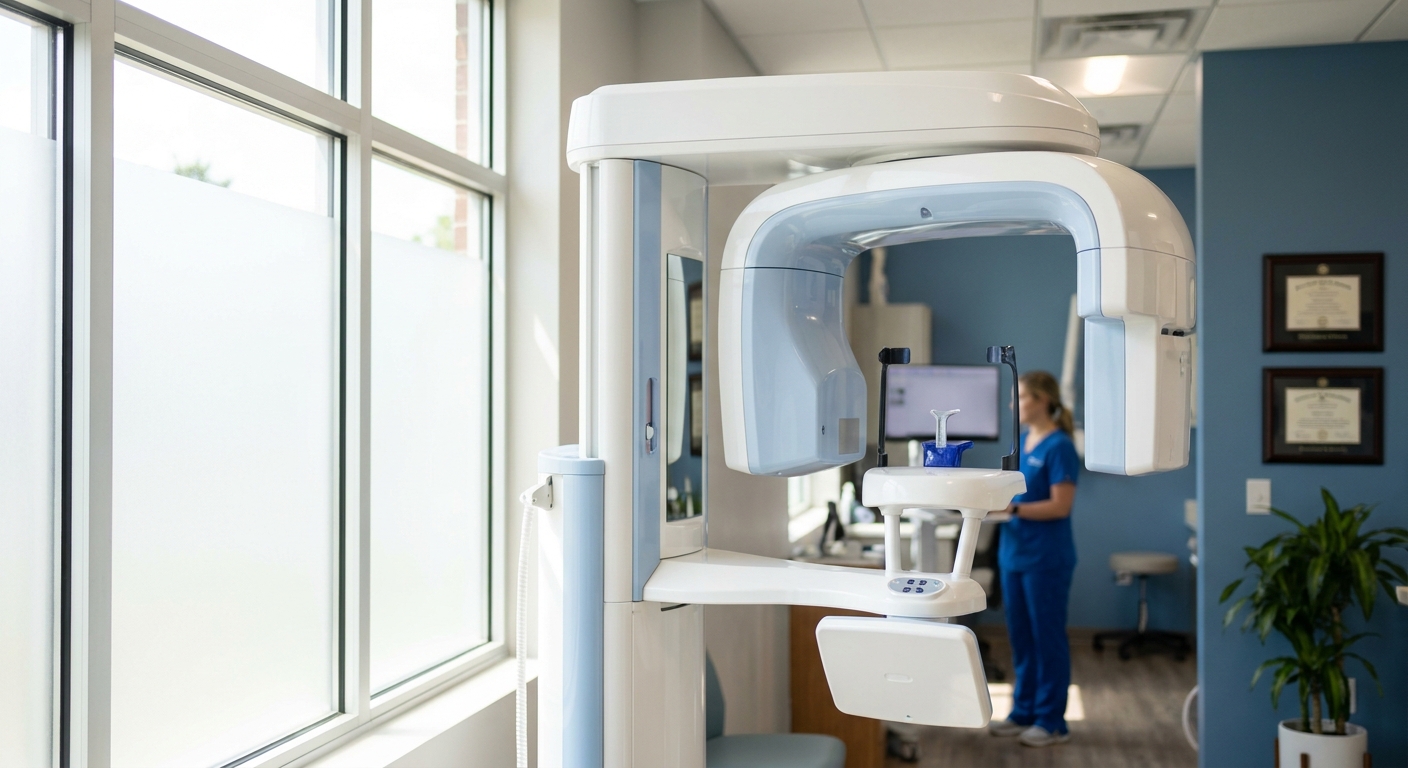
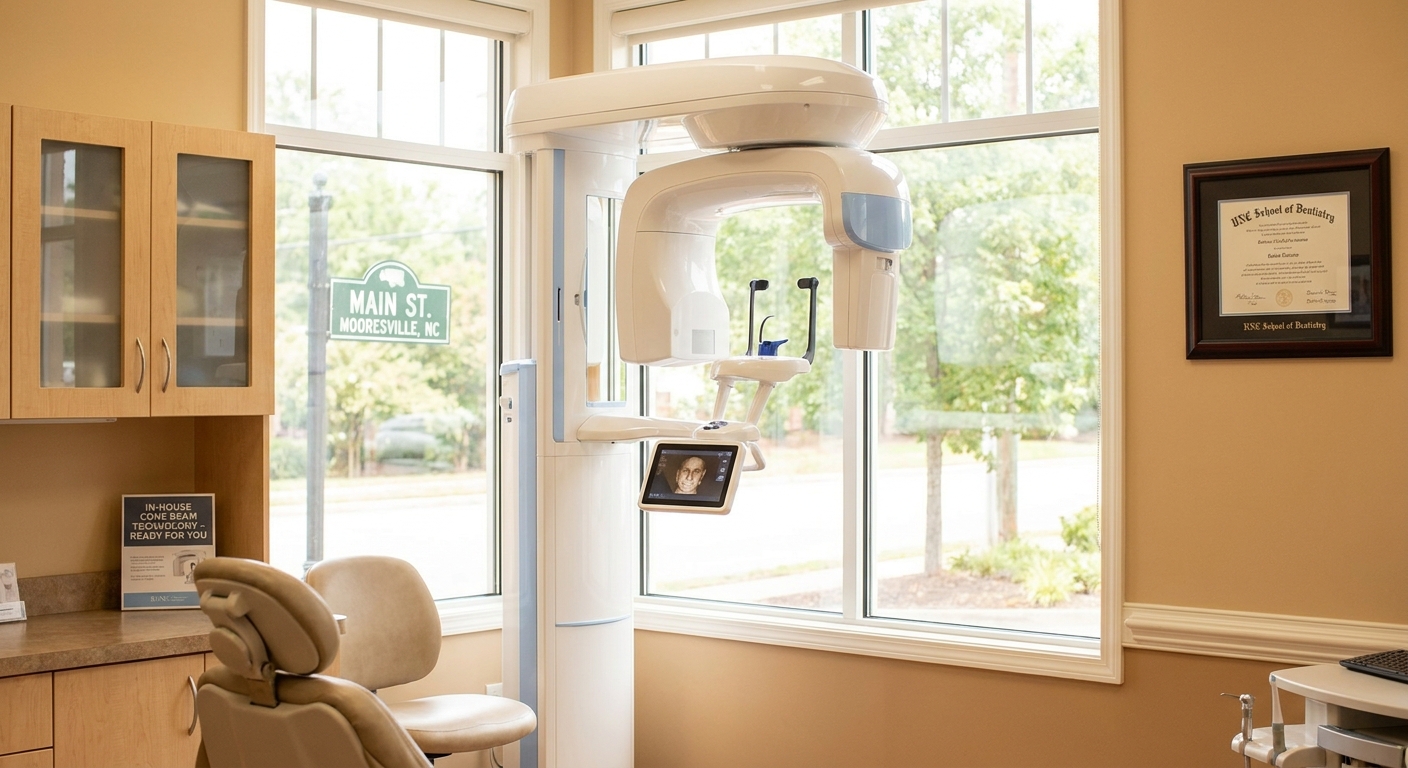
A well-equipped office with digital radiography, cone beam CT, and surgical microscopes enhances diagnostic precision. Three-dimensional imaging helps detect hidden cracks and assess bone involvement. Ask prospective dentists about their assessment tools and whether they use magnification during restorative procedures.
Accessibility matters too. A 24/7 emergency line or weekend trauma slots mean you won’t wait until permanent damage occurs. Confirm their protocols for after-hours injuries—some clinics partner with emergency departments, while others have on-call specialists.
Patient communication
A trusted provider discusses all treatment options, including risks, benefits, and costs. You should feel comfortable asking about alternative materials—like porcelain onlays versus full crowns—and their recommendations for preserving as much natural tooth as possible. If you need an initial structural review, request an evaluation for damaged teeth to explore your specific needs.
Ultimately, choose a dentist who treats you as an active partner in your care, ensuring you fully understand each step toward recovery.
Expect comprehensive assessment
Once you’ve selected a dentist, the first appointment centers on detailed evaluation. This comprehensive process identifies the full extent of trauma, uncovers underlying issues, and sets the stage for a tailored treatment plan.
Visual and tactile examination
Your dentist begins with a thorough visual inspection under bright light and magnification. They look for enamel cracks, chips, discoloration, and soft tissue injuries. A gentle tactile probe checks for rough spots or separated enamel layers. This hands-on check often reveals microfractures invisible to the naked eye.
Radiographic imaging
Digital X-rays are the gold standard for detecting root fractures, pulp involvement, and bone-level damage. In some cases, a cone beam CT scan provides three-dimensional views, revealing the exact location and depth of cracks or the presence of bone fragments. This imaging helps determine whether you need a filling, a crown, a root canal, or even a surgical approach.
Functional testing
Your dentist assesses how your teeth meet when you bite and how they handle lateral pressures. A bite test with articulating paper identifies areas that concentrate force and might worsen a crack. In cases of suspected root fracture, a bite stick test—where you gently bite down on a small wooden stick—helps isolate the affected tooth.
Pulp vitality assessment
A cold or electric pulp tester gauges the health of the tooth’s nerve tissue. If pulp vitality is compromised, you may require root canal therapy to remove infected tissue and prevent abscess formation. Prompt root canal treatment can save an at-risk tooth that would otherwise need extraction.
Soft tissue and occlusion review
Trauma often impacts surrounding gums, lips, or even the jaw joint. Your dentist examines soft tissues for lacerations, bruising, or swelling and assesses your temporomandibular joint for displacement or pain. Addressing these findings ensures a holistic recovery that goes beyond the tooth itself.
Explore restorative options
With a clear diagnosis in hand, your dentist guides you through restorative strategies focused on preserving tooth structure, restoring function, and preventing recurrence. Each option is selected based on the type and severity of damage, your budget, and your long-term goals.
Bonding and fillings
For minor chips and superficial cracks, tooth-colored composite resin bonding can rebuild enamel without removing healthy structure. This minimally invasive approach offers a quick fix and restores a smooth biting surface.
Dental crowns and onlays
When damage extends beyond the enamel, crowns or onlays provide robust coverage. An onlay covers only the damaged cusp, conserving more natural tooth than a full crown. Crowns encase the entire tooth, offering maximum strength for extensively fractured or weakened teeth.
Both options require precise impressions—or digital scans—and temporary restorations while the permanent piece is crafted.
Root canal therapy
If trauma injures the pulp, you’ll need root canal treatment to remove inflamed tissue and disinfect the canals. Once cleaned and sealed, the tooth often receives a crown for added protection. Early intervention can save many teeth that would otherwise be lost.
Replantation and splinting
In cases of an avulsed (knocked-out) permanent tooth, immediate replantation within minutes yields the best prognosis. If you can’t replant on site, keep the tooth moist in saliva or cold milk and seek emergency care [1]. Your dentist then stabilizes the tooth with a flexible splint for one to two weeks.
Extraction and replacement
When a tooth is irreparably damaged, extraction may be necessary. Your dentist discusses replacement options—such as dental implants, bridges, or removable partial dentures—to restore chewing function and prevent neighboring teeth from drifting.
Maintain long-term stability
Restorative treatment marks a major milestone, but long-term success relies on ongoing care and preventive strategies. Your dentist partners with you to protect restored teeth and minimize future trauma.
Night guards and protective appliances
If you grind or clench, a custom night guard shields your restorations and natural teeth from excessive force. For athletes, a custom-fitted mouthguard significantly reduces the risk of new injuries; high-quality guards can cut sports-related dental trauma by up to 60 times [2].
Regular check-ups and imaging
Schedule biannual visits so your dentist can monitor restorations, detect early signs of wear, and perform bite adjustments. Periodic X-rays catch developing cracks before they escalate, ensuring you maintain optimal oral health.
Oral hygiene and lifestyle
Maintaining strong enamel and healthy gums supports structural integrity. Brush gently with a soft brush, floss daily, and consider topical fluoride applications to fortify enamel. Avoid chewing ice, hard candies, or using your teeth as tools.
Emergency preparedness
Keep your dentist’s emergency contact information readily available. If you feel a crack worsen or experience sudden pain, call immediately rather than waiting for your next routine visit. Early intervention continues to be your best defense against complex, costly procedures.
By recognizing the signs of dental trauma, choosing the right dentist for dental trauma, and adhering to a comprehensive care plan, you can preserve your natural teeth, maintain a healthy bite, and protect your smile for years to come.