You’ve rescheduled the appointment twice, or maybe you never booked it at all, and every time a tooth twinges you tell yourself you’ll call next month once things calm down. It isn’t that you don’t care about your teeth. Something happened the last time you sat in that chair, and your body still remembers it, even if you’d rather not talk about it. If you’ve been looking for a dentist for fearful patients in Mooresville, NC, this is how we do things at Rivers Edge Dental: we deal with the fear first and the tooth second, and nobody lectures you about how long it’s been.
This page walks you through all of it, from what happens before any dental work to how the dentist picks a sedation level, what your first visit feels like, and what it costs, so nothing gets left vague.
Why Dental Fear Is a Clinical Condition, Not a Character Flaw
Dental fear is a real, recognized anxiety response, and for a lot of people it goes back to one specific bad visit. It doesn’t mean you’re weak, dramatic, or difficult, and nobody here expects you to just push through it.
Here’s how it often works. Maybe a numbing shot didn’t fully take and the dentist kept going anyway, or you raised your hand and nobody stopped, or someone made a comment about your teeth that stuck with you for years. Your brain filed that moment under “danger,” so now the smell of the office, the sound of the suction, or even a reminder text can set off the same alarm.
A clinical review on PubMed Central explains that dental anxiety and phobia can meet formal diagnostic criteria and respond to structured behavioral treatment. In plain words, this is a known pattern, and there’s a known way through it.
You’re also far from the only one. Researchers reported in 2025 that dental fear is widespread, and that matches what we hear in our chair every single week. The dentist at Rivers Edge tells patients this directly: you are not alone with this fear, it’s super common.
So why does it matter that we call it clinical? Because it changes how your care gets planned. If fear is just “nerves,” a dentist might tell you to relax and get started. If fear is a real response to past dental trauma, it gets the same careful thinking as a cavity or a cracked tooth, so we figure out where it came from, what sets it off, and which tools might help keep it quiet long enough for you to get the care you need. That’s what we work toward at Rivers Edge Dental. And the gap in your care? That’s often a symptom of the fear, not a personal failure, and we don’t lecture anybody about it.
What Happens Before Anyone Touches Your Teeth?
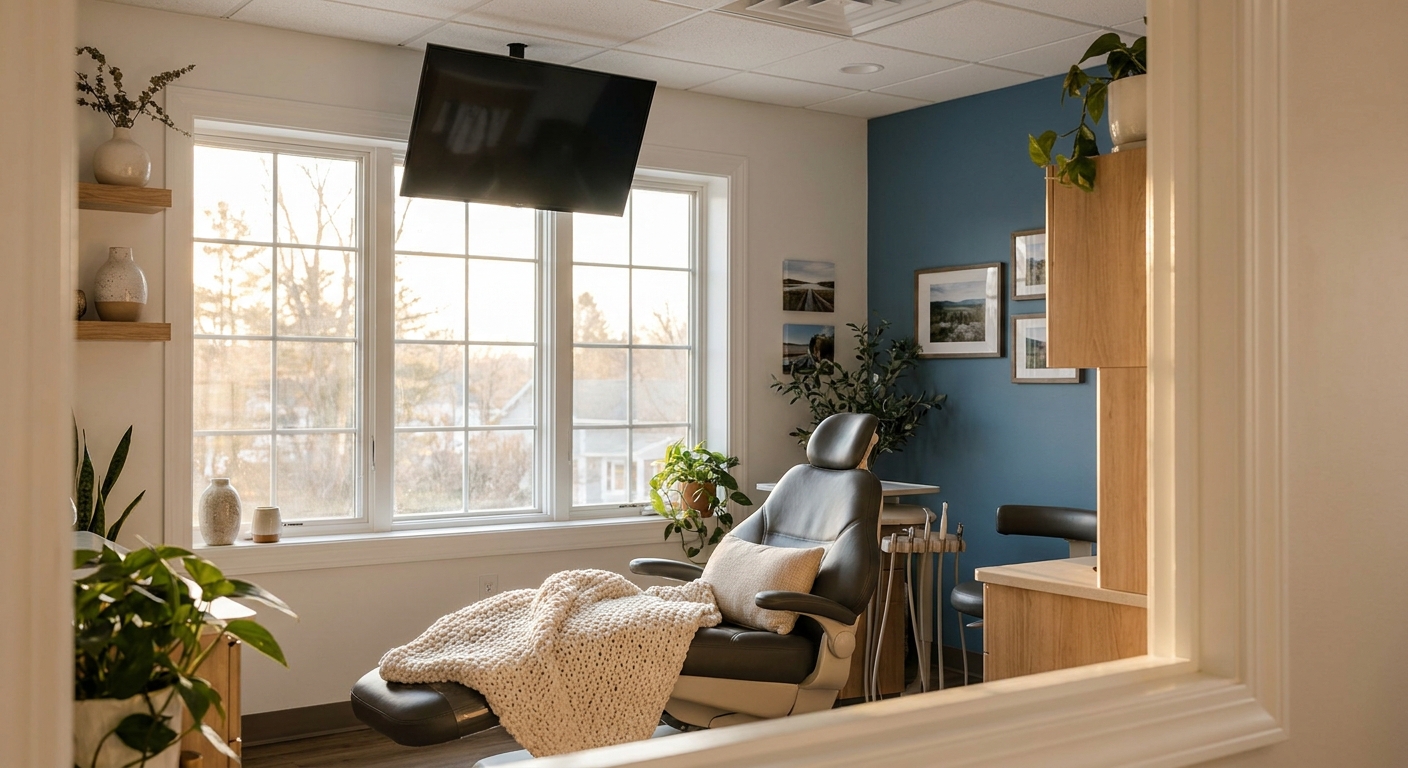
Before any dental work, the dentist sits down facing you, makes eye contact, and gets to know you, starting with what made you afraid. There are no instruments and no X-rays yet, because the conversation itself is the first clinical step.
The questions are specific on purpose. The dentist wants to know whether a particular moment made you more anxious, like a shot that hurt, a procedure that ran long, or a provider who didn’t listen. In the dentist’s words, “I basically get to know their dental trauma,” because you can’t work past something nobody has bothered to name. The team listens the way you’d want to be listened to, almost like a therapy session, and if you need a second to collect yourself, you get one. Nobody’s watching the clock.
While you talk, you’re offered the things that may help your body settle down:
- a glass of water
- a blanket
- headphones, so you can tune out the sounds that bother you
- a weighted blanket, if you like that steady pressure
These aren’t decorations. For a lot of fearful patients, the whine of the handpiece or feeling cold and exposed in the chair is part of the challenge, so we take care of it up front.
Then the dentist goes over every comfort and sedation option with you, including what each one feels like and roughly what it costs, so you’re choosing with real information instead of guessing. Some people decide on nitrous right then, some want to think it over, and some just want a cleaning first to see how it goes. All of those are fine.
The goal of this first conversation is simple: you leave feeling heard and understood. The dentist calls that the first step in working with fear, and it’s also the step that’s easiest to skip when a schedule is packed, which is exactly why we don’t skip it.
How Does a Dentist for Fearful Patients Decide Which Sedation You Might Need?
With that conversation done, the next question is how much help you might need. At Rivers Edge Dental, sedation works in tiers. You start with nitrous oxide, and the dentist only steps up to an oral sedative, or a combination of the two, if nitrous alone isn’t enough for your particular situation. The decision depends on how anxious you feel, what triggers you, and whether remembering the visit bothers you.
Think of it like a ladder: you start on the lowest rung that might get you comfortable, and you only climb if you need to. The idea is to meet the patient halfway, giving you enough help to feel safe without giving you more medicine, more cost, or more risk than your situation calls for.
Before any sedation, the dentist reviews your full medical history, including current medications, allergies, and any reaction you’ve had to sedation in the past. During treatment, you’re on monitors the whole time.
Nitrous Oxide: The Starting Point for Many Fearful Patients
Nitrous oxide, sometimes called laughing gas, is the first option the dentist often offers because it’s the easiest. You breathe it through a small mask over your nose, and many people describe a light, floaty, “I don’t really care about this” feeling, though individual experiences vary.
The dentist titrates it, which means adjusting the level a little at a time until you say you feel comfortable. You’re part of that decision, not just along for the ride.
Nitrous wears off quickly once the mask comes off, so you can usually drive yourself to and from the appointment. That matters if you’re squeezing a visit between work and school pickup and don’t want to line up a ride. The dentist charges for nitrous as part of the visit, and most patients find it manageable when balanced against the relief of actually getting through treatment.
Oral Sedation When You May Need More Help Staying Calm
If nitrous alone doesn’t get you there, the dentist can prescribe an oral sedative. The usual choice is Valium (diazepam) 10 mg, taken one hour before your procedure. Valium may take the edge off the anxiety, though patients typically still remember the visit afterward.
If you’re really worried about remembering the procedure, the dentist uses triazolam 0.25 mg instead, which you may know by the brand name Halcion. It’s often a better fit when the memory of the visit is part of what scares you.
To go a step further, Valium and nitrous can be combined, and when an oral sedative is part of the plan, nitrous is kept at or below 50%. Those are the doses the dentist commonly prescribes, but the final call comes after your health history review, not from a chart on the wall. With any oral sedative, plan on someone driving you to and from the visit.
There is a level above all this, and that’s IV sedation. The dentist steers patients toward nitrous and oral options first because they carry less medical risk and don’t require the same monitoring equipment or recovery time. As the dentist puts it, “I’m not gonna upsell anything.” If a lighter option might get you comfortable, that’s the one you get.
What Might Your First Visit Feel Like?
Knowing the options is one thing, but most people want to picture the actual day. Your first visit moves at your pace: the conversation, then the comfort tools, then sedation if you chose it, then a manageable amount of dental work with breaks whenever you need them. You stay in control the whole time, and nothing gets rushed just to finish a list.
Here’s what that might look like. You come in and settle into the chair with your blanket, weighted blanket, or headphones, whatever helps. If you’re using nitrous, the mask goes on and the dentist slowly raises the level, checking in with you until you say you’re comfortable. If you took Valium or triazolam, you swallowed it an hour earlier and someone drove you in. Either way, the monitors go on before any work starts.
The American Dental Association’s guidelines on sedation describe minimal sedation, sometimes called anxiolysis, as a state where you can still breathe on your own and respond normally when someone talks to you. That’s the zone nitrous and oral sedatives are meant to keep you in, so you’re calm but you’re still you, and you can still tell us when you need a second.
The broader approach involves gradual exposure, the same framework the research above describes. Your first visit might be a consultation and a cleaning, nothing more. If you need crowns, fillings, or a root canal, the dentist lays out a comprehensive treatment plan so you see the full picture, and then helps you phase it, so you don’t have to tackle everything in one sitting. Each visit that goes okay may teach your brain a new lesson: this chair isn’t the one from before.
That’s what we’re working toward. When someone who walked in expecting the worst gets through a visit and books the next one on their own, the dentist calls that “our true wins.”
Why an Independent Practice Handles Fearful Patients Differently
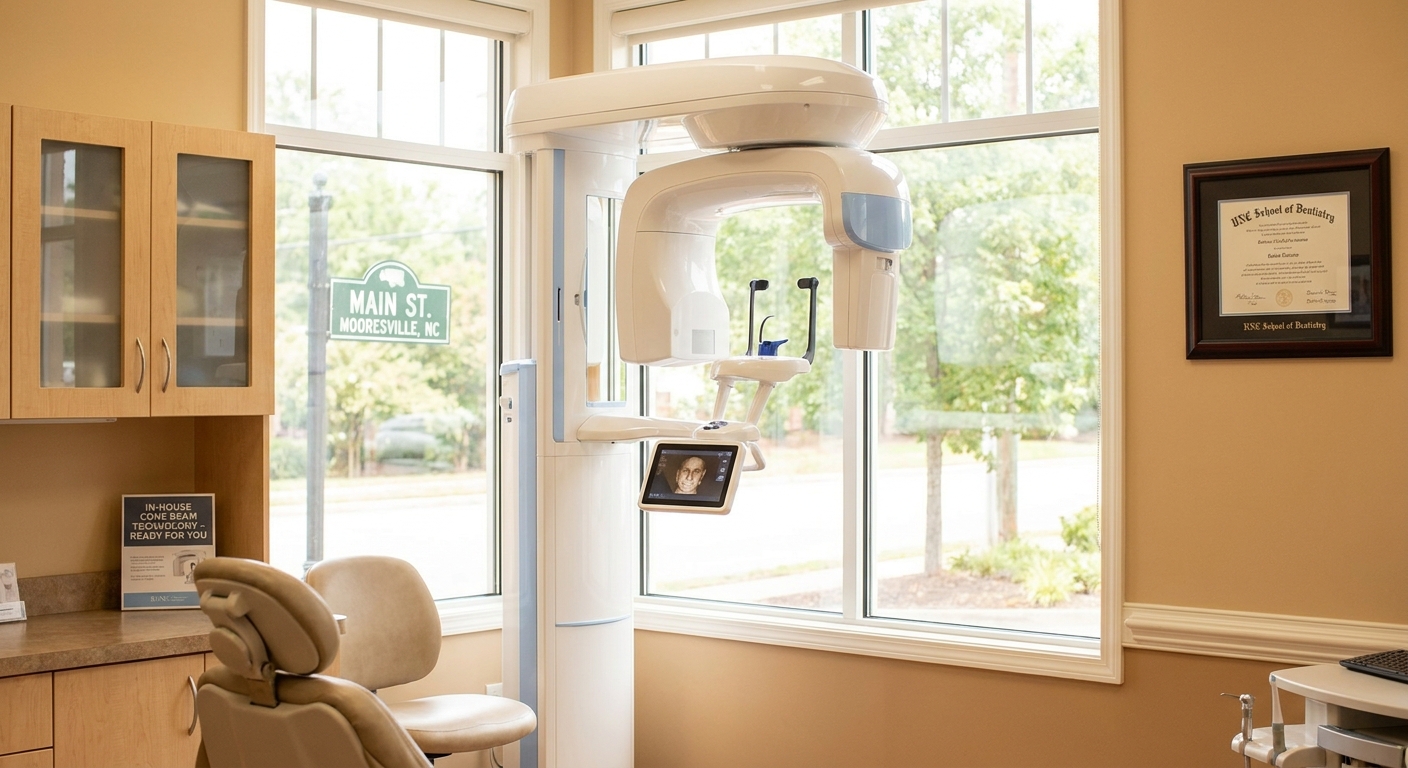
Part of what makes that pace possible is how the practice is set up. Rivers Edge Dental is an independent practice in Mooresville, NC, not part of a corporate dental group, which means the dentist decides how long a fearful patient’s visit takes and personally sits with every one of them before treatment begins.
In a high-volume office, the schedule runs the day, appointments get stacked, and there’s pressure to keep chairs moving. For most patients that’s just an inconvenience, but for a fearful patient it can be part of the problem, because being rushed is sometimes what created the fear in the first place. Being independent lets us build the schedule around the person in the chair instead. That’s really the difference a dentist for fearful patients should make: time, not just medicine.
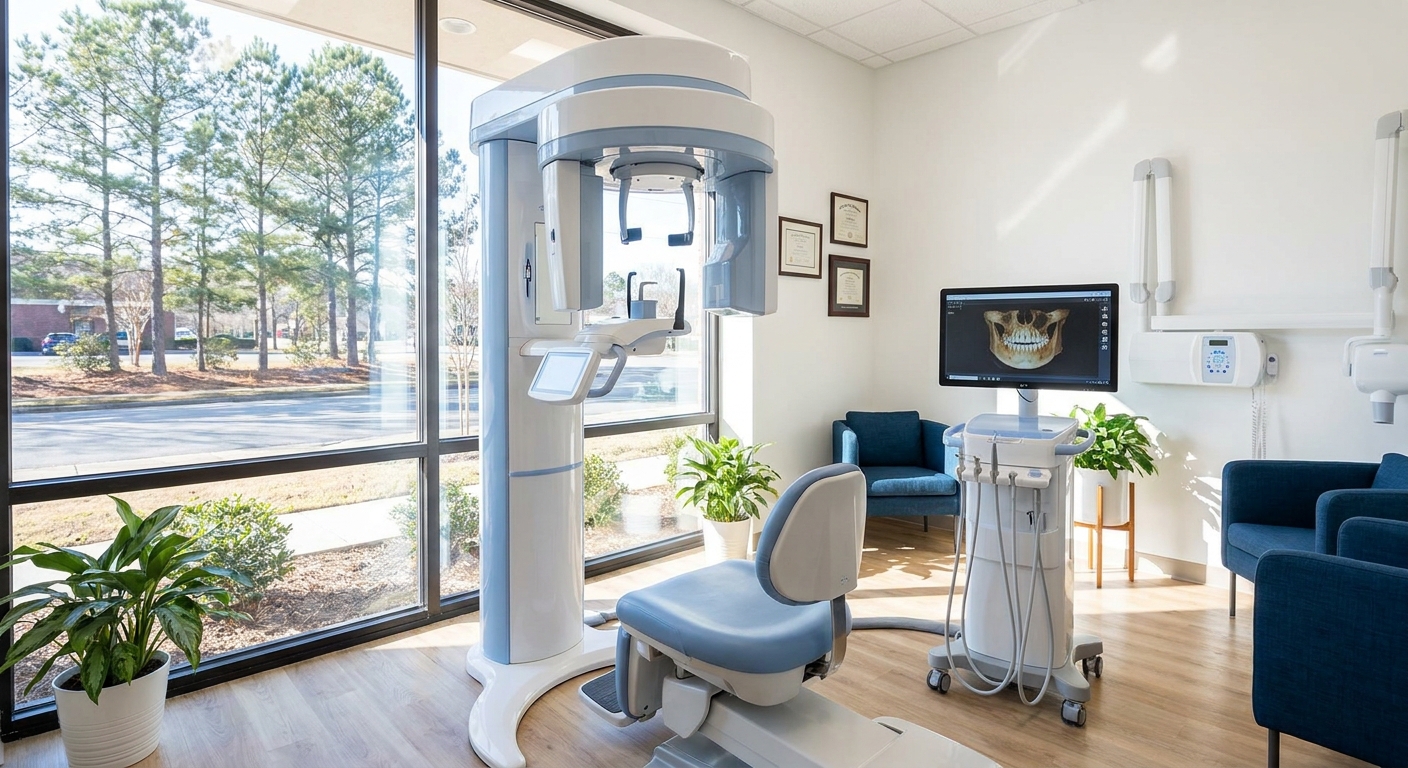
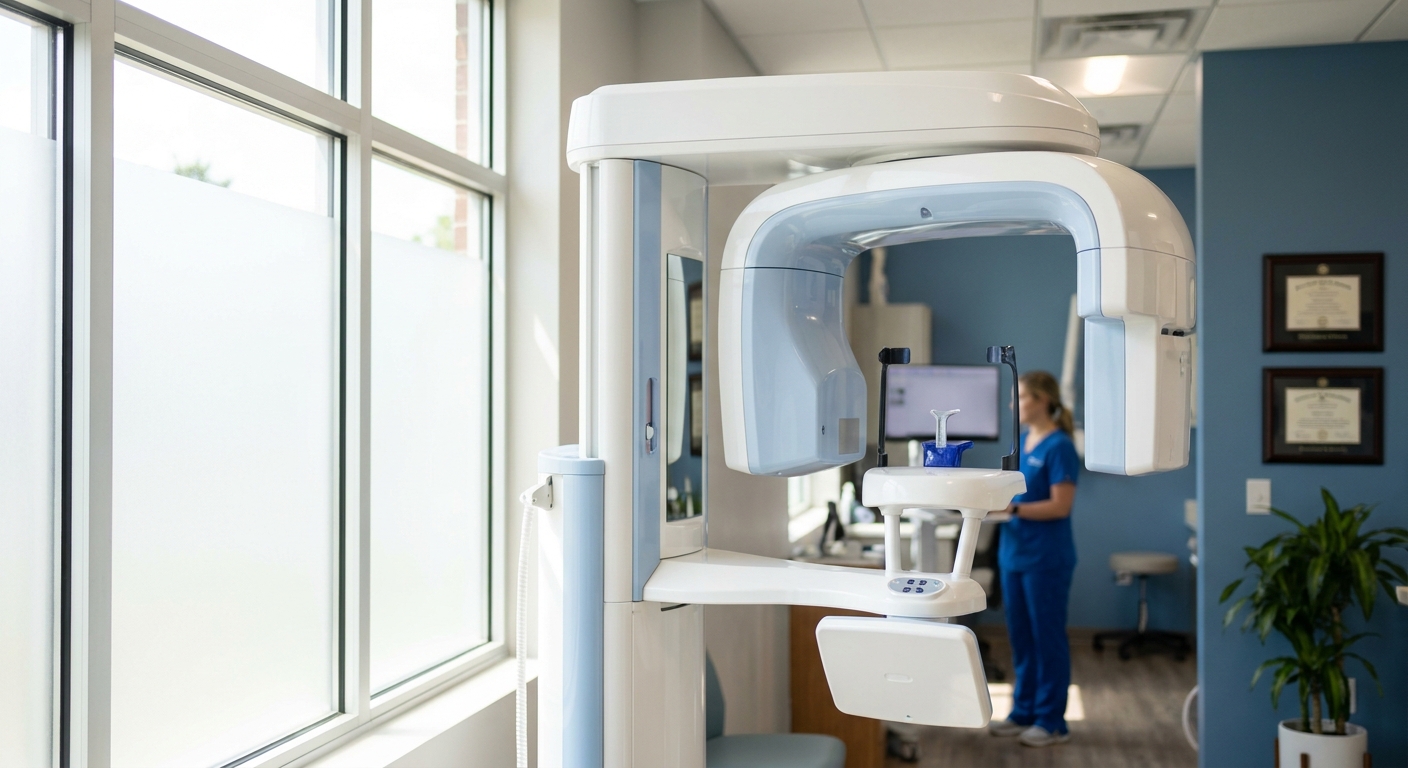
It also shapes how we recommend treatment. The dentist is conservative by nature and will tell you straight what can wait and what can’t. Say a tooth has craze lines, the fine surface cracks in enamel that many adults have, and they aren’t causing problems. In the dentist’s words, “I wouldn’t cut those teeth.” When we do place a filling or crown, we take a postop bitewing X-ray to check the margins and make sure it fits the way it should. That’s the kind of quiet detail that may keep you from coming back for a redo.
We’re also the whole family dentist. Once you’re comfortable here, your kids and partner can be seen in the same office by people who already know your history, and if you’re nervous, there’s a good chance your kids have picked up on it too, so having a calm, patient team for the whole family matters. That’s the genuine connection we’re after: a dentist you actually know, not a new face every visit.
If you want to vet us before you call, and fearful patients usually do, read our online reviews. Look for people who mention anxiety or a long gap in care, and pay attention to how they describe being treated. That tells you more than any ad can.
What Might Sedation Dentistry Cost You, and Will Insurance Help?
For a lot of people, cost is the other big worry, so here are the numbers. The dentist charges for nitrous as part of the visit, and most patients find it manageable when balanced against the relief of actually getting through treatment. An oral sedative is a prescription, and we’ll review that cost with you before your visit. IV sedation is the highest tier and typically reserved for situations where lighter options haven’t worked. Either way, you get an out-of-pocket estimate before any work starts.
| Option | How it works | Can you drive yourself? |
|---|---|---|
| Nitrous oxide | Breathed through a nose mask, adjusted until you’re comfortable | Yes |
| Oral sedative (Valium 10 mg or triazolam 0.25 mg) | Pill taken about one hour before treatment | No, bring a driver |
| Oral sedative plus nitrous | Pill plus nitrous kept at or below 50% | No, bring a driver |
| IV sedation | Deeper sedation, used only when lower tiers aren’t enough | No, bring a driver |
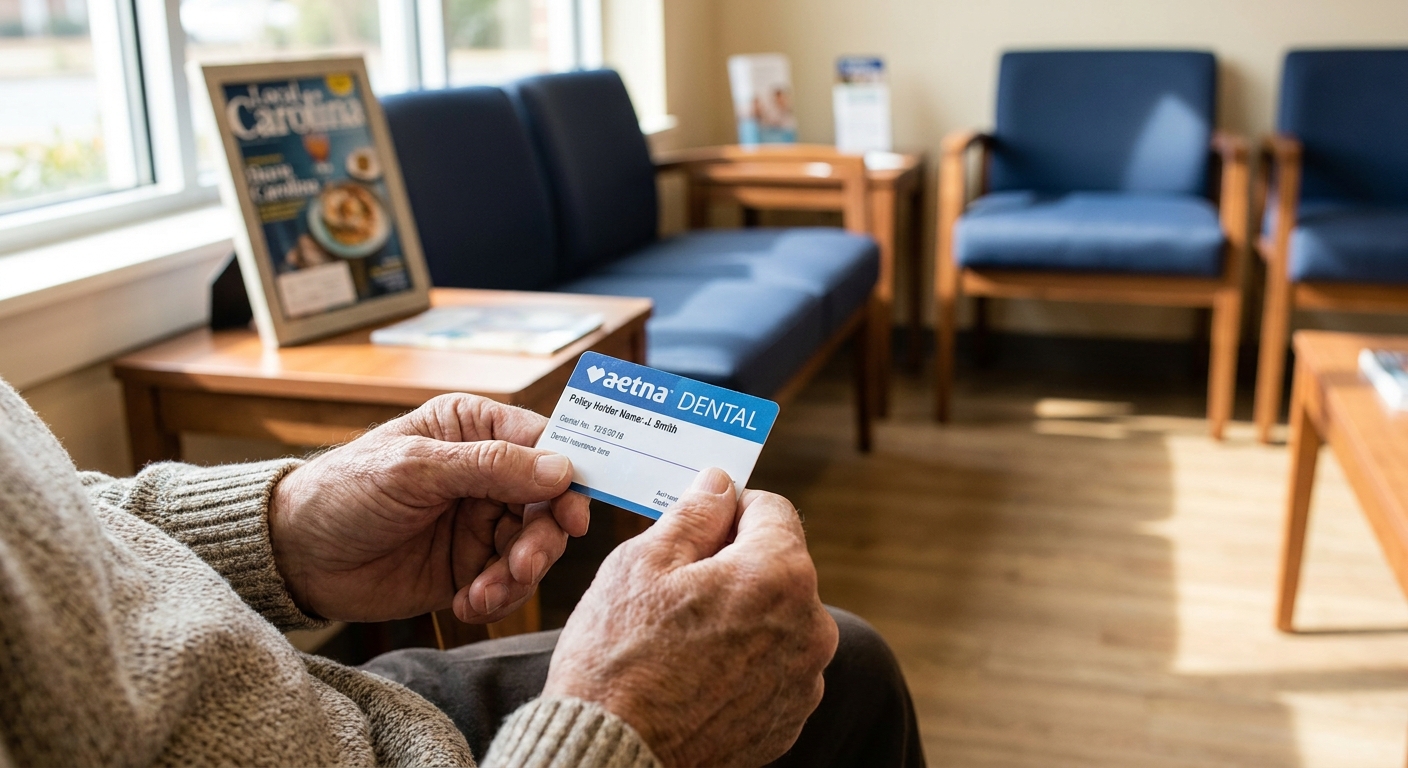
Rivers Edge Dental accepts UnitedHealthcare, Delta Dental, Aetna, Principal, and BlueCross BlueShield of North Carolina. Coverage for sedation varies a lot from plan to plan, since some plans help with part of it and some don’t cover it at all, so we check your specific benefits and tell you what your plan is likely to pay before you commit.
If you need a lot of work after years away, we’ll talk about how to phase it. Sometimes that means splitting treatment across the end of one plan year and the start of the next to maximize both years of benefits, which may make a difference in what you pay out of pocket. If you have questions about paying over time, ask when you call, and we’ll tell you plainly what’s available.
The dentist’s approach to money is the same as the approach to everything else: “I’m just gonna tell you how it is.” For a lot of fearful patients, not knowing the cost is one more reason to keep putting off the call, and we’d rather take that worry off the table on day one.
Questions Fearful Patients Ask Before They Call
These are straight answers to the questions we hear most from people who have been nervous about the dentist for a long time.
Will I be judged for not going to the dentist in years?
No. At Rivers Edge Dental, the gap in your care is treated as a symptom of the fear, not a personal failure. Your first conversation is about understanding what made you afraid, not about how long it’s been, and we look at where things stand today and build a plan from there.
Can I drive myself home after nitrous oxide?
Yes. Nitrous oxide wears off within minutes after the mask comes off, so you can drive yourself to and from your appointment, which is one of the main reasons the dentist offers it first. If you take an oral sedative like Valium or triazolam, you’ll need someone else to drive you.
What’s the difference between Valium and triazolam for dental sedation?
Valium 10 mg, taken an hour before your visit, may calm general anxiety, though most people still remember the appointment. Triazolam 0.25 mg is used when you’d rather remember less of the procedure. The dentist chooses between them after reviewing your health history and what worries you most.
How much does sedation dentistry cost at Rivers Edge Dental?
The dentist charges for nitrous as part of the visit, and we review prescription costs for oral sedatives with you ahead of time. We go over your out-of-pocket estimate before any work starts. The dentist starts with the lightest option that might get you comfortable, which helps keep both the cost and the medical risk lower.
Do I have to do all my dental work in one visit?
No. The dentist builds a comprehensive treatment plan and then helps you phase it at a pace you can handle. Many fearful patients start with a consultation and a cleaning to build trust, and fillings, crowns, or other restorative work come later, once you know what to expect.
What if I’ve had a bad reaction to sedation before?
Tell us during your consultation. The dentist reviews your full medical history, including past reactions, allergies, and current medications, and adjusts the sedation plan based on what you share. You’re on monitors throughout treatment, and if an option isn’t a safe fit for you, we’ll say so and talk through alternatives.
Ready to Start With a Conversation Instead of a Procedure?
Your next step is one phone call to Rivers Edge Dental in Mooresville to schedule a consultation with a dentist for fearful patients who will listen to your specific fears and design a sedation plan designed to help you feel more comfortable and at ease during your personalized care. You don’t have to commit to any treatment on that call, and you don’t have to explain your whole history over the phone.
Here’s one thing you can do before you dial. Think about the single moment from a past dental visit that still makes your stomach drop, and jot it down on a sticky note or in your phone. It might be a shot that didn’t work, a dentist who wouldn’t stop, or something someone said. Bring it to your consultation, because it’s the first thing the dentist will ask about, and having it ready means the hardest part of the conversation is already done.
You Don’t Have to Face Your Next Visit Alone
If past experiences have made you hesitant about dental care, the team at Rivers Edge Dental understands that fear is real and valid. We’ve helped many Mooresville patients who thought they could never sit comfortably in a dental chair discover that compassionate, patient-centered care can change everything. When you’re ready to explore what gentle dentistry might look like for you, we’re here to listen first and answer any questions you have.
Individual responses to sedation and treatment vary, and no dental practice can predict outcomes for every patient.