You may be experiencing a dull ache or sharp twinge that lingers long after you’ve finished chewing, which often signals an inflamed tooth. When you search for a trusted dentist for inflamed tooth, you need someone who can pinpoint the source of your discomfort and treat it before the problem worsens. Early professional evaluation can help you avoid complications like abscesses or the need for emergency care.
Left unchecked, inflamed tooth pain can disrupt your daily life and even affect your sleep. By understanding the warning signs, knowing what diagnostics to expect, and choosing a dentist with the right expertise, you can regain relief and protect your oral health. This guide walks you through each step—symptom recognition, diagnostic options, dentist selection, appointment preparation, and follow-up planning—to empower you to make informed decisions.
Identify inflamed tooth symptoms
Persistent and throbbing pain
A steady, throbbing ache that lasts for hours or returns frequently is one of the clearest indicators of inflammation in the tooth pulp. If over-the-counter pain relievers fail to dull the ache, you may be dealing with more than routine sensitivity—this is often called a persistent toothache and should prompt a persistent toothache evaluation. Such discomfort can stem from deep decay, a cracked tooth, or infection spreading into the nerve chamber, all of which require prompt professional attention.
Discomfort on biting or chewing
Sharp, localized pain when you bite down usually means there’s pressure or inflammation in the supporting structures of a tooth. Many patients describe it as a sudden sting followed by lingering soreness. When chewing becomes painful on one side, consider consulting a specialist in pain when biting tooth and tooth pain when chewing dentist services to identify whether the issue is in the enamel, dentin, or pulp.
Sensitivity and pressure
If sipping hot coffee or ice water sends a jolt through your jaw, you’re experiencing temperature sensitivity that often accompanies an inflamed tooth. You may also notice discomfort when mild pressure is applied, such as during routine toothbrushing. For a detailed evaluation of temperature-triggered pain, look for a provider skilled in sensitivity pain dentist evaluation and pressure pain tooth dentist assessments.
Recognize when to seek care
Signs of infection
Inflamed teeth can progress to infection if bacteria invade the pulp chamber. Watch for facial swelling, persistent bad taste or odor in your mouth, and fever, as these can indicate an abscess under the gum line. Applying a cold compress intermittently to your cheek may temporarily reduce swelling and pain before your appointment [1]. But these measures only address symptoms—you still need a professional evaluation to stop an infection from spreading.
A pocket of pus around the root can lead to serious complications if not drained and treated.
Prompt care is essential if you suspect an abscess.
Emergency indicators
Some red-flag symptoms require immediate attention. If you experience severe, unrelenting pain accompanied by fever and chills, seek an emergency dentist rather than waiting for a routine consultation. Uncontrolled infection can travel to the jawbone or bloodstream. When over-the-counter relief fails completely, a specialist listed under dentist for possible tooth infection or dentist for tooth infection symptoms can intervene before a small issue becomes a crisis.
Explore dental diagnostics options
Accurate diagnosis begins with a thorough clinical exam and appropriate imaging. During your initial visit, the dentist will inspect the tooth and surrounding gum tissue, then probe for areas of deep decay or cracks. Next, they’ll recommend radiographic tests to assess the internal structure of the tooth and the extent of any infection.
| Diagnostic tool | Purpose | What to expect |
|---|---|---|
| Clinical examination | Visual and tactile assessment of tooth and gums | Mouth mirror and explorer instrument to check sensitivity and detect fractures |
| Bitewing X-rays | Identify decay between teeth | Low-radiation films placed briefly in the mouth |
| Periapical X-rays | Examine entire tooth from crown to root tip | Reveals infections or bone loss around the root |
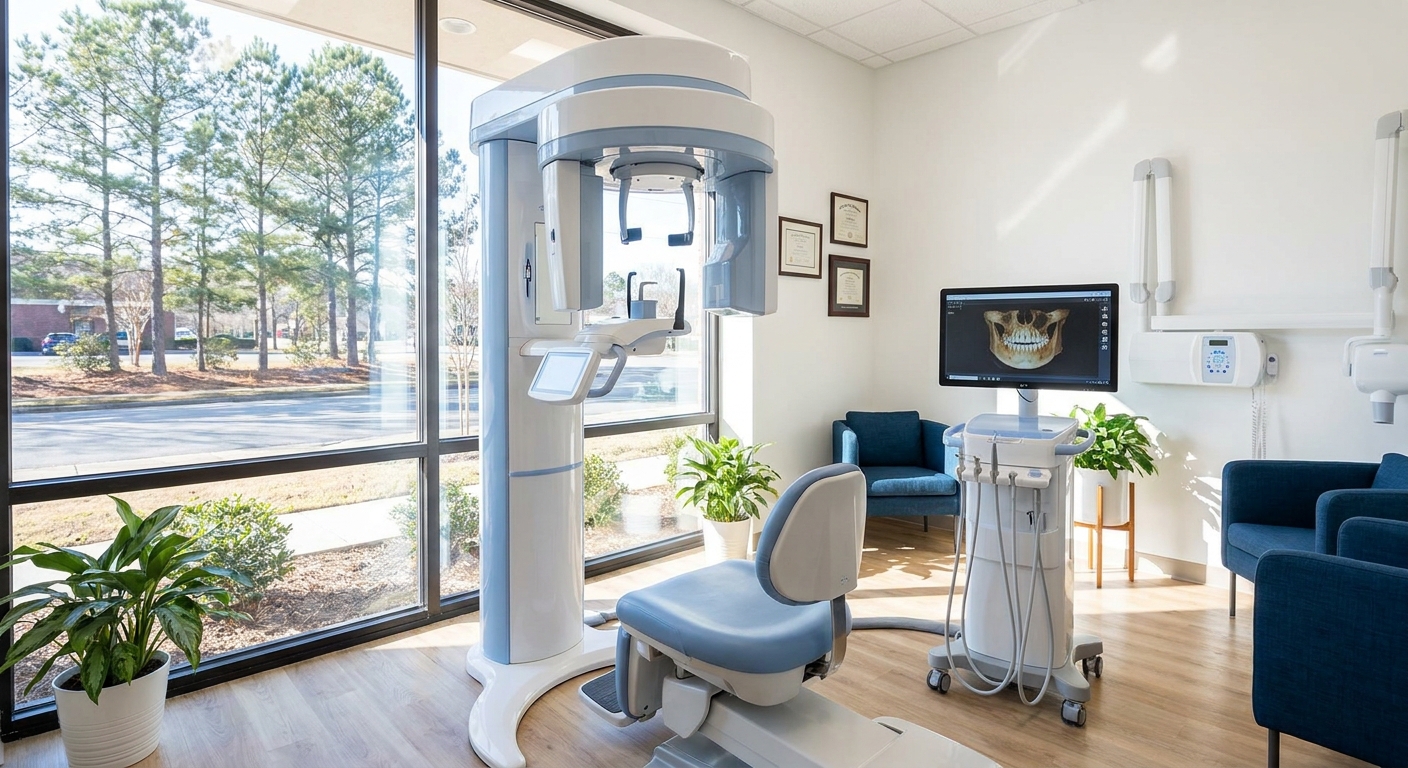
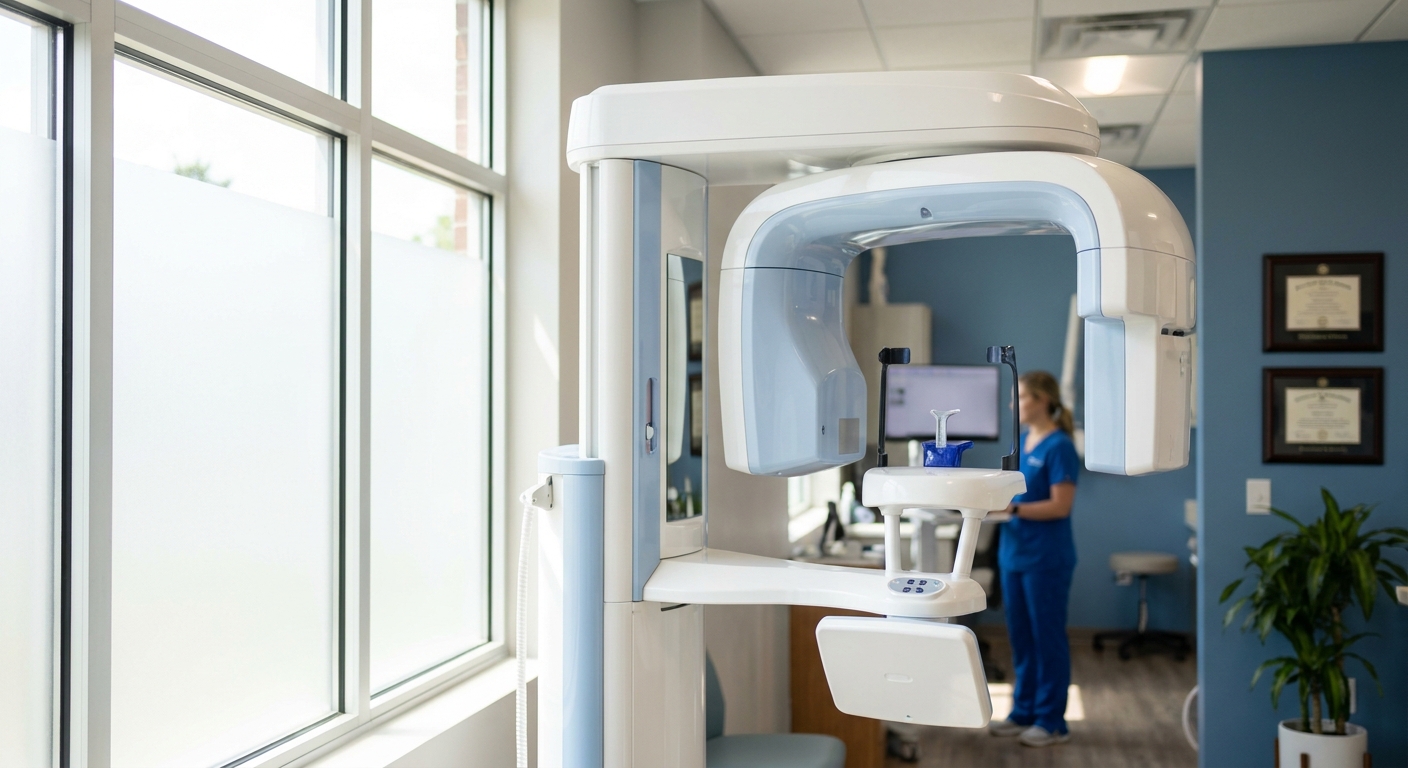
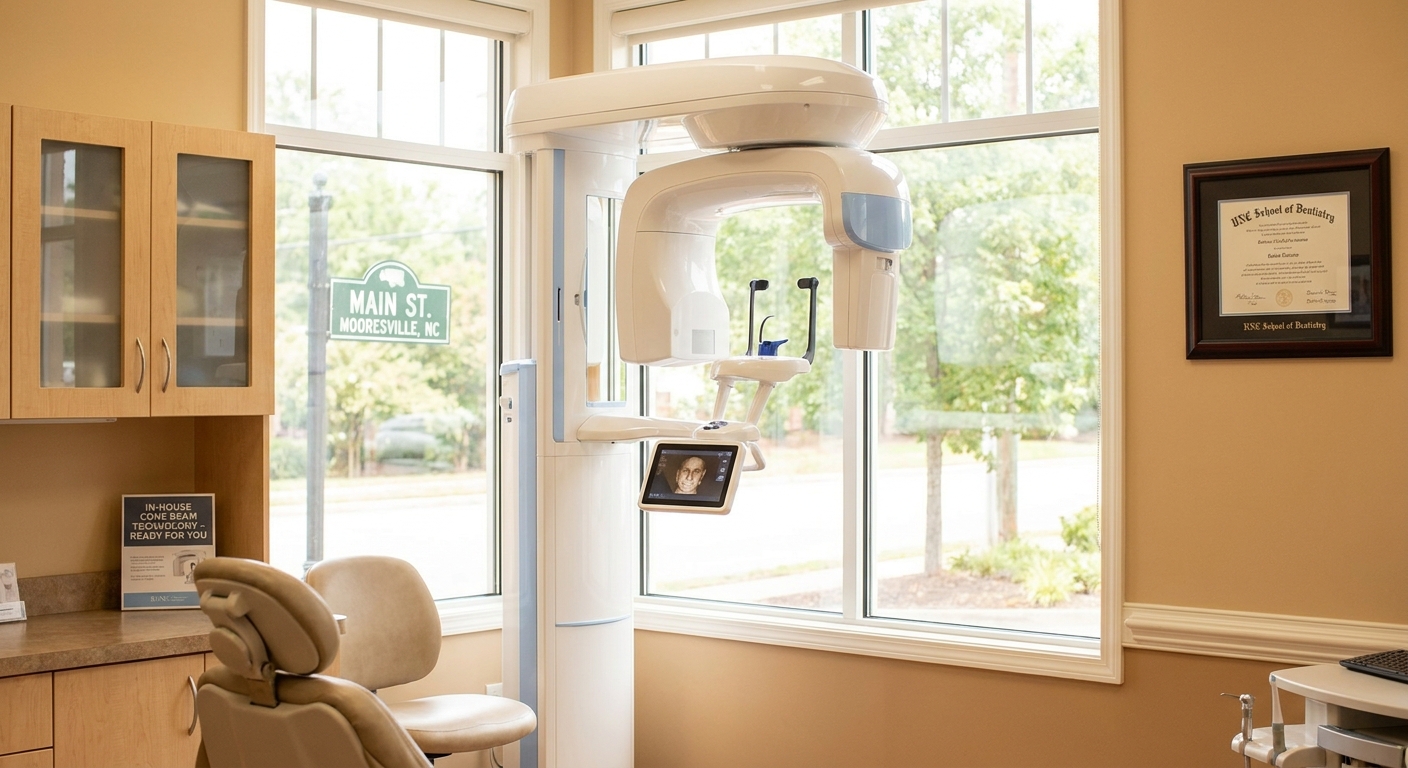
| Cone-beam CT scanning | 3D view of tooth anatomy and surrounding bone | Short scan provides detailed cross-sectional images |
After imaging, your dentist will review results in a step-by-step evaluation for tooth pain and tooth discomfort exam dentist session. If additional expertise is needed—say in endodontics—they may refer you for specialized testing before confirming a treatment plan. Scheduling a dental pain assessment appointment early ensures you’ll receive a precise diagnosis without delay.
Evaluate dentist experience and credentials
Professional qualifications
When you look for a dentist in your area, verify that they hold a valid state license and are in good standing with the dental board. For complex cases like inflamed tooth pulp or root infections, consider a practitioner who has completed advanced training in endodontics or restorative dentistry. Specialists who perform root canal therapy regularly tend to have refined techniques and equipment that increase success rates.
Patient reviews and referrals
Online ratings and personal recommendations can give you insight into the dentist’s chair-side manner, reliability, and treatment outcomes. Look for consistent praise of clear explanations, gentle care, and follow-up communication. If you find comments about missed diagnoses or rushed visits, it may be wise to explore other options. Friends, family, and even your general dentist can often point you toward a trusted tooth pain diagnosis dentist.
Emergency availability
Inflamed tooth pain can intensify rapidly, so you want a dentist who offers prompt or same-day appointments. Clinics that allocate slots for urgent cases demonstrate commitment to patient wellbeing and can spare you from unnecessary emergency room visits. Ask whether the practice provides evening or weekend hours, or if an on-call clinician is available for after-hours concerns.
Prepare for your appointment
What to bring
Gather any recent dental X-rays or records from prior visits—these can speed up the diagnostic process and avoid redundant imaging. Make a list of your current medications and note any allergies, especially to local anesthetics. Document the onset and pattern of your pain, including triggers, duration, and what has relieved or aggravated it. Having this information ready helps your dentist pinpoint the problem more efficiently.
Questions to ask
Clarify the dentist’s recommended diagnostic steps before they begin. You might ask: “Which imaging methods will you use and why?” or “What treatment options are available if the pulp is inflamed?” Inquiring about expected costs, insurance coverage, and follow-up care protocols ensures there are no surprises. A well-informed patient can collaborate effectively on a tailored treatment plan.
Plan next steps and treatment
Develop treatment plan
Once your dentist confirms the diagnosis, they’ll outline options based on severity. If decay or minor pulp involvement is detected early, a protective filling or crown may suffice. In cases of irreversible pulpitis or abscess, root canal therapy is typically recommended to remove infected tissue, clean the canal, and seal it for long-term tooth preservation [2]. Extraction and replacement with an implant or bridge is usually a last resort.
Follow-up care
After treatment, you’ll need to monitor healing and maintain good oral hygiene to prevent recurrence. Over-the-counter pain relievers such as ibuprofen (Advil, Motrin) can help manage post-procedure inflammation when taken with food [3]. Rinse gently with warm salt water to keep the area clean [1]. Schedule any recommended check-ups or crown placements, and reach out promptly if you notice new swelling, fever, or persistent sensitivity.
By following these steps—from symptom recognition to dentist selection and treatment planning—you’ll be equipped to choose a trusted dentist for your inflamed tooth. Early diagnosis and expert care protect not only the affected tooth but your overall health.
Take the first step today: book an evaluation and put an end to your tooth pain.