Losing one or more teeth does more than change your smile—it impacts how you eat, speak, and maintain oral health. When you work with a dentist for long term tooth replacement, you tap into professional expertise that preserves bone, bite stability, and overall function. Early involvement of a dental professional turns uncertainty into a clear roadmap, guiding you from evaluation through planning and ongoing care. This article shows you why partnering with a dentist matters and how it sets the stage for lasting results.
A proactive approach protects your smile’s foundation.
Assess tooth loss impact
Understanding what changes after tooth loss helps you appreciate why timely evaluation is crucial. Your dentist examines how missing teeth affect more than just appearance—bite dynamics, bone density, and muscular balance all shift when a tooth goes missing. Ignoring these shifts risks complications down the road, from jaw discomfort to accelerated bone loss.
Functional challenges
The most obvious consequence of a missing tooth is reduced chewing efficiency. You may instinctively favor one side of your mouth, leading to uneven wear on remaining teeth and strain on jaw muscles. Over time, this imbalance can cause soreness in your temporomandibular joint and make eating tougher than it needs to be.
Speech can also change when you lose a front tooth or several back teeth. Subtle airflow and tongue placement adjustments help you form certain sounds. Without teeth in the right spot, pronunciation may feel awkward, and you might avoid social situations that require conversation.
Even simple habits like biting into an apple can become stressful. Chewing on less stable surfaces increases the risk of cracks in adjacent teeth. Your dentist for missing teeth can help you recognize these warning signs before they escalate.
Bone health risks
Each tooth root stimulates the jawbone through daily biting and chewing forces. Once that stimulation stops, your body begins to resorb bone tissue in that area. Over months and years, this bone loss can change your facial profile, creating a sunken appearance around the mouth.
Globally, nearly 23% of seniors have lost all their teeth, leaving them especially vulnerable to dramatic bone resorption [1]. Working with a dentist for long term tooth replacement early helps you counteract this process, preserving bone height and width so that future restorations remain stable.
Bone quality also determines which replacement options suit you best. Low-density or insufficient bone may require preparatory procedures before you can move forward. Your dentist discusses these possibilities and tailors a plan that safeguards both function and form.
Bite collapse signs
A collapsing bite happens when teeth adjacent to the gap tilt or drift into the empty space. This movement disturbs how upper and lower teeth meet, leading to unbalanced forces and potential joint pain. You might notice changes in how your dentures fit or feel like your jaw clicks more than before.
Subtle shifts can occur without obvious symptoms, so a professional occlusal analysis is critical. During an evaluation for tooth replacement, your dentist assesses bite stability to identify early signs of collapse. Catching this early simplifies treatment and prevents more extensive interventions later.
Schedule early evaluation
Don’t wait for pain or visible changes before seeking professional guidance. An early consultation lays the groundwork for a comprehensive plan that addresses your unique needs. Whether you lost a single tooth or several, lining up an appointment gives you clarity on timing, costs, and preparatory steps.
Your consultation roadmap
When you book a session with a dentist consultation for tooth loss, plan to discuss your medical history, lifestyle habits, and aesthetic goals. Your dentist asks about any chronic conditions—like diabetes or osteoporosis—that can influence healing and treatment choices. Open communication ensures your plan fits your overall health.
You’ll review photos and x-rays of your smile, and sometimes 3D imaging is used for a more detailed view of bone structure. Digital scans help your dentist design precise restorations and anticipate any hurdles. This upfront investment in diagnostics saves time and uncertainty later on.
Before you leave, expect a clear outline of next steps. That might include scheduling lab work, coordinating with an oral surgeon if bone grafting is needed, or setting provisional restorations to maintain function. With a cohesive roadmap, you feel confident and supported from day one.
Comprehensive oral exam
A thorough oral exam is the cornerstone of any tooth replacement consultation. Your dentist evaluates gum health, tooth mobility, and signs of infection or inflammation. Healthy soft tissue around the gap improves the success of long-term restorations.
Next comes bite analysis. Using articulating paper and digital occlusion tools, your dentist checks how your teeth come together in different jaw positions. This process uncovers high spots, uneven forces, and potential interferences that might affect a future restoration.
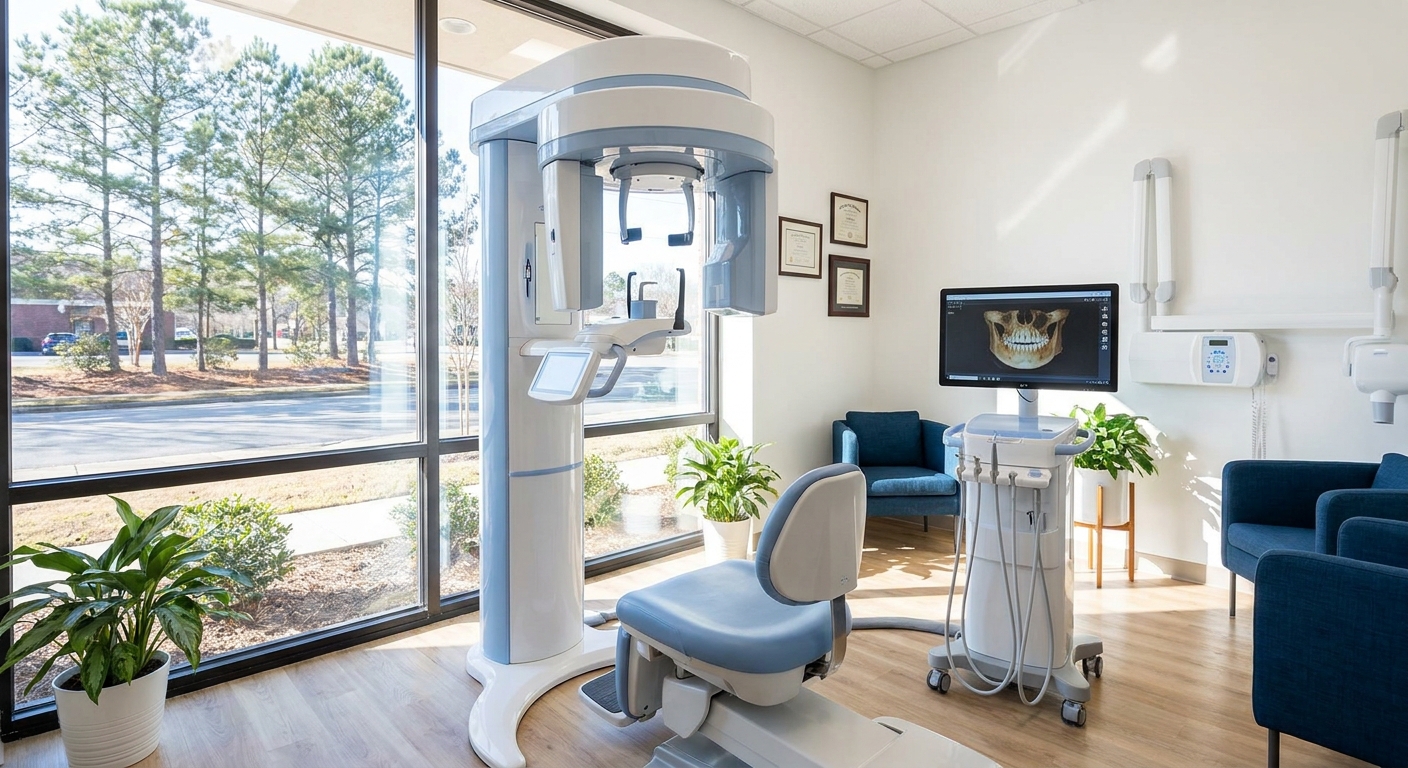
Radiographic assessment follows. Panoramic and periapical x-rays reveal bone density, nerve positions, and any hidden pathology. In many cases, cone-beam CT imaging provides volumetric data so your dentist can gauge the exact bone volume needed for implant posts or other supports.
Table: Key evaluation components
| Component | Tool or Method | Purpose |
|---|---|---|
| Functional assessment | Jaw motion exam | Identify muscle strain and chewing limitations |
| Radiographic analysis | Panoramic x-ray, CBCT | Measure bone quality, detect hidden issues |
| Occlusion analysis | Articulating paper | Map bite forces, pinpoint high-stress contacts |
| Periodontal exam | Probing depths | Assess gum health and supporting structures |
| Digital impressions | Intraoral scanner | Create accurate 3D models for precise planning |
Reviewing this data together ensures you understand every facet of your oral health. It also directs your dentist to the most reliable, long-term solutions.
Plan replacement strategy
With evaluation complete, you and your dentist build a tailored strategy for restoring function, aesthetics, and stability. This collaborative phase weighs your personal goals, budget, and biological factors to arrive at a plan that lasts.
Tailored treatment options
Replacement options range from fixed bridges to implant-supported restorations and removable dentures. Each has pros and cons, and your dentist explores them in depth without rushing into a single choice. You might review scenarios for single-tooth gaps, multiple missing teeth, or full-arch rehabilitation with a dentist for multiple missing teeth.
Your lifestyle plays a role. If you prefer a nonremovable solution and want the closest feel to natural teeth, implant-supported crowns may top the list. If surgical procedures don’t suit your timeline or health, a fixed bridge could offer a predictable alternative. A qualified replacement options for missing teeth dentist guides you through these nuances.
Cost considerations come next. Long-term value often outweighs lower upfront fees, especially when you factor in maintenance, warranty coverage, and potential bone preservation. Your dentist outlines payment options, insurance coordination, and financing plans so you know exactly what to expect.
Preserving chewing ability
A key benefit of working with a dentist for long term tooth replacement is safeguarding your chewing function. Your dental professional maps out how each replacement will withstand bite forces and distribute stress evenly across your arch. That prevents overload on neighboring teeth and preserves jaw health.
If you grind or clench teeth, your dentist may recommend a night guard in tandem with your restoration. This simple appliance protects both natural and replaced teeth from excessive wear. Custom-fit by your dentist, it becomes an integral part of your care plan.
Function drives form. You might prefer a certain shade or shape of restoration, but your dentist ensures those aesthetics don’t compromise durability. Together you test and refine prototypes so your smile looks natural and performs reliably for years.
Protecting adjacent teeth
Missing teeth don’t exist in isolation—adjacent teeth face new stresses and risk drifting without proper support. By planning with a dentist for long term tooth replacement, you maintain the alignment and health of surrounding teeth. This foresight prevents costly corrections later on.
When preparing adjacent teeth for a bridge, your dentist conserves as much enamel as possible to secure long-term health. In implant cases, preserving bone and soft tissue around neighboring roots is crucial. Precise surgical planning reduces trauma and optimizes healing.
Early collaboration between your general dentist and any specialists—oral surgeons, periodontists, or prosthodontists—streamlines care. A cohesive team approach keeps each aspect of your mouth working in harmony.
Support long-term success
Your journey doesn’t end when restorations go in place. A qualified dentist monitors your progress, intervening early if adjustments are needed. Continuous partnership protects your investment and fosters confidence in your smile.
Monitoring integration
For implant-based solutions, osseointegration—the fusion of titanium post and bone—takes several months. Regular check-ins let your dentist verify healing through clinical exams and occasional x-rays. Detecting minor bone changes early avoids major revisions.
Even non-surgical restorations benefit from periodic evaluation. Your dentist inspects crowns, bridges, or dentures for signs of wear, fracture, or margin breakdown. Minor tweaks during routine visits keep restorations functioning like new.
These follow-ups also reinforce healthy habits. Your dental team reviews your home care techniques, ensuring you maintain optimal hygiene around replacement sites.
Adjusting your plan
Life changes—medical conditions evolve, dietary habits shift, and your smile ages. A dentist for bite collapse from missing teeth stays alert to how these factors influence your restorations. Adjustments might include rebasing a denture, relining a bridge, or remounting your night guard.
If you notice sensitivity, looseness, or altered bite, prompt contact with your dentist prevents small issues from escalating. Most adjustments are minor and completed in a single visit, saving you time and discomfort.
Your dentist also educates you on warning signs. Knowing when to seek care transforms you from a passive patient into an engaged partner in preserving your smile.
Professional maintenance
Routine cleanings and exams take on extra importance once you’ve restored missing teeth. Plaque and calculus can accumulate around implant collars or bridge margins, increasing infection risk. Your dentist for tooth loss treatment customizes your hygiene schedule to address these hotspots.
Between visits, proper brushing and flossing techniques matter more than ever. Ultrasonic scalers and specialized instruments used by your dental hygienist remove biofilm in areas your toothbrush can’t reach. This professional maintenance extends the lifespan of your restorations.
Some patients benefit from antimicrobial rinses or targeted periodontal therapies. Your dentist evaluates whether adjunctive treatments make sense for your long-term success.
Experience lasting benefits
When you commit to working with a dentist for long term tooth replacement, you unlock more than functional gains. You secure improvements in comfort, health, and self-esteem that ripple across every facet of life.
Restored chewing function
Reliable chewing lets you enjoy a varied diet, from crunchy vegetables to lean meats. Research shows that dental implants alone can restore up to 95–98 percent of natural biting force, making them as effective as real teeth when properly cared for [1].
No more avoiding your favorite foods or worrying about slippage. A restored chewing surface supports balanced nutrition and digestive health.
Improved facial health
Replacing missing teeth halts the bone-resorption cycle, preserving your jaw’s height and width. This support maintains the contours of your face, preventing early sagging or a hollow appearance. Over time, stable bone levels uphold soft tissue tone and youthful definition.
Beyond aesthetics, bone preservation safeguards the integrity of adjacent roots and sinuses. When you work with a dentist for smile restoration planning, your facial structure becomes an integral part of the treatment vision.
Confidence and quality of life
A complete, stable smile offers more than practical benefits—it empowers you socially and professionally. Studies link tooth replacement to better mental health and quality of life, as you no longer hide your smile or hesitate to speak up.
Peace of mind comes from knowing that routine visits and professional maintenance protect your investment. You move through life without fear of sudden failures or embarrassing slips.
By partnering with a dentist for long term tooth replacement, you transform a gap in your smile into a foundation for lasting health and confidence. From early evaluation and strategic planning to meticulous maintenance, professional guidance ensures every step serves your best interests. Reach out for a tooth loss treatment consultation today and take charge of your restorative journey.