Losing a tooth can upend your daily routine and affect the health of your entire mouth. Whether you lost a tooth to injury, decay, or gum disease, replacing it promptly is essential to protect chewing ability, prevent jawbone deterioration, and avoid complications such as bite collapse. When you begin tooth replacement planning, finding a dentist for missing teeth becomes a top priority. By seeking early professional evaluation, you minimize risks of misalignment, TMJ issues, and bone resorption that could complicate future treatments.
In addition to functional concerns, tooth loss often affects your self esteem. A missing front tooth may make you reluctant to smile, while gaps in your molars can force you to limit your diet to softer, less nutritious foods. If you have underlying health factors like diabetes or osteoporosis, delayed treatment increases the complexity of restoring strong support for new teeth. This guide serves as your tooth replacement readiness hub, detailing every step from initial assessment for missing teeth to long term maintenance of restoration. Use this roadmap to prepare for an informed conversation with your dentist, and take control of your oral health journey.
Your approach to tooth replacement may differ depending on whether you miss a single tooth or multiple teeth. If you have several gaps, you risk changes in facial structure due to progressive bone loss and shifting teeth. By framing your search around a knowledgeable dentist for missing teeth who can perform a comprehensive evaluation and customize your plan, you set the foundation for a treatment path that fits your anatomy, health status, and aesthetic goals.
Understand tooth loss impact
Losing one or more teeth sets off a cascade of changes that go beyond the gap you see in the mirror. Functionally, missing teeth disrupt the balance of forces in your mouth. When you lose a molar, you may start chewing predominantly on the opposite side. Over weeks and months this repeated adjustment can overload the temporomandibular joint, contributing to pain, stiffness, or clicking when you open your mouth.
Esthetics matter too. A gap in your smile can make you feel self conscious in social or professional settings. Speech patterns also shift when front teeth are missing; certain consonants like “th” or “s” become harder to articulate clearly. These challenges may lead you to avoid some of your favorite foods, reducing your intake of protein and fiber which can further affect your overall health.
Inside your jawbone, a process called resorption begins as soon as a tooth root no longer stimulates the bone. Without that mechanical stimulus, the bone around the empty socket can shrink by up to 25 percent in the first year alone. Bone loss compromises the stability of adjacent teeth and makes later replacement with implants or bridges more complex. In some cases you may require a bone graft or sinus lift just to create sufficient support for an implant.
As bone resorption continues, the architecture of your face changes. Loss of jaw volume can lead to a sunken appearance around your cheeks or mouth corners, giving an aged or collapsed look to your lower face. Moreover, drifting teeth can develop new periodontal pockets where bacteria accumulate, increasing the risk of gum disease around teeth that were never affected. Addressing tooth loss promptly and planning for replacement not only restores your smile, it safeguards the health of your entire oral system.
Psychological effects of tooth loss are often underestimated. Adults with missing teeth frequently report lower self esteem and hesitance in social interactions. You may catch yourself covering your mouth when you laugh or avoiding photos, which can undermine confidence and overall well being. Recognizing these emotional impacts is as important as addressing physical changes, and early consultation with a dentist for missing teeth ensures you receive comprehensive support.
Evaluate oral readiness
Before you can select the right restoration, your mouth must be thoroughly screened to ensure a successful outcome. This phase is often called an assessment for missing teeth and involves evaluating bite stability, bone health, and gum condition. Each of these factors influences which treatment pathways are practical and durable for your situation.
Assess bite stability
Proper bite alignment distributes chewing forces evenly across your dental arch. During a readiness evaluation, your dentist analyzes occlusion by using articulating paper to visualize contact points and digital scanning to map your bite. If certain teeth meet prematurely or drift due to the gap, your provider may recommend preliminary adjustments or splints to stabilize the jaw before placing a final restoration.
Neuromuscular considerations also come into play. Your jaw adapts over time to accommodate missing teeth, potentially causing muscular tension or imbalance. A trained dentist examines your muscle function by having you perform jaw movements and palpates facial muscles to detect strain. Correcting bite issues before restoration reduces the risk of TMJ problems and promotes a more comfortable long term result.
Check bone health
Bone density and volume are key to the success of any tooth replacement, especially dental implants. Following tooth loss, the alveolar bone in the empty socket receives no stimulation and can begin to deteriorate within months. Your dentist measures bone thickness with X rays or 3D cone beam CT scans, evaluating areas where grafting might be necessary. For patients with low bone density due to age, medical conditions, or smoking, early assessment is critical to plan any augmentation procedures and avoid later delays.
Consider gum condition
Healthy gum tissue forms the seal that protects underlying bone and supports replacement teeth. Periodontal disease and inflammation can compromise gum quality, leading to potential implant failure or poor denture fit. Your dentist evaluates gum health by measuring pocket depths, checking for bleeding on probing, and assessing tissue firmness. If gum disease is present, a course of non surgical periodontal therapy typically precedes restoration planning to create a stable foundation.
Signs you need immediate evaluation include:
- Difficulty chewing on one side of your mouth
- Noticeable shifting or tilting of adjacent teeth
- Jaw pain, clicking, or stiffness when you open your mouth
- Changes in your smile line or speech
Comprehensive screening not only confirms that your mouth is prepared for restoration, it helps you and your dentist choose the most reliable, long lasting solution.
Seek professional consultation
Once you understand the key readiness factors, the next step is a detailed consultation with a dental professional. Finding the right missing tooth evaluation dentist or dentist consultation for tooth loss gives you access to expert guidance customized to your situation and goals.
The initial consultation should cover your medical history, lifestyle factors, and personal preferences. You may meet with a general dentist to discuss basic treatment options, but for complex cases involving multiple implants or extensive grafting, consider a prosthodontist—a specialist trained in complex tooth replacement. Bring any imaging or records from previous dental visits, along with a list of medications you take, so your provider can account for factors that impact healing, such as certain blood thinners or diabetes.
What to expect in evaluation
During your evaluation, anticipate a thorough oral exam that includes bite analysis, gum assessment, and imaging. Digital scans and X rays provide a clear view of bone structures, nerve pathways, and sinus boundaries. Based on these findings, your dentist outlines potential treatment pathways and explains preparatory steps—whether that means preliminary orthodontic adjustments, non surgical gum therapy, or bone grafting. You should walk away with a clear understanding of the recommended sequence, potential specialists involved, and an estimated timeline.
If you have dental anxiety or complex needs, discuss sedation or anesthesia options during this visit. Options range from mild oral sedation for mild nerves to intravenous sedation for full relaxation. Understanding your sedation choices ahead of time helps ensure comfort throughout any surgical or lengthy phases of treatment.
Key questions to ask your dentist
A productive consultation hinges on asking the right questions. Make sure you understand implant candidacy, including whether your bone density and medical history are suitable. Ask about the types of sedation available and how pain management will be handled both during and after procedures. Inquire about the materials used for crowns, such as zirconia or porcelain fused to metal, and whether in house labs or certified external labs fabricate them. Clarify what aftercare and warranties apply in case of complications. Finally, ask about digital workflows or guided surgery techniques that can improve precision and reduce healing times.
Having these conversations early ensures there are no surprises and that you can confidently plan your next steps.
Explore replacement options
After your evaluation and consultation, you will review general categories of tooth replacement. Avoid rushing into a specific procedure; instead, focus on understanding how each option aligns with your readiness factors, budget, and long term goals.
Before examining detailed techniques, recognize that solutions fall into three broad classes. Removable dentures offer a non invasive and cost effective route. Fixed bridges provide stability by anchoring to adjacent teeth. Implant solutions, including single tooth implants and implant supported dentures, deliver closest to natural function and help prevent bone loss.
| Option | Description | Pros | Considerations |
|---|---|---|---|
| Removable dentures | Dentures are removable oral appliances designed to replace missing teeth in the upper jaw, lower jaw, or both, crafted from materials such as acrylic, resin, nylon, metal, and porcelain Cleveland Clinic. | Cost effective, non invasive, quick to fit | May require adhesives, periodic relining |
| Fixed bridge | A bridge uses crowns on adjacent teeth to support a replacement tooth. It is non removable and restores chewing function. | Stable, does not involve jaw surgery | Involves altering healthy teeth |
| Implant solutions | Includes single tooth implants and implant supported dentures. Implant retained dentures attach to dental implants embedded in the jawbone, offering more stability than traditional dentures Cleveland Clinic. | Closest to natural tooth function, prevents bone loss | Requires sufficient bone, longer healing time |
Beyond these core categories, hybrid approaches exist. Transitional partial dentures can serve as a temporary measure while you wait for permanent restorations. Snap on overdentures use two to four implants to stabilize a lower denture without full arch surgery. Mini implants offer a less invasive option in cases of limited bone but may not support heavy chewing forces long term. Reviewing these alternatives during your replacement options for missing teeth dentist consultation allows you to weigh pros and cons in real world terms.
Plan your treatment timeline
Mapping out the sequence and duration of each phase helps you coordinate appointments, budget, and recovery. Although timelines vary, understanding the broad stages of tooth replacement planning streamlines your journey.
Initial consultation
Your first visit establishes diagnosis and goals. Expect medical history review, oral exams, and imaging. Many practices offer digital impressions which eliminate messy putty and provide instant 3D models for precise planning. At this session you may also discuss whether a provisional restoration—such as a flipper or immediate denture—can fill the aesthetic gap while final preparations unfold.
Diagnostic imaging
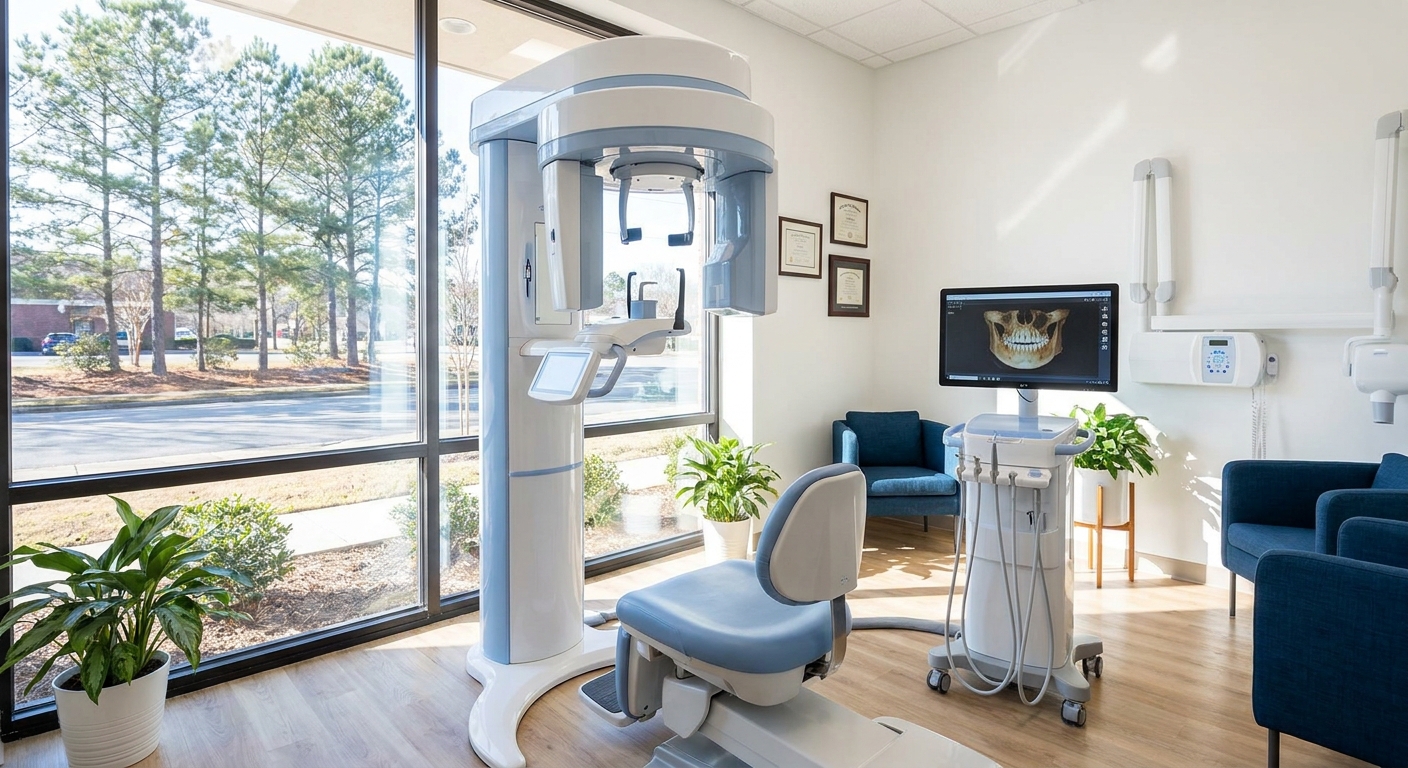
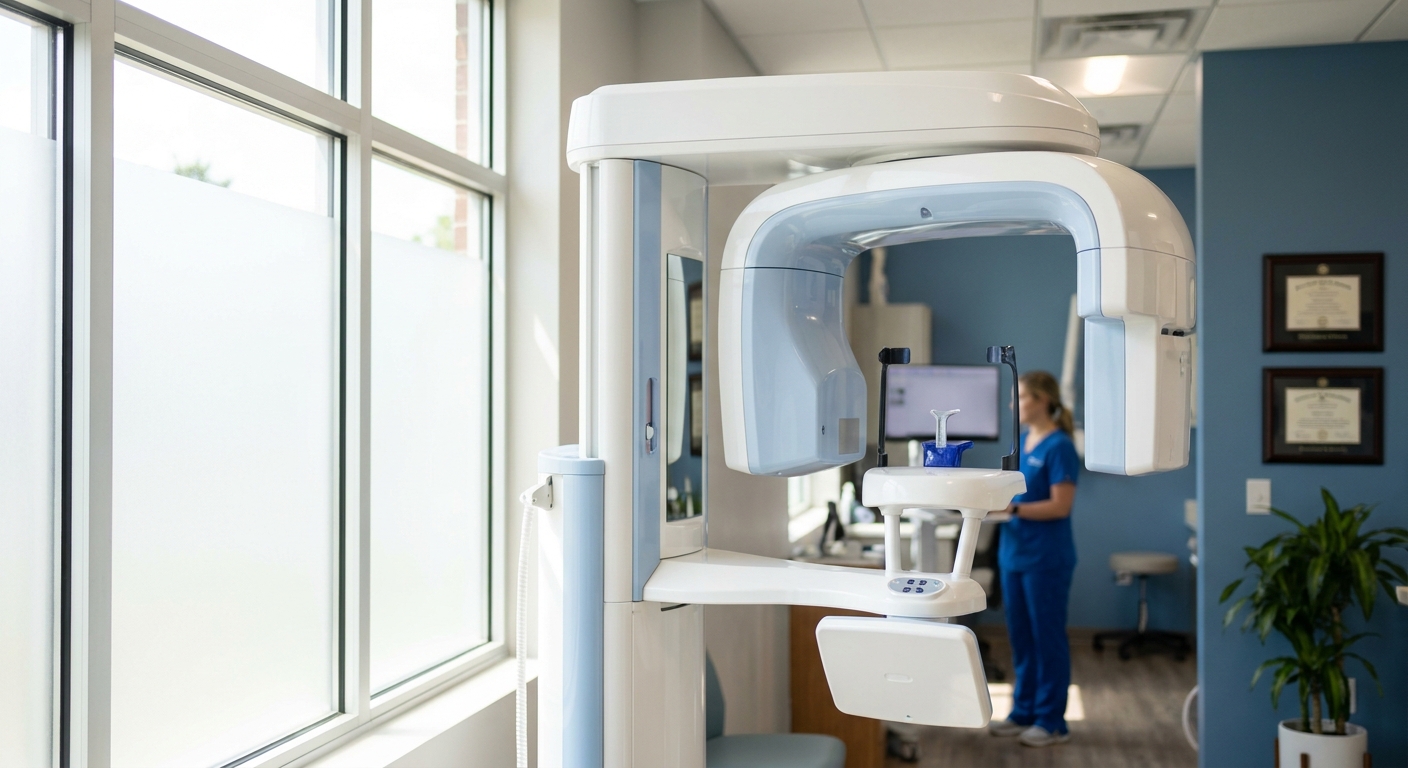
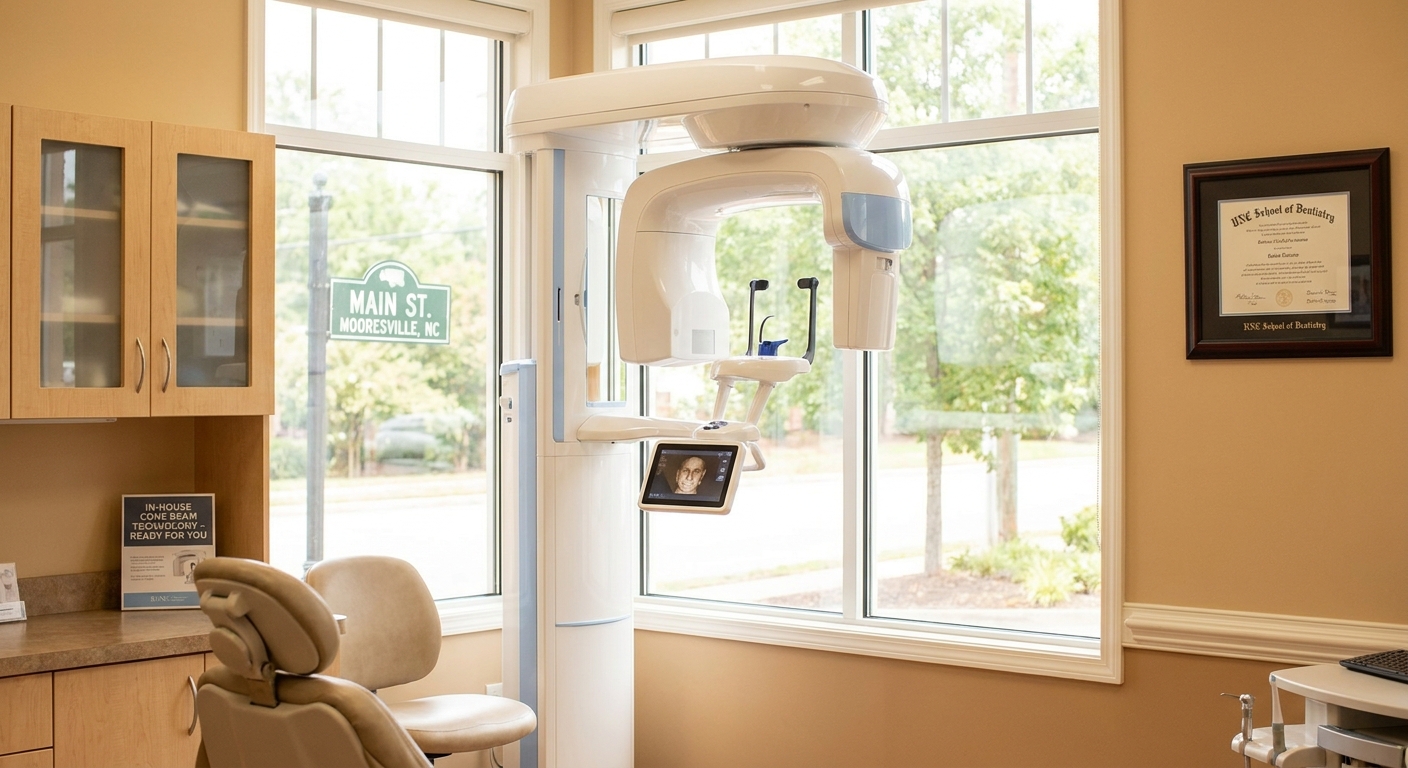
Advanced imaging, including cone beam CT scans, provides a three dimensional view of bone structures, nerve locations, and sinus cavities. This data guides decisions about implant placement, grafting needs, and prosthesis design. Dedicated imaging centers or in house CBCT technology can add an extra appointment, but yields invaluable insights that reduce surgical risk.
Surgical and restorative phases
If your plan involves bone grafting or sinus lifts, these preparatory procedures can add three to six months of healing time before you’re ready for implant placement. Single tooth implants often require a healing period of three to four months before receiving a final crown. For fixed bridges, expect two to three visits across several weeks—one to prepare adjacent teeth and take impressions, and another to cement the final bridge.
Follow-up care
After placing your restoration, you will schedule checkups at regular intervals—often at one week, one month, and then quarterly or biannual visits. These appointments ensure proper healing, fit adjustments, and professional cleaning. Maintaining momentum and adhering to your dentist’s recommended schedule minimizes the risk of complications and keeps your restoration functioning optimally.
By clearly mapping out each phase with your tooth replacement consultation dentist, you transform a complex process into manageable steps and avoid unexpected delays.
Choose the right provider
Finding a dental professional who matches your technical needs, aesthetic preferences, and communication style sets the stage for a successful outcome. Here are key criteria to guide your selection.
Credentials and experience
Prioritize practitioners with specialized training in restorative dentistry or prosthodontics. Prosthodontists complete additional years of education focused on tooth replacement and oral rehabilitation. Check credentials through the American College of Prosthodontists, which offers a “Find a Prosthodontist” service to locate specialists in your area GoToAPro. Equally important, look for dentists who regularly perform the type of restoration you need, whether single implants, full arch replacements, or complex grafting procedures.
Patient reviews and case studies
Real patient testimonials and before-and-after case studies illustrate how a practice handles both routine procedures and unexpected challenges. Look for comments on comfort during treatment, clarity of communication, and follow through on follow-up care. Practices that display detailed case studies demonstrate transparency and a commitment to craftsmanship.
Technology and lab partnerships
Modern dentistry relies on digital workflows for precision. Providers using intraoral scanners and computer guided surgery reduce room for error and speed up turnaround times. Equally, inquire whether your crowns and bridges are fabricated in house or by accredited dental laboratories. Working with certified labs ensures access to high quality materials and customized color matching for a natural appearance.
Cost and insurance
Restorative procedures vary widely in cost. Dentures represent a budget friendly entry point, while implant based solutions involve higher upfront investment. Many dental plans cover a portion of bridges or dentures, but implant coverage may be limited. Discuss financing and payment plan options before you commit. Some offices partner with third party lenders to make long term tooth replacement more accessible with low monthly terms.
Evaluate practices on these factors, and use resources like dentist for long term tooth replacement to refine your search. Your choice of provider influences every step, from initial evaluation to final restoration maintenance.
Maintain long-term oral function
Achieving a stable, functional smile is only half the journey; preserving that result requires ongoing effort. After restoration, commit to routines and professional care that support your new teeth.
Oral hygiene routines
Treat your replacement teeth with the same care as natural teeth. For dentures, remove and brush both the appliance and your gums daily using a soft denture brush and non abrasive cleaner. Fixed bridges and implant crowns need brushing and flossing around attachment points to prevent plaque buildup. Interdental brushes or water flossers excel at cleaning under pontics and around implant abutments, helping you maintain a healthy environment against gum inflammation.
Dietary guidelines and bone health
Remain mindful of your diet to prolong restoration life. While you can typically return to normal eating after healing, start with softer foods to allow tissue adaptation. Avoid biting directly into hard or sticky foods on implant supported crowns to prevent undue stress. Nutrient rich foods—such as leafy greens, lean proteins, and dairy—support bone health and gum healing throughout adulthood.
Routine checkups
Regular professional visits are essential. Your dentist assesses the fit of dentures, checks for wear on bridges, and evaluates implant integration at follow up appointments. Early detection of minor wear or gum changes allows timely adjustments, preventing major repairs. Consider scheduling biannual visits with a dentist for restoring chewing ability to ensure bite integrity and comfort.
Staying vigilant with hygiene and follow up care not only protects your investment, it bolsters the long lasting success of your tooth replacement plan.
Choosing a dentist for missing teeth and following a structured pathway—from readiness evaluation and professional consultation to treatment planning and maintenance—empowers you to regain full function and confidence in your smile. By acting early and partnering with the right provider, you ensure the best possible outcome for your restorative journey.