You may not realize it yet, but losing one or more teeth sets off a chain reaction in your mouth. When you’re missing posterior teeth, your bite shifts, chewing efficiency drops, and nearby teeth drift into empty spaces. Over time this imbalance can lead to jaw pain, bone loss, and even further tooth loss. That’s why finding a skilled dentist for multiple missing teeth is crucial to protect your oral health and restore full function.
By seeking early professional evaluation you’re investing in long-term stability rather than patchwork fixes down the road. A strategic tooth replacement plan assesses your bone health, bite alignment, and overall oral environment before moving into restorative procedures. Below, you’ll learn what to expect at each step of that journey, why a specialist matters, and how to prepare for lasting success.
Understand tooth loss consequences
As soon as a tooth is extracted or lost, the surrounding bone begins to remodel—and not in a good way. Without the tooth root stimulating the jawbone, you’ll experience gradual bone density loss. That bone resorption can undermine support for neighboring teeth, alter your facial structure, and make future implant placement more complex.
Missing teeth also disrupt your bite. You may lean on remaining teeth, overloading them and accelerating wear. Your jaw joints (TMJs) can become strained as they compensate for the uneven forces. In turn you might notice headaches, muscle soreness, or a locked jaw. Left unaddressed these issues cascade into more extensive treatment needs over time.
Emphasize early evaluation
Your path to stable tooth replacement begins the moment you lose a tooth. Early evaluation matters because it lets your dentist for missing teeth map out a comprehensive plan before complications arise. During an initial exam you’ll undergo:
• A clinical review of your medical and dental history
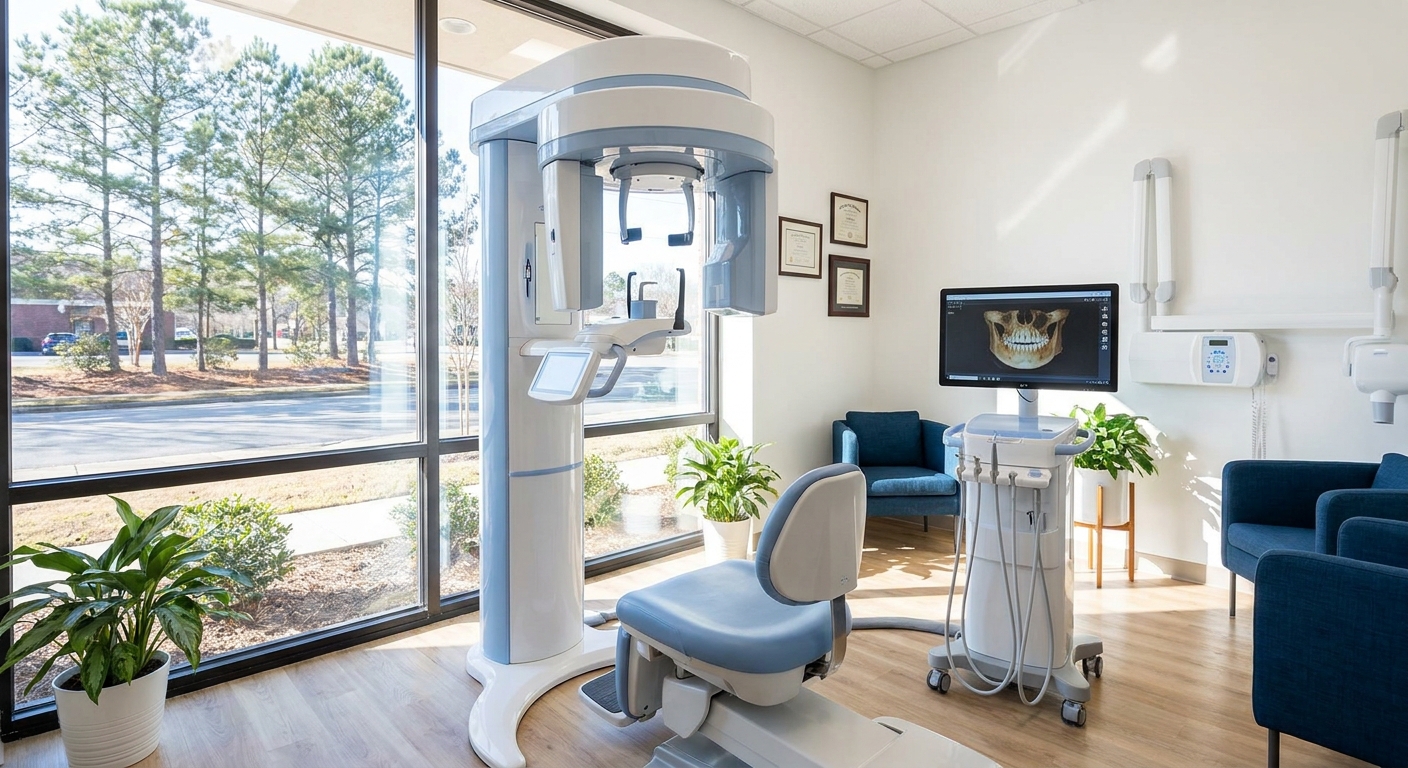
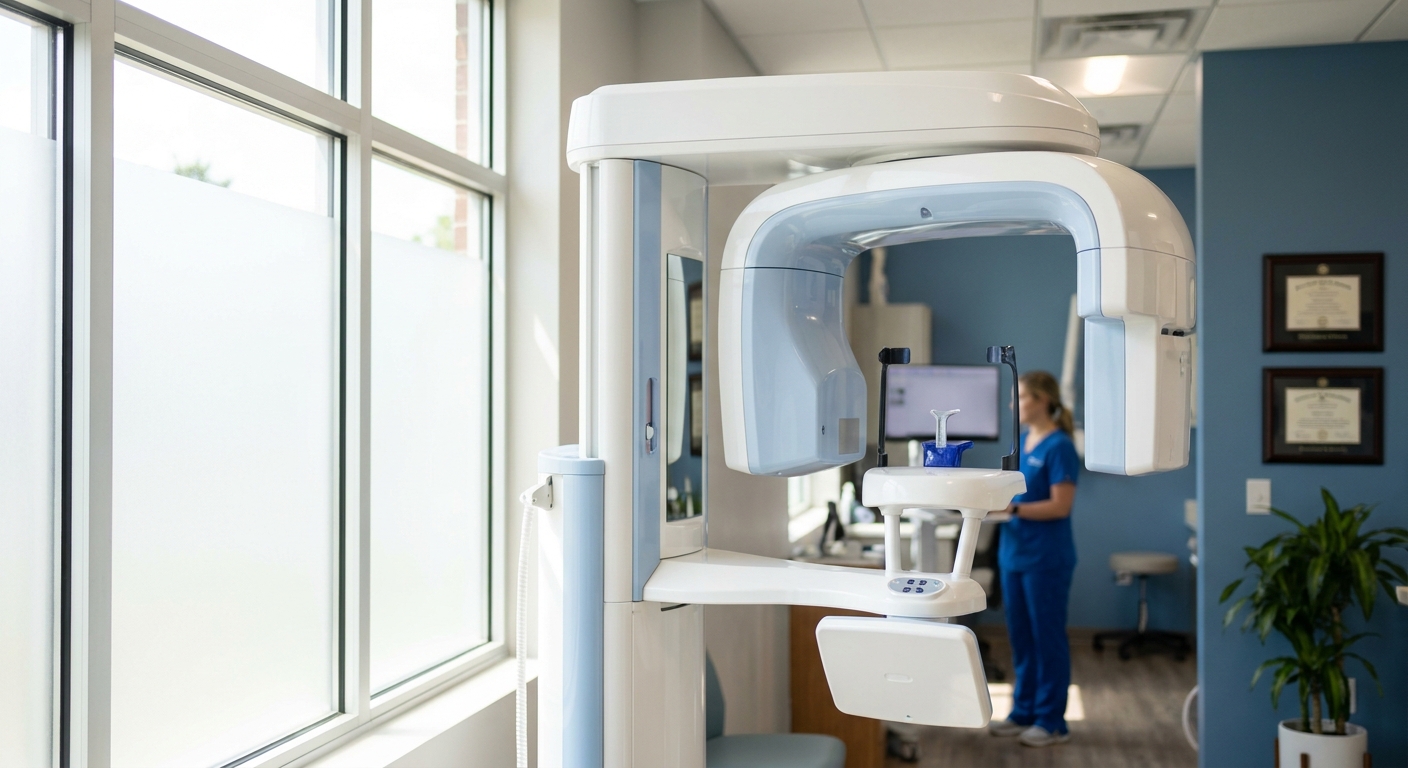
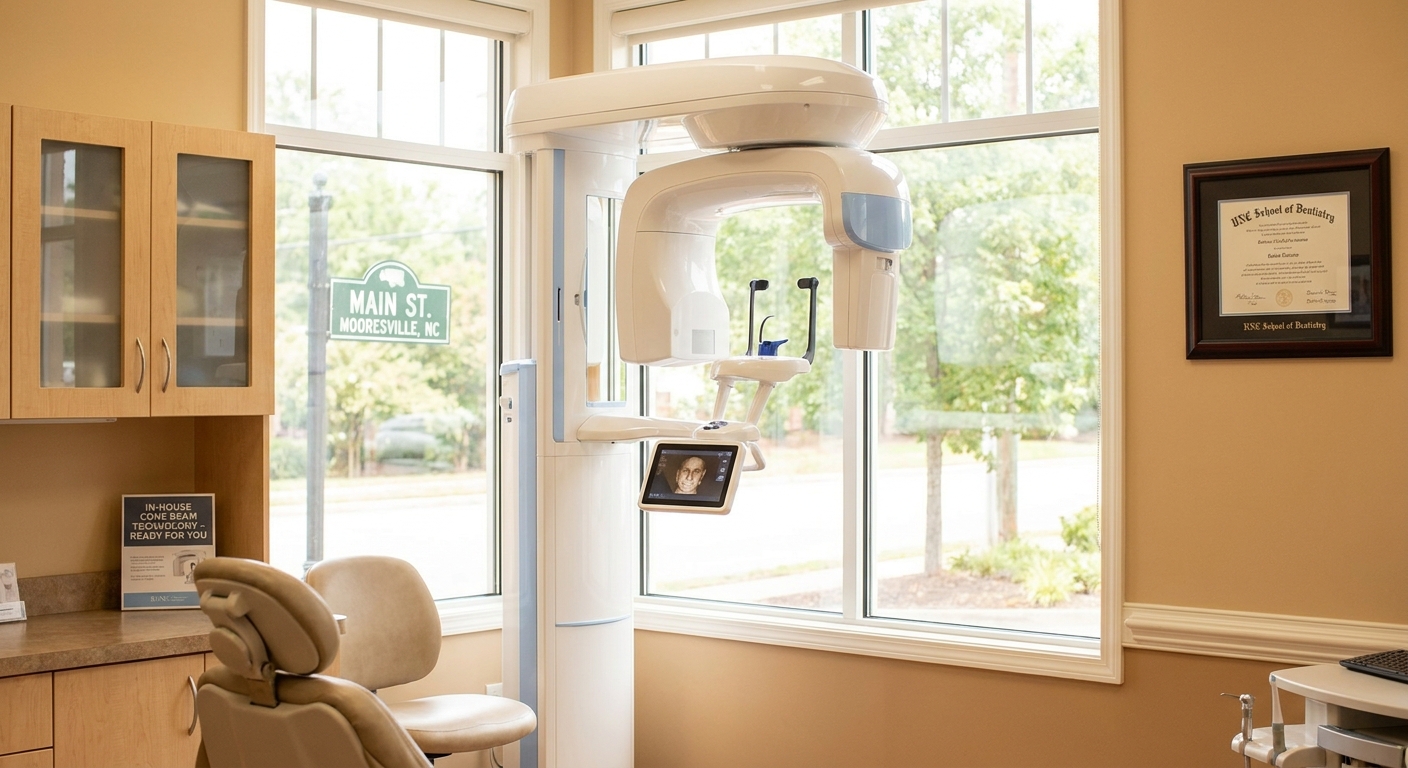
• Digital imaging—such as CBCT scans—to assess bone volume
• Bite analysis to identify shifting or tilting teeth
• Gum and tissue health checks to uncover inflammation
When you schedule a missing teeth dental evaluation, your dentist can detect potential challenges like insufficient bone or unstable bite patterns. Addressing these issues early preserves more options for restoring chewing ability and smile aesthetics.
Assess bone health needs
Adequate jawbone volume is the foundation of any implant-based restoration. If you lack sufficient bone height or width, implants may fail or place added stress on surrounding structures. That’s why bone assessment is a critical first step in your tooth replacement consultation dentist visit.
Bone density measurement
Your dentist will use three-dimensional imaging to measure bone density and volume with precision. A reading below ideal thresholds often indicates you’ll need a grafting procedure before implant placement. Over 500,000 people annually restore their smiles with dental implants, which replace the entire tooth from root to crown using biocompatible titanium posts, providing a lifelike appearance and full functionality as of April 2023 [1]. Ensuring your foundation is solid boosts the long-term success rate of these implants.
Bone graft considerations
When imaging reveals insufficient bone, your dentist may recommend one of several grafting techniques. Your options might include:
• Autografts, using bone harvested from another part of your body
• Allografts, sourced from human donors and sterilized for safety
• Xenografts, derived from bovine bone and processed to eliminate antigens
• Alloplasts, synthetic materials that guide new bone growth
Each graft type has distinct healing timelines and success rates. Your dentist for long term tooth replacement will guide you through selecting the approach that fits your health profile and treatment timeline.
Evaluate bite stability
Even with perfect bone volume, an unbalanced bite can undermine your restoration. Evaluating how your upper and lower teeth come together ensures your replacement teeth won’t be overstressed or damaged.
Bite alignment analysis
During your dentist consultation for tooth loss appointment, dynamic and static bite analyses reveal how forces distribute across your arches. Your dentist may use articulating paper, digital bite scanners, or custom wax bites to pinpoint high-pressure areas. Adjusting these contacts before placing implants or prosthetics prevents uneven wear and reduces the risk of fractures.
TMJ and function
Temporomandibular joint health is also assessed to detect joint sounds, muscle tenderness, or restricted movement. If you’re already experiencing TMJ discomfort, your dentist for bite collapse from missing teeth will incorporate therapies—such as night guards or physical therapy—into your treatment plan to stabilize the joint before moving forward.
Plan for long-term function
Restoration isn’t just about filling gaps; it’s about reestablishing reliable chewing, clear speech, and a confident smile for decades to come. With a full evaluation in hand, your dentist can outline replacement options and create a customized treatment sequence.
Restoration options overview
Below is a comparison of common solutions for multiple missing teeth. Each carries different benefits, timelines, and investment levels:
| Option | Description | Average cost |
|---|---|---|
| Implant-supported bridge | Crowns anchored by implants on either side of missing teeth | $6,000 – $15,000 |
| Implant-supported removable dentures | Denture snaps onto implants for added stability | $10,000 – $25,000 |
| Implant-supported fixed dentures (All-on-4®) | Full arch fixed to four implants, immediate restoration possible [2] | $11,640 – $27,500 |
| Conventional full dentures | Acrylic prosthetic plate resting on gums | $1,520 – $3,648 [2] |
Customized treatment plan
Your dentist for tooth loss treatment will layer these options to match your anatomy, lifestyle, and budget. For example, you might start with bone grafting, move to implant placement in two stages, and finish with custom crowns or overdentures. Sequencing ensures each step builds on a stable foundation, reducing complications and accelerating healing.
Financing and consultation
Restorative work for multiple missing teeth can be an investment, but financing plans and phased treatment make it manageable. During your tooth loss treatment consultation, discuss insurance benefits, payment plans, or third-party financing. Transparent cost breakdowns help you decide without surprises.
Choose a skilled dentist
Not all dentists have equal training or experience with complex implant dentistry. When evaluating providers, look for:
• Continuing education from reputable bodies like the American Academy of Implant Dentistry [1]
• Proven track record with multiple missing-teeth cases, including grafting and full-arch restorations
• Before-and-after galleries or patient testimonials showcasing aesthetic and functional results
• Advanced in-office imaging and guided surgery capabilities
Verifying credentials and reviewing real patient outcomes ensures you’re entrusting your smile to a true specialist rather than a general practitioner.
What to expect at consultation
Your first comprehensive visit typically lasts 60–90 minutes. Expect the following:
- Detailed medical and dental history review
- Intraoral photos, X-rays, and 3D scans
- Gum health and diagnostic impressions
- Bite registration and dynamic occlusion checks
- A personalized treatment proposal outlining phases, timelines, and costs
By the end of this session you’ll have a clear roadmap for restoring your chewing ability, protecting jaw health, and planning your smile—all tailored to your needs.
Next steps in restoration
After your evaluation you’ll schedule preparatory procedures—such as extractions or grafts—and map out implant placements or denture fittings. Throughout treatment, your dentist for restoring chewing ability will monitor healing and adjust plans if needed. Regular follow-up visits safeguard your progress and let you ask questions at each milestone.
With a skilled professional guiding you, replacing multiple missing teeth becomes a coordinated process rather than a series of guesswork. Early assessment, rigorous planning, and staged execution are the pillars of lasting success. By choosing the right dentist and committing to each phase, you’re not just filling gaps—you’re investing in a lifetime of confident smiles and reliable oral function.