If you’re experiencing sharp, shooting pain or a constant throbbing in one or more teeth, finding a dentist for nerve pain tooth issues should be your next step. Nerve-related tooth pain often signals that the underlying structures in your tooth pulp—where nerves and blood vessels live—are irritated or inflamed. Left unchecked, what starts as occasional sensitivity to hot or cold can progress into severe discomfort and even infection.
Early diagnosis by a trained dental professional not only pinpoints the source of your pain but also helps you avoid emergency procedures down the road. In this article, you’ll learn how dentists evaluate nerve pain tooth problems, what tests they use, and which treatment strategies can restore comfort and protect your oral health.
Understanding nerve tooth pain
What is nerve tooth pain?
Nerve tooth pain originates in the innermost layer of your tooth, the pulp. This soft tissue houses the nerves that detect temperature changes, pressure, and injury. When bacteria breach your enamel or dentin, or when trauma exposes the pulp, inflammation can compress these nerve endings. You perceive this compression as sharp, shooting sensations or a persistent ache.
Often described as electric shocks or constant throbbing, nerve tooth pain can wake you at night or interfere with daily activities like eating and speaking. It’s different from ordinary tooth sensitivity, which typically subsides once the trigger—hot or cold—goes away. If your discomfort lingers, intensifies, or disrupts your routine, it’s time to consult a specialist rather than rely on over-the-counter remedies.
Causes of nerve tooth pain
Many factors can inflame or irritate your tooth’s nerve, including:
- Untreated cavities that reach the pulp after bacteria penetrate enamel
- Cracked or chipped teeth exposing inner tissues
- Bruxism (teeth grinding) wearing down protective layers
- Gum disease causing root exposure
- Repeated dental procedures near the nerve (fillings, crowns)
Each of these scenarios allows bacteria or mechanical stress to trigger an inflammatory response in the pulp chamber. Recognizing the specific cause in your mouth guides your dentist toward the most effective intervention.
Recognizing common symptoms
Pain when biting or chewing
If you wince when biting into an apple or experience a sharp jab while chewing, that could indicate pulpitis or a cracked tooth. Dentists assess this by asking you to bite on cotton rolls or a specialized device and observing which tooth reproduces the pain. For more on how professionals evaluate this symptom, see pain when biting tooth dentist.
Sensitivity and discomfort
You might feel an exaggerated sensitivity to sweet, hot, or cold foods that lingers long after removal of the trigger. Unlike minor sensitivity, pulpal sensitivity often points to deeper issues requiring expert attention. A focused evaluation such as sensitivity pain dentist evaluation helps differentiate between surface enamel wear and nerve involvement.
Lingering or unexplained pain
Pain that persists for days or intensifies without an apparent cause may indicate infection or nerve degeneration. Such lingering discomfort is best assessed through a lingering tooth pain evaluation. Your dentist will ask detailed questions about onset, duration, and any patterns you’ve noticed to build an accurate clinical picture.
Associated jaw or facial pain
Sometimes nerve issues in a tooth refer pain to your jaw or face. If you’ve experienced unexplained aches in your temporomandibular joint or cheek area, explore jaw pain related to tooth dentist. Identifying referral pain prevents misdiagnosis and ensures your treatment plan targets the true source.
Clinical evaluation process
Medical and dental history
Your dentist begins by reviewing your overall health, medications, and past dental work. Some systemic conditions—like diabetes or autoimmune disorders—can influence healing and increase infection risk. Sharing a complete health history ensures your dentist tailors both diagnosis and treatment to your needs.
Physical examination techniques
Next comes a hands-on exam. Dentists use gentle tapping (percussion) on suspect teeth, cold testing to trigger responses, and visual inspection under bright light or magnification. These steps help pinpoint which tooth, or even which root canal within a multi-rooted tooth, is causing the pain. A detailed evaluation for tooth pain often follows.
Imaging and diagnostic tests
Advanced imaging confirms what clinical tests suggest. Modern dentists rely on several tools to visualize hidden issues.
| Test type | Purpose | Notes |
|---|---|---|
| Dental X-ray | Detects cavities, bone loss, abscesses | First-line imaging for most pain evaluations |
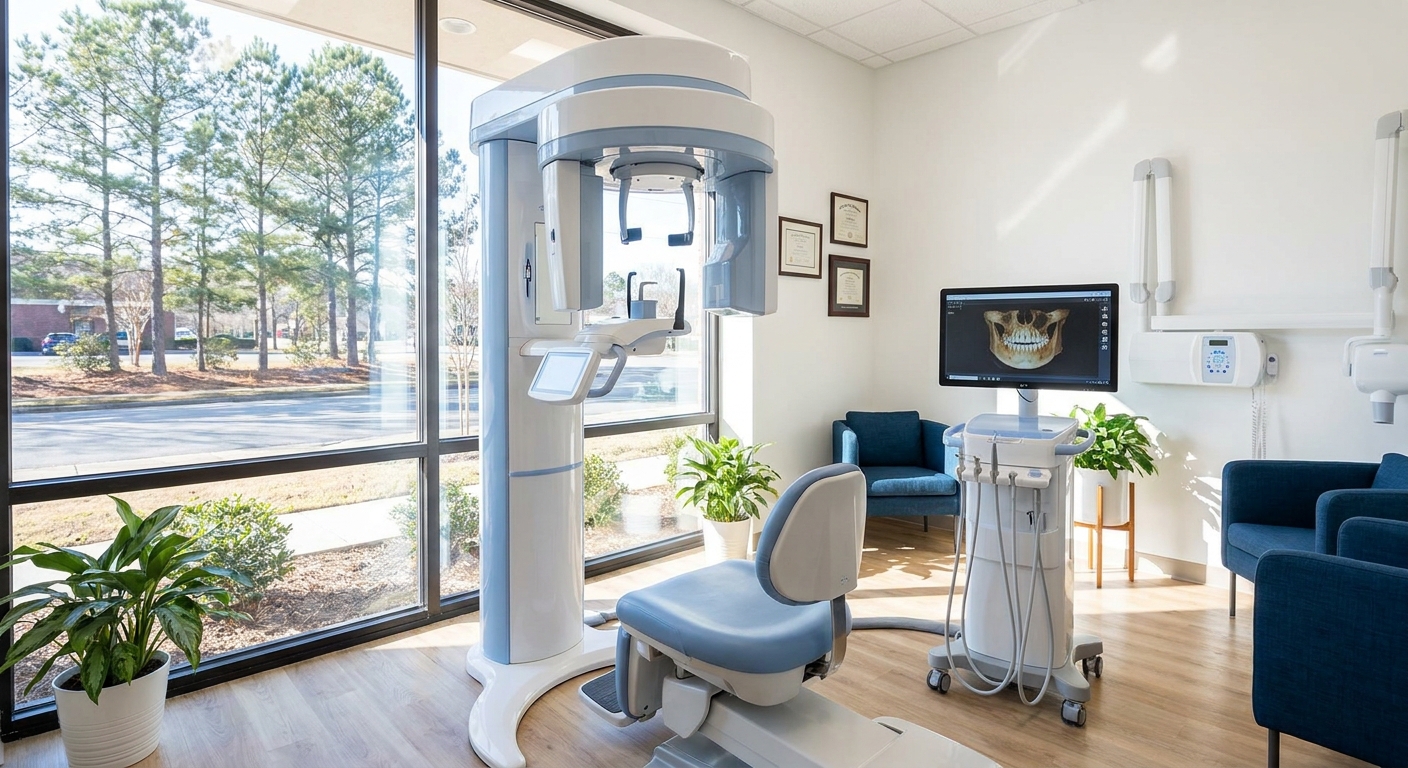
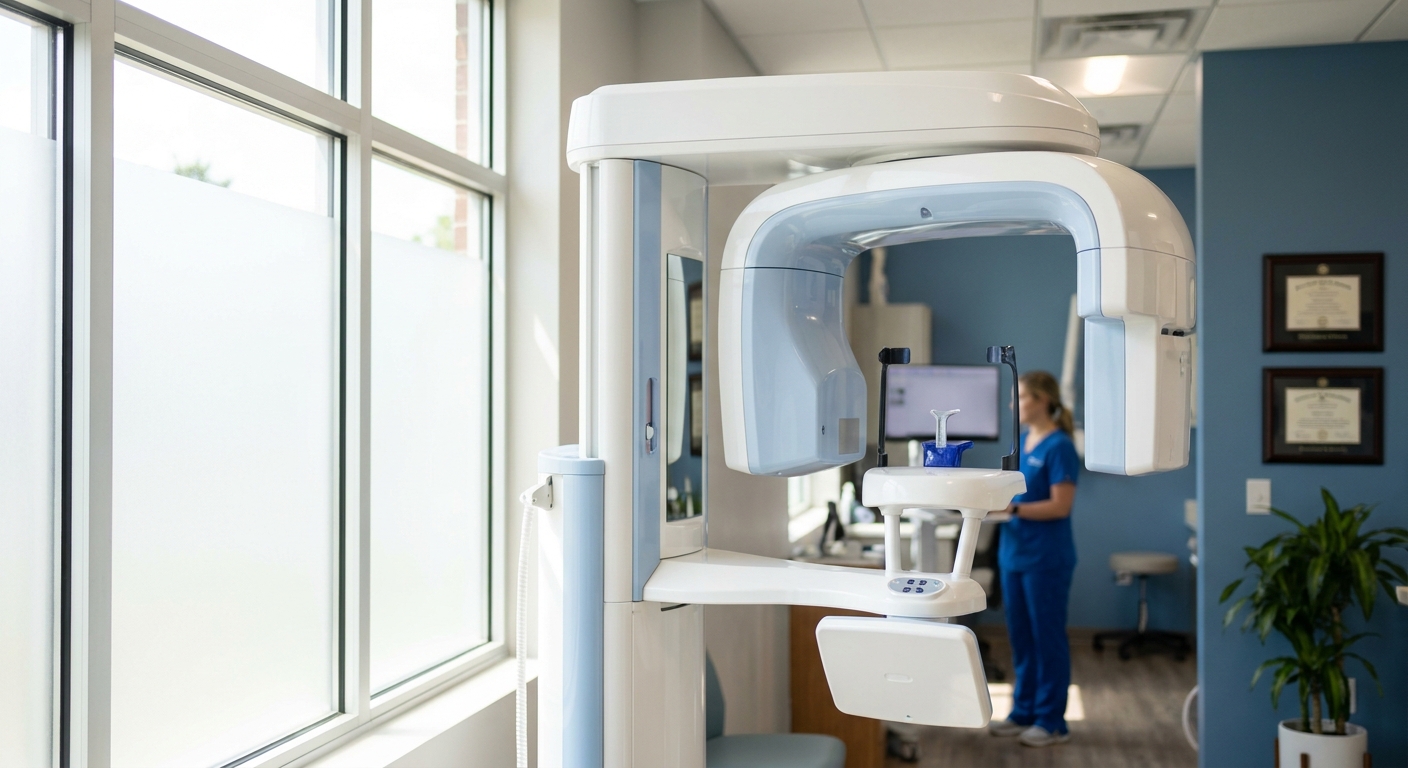
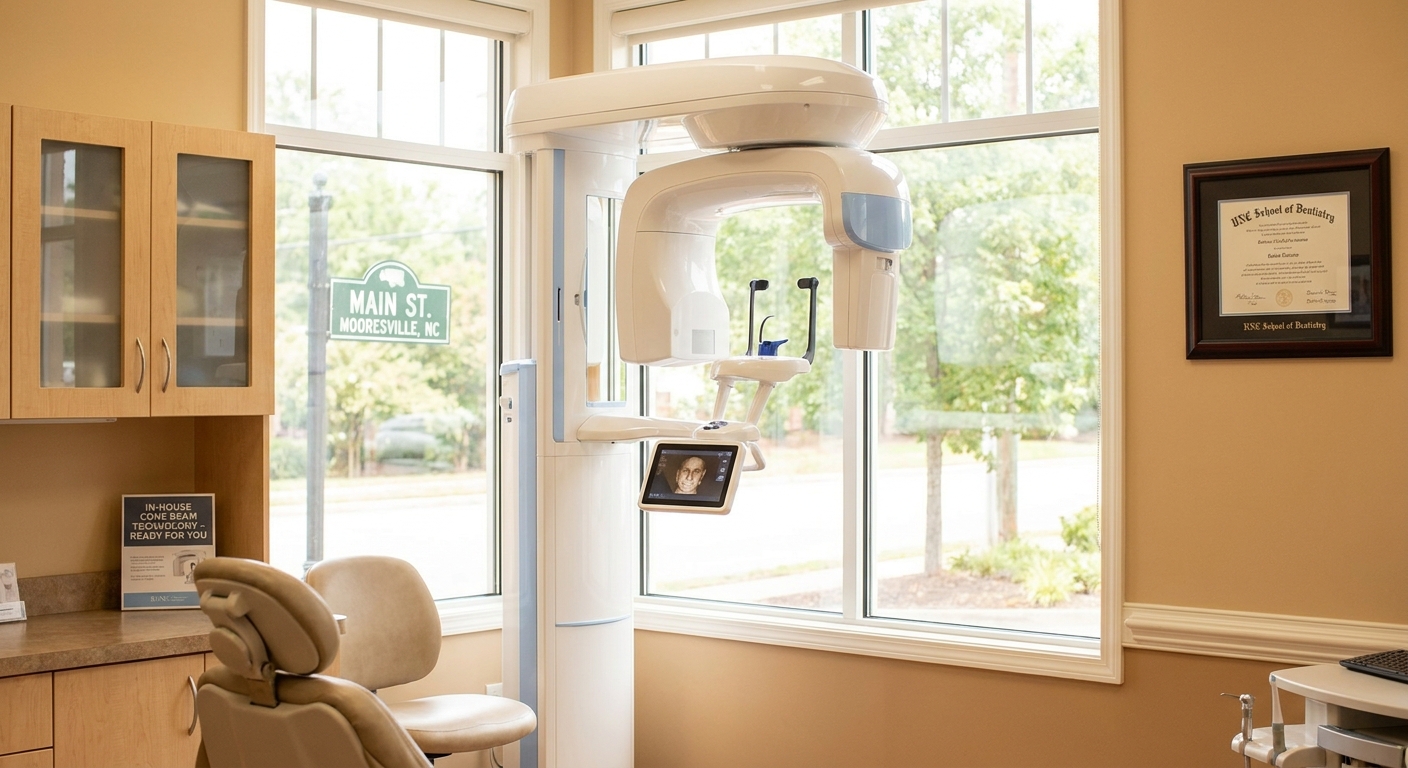
| Cone beam CT (CBCT) | 3D view of root structure, fractures, lesions | Useful for complex root anatomy and crack detection |
| MRI | Identifies nerve compression and soft-tissue issues | Used when considering trigeminal neuralgia [1] |
| EMG & Nerve studies | Measures electrical activity in muscles and nerves | Diagnoses oral nerve injury or neuropathic pain [2] |
These diagnostic tests provide a comprehensive map of your oral structures and nerve pathways. Combining clinical findings with imaging ensures no hidden infection or fracture goes untreated.
Treatment planning strategies
Once your dentist confirms the cause of your nerve pain, a tailored treatment plan follows. Options range from conservative management to advanced procedures.
Conservative management
For early pulp irritation, your dentist may recommend:
- Prescriptive anti-inflammatory or antibiotic medications
- Desensitizing agents to soothe nerve endings
- Night guards if bruxism contributes to the irritation
By addressing inflammation and protecting the tooth from further trauma, you may avoid more invasive treatments.
Endodontic procedures
If your pulp is infected or irreversibly damaged, root canal therapy becomes necessary. This involves removing the inflamed nerve tissue, disinfecting canals, and sealing them with a biocompatible material. A well-executed root canal relieves pain and preserves your natural tooth, often followed by a protective crown [3].
Surgical interventions
In rare cases—such as persistent infection after root canal or complex fractures—your dentist or an endodontist may recommend an apicoectomy or extraction. Apicoectomy removes the tip of the root and adjacent infected tissue, while extraction clears a non-restorable tooth. After extraction, you’ll discuss dentist for possible tooth infection to plan replacement options like implants or bridges.
Home and interim relief
While waiting for your appointment or between treatment phases, you can ease discomfort with safe home care:
- Rinse with warm salt water to reduce inflammation
- Apply a cold compress against your cheek for 15 minutes
- Take over-the-counter acetaminophen or ibuprofen per label directions
- Avoid extremely hot, cold, or acidic foods that worsen sensitivity
These measures offer temporary relief but should not replace professional diagnosis and treatment. If your pain spikes or is accompanied by fever and swelling, seek immediate care as advised by Cleveland Clinic.
Preventive dental care
Maintaining healthy teeth and gums helps you avoid future nerve pain issues. Consider these preventive strategies:
- Brush twice daily with fluoride toothpaste
- Floss daily to remove interproximal bacteria
- Wear a custom night guard if you grind your teeth
- Use a mouthguard for sports to prevent trauma
- Limit sugary and acidic foods that erode enamel
Regular cleanings and exams let your dentist catch early decay, cracked enamel, or gum disease long before they threaten your tooth’s nerve.
Scheduling follow-up visits
Following up after initial treatment is essential for lasting relief. Your dentist will recommend periodic check-ups to:
- Monitor healing after root canal therapy or surgery
- Verify that repairs—fillings, crowns, or grafts—remain intact
- Catch any new decay or fractures early
Set a dental pain assessment appointment within four to six weeks of treatment completion. Then, maintain routine dental exams every six months or as advised for your unique risk factors. Regular visits ensure you address minor concerns before they escalate into emergency situations.
To protect your oral health and prevent future discomfort, don’t delay seeking professional help. A timely visit to your dentist for nerve pain tooth issues can save you from severe pain and preserve your natural smile.