You don’t have to let fear keep you from the dental care you need. If you’ve ever found yourself avoiding check-ups because of past pain, sounds that set your heart racing, or a general sense of vulnerability in the chair, a dentist for nervous patients can transform your experience. By choosing a practice that prioritizes gentle techniques, clear communication, personalized pacing, and proven anxiety-relief strategies, you’ll feel more in control, more comfortable, and more confident about maintaining your oral health.
Understand dental anxiety
Dental anxiety isn’t just shyness or reluctance—it’s a normal biological response. As Stephen Mitchell, DMD, explains, the body’s fight-or-flight reaction can kick in at the sight of dental tools or the sound of a drill, especially if you’ve had a painful experience in the past [1]. Your muscles tense, your heart rate climbs, and you may even feel a surge of nausea or dizziness.
Triggers vary from person to person. Some people react to needles or the mask used for nitrous oxide. Others are sensitive to the sensation of dental instruments near soft tissue. Understanding your personal triggers is the first step toward reducing your fear. Start by listing moments that have caused you the most anxiety—was it the pitch of a high-speed handpiece, the taste of certain rinses, or a feeling of helplessness?
Once you’ve pinpointed your main stressors, you can seek a practice skilled in comfort focused dental care. Modern dentistry offers myriad ways to minimize or eliminate those triggers, from advanced instrument design to noise-dampening headphones. Recognizing that your fear is valid helps you approach your dentist as a partner rather than an adversary in your care.
Choose comfort-focused care
You deserve a care plan designed around your comfort. Practices that specialize in gentle dentistry often invest in softer, quieter handpieces and vibration-reducing technology. They may offer extended appointment times so treatments aren’t rushed, allowing you to settle in at your own pace. A gentle dentist for adults understands the nuances of treating an anxious patient and can adjust techniques on the fly to keep you calm.
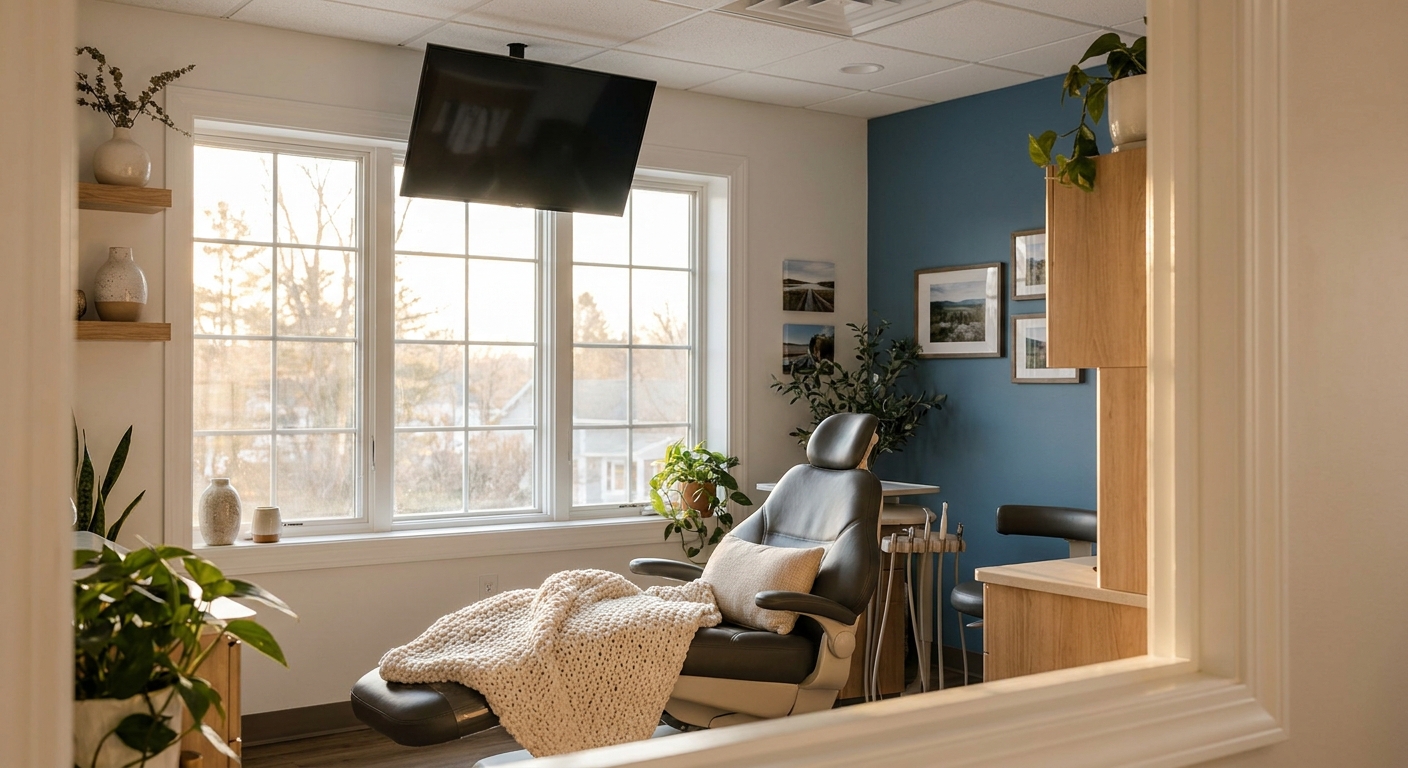
In addition to equipment, look for a dentist who accommodates your physical comfort. This might include heated blankets, ergonomic chairs, and adjustable lighting. If you have sensitivity concerns, especially around pressure or temperature, a dentist for sensitive patients can customize polishing paste, anesthetic dosages, and even the angle of your chair to protect tender areas.
Comfort-focused practices often blend evidence-based calming methods with patient-first philosophies. You’ll find offices that use soothing color schemes, play ambient music, or offer noise-canceling headphones to drown out drill sounds. Booking a gentle dental care appointment signals to staff that you’re seeking a stress-reduced environment, ensuring everyone from the front desk to the hygienist is prepared to support you.
Communicate your concerns
Open dialogue with your dental team is critical. Dentists trained in patient-centered care will encourage you to share exactly what makes you anxious. Tell them when you last had a bad experience, when your heart starts to race, or if you feel you might need a break. According to Megan Hays, Ph.D., clinical psychologist at UAB, sharing your fears allows the dentist to implement procedural signals—simple gestures you can use to pause treatment and regroup [1].
If you worry about feeling out of control, ask for step-by-step explanations. A dentist who explains procedures can walk you through each stage, from topical anesthetic application to final rinse, so nothing feels mysterious. When you know what’s coming, your body is less likely to anticipate pain.
Some practices appoint a single staff member—often a nurse or patient coordinator—as your point of contact. This person checks in with you before treatment, confirms your comfort measures, and follows up afterwards. Having a dedicated ally in the office makes it easier to convey shifting needs and maintain consistency in your care. A dentist who listens to concerns transforms your anxiety into a collaborative process.
Explore sedation options
When calming words and gentle tools aren’t enough, sedation dentistry can provide relief without putting you to sleep entirely. Minimal sedation, known as nitrous oxide or laughing gas, takes effect in minutes and wears off quickly, so you can drive yourself home [2]. Oral conscious sedation involves a prescribed pill that induces drowsiness; you remain awake but deeply relaxed. Intravenous (IV) sedation offers the deepest conscious sedation, where you likely won’t remember much of the procedure and will need someone else to drive you home.
| Sedation type | Administration | Recovery |
|---|---|---|
| Nitrous oxide | Inhaled through nasal mask | Clears in minutes |
| Oral conscious sedation | Taken as a pill prior to appointment | Drowsiness lasts several hours |
| IV conscious sedation | Delivered via an IV line during treatment | May require half-day recovery |
Virginia Family Dentistry outlines these three options clearly, empowering you to choose the level that suits you best [3]. Discuss any health conditions or medications with your dentist to ensure safe sedation planning.
Practice relaxation techniques
Integrating simple mind-body exercises before and during your visit can significantly lower your anxiety. Relaxation strategies you can use at home or in the waiting room include:
- 4-7-8 breathing: Inhale quietly for 4 seconds, hold for 7, exhale audibly for 8.
- Progressive muscle relaxation: Tense each muscle group from toes to head, then release.
- Guided visualization: Picture a calm scene—waves on a beach or a tranquil forest—engaging all your senses.
- Mindfulness meditation: Focus on the present moment, noticing sounds, smells, and the sensation of your breath.
- Calming audio: Create a playlist of soft music, nature sounds, or spoken-word meditations.
Studies show these techniques activate your parasympathetic nervous system, which counteracts the fight-or-flight response [4]. Practicing ahead of time helps these methods become second nature when you’re in the chair.
Prepare for your appointment
A little planning goes a long way toward a stress free dental visit. Begin by scheduling at a time of day when you feel least rushed—often the first appointment of the morning. Avoid caffeine or sugary drinks beforehand, as they can heighten jitters.
Bring comfort items that your dentist’s office can accommodate. Many anxious patients find relief with noise-canceling headphones streaming their favorite music or a stress ball to squeeze during injections [4]. If aromatherapy helps you unwind, ask whether a lavender-scented eye pillow is allowed. These small touches can make even a routine cleaning feel more like self-care.
Discuss procedural breaks in advance. A quick rinse or a sip of water after each tooth can give you a brief mental reset. Your dental team can also pause to reaffirm that you’re comfortable before moving forward. Setting these expectations up front ensures that your mouth isn’t forced open longer than you can tolerate.
Build lasting trust
Trust grows when your dentist takes time with you. A dentist who takes time with patients will revisit your comfort preferences at every visit, whether you’ve noted sensitivity in the past or expressed fatigue toward lengthy appointments. Over time, this consistent attention dissolves the barriers between you and the dental chair.
Look for practices that offer follow-up calls or texts after procedures. Checking in on how well you’re recovering reinforces that you’re more than just another appointment slot. This compassionate approach—often highlighted as a compassionate dentist appointment—builds a partnership centered on your well-being.
Prioritize offices that integrate patient feedback into their protocols. If you mention wanting a comfortable dental exam with minimal noise, the team might upgrade to a quieter ultrasonic scaler or swap in hand instruments. These adjustments demonstrate that your voice truly matters in your care.
Select your ideal dentist
Finding your perfect match may require some exploration, but the payoff is a lifetime of better oral health. Start by asking friends or family members with dental anxiety who they trust. Online reviews often mention words like “gentle,” “patient,” and “soothing” for practices that excel with nervous patients.
When you call to schedule, mention that you’re seeking a dentist for fearful patients or one focused on patient focused dental care. See how the receptionist responds—do they offer extended time slots or ask detailed questions about your concerns? Their reaction can be an early indicator of the office’s readiness to support you.
At your first visit, gauge how well the dentist honors your communication preferences and comfort needs. A brief consultation, even without any treatment, can help you assess whether this is a long-term partnership you can trust. Remember, the right dentist for nervous patients doesn’t just fix smiles—they build confidence one careful step at a time.
Your journey toward fearless dental care starts with that first call. Embrace the support you deserve, and you’ll soon find that dental visits can be calm, respectful, and downright empowering.