Finding a dentist for ongoing tooth pain can feel overwhelming, especially when discomfort persists despite home remedies and over-the-counter painkillers. You might be waking each morning to dull throbbing or wince every time you bite into a crisp apple. Ignoring these warning signs could allow an underlying issue to worsen, leading to more invasive treatment down the road. By learning how dental professionals diagnose persistent toothaches, what to look for in a provider, and how to prepare for your visit, you can take control of your oral health and stop the cycle of pain.
Whether you’re experiencing sharp jabs when chewing or constant pressure in a particular tooth, early intervention makes a significant difference. In this guide, you’ll explore common causes of ongoing tooth pain, how dentists evaluate different types of sensitivity, strategies for finding the right specialist, and what to expect from diagnostic imaging through treatment planning. Armed with expert tips and reliable resources, you’ll know exactly how to secure the care you need before a minor ache turns into a full-blown emergency.
Understand tooth pain causes
Before you start your search for a dentist for ongoing tooth pain, it helps to identify potential sources of discomfort. Persistent toothaches most often stem from cavities or dental infections that do not resolve on their own, signaling the need for professional care [1]. If bacteria have infiltrated your enamel and reached the pulp, you may experience throbbing pain, swelling, or sensitivity that lingers beyond a day or two.
Other common causes include:
• Gum recession exposing sensitive root surfaces
• Tiny cracks or fractures in teeth that allow irritants to reach inner nerves
• Bruxism (teeth grinding) leading to micro-trauma and jaw pain
• Wisdom teeth eruption or misalignment causing localized pressure
Receding gums often go unnoticed until they expose dentin, the softer layer beneath enamel, making hot, cold, or sweet stimuli feel like electric shocks. Meanwhile, cracked teeth may only hurt under specific circumstances—sharp “jabbing” pains when biting down rather than continuous throbbing [2]. Understanding these distinctions helps you frame your symptoms clearly when you consult a professional.
In rare cases, untreated infections can spread beyond the tooth and lead to facial swelling, fever, or chills, demanding immediate attention [1]. Recognizing red-flag symptoms and knowing when to see a dentist for possible tooth infection prevents serious complications like jawbone damage or systemic illness.
Evaluate your pain symptoms
When your pain doesn’t subside after 48 hours, it’s time to track exactly how and when it occurs. Detailed observations not only guide you toward the right specialist but also streamline the diagnostic process.
Pain when biting
You might feel a sharp, shooting pain the moment your teeth come together. This pattern often indicates a cracked tooth, an old filling that has fractured, or an infection encroaching on the pulp chamber. Linking your experience to pain when biting tooth dentist can help you communicate with clarity.
Pain when chewing
If discomfort arises only during mastication, a hidden cavity or abscess could be the culprit. Food particles can press against a compromised tooth, aggravating inflammation. Dentists evaluate this by gently tapping and having you bite on a disposable stick while noting pain thresholds [3].
Pressure sensitivity
Feeling constant pressure or a deep ache may point to gum disease, tooth wear from grinding, or an impacted wisdom tooth pushing neighboring structures. Linking your symptoms to pressure pain tooth dentist ensures you get routed to a provider skilled in diagnosing these subtler cues.
Temperature and sweet sensitivity
A quick flare of pain when enjoying ice cream or candy suggests enamel erosion or early decay that exposes dentin tubules. This sensitivity often responds to desensitizing toothpaste initially, but persistent symptoms warrant a sensitivity pain dentist evaluation.
By noting whether your pain is intermittent, lasts hours after stimulation, or worsens when lying down, you paint a clear picture for the dental team. Accurate symptom mapping also helps you find providers experienced in specific diagnostics, such as dentist for nerve pain tooth or dentist for inflamed tooth.
Search for qualified dentists
Not all dental offices offer the same level of diagnostic expertise. You’ll want someone proficient in advanced imaging, pulp vitality testing, and interpreting subtle signs of infection or nerve involvement.
Specialty matters. General dentists handle most routine evaluations, but if your pain seems linked to the nerve or an abscess, seeking an endodontist (root canal specialist) can be wise. Endodontists complete additional training focused solely on diagnosing and treating pulp-related conditions. They often accept referrals for persistent toothache dentist cases.
Credentials and experience. Look for board-certified professionals who:
- Have completed accredited dental school and relevant specialty residencies
- Are members of professional associations such as the American Association of Endodontists
- Maintain up-to-date continuing education in diagnostic techniques
Patient reviews and case studies can reveal how a provider manages complex diagnoses. If a dentist regularly publishes insights on tooth pain diagnosis dentist, it signals commitment to excellence.
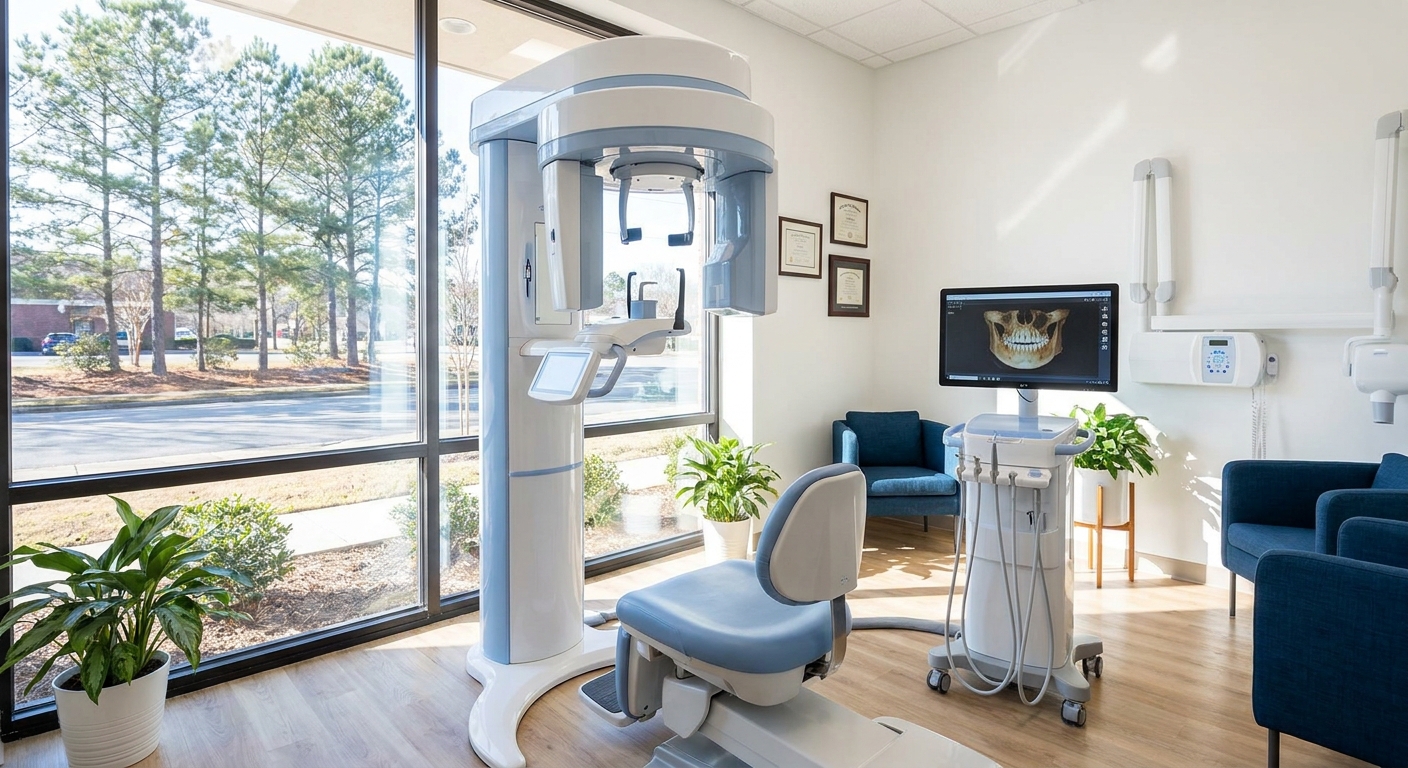
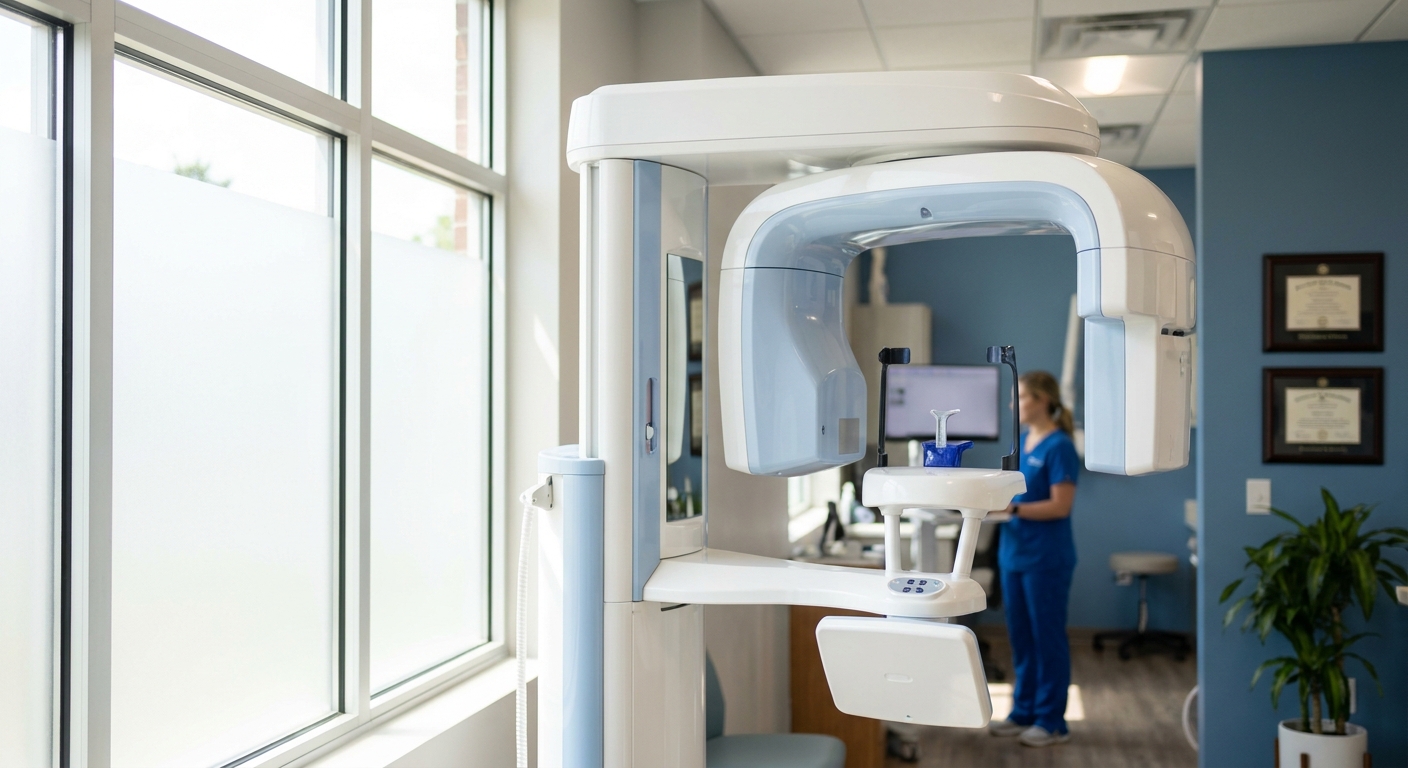
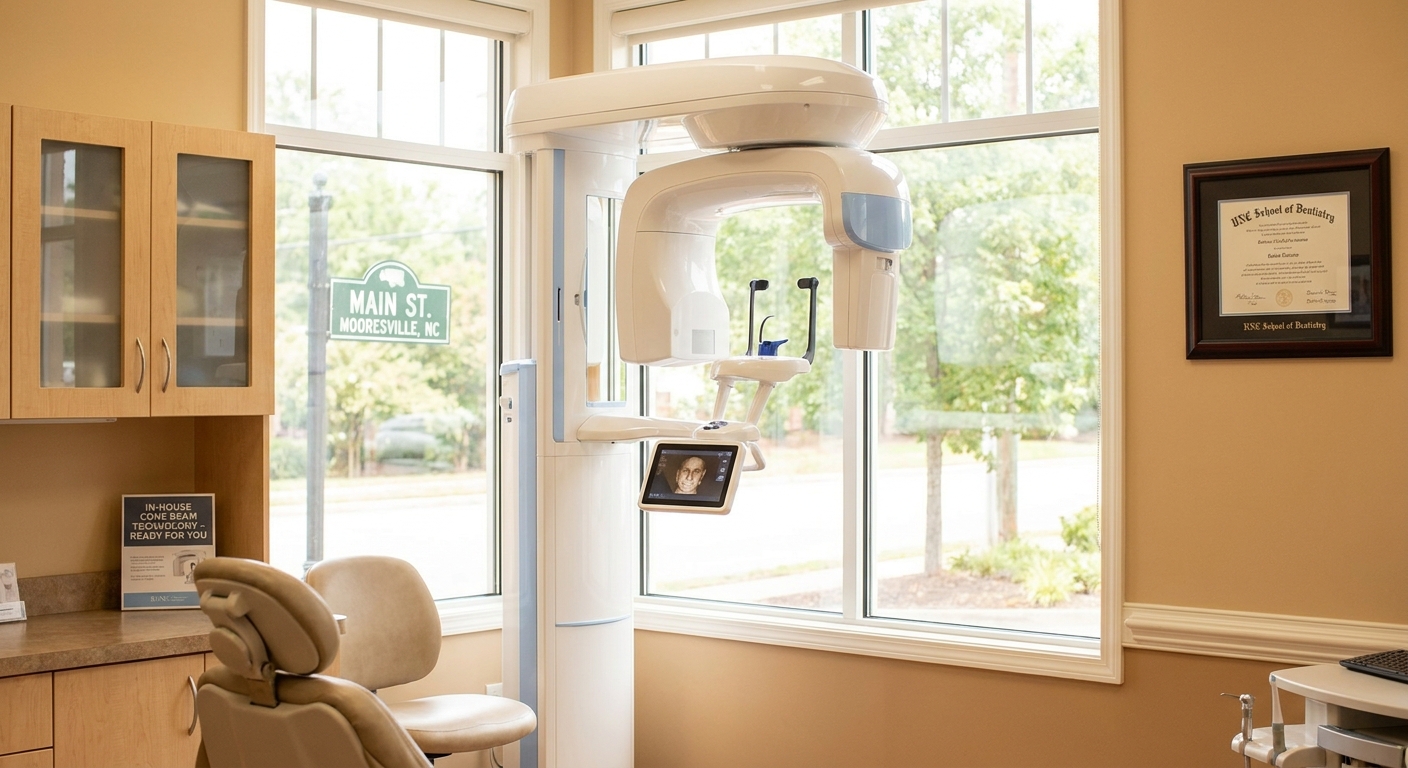
Clinic amenities. Modern diagnostic tools—digital X-rays, cone-beam CT (CBCT), electronic pulp testers—streamline evaluation and increase accuracy. When you call to book, ask if they offer on-site imaging. Faster results often mean quicker treatment, reducing your discomfort sooner.
Accessibility. Finally, weigh location and office hours against the urgency of your pain. If symptoms escalate into a dental emergency—severe pain with fever or facial swelling—you may need a practice that accommodates same-day or walk-in appointments [1].
Prepare for your appointment
A well-prepared consultation maximizes the time you spend with your dentist and helps them reach a diagnosis faster. Before you step into the office:
- Record your pain diary, noting dates, times, triggers, and duration.
- List any home remedies, painkillers, or topical gels (like benzocaine) you’ve tried, and how they worked [4].
- Gather your dental history, including past fillings, crowns, root canals, and any known allergies.
- Prepare a concise list of questions: How will you confirm the source of my pain? Which imaging technique is recommended? What are the potential treatment options?
- Bring a friend or family member if you anticipate sedation or extensive work—having support can ease anxiety.
By organizing your history and concerns, you demonstrate engagement in your own care and help the dental team focus on critical diagnostics, from vitality tests to specialized referrals like dentist for chronic tooth pain.
Expect diagnostic evaluation
Once you’re in the chair, the dentist follows a structured protocol to pinpoint the source of your pain. It typically begins with a clinical exam and progresses to imaging and specialized tests.
- Visual and tactile exam – Checking gums, looking for swelling, decay, or cracks with periodontal probes
- Percussion and bite tests – Tapping teeth and biting on sticks to locate pain
- Thermal testing – Applying hot or cold stimuli to gauge nerve response
- Radiographic imaging – Confirming suspicions with targeted visuals
| Imaging method | Purpose | Advantages |
|---|---|---|
| Digital X-rays | Show decay, bone loss, abscesses | Quick and low radiation exposure |
| Cone-beam CT (CBCT) | 3D view of teeth, bone, sinuses | High detail for complex root anatomy |
| Panoramic radiograph | Broad view of all teeth and jaws | Good for wisdom teeth and jaw issues |
Digital X-rays form the backbone of most evaluations, revealing decay beneath fillings or early bone changes around infected roots. If standard images fall short, your dentist might order a CBCT scan for a three-dimensional perspective, critical when planning root canal therapy or surgical intervention.
Electronic pulp testing measures nerve vitality by sending gentle electrical pulses to suspect teeth. A non-responsive nerve often indicates irreversible pulpitis or necrosis, guiding your provider toward root canal therapy or extraction [5].
Explore treatment options
After diagnosis, your dentist will outline a tailored plan to resolve your pain and preserve long-term oral health.
Mild to moderate decay often responds to a new filling or onlay, sealing off bacterial entry points. If gum recession is the issue, specialized desensitizing treatments—such as fluoride varnishes or bonding agents—can protect exposed dentin.
For infected or inflamed pulp, endodontic therapy offers a tooth-saving solution. A root canal involves removing diseased tissue, disinfecting the canal system, and sealing it to prevent re-infection. Studies show this approach preserves natural teeth more successfully than extraction in most cases [1].
In situations of severe infection, you may receive a short course of antibiotics as a prelude to definitive care, but antibiotics alone cannot eradicate deep pulp infections. Only mechanical cleaning and sealing of canals can halt recurring abscesses [1].
Occasionally, pain may stem from bite misalignment or bruxism rather than decay. Your dentist might recommend a custom night guard or occlusal adjustment to protect enamel and relieve muscle strain. If wisdom teeth are the culprits, surgical extraction under local or IV sedation may be indicated.
Throughout this phase, clear communication with your provider ensures you understand expected outcomes, possible side effects, and any need for follow-up visits—whether for a lingering tooth pain evaluation or to monitor healing after a dental pain assessment appointment.
Prevent future tooth pain
Once your current issue is resolved, adopting preventive habits keeps new problems at bay. Consistent, gentle brushing with a soft-bristle brush and fluoride toothpaste minimizes enamel wear without aggravating sensitive areas. Daily flossing or water-flossing removes plaque from tight contacts where cavities often begin.
Schedule routine checkups every six months to catch early signs of decay or gum disease. Your dentist can apply preventive treatments such as fluoride varnish or sealants where needed. If you grind your teeth, wearing a night guard prevents micro-fractures that can lead to chronic aches.
Finally, maintain a balanced diet low in sugary snacks and acidic beverages. Drinking plenty of water supports saliva production, which neutralizes harmful acids and washes away food debris. By combining diligent home care with regular professional evaluations, you’ll dramatically reduce the likelihood of needing to search again for a dentist for ongoing tooth pain.
Taking prompt action and partnering with a qualified provider turns an agonizing experience into a manageable chapter in your oral health journey. With the right diagnostics, treatment plan, and preventive strategy, you’ll reclaim comfort and confidence in your smile.