Missing a tooth can disrupt your bite and compromise your chewing efficiency almost immediately. When you lose one or more teeth, you need a dentist for restoring chewing ability now, not later. A timely professional assessment will help you maintain bite stability, preserve jawbone health, and avoid costly complications down the road.
A dentist consultation for tooth loss brings clarity to your situation. During your initial visit, your dentist evaluates the health of surrounding teeth, the condition of your gums, and any early signs of bone resorption. That foundation of information underpins every treatment plan and ensures your chewing function returns as fully and predictably as possible.
Evaluate your chewing needs
Before you explore replacement options, you and your dentist must understand exactly how your chewing function has changed. A comprehensive evaluation for missing teeth looks beyond the gap in your smile, measuring bite stability, joint health, and muscle coordination.
Your dentist will examine how your upper and lower teeth meet when you bite together. Even a single missing molar can shift adjacent teeth, creating uneven forces during chewing. Over time that imbalance can lead to bite collapse, accelerated wear on your remaining teeth, and jaw pain. Addressing these issues early can prevent more invasive treatments later on.
Soft tissues and muscles are equally important. Your cheeks, tongue, and periodontal ligaments adapt quickly to a missing tooth, sometimes leading to awkward chewing patterns or even chronic ulcers if sharp edges emerge. By tracking how you chew and where you feel tension, your dentist for bite collapse from missing teeth can customize exercises to restore normal function and protect delicate tissues.
A thorough missing teeth dental evaluation typically includes:
- Bite alignment check, measuring force distribution
- TMJ assessment, looking for clicking or discomfort
- Muscle palpation to identify overactive or underused muscles
- Evaluation of gum health around adjacent teeth
This structured approach gives you a clear snapshot of your functional baseline. From there your dentist can determine which restorations will best support your long-term chewing ability.
Assess bone health
Healthy bone is the foundation for any tooth replacement. After you lose a tooth, the jawbone in that area no longer receives stimulation from chewing forces. Without that stimulus your body begins resorbing bone tissue, shrinking the ridge that once supported your tooth.
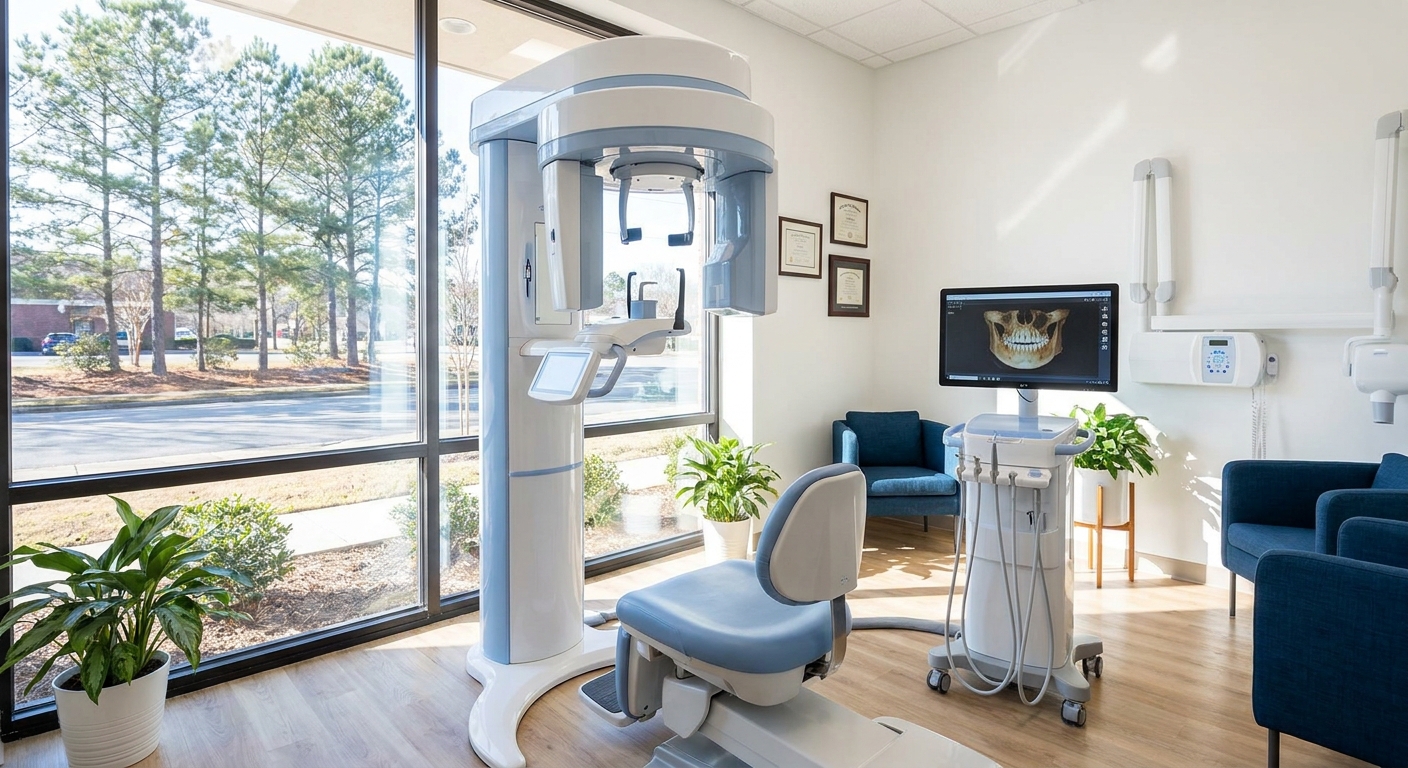
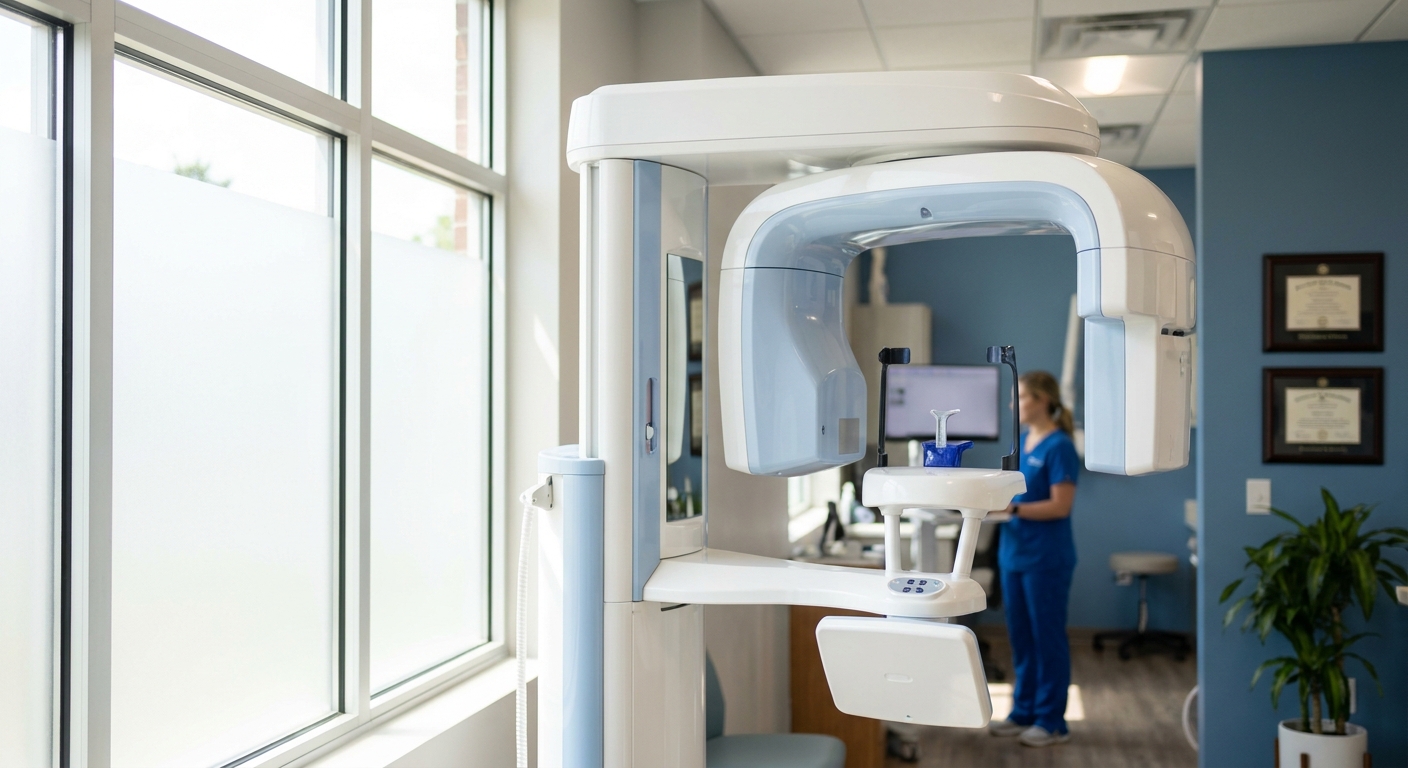
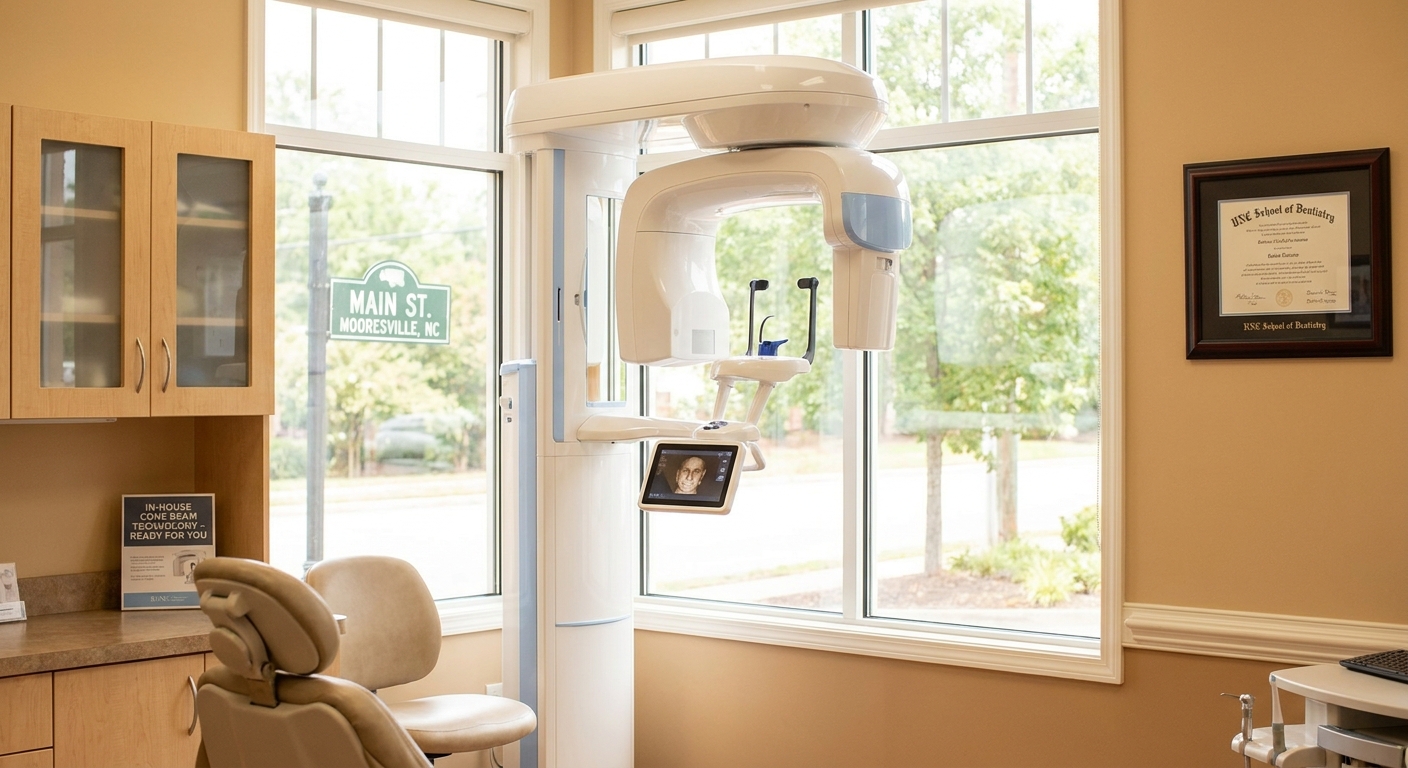
Your dentist for restoring chewing ability will order imaging to measure bone volume and density. Cone-beam CT scans, for example, reveal cross-sectional views of your jaw, showing exactly how tall and wide the ridge remains. That information guides decisions on whether you need a bone graft or ridge preservation before placing a long-term restoration.
Even a modest amount of bone loss can impact chewing function. A narrower ridge may limit the size of a dental implant your dentist can place, or reduce the stability of a bridge abutment. Timing is critical—studies show significant bone reduction can occur within the first six months after extraction. Seeking professional evaluation for tooth replacement early helps you retain as much native bone as possible.
Explore replacement options
Once your bite and bone health are assessed, you and your dentist can consider the restorations that will best restore your chewing ability. Every option has trade-offs in terms of durability, cost, invasiveness, and maintenance. A functional tooth replacement dentist will guide you through these considerations, ensuring you choose the solution that fits your goals.
| Option | Estimated cost range | Chewing efficiency | Bone preservation |
|---|---|---|---|
| Dental implant | $3,000 – $6,000 [1] | ~90% restored | Stimulates bone via osseointegration [2] |
| Fixed dental bridge | $500 – $16,000 [3] | 60 – 70% restored | No bone stimulus; potential ridge reduction |
| Removable denture | $300 – $3,500 [4] | 20 – 40% restored | Accelerates bone loss without implants |
A single dental implant can restore up to 90 percent of your natural chewing power, preserving jaw structure and function over time [1]. Fixed bridges offer a less invasive alternative if your bone volume is limited, but they rely on adjacent teeth for support and do not prevent bone resorption. Traditional dentures restore basic chewing but often feel unstable and may require frequent adjustments.
Your dentist for long term tooth replacement will talk you through each option’s benefits and limitations, linking your functional goals—whether that’s enjoying raw vegetables or confidently biting into an apple—to the right treatment.
Plan your treatment
Successful restoration of chewing ability depends on careful planning. Your dentist for missing teeth will assemble a phased treatment schedule that aligns with your dental health, lifestyle, and budget.
- Consultation and digital impressions
- Pre-surgical procedures (bone grafts or extractions if needed)
- Implant placement or tooth preparation for bridges
- Healing period with temporary restorations
- Final prosthesis delivery and adjustment
That roadmap helps you anticipate recovery times, dietary modifications, and financial commitments. For instance, an implant typically needs three to six months of healing before a crown can be placed, while a bridge often requires just a few weeks from start to finish.
During your tooth replacement consultation dentist appointment, your provider will also discuss sedation options, potential complications, and support resources. This level of transparency ensures you feel confident about each phase, reducing anxiety and improving your overall experience.
Maintain chewing restoration
Once your prosthesis is in place, maintaining your chewing ability becomes an ongoing process. Regular checkups with your dentist for tooth loss treatment prevent minor issues from undermining your investment.
Your dentist will recommend a personalized home-care routine that might include specialized brushes, interdental cleaners, or antibacterial rinses. You may also be prescribed exercises to strengthen jaw muscles and improve coordination—techniques that can be especially helpful if you adapted to chewing on one side for too long.
Proper maintenance also means monitoring the fit and function of your restoration. Over time normal wear and subtle changes in your bite can emerge. Early adjustments keep chewing forces balanced and protect against uneven wear on your prosthesis or natural teeth.
Finally, lifestyle factors like smoking, bruxism, and dietary choices influence the longevity of your restoration. Your dentist for restoring chewing ability can advise you on habits to adopt or avoid, ensuring you enjoy a full and confident bite for years to come.
Take the next step
Restoring your chewing ability after tooth loss is not just about aesthetics—it’s about nutrition, comfort, and long-term oral health. By seeking professional guidance now you preserve bone, protect surrounding teeth, and regain the confidence to eat the foods you love.
Schedule a missing tooth evaluation dentist appointment today. Early planning leads to smoother treatments, predictable outcomes, and a restored bite that serves you well into the future.