Early in your search for a dentist for sensitive patients, you’ll notice that not every practice caters to comfort and communication. Your dental anxiety or sensitivity concerns deserve a care plan built around gentle techniques, clear explanations, and stress reduction. Finding the right professional partner can transform routine checkups from tense chores into manageable, even pleasant, experiences. In this guide, you’ll learn how to identify your unique needs, evaluate potential dentists, and prepare for a truly patient-centered visit.
Understand tooth sensitivity
Tooth sensitivity happens when protective enamel wears away, exposing dentin—the softer inner layer filled with microscopic tubes leading directly to nerves. That exposure triggers sharp pain when you sip hot coffee or bite into ice cream [1]. You might experience a short, sharp jolt from cold air or a sweet treat, and over time that discomfort can discourage you from essential dental care.
Enamel erosion, gum recession, cavities, gum disease, and cracked teeth all play a role in your sensitivity profile. According to the Mayo Clinic, root exposure from receding gums also lets triggers reach live tissue, making brushing or routine exams painful [2]. Before you pick a dentist, it’s vital to recognize what intensifies your symptoms so you can discuss them openly.
Early consultation matters because untreated sensitivity may lead to more serious issues. A dentist for sensitive patients will diagnose underlying causes—whether worn fillings or inflamed gums—and recommend targeted solutions like desensitizing toothpaste or specific procedures [1]. That personalized approach prevents complications and gives you a roadmap to lasting relief.
Identify your needs
Every patient’s sensitivity story is different. Start by listing situations that cause discomfort—brushing, cold air, sweet foods, or even the thought of a dental drill. Do you tense up when someone leans over you, or does the idea of needles make you break into a sweat? Detailing these triggers helps you zero in on dentists who prioritize comfort and pacing.
Consider your anxiety level. If past experiences left you with dread, you may require more frequent breaks, extra reassurance, or guided relaxation techniques. Perhaps you need someone skilled in sedation—oral medication or nitrous oxide—to keep your muscles from clenching. When you know which elements cause the most stress, you can ask targeted questions during consultations.
Determine your treatment goals: Are you looking to eliminate sharp pains, restore enamel with fluoride treatments, or simply make routine exams bearable? Clear objectives let you assess whether a dentist’s services align with your priorities. If you want minimal pain and clear communication, look for practices highlighting comfort-focused dental care on their websites.
Evaluate communication style
Your dentist’s ability to listen and explain procedures is as important as their clinical skills. A care provider who hears your concerns and breaks down every step can demystify treatment and reduce fear. When you speak with a prospective dentist, notice how they respond to your questions—do they rush answers or take time to ensure you understand?
Here are qualities to look for in communication:
- The dentist asks open-ended questions about your past experiences and current anxieties
- They describe procedures in plain language, avoiding jargon
- The team offers visual aids, like printed guides or intraoral images, to illustrate steps
- You’re encouraged to signal discomfort and pause the procedure at any moment
- Follow-up calls or messages are standard to address post-visit concerns
This list isn’t exhaustive, but it highlights what distinguishes a “dentist who listens to concerns” from one focused solely on technical outcomes. Practices that emphasize dentist who explains procedures and dentist who takes time with patients are often the most patient-centric.
Explore gentle techniques
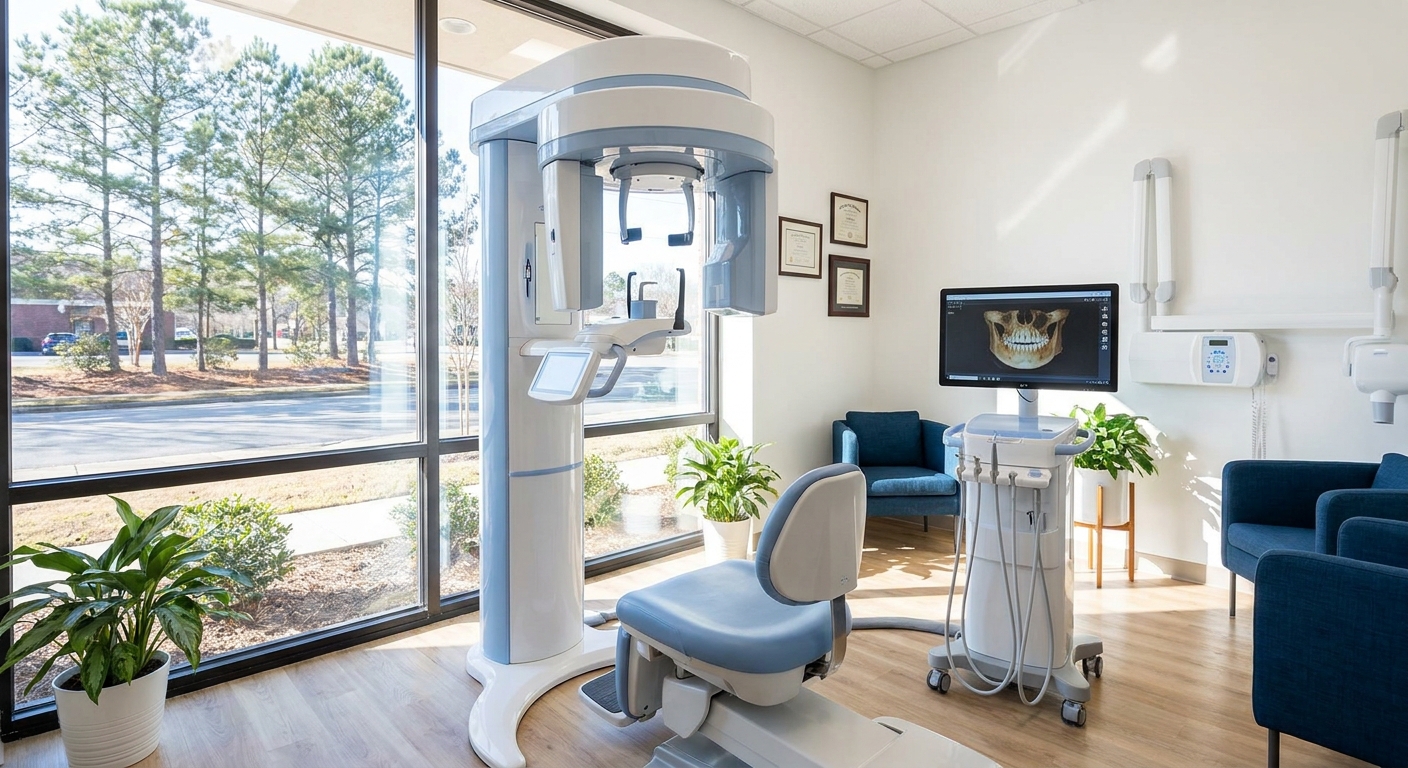
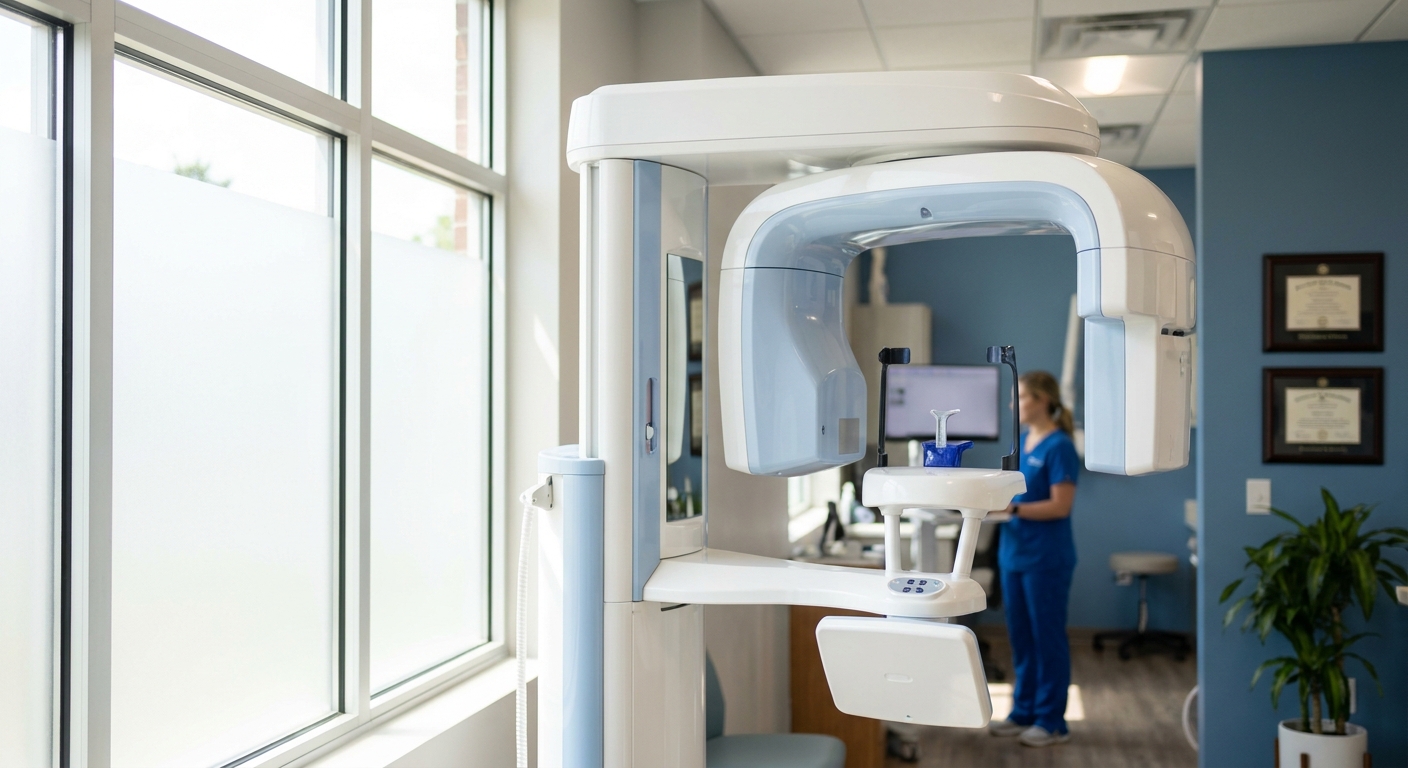
A dentist trained in gentle care will offer minimally invasive methods and modern technologies designed to reduce discomfort. Topical anesthetics and small-gauge needles help numb injection sites more effectively. Laser dentistry can address cavities and gum issues without the scraping or pressure of traditional tools. Digital X-rays expose you to less radiation and produce images in seconds, sparing you from lengthy stays in an open-mouth position.
Gentle dentistry also extends to routine exams. A comfortable dental exam involves soft-bristle brushes, slow handpiece rotation, and frequent breaks. Many practices offer music, noise-canceling headphones, or even virtual reality goggles to distract you from unsettling sounds.
You may also find nutrition guidance tailored to sensitivity—avoiding acidic foods or using a straw for cold drinks, as recommended by the Mayo Clinic to protect enamel [2]. A well-rounded gentle care approach extends beyond the chair, ensuring your daily habits support lasting comfort.
Consider sedation options
When anxiety or sensitivity runs high, sedation dentistry can offer profound relief. Whether you flinch at the sound of a drill or dread every numbing shot, sedation helps you relax, stay still, and even lose memory of the procedure. It’s not limited to fearful patients—sedation can be part of comprehensive, gentle care for anyone seeking a low-stress visit.
Types of sedation
| Sedation type | Description | Advantages | Recovery |
|---|---|---|---|
| Nitrous oxide | Inhaled “laughing gas” mixed with oxygen, administered via a small mask | Rapid onset and recovery, you remain conscious | Immediate |
| Oral sedation | Pill-based sedative (often similar to Valium) taken before the appointment | Mild to moderate sedation, deeper relaxation | Several hours |
| IV sedation | Medication delivered intravenously for precise control over sedation level | Adjustable depth, amnesia, minimal movement | Until drug wears off |
Nitrous oxide lets you drive yourself home and normal activities can resume almost instantly. Oral sedation requires a companion home, but it smooths out spikes of fear or pain. Intravenous options offer the deepest calm, often eliminating memory of injections or drilling. When speaking to a sedation dentist, ask about experience levels and monitoring standards.
Sedation dentistry also has specialized providers, like those listed on SedationCare.com, who undergo extensive training to ensure safe, comfortable experiences for nervous or sensitive patients [3]. If you live near Richmond, VA, Brightwork Family Dentistry offers both oral sedation and nitrous oxide options administered by trained staff [4].
Assess office environment
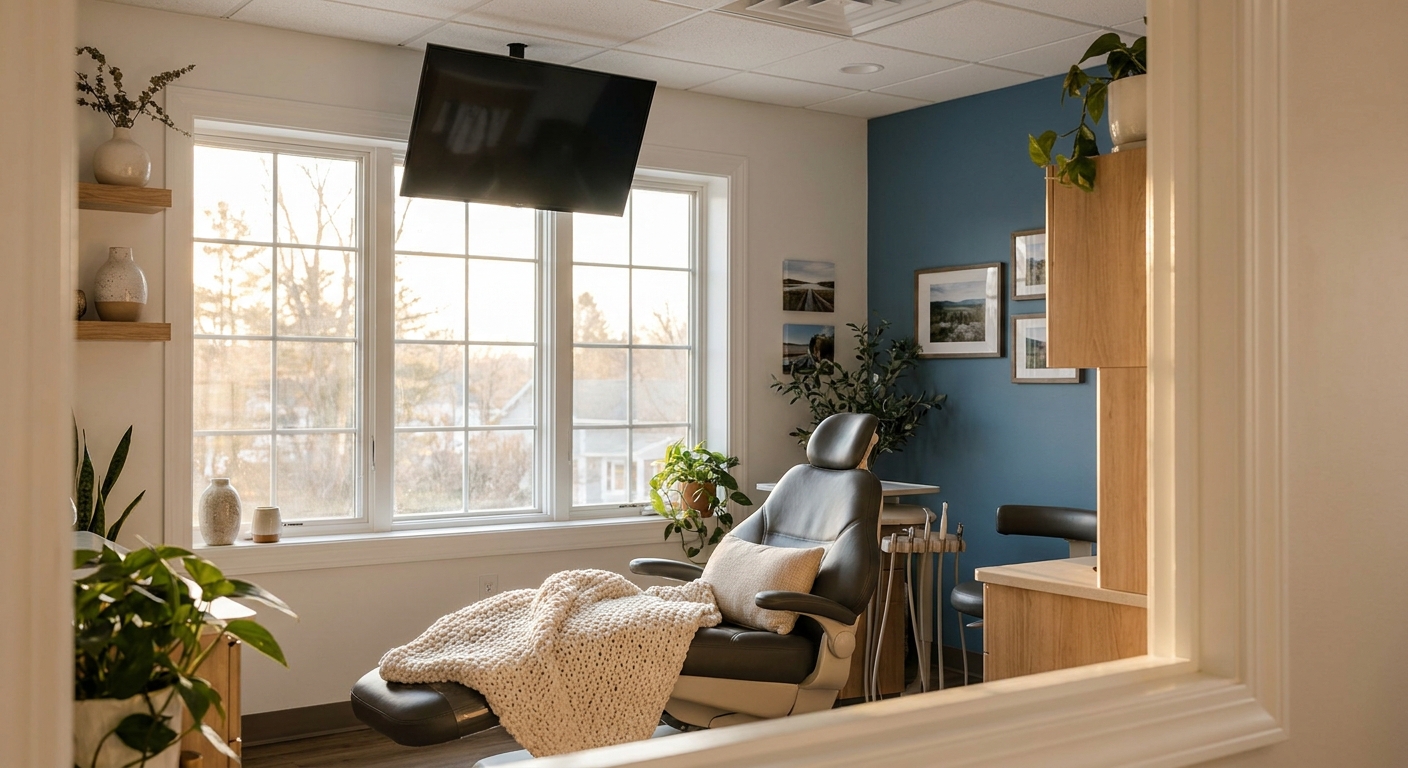
The physical setting of a dental office can dramatically influence your stress levels. Practices designed for sensitive patients often feature quiet treatment rooms, comfortable seating, blankets, and pillows. Soft lighting and calming decor help lower your guard, while soothing music masks operational sounds.
Reception areas with friendly staff who greet you by name and review your preferences—like your favorite background music or need for extra breaks—show a commitment to personalized care. Look for signs of streamlined appointments that minimize wait times, since long lulls in the chair can heighten anxiety.
Telecommunication tools, such as secure messaging or video consultations, provide a less stressful way to follow up or ask questions without scheduling in-person visits. Dentists who emphasize low stress dental care or advertise patient focused dental care are more likely to have invested in these comfort-enhancing features.
Review patient testimonials
Hearing from others who have walked in your shoes often provides the best insight into a dentist’s true focus on comfort and sensitivity. Seek reviews that mention reduced pain, clear explanations, and a sense of trust throughout treatment. Patients who initially feared visits but now schedule routine cleanings signal a successful comfort-first approach.
“After years of wincing at every appointment, I finally found a team that helps me relax, explains every step, and even lets me control the music volume. Now I look forward to my checkups.”
You can find testimonials on practice websites, Google reviews, or social media pages. Look for patterns—reports of gentle techniques, compassionate communication, and consistent follow-up care. If you’re considering a dentist known for “stress free dental visit” or dentist for nervous patients, patient stories will reveal whether those claims hold up in real life.
Prepare for your appointment
Once you’ve narrowed your list, schedule a consultation to discuss your sensitivity and anxiety. Prepare questions about techniques, sedation, and post-visit support. Bringing a brief written history of past dental experiences and current triggers helps ensure nothing gets overlooked.
On the day of your visit:
- Arrive early to complete forms at a relaxed pace
- Wear comfortable clothing and consider bringing headphones or sunglasses
- Communicate openly about pain thresholds and ask for reminders if you need breaks
- Follow pre-sedation guidelines carefully if you’ve chosen medication
- Plan for a companion if you’re using oral or IV sedation
Your final step is a debrief: share feedback on what worked, what felt uncomfortable, and how each appointment could improve. A truly patient-centered dentist adapts over time, refining their approach based on your input and evolving needs, ensuring every visit gets easier and more comfortable.
By focusing on your specific triggers and priorities—and choosing a dentist for sensitive patients who excels in communication, gentle techniques, and stress reduction—you set the stage for a healthier smile without the dread. With the right partner, even sensitive patients can look forward to dental care as a positive, confidence-boosting practice.