Early planning is the key to restoring both function and confidence after tooth loss. By working with a dentist for smile restoration planning, you’ll address changes in bone, bite and gum health before they complicate treatment. Prompt evaluation sets the foundation for a stable, long-lasting solution.
This guide serves as your tooth replacement readiness hub, outlining what to expect from consultation through long-term maintenance. You’ll learn how professionals assess your oral structures, explore replacement options and customize a timeline that fits your lifestyle. Along the way, you’ll see why early intervention matters for preserving bone density and preventing bite collapse.
The goal is to equip you with the knowledge to make informed decisions—without promoting any one procedure prematurely. Let’s begin by looking at how a thorough consultation lays the groundwork for success.
Start with professional consultation
Your journey begins with an in-depth appointment focused on understanding your needs and goals. During this visit, your dentist will review your medical and dental history, discuss your concerns and listen to your smile aspirations. You’ll explore how missing teeth affect chewing, speaking and self-confidence, setting the stage for personalized guidance.
Impressions, photographs and digital scans often follow, creating a roadmap of your current oral condition. This detailed approach mirrors best practices in personalized smile makeover planning, akin to those used by Coastal Cosmetic & Family Dentistry to tailor treatments based on facial features and lifestyle [1].
Schedule your missing teeth dental evaluation to ensure all factors—from jaw joint alignment to gum contour—are captured early on.
Assess bone and gum health
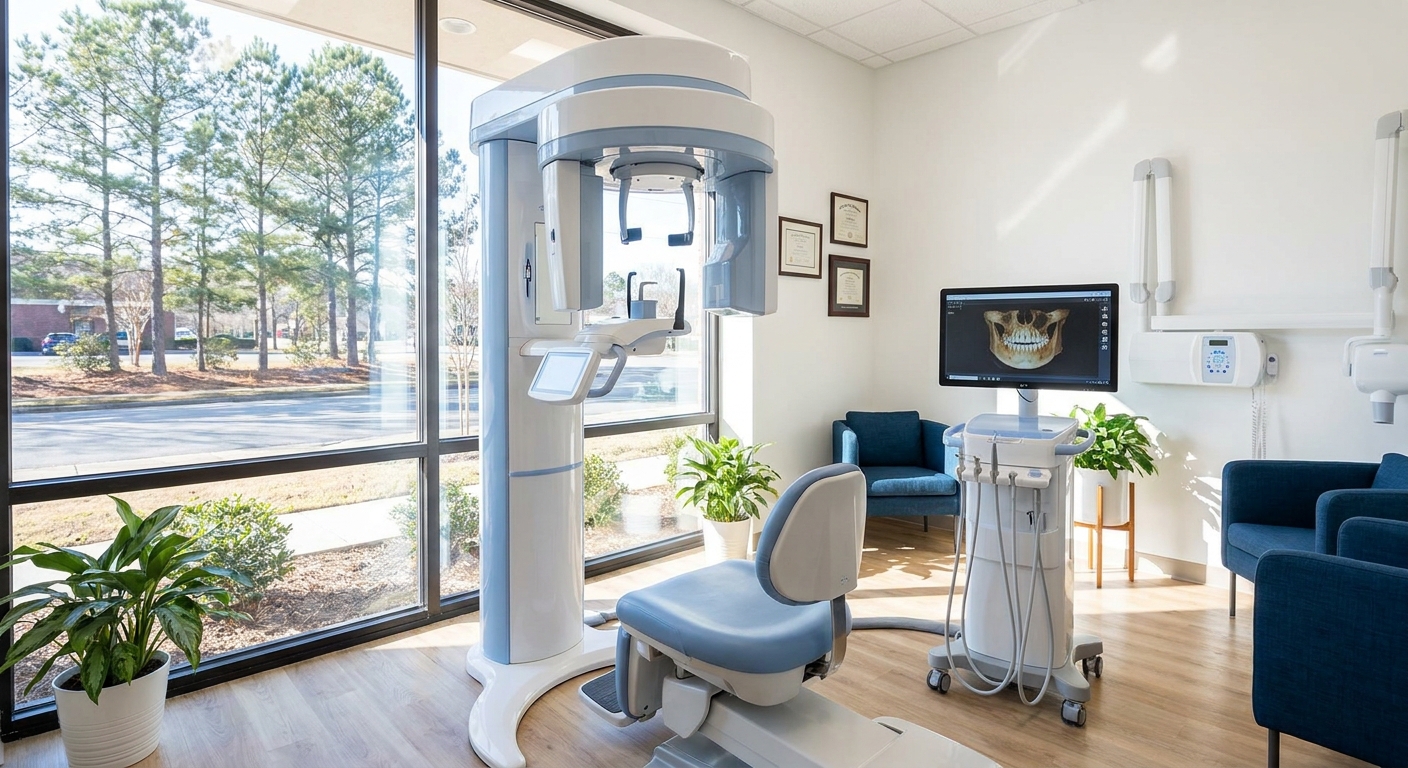
After initial records are taken, focus shifts to the foundations that support your teeth. High-resolution X-rays or cone-beam CT scans reveal bone volume and density, critical for determining whether you have enough support for implants or other restorations. Low bone mass can complicate treatment, but identifying this upfront lets you explore options like bone grafting before irreversible changes occur.
Your gum tissues are evaluated next. Periodontal health influences not only the aesthetic result but also the longevity of any restoration. Early detection of inflammation or recession helps your dentist design a plan that balances gum stability with tooth replacement. An evaluation for tooth replacement ensures you address these issues before they compromise your outcome.
Evaluate bite stability
Tooth loss affects more than empty spaces—it can trigger bite collapse as adjacent teeth drift into gaps. Assessing occlusion, or how your upper and lower teeth come together, uncovers these shifts. Your dentist for bite collapse from missing teeth will examine wear patterns, jaw joint function and the relationship between your arches to pinpoint areas of imbalance.
In some cases, even a single missing tooth can change force distribution across the bite, leading to muscle strain or temporomandibular joint discomfort. By catching these early signs, you avoid more extensive corrections later. A stable bite is essential before you move ahead with any definitive replacement.
Explore replacement options
With foundational health and bite stability confirmed, you and your dentist will discuss suitable replacement categories. While the best choice depends on your anatomy, budget and timeline, understanding each option’s pros and cons empowers you to participate actively in planning.
Fixed bridges anchor to adjacent teeth, restoring chewing ability in weeks. Removable partial dentures fill multiple gaps at lower cost and can be adjusted over time. Dental implants replace missing roots, preserving bone and offering the feel of natural teeth. Implant-supported dentures combine stability with ease of care. Each approach carries trade-offs in invasiveness, healing time and long-term maintenance.
For a more comprehensive overview, visit replacement options for missing teeth dentist to compare solutions side-by-side.
Plan your treatment timeline
Timing varies widely depending on which routes you choose. Minor treatments like bonding or simple bridges may wrap up in a matter of weeks. Orthodontic realignment with clear aligners can extend into months, while implant placement with healing may stretch six to nine months or beyond.
| Treatment category | Typical duration | Key considerations |
|---|---|---|
| Bonding or crowns | 2–4 weeks | Multiple visits for prep and final seating |
| Bridges or removable dentures | 4–6 weeks | Adjustments for fit and comfort |
| Clear aligner therapy | 3–12 months | Monitoring tooth movement and compliance |
| Single or multiple implants | 6–9+ months | Healing time for bone integration |
Table: Average smile restoration timelines based on Prime Dentistry’s 2025 guidance [2]
Building buffer time into your plan accounts for any unexpected healing delays. Discuss sequencing—for example, whitening before crowns—to minimize appointments and streamline your journey.
Customize your restoration plan
Once you understand timelines, collaborate on a tailored roadmap that meshes with your lifestyle. Many practices use digital smile design technology to preview potential outcomes before treatment begins, helping you visualize final results and set realistic expectations [1]. You’ll review proposed shapes, shades and spacing to ensure you’re comfortable every step of the way.
Customization also extends to materials and techniques. Porcelain veneers can mask minor misalignment and discoloration in one visit, while composite bonding offers a less invasive, single-sitting touch-up. If implants are part of your plan, you’ll decide on screw-retained versus cement-retained crowns and explore options for provisional restorations during healing.
A thorough tooth replacement consultation dentist will coordinate each specialty—periodontics, orthodontics and prosthodontics—to deliver a cohesive, efficient treatment roadmap.
Ensure long-term oral health
Your new smile’s success hinges on maintenance and proactive care. Regular check-ups and professional cleanings guard against gum inflammation and allow early detection of any shifts in your restoration. Daily brushing, flossing around implants and using water flossers can preserve both natural teeth and prosthetics.
Financing options such as CareCredit and in-house savings plans make comprehensive treatment more accessible, helping you budget for each phase without compromising quality [1].
For guidance beyond treatment, consult a dentist for long term tooth replacement to create a maintenance schedule tailored to your blend of natural and restored teeth.
A well-maintained smile not only offers lasting function but also enhances your quality of life—enabling confident eating, clear speech and peace of mind.
Summary
Early engagement with a dentist for smile restoration planning gives you control over outcomes that matter most: bone preservation, bite stability and aesthetic harmony. By following a structured path—from thorough consultation through long-term maintenance—you’ll arrive at a solution tailored to your needs, timeline and budget. Don’t wait for complications to arise. Schedule your initial evaluation today and take the first step toward a durable, fully functional smile.