You may not realize it, but even small chips, cracks, or worn spots on your teeth can signal significant structural issues beneath the surface. When you need a dentist for structural tooth damage, timely professional evaluation can mean the difference between a simple repair and a complex restoration. Whether you’re experiencing sensitivity, visible fractures, or gradual enamel loss, understanding how your dentist diagnoses and treats these conditions empowers you to protect your smile for years to come.
In this article, you’ll learn how dentists assess fractured, worn, and weakened teeth, which signs to watch for, and what restorative treatments can restore both function and appearance. By the end, you’ll know how to choose the right dental professional and maintain long-term tooth stability after repair.
Understanding structural tooth damage
Structural tooth damage covers a range of issues—from tiny surface cracks to deep fractures that reach the pulp chamber. Restorative dentistry focuses on repairing or replacing damaged or missing teeth to improve oral health and chewing function [1]. When left untreated, a minor chip can progress into a split tooth or infection, increasing the risk of extraction.
Structural damage often starts with enamel compromise. Enamel is your tooth’s hardest layer, but it can wear down through grinding, acid erosion, or direct trauma. Underneath, dentin and pulp are more vulnerable to bacteria and mechanical failure. Recognizing damage early helps you avoid more invasive procedures. Your dentist will evaluate not just how your tooth looks, but how it functions under everyday forces like biting and grinding.
Identifying fracture and cracks
Fractures range from superficial craze lines to vertical root splits that threaten tooth survival. You might spot hairline cracks when inspecting under a bright light or feel rough edges on your tongue. Pain when biting, especially on release, often indicates a cracked cusp or split tooth—symptoms that require you to see a dentist for tooth fracture right away.
Common fracture types
Craze lines are tiny cracks in enamel visible as faint vertical lines. They’re mostly cosmetic, but they can deepen over time. A cracked cusp occurs when a segment of chewing surface breaks off, leading to sharp pain while chewing. Vertical root fractures extend from the crown into the root and often cause recurring infections, even if the crown appears intact.
If you experience sudden sensitivity or intermittent pain, you may need a fractured tooth dentist appointment to pinpoint the fracture. Dentists use bite tests, transillumination, and dyes to reveal hidden cracks. When biting triggers discomfort, links like biting pain cracked tooth dentist explain why immediate evaluation is critical.
Recognizing enamel wear
Enamel wear shows up in three main ways: attrition from tooth-to-tooth contact, erosion from acids, and abrasion from foreign objects like toothbrushes or pens. As enamel thins, teeth appear shorter and flatter, and you may notice increased sensitivity to hot, cold, or sweet stimuli.
Attrition often affects the tips of front teeth and molar cusps, creating a smooth but uneven surface. Erosion—caused by acidic foods, beverages, or acid reflux—leads to cupped indentations on chewing surfaces. Abrasion results in notches at the gum line, where contact with hard bristles or harsh toothpaste scrubs away enamel.
If you suspect enamel loss, your dentist for worn teeth can assess your risk and tailor an oral care plan. Seeking a dentist for worn teeth prevents minor wear from becoming structural weakening.
Evaluating tooth trauma
Accidents, sports injuries, and falls can chip or fracture teeth in an instant. Even if the damage seems minor, underlying cracks may compromise the tooth’s internal structures. After any trauma, schedule a visit with a dentist for dental trauma or a dentist for tooth trauma evaluation within 24 to 48 hours.
Immediate at-home measures include rinsing with warm water, applying a cold compress, and saving any broken pieces in milk. These steps help reduce swelling and preserve fragments for potential reattachment. Ultimately, only a professional evaluation can determine whether you need a simple polish, bonding, or something more extensive like a root canal and crown.
Dentist assessment process
When you walk into the dental office for evaluation of damaged teeth, the dentist follows a systematic process to gauge severity and plan treatment.
-
Visual and tactile exam
Your dentist inspects each tooth under magnification, probing for rough edges, chips, and decalcified spots. A sharp explorer can catch minute enamel breaks invisible to the naked eye. -
Radiographic imaging
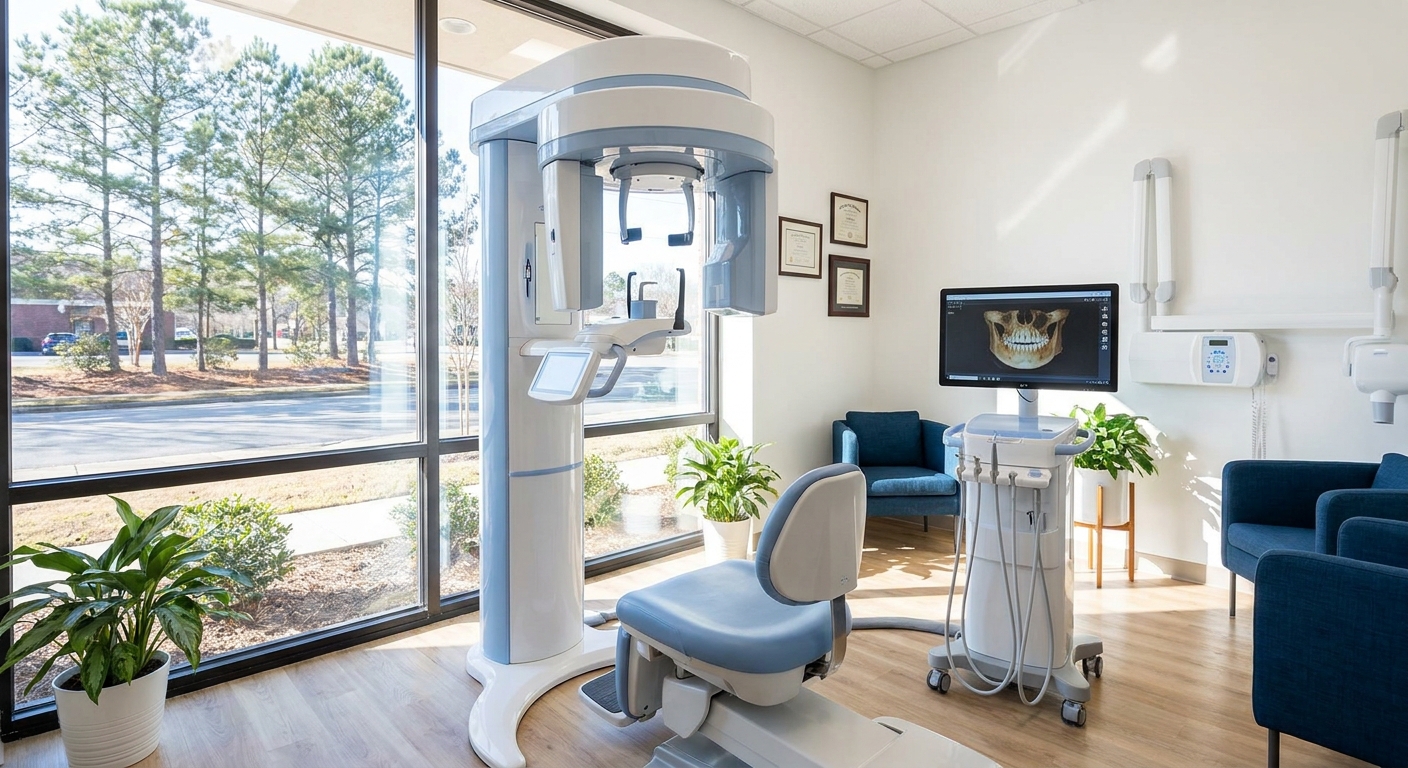
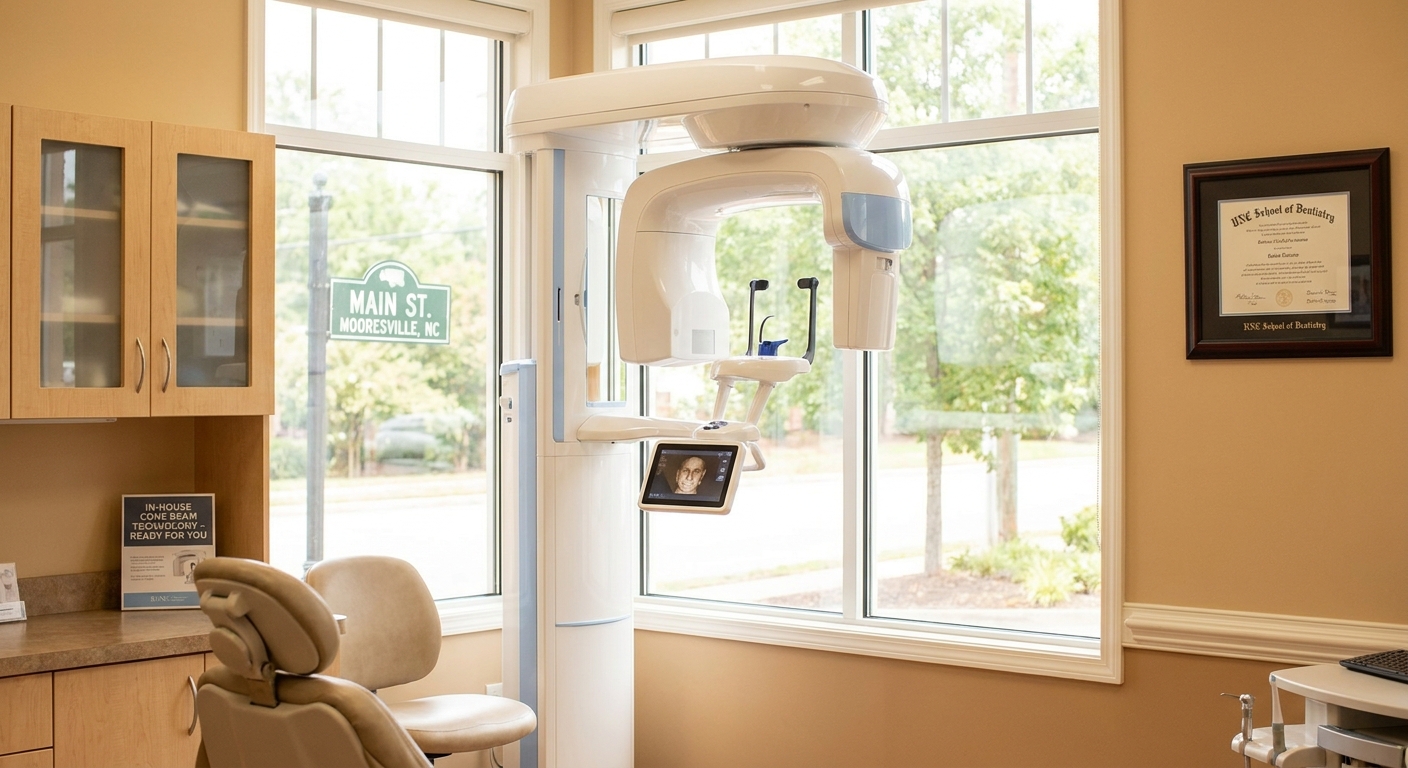
X-rays reveal cracks extending below the gum line and hidden decay. Cone-beam CT scans provide three-dimensional views of root fractures or bone involvement, vital for planning restorations or extractions. -
Bite and percussion tests
You’ll bite on a colored stick or rubber wafer to isolate pain points. Gentle tapping on the tooth surface identifies inflammation in the periodontal ligament, signaling possible root issues. -
Transillumination and dye tests
Shining a bright light through the tooth highlights fractures as dark lines. Specialized dyes can seep into cracks, making them easier to detect. -
Functional analysis
Finally, your dentist evaluates how the tooth moves under normal chewing forces. Any mobility or abnormal wear patterns suggest underlying weakness.
Throughout this process, you may be referred to a tooth damage assessment dentist or for an evaluation for damaged teeth. Clear diagnosis ensures your treatment plan addresses both immediate repair and long-term stability.
Restoration treatment options
Once your dentist confirms the nature and extent of structural damage, a tailored restoration plan preserves function and appearance. Below is a comparison of common restorative options:
| Restoration option | Description | Ideal for | Average lifespan |
|---|---|---|---|
| Dental bonding | Tooth-colored resin molded onto small chips and cracks | Minor chips, surface defects | 3–7 years |
| Dental filling | Amalgam, composite, or porcelain seals moderate cavities | Small to mid-sized decay | 5–10 years |
| Inlay/Onlay | Lab-fabricated porcelain or gold pieces cemented on chewing surfaces | Significant structural loss not requiring a full crown | 10–15 years |
| Crown | Full coverage cap after enamel removal, can be porcelain-fused-to-metal or ceramic | Large fractures, root canal protection [1] | 15–25 years |
| Implant | Titanium post replacing root, topped with a crown | Non-restorable tooth extraction, multiple missing teeth | 20+ years |
Dental bonding is a direct procedure completed in one visit by applying a putty that hardens under UV light [2]. In contrast, crowns and inlays require impressions and lab work but deliver superior durability for major damage. If a fracture reaches the pulp causing infection, your dentist will recommend root canal therapy followed by a crown [1].
For teeth with extensive structural compromise, implants offer a permanent solution without altering adjacent teeth. Your damaged tooth treatment dentist will guide you through grafting, implant placement, and crown restoration to recreate full chewing function.
Maintaining long-term stability
After restoration, protecting your investment ensures lasting results. Discuss these preventive strategies with your dentist for weakened teeth:
- Wear a custom night guard if you grind your teeth, reducing attrition and fracture risk.
- Avoid hard foods like ice, nuts, and unpopped popcorn kernels that can chip enamel.
- Use a soft-bristled toothbrush and non-abrasive toothpaste to prevent abrasion near the gum line.
- Rinse with a fluoride mouthwash daily to strengthen enamel and counteract acid erosion.
- Keep routine dental check-ups every six months for early detection of wear or new cracks.
These simple measures support your mouth’s functional stability and help you avoid repeat restorative work.
Selecting your dental professional
Choosing the right expert for structural tooth damage makes all the difference. Look for a dentist who:
- Specializes in restorative dentistry and uses advanced imaging techniques
- Offers clear treatment plans, laying out risks, benefits, and alternatives
- Maintains a collaborative relationship with endodontists and oral surgeons when needed
- Provides patient testimonials or case studies of successful structural repairs
When you search for a tooth structure damage dentist, prioritize credentials such as fellowship in the Academy of General Dentistry or membership in the American Academy of Restorative Dentistry. A trusted provider will ensure you receive comprehensive care—from initial assessment to final polish—so your teeth remain strong, functional, and beautiful.