Choosing the right dentist for tooth fracture can make all the difference in preserving your smile and preventing further damage. When you face a cracked or weakened tooth, prompt evaluation and targeted treatment are crucial to restore function and relieve discomfort. In this guide, you’ll learn how to assess your needs, vet potential providers, and prepare for an informed consultation. By following these expert tips, you can feel confident in your choice and secure long-term tooth health.
Understand tooth fractures
Cracks and breaks in your teeth vary widely in severity and symptoms. Some fractures are barely visible craze lines that cause no pain, while others extend deep into the pulp, risking infection and tooth loss. Recognizing the nature of your fracture is the first step toward finding a dentist for tooth fracture who can diagnose and treat your condition effectively.
Types of fractures
Dentists classify fractured teeth into categories such as craze lines, fractured cusps, cracked teeth, split teeth, and vertical root fractures, each requiring a tailored approach ranging from simple fillings to extraction [1]. A cracked tooth, also known as cracked tooth syndrome (CTS), occurs when a tooth sustains a break that may or may not be visible above the gum line. These cracks most commonly affect upper front teeth and lower molars, threatening both aesthetics and function [2]. Without intervention, even a minor crack can spread, compromising the structural integrity of your tooth.
Common causes
Tooth fractures commonly result from biting hard foods such as ice, hard candies, nuts, or unpopped popcorn kernels, which exert repeated pressure and weaken enamel over time, increasing breakage risk [1]. Accidents and trauma like falls, car accidents, or sports injuries can also cause fractures; athletes are advised to wear mouthguards to prevent dental injuries [1]. Teeth grinding (bruxism), often unnoticed until symptoms appear, wears down enamel and may lead to fractures; treatment including night guards is recommended to prevent further damage [1]. Understanding these causes helps you discuss prevention and treatment strategies with your dentist.
Recognize treatment urgency
Not every crack demands emergency care, but certain signs mean you should seek help without delay. Sharp pain when you bite down, lingering sensitivity to hot or cold, swelling of the gums around the affected tooth, or visible pieces of tooth structure warrant prompt attention. If you experience persistent or severe symptoms, you should schedule a visit with a dentist for dental trauma as soon as possible to avoid complications such as abscesses or nerve damage.
In cases where pain flares unpredictably or your bite feels “off,” you may be facing a split tooth or deep root fracture. A dentist for tooth trauma evaluation can use advanced tools like 3D imaging to detect hidden cracks. Swift diagnosis can preserve more of your natural tooth and reduce the need for invasive procedures later.
Identify dentist qualifications
When searching for a dentist to repair a fractured tooth, focus on clinicians with specific training in restorative dentistry and trauma management. General dentists often handle basic fillings and crowns, but a provider experienced in complex fractures can deliver more reliable results. Look for credentials such as advanced coursework in endodontics, prosthodontics, or continuing education certificates in restorative techniques.
You may also review patient testimonials and before-and-after photos to gauge treatment quality. If your fracture involves enamel chipping or surface wear, seek a dentist for cracked enamel who understands cosmetic bonding. For worn or weakened teeth that require bite adjustments, a dentist for worn teeth can design a plan to restore both form and function.
Restorative dentistry expertise
A dentist skilled in restorative dentistry applies materials and procedures that mimic natural tooth structure. Whether you need composite bonding, porcelain crowns, or onlays, your choice of materials influences durability and aesthetics. Discuss which materials your dentist prefers and why—ceramic versus metal-ceramic crowns, for example—and ask about their success rates in previous fracture cases.
Diagnostic technology
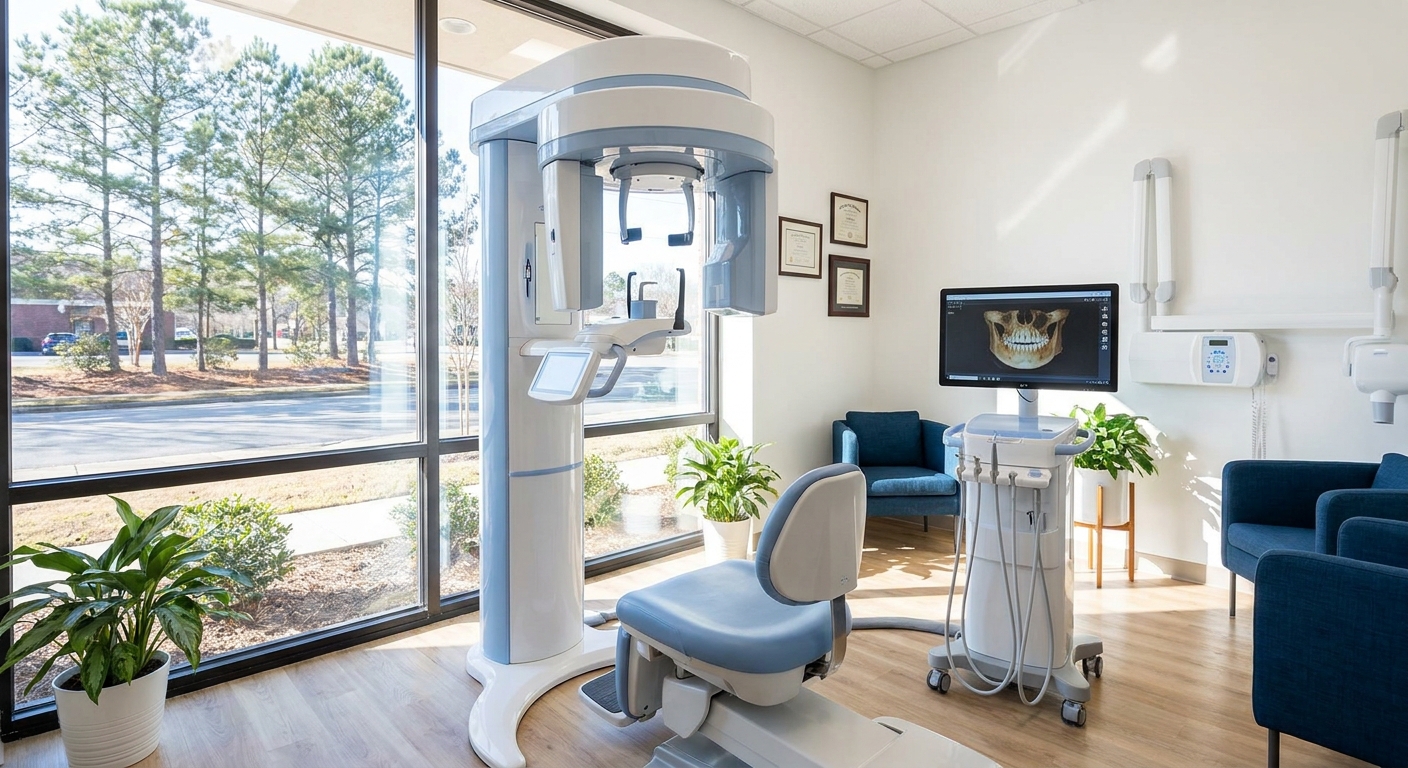
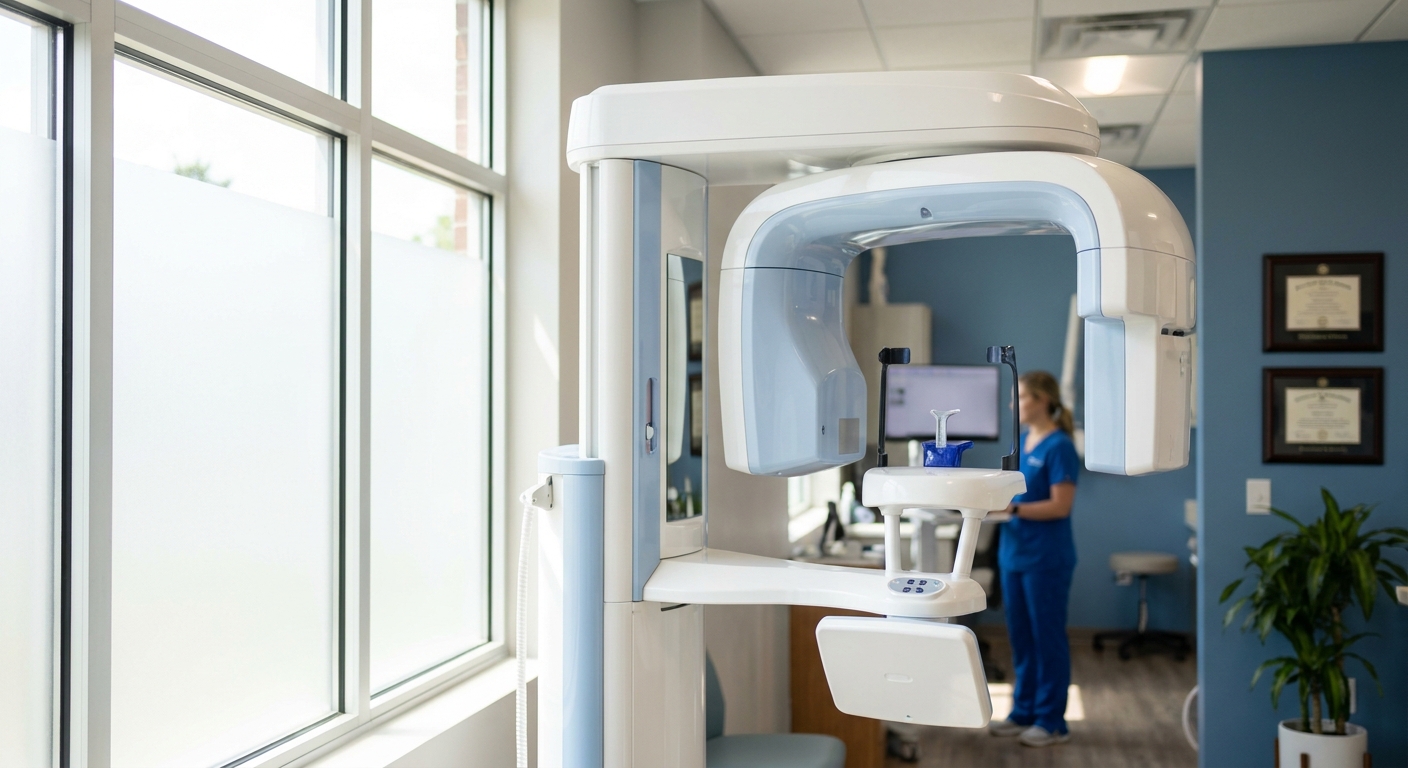
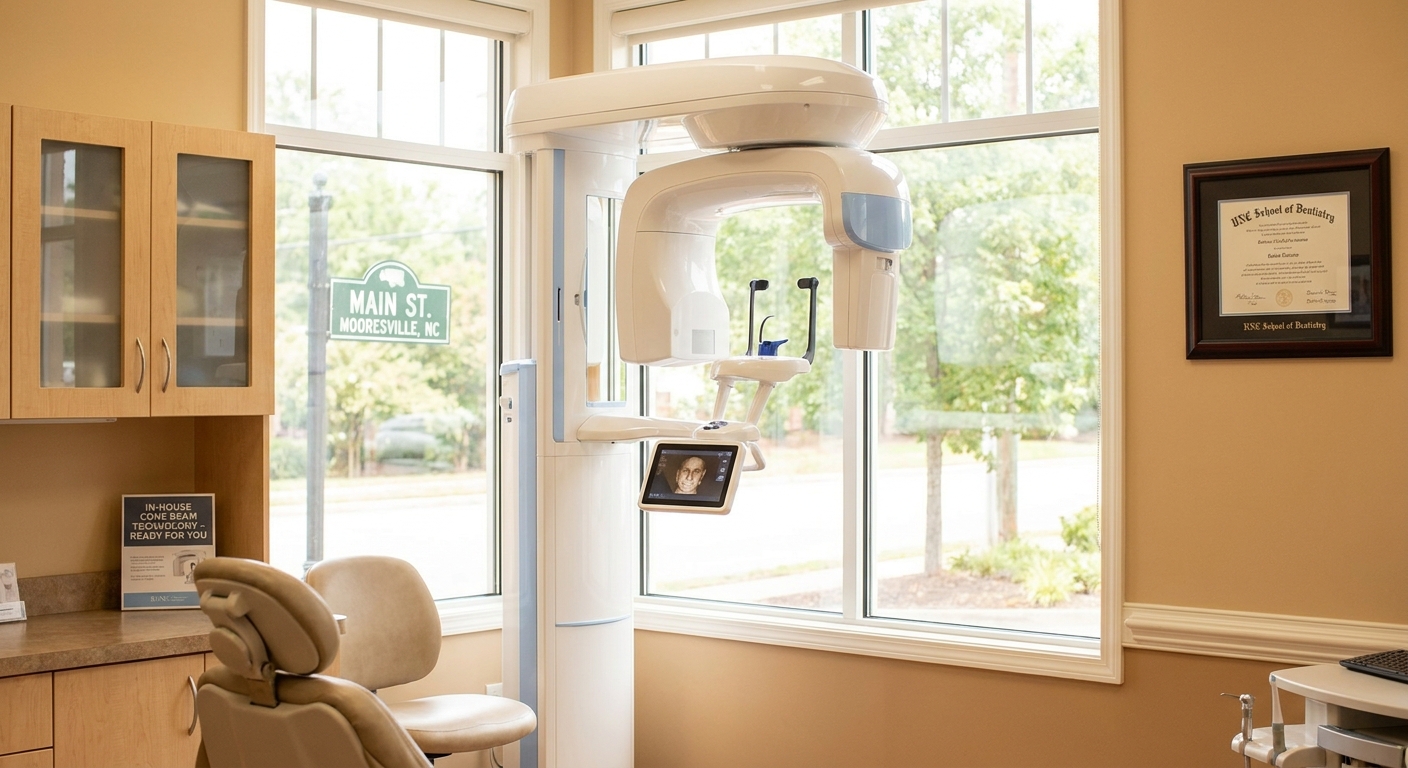
Accurate assessment often depends on modern imaging and diagnostic tools. Providers who invest in digital X-rays, intraoral cameras, and cone-beam CT scanners can pinpoint fracture lines invisible to the naked eye. This technology not only speeds up diagnosis but also helps your dentist tailor treatment to your specific injury. Ask whether your prospective dentist uses these tools routinely or refers you to a specialist.
Evaluate treatment options
Selecting the ideal treatment hinges on the fracture’s severity, location, and your long-term goals. The chart below summarizes common restorative approaches to fractured teeth:
| Treatment | Best for | Pros | Cons |
|---|---|---|---|
| Dental bonding | Minor surface cracks | Minimally invasive, quick fix | Less durable, may stain over time |
| Porcelain crown | Moderate to severe fractures | Strong, natural appearance | Higher cost, multiple visits |
| Root canal therapy | Fracture extends into pulp | Saves tooth, relieves pain | More complex, time-intensive |
| Extraction and implant | Non-restorable or split teeth | Permanent solution | Surgical, higher overall cost |
Dental bonding and crowns
Bonding uses tooth-colored resin to fill small cracks and chips, restoring smoothness and preventing plaque traps. It often requires a single appointment and minimal tooth preparation. Crowns, on the other hand, cap the entire damaged tooth, offering superior strength and protection. While crowns typically involve two visits, they can strengthen teeth that withstand heavy chewing forces.
Root canal therapy
If a fracture reaches the nerve chamber, root canal treatment removes damaged pulp and seals the tooth from the inside. This preserves your natural tooth and stops pain, but it usually requires precision tools and an experienced hand. After the root canal, your dentist will often place a crown to reinforce the tooth structure.
Extraction and implants
When a tooth crack splits below the gum line or compromises too much structure, extraction may be the safest choice. Replacing the missing tooth with a dental implant provides a fixed, durable alternative that mimics natural root support. Implants involve surgery and healing time but can prevent bone loss and adjacent tooth movement.
Preventive solutions
Preventing future fractures depends on addressing underlying habits and bite dynamics. Your dentist may recommend a custom night guard to protect against bruxism or occlusal adjustments to even out chewing pressure. These preventive measures complement restorative work and safeguard your investment in tooth repair.
Ask essential questions
During your consultation, prepare to explore your dentist’s approach in depth. You might ask how many fractured-tooth cases they treat each year and what complications they’ve encountered. Inquire about their success rates with bonding versus crowns, and how they decide which option suits a patient best. Learn about their infection-control protocols and whether they offer sedation or pain-management techniques to keep you comfortable.
It’s also wise to discuss the longevity of different treatments. Ask how long you can expect a crown or implant to last and what follow-up care is required. Finally, clarify which services take place in-office and which may involve referrals, so you understand the full scope of your care plan.
Consider logistics and coverage
Even the best dentist must fit your practical needs. Confirm that the office accepts your insurance plan or offers flexible payment options. If you require emergency care, check whether they provide same-day service or after-hours support. Location and office hours can determine how quickly you receive treatment when pain strikes.
If you’re unsure about coverage, call your insurer with your treatment plan details. You may need pre-authorization for procedures like crowns or root canals. Understanding these policies ahead of time can prevent unwelcome surprises on your bill when you book your fractured tooth dentist appointment.
Prepare for your appointment
When you schedule your visit, complete any required forms and gather recent X-rays or dental records. Bring a list of medications and note any health conditions your dentist should know about. If you have images or photos of your tooth showing the initial fracture, share them—it helps your dentist understand how the damage evolved.
Prepare a concise description of your symptoms, including when pain first appeared and what triggers it. If possible, download and fill out any pre-visit questionnaire for evaluation for damaged teeth to speed up your assessment. Arriving informed and organized empowers you to make the most of your consultation.
Maintain long-term health
After treatment, follow your dentist’s instructions on oral hygiene and dietary restrictions. Avoid chewing hard foods on the restored tooth until your dentist confirms full clearance. Schedule regular check-ups so your provider can monitor the repair and catch any new issues early.
Early intervention remains your best defense against future fractures. If you notice unusual sensitivity or minor chips, don’t wait—reach out to a tooth damage assessment dentist for a quick evaluation. With the right dentist for tooth fracture by your side, you can protect your smile for years to come.