If you’re encountering a dull ache in your jaw that flares into a throbbing toothache, you may be searching for a dentist for tooth infection symptoms. Early evaluation can mean the difference between a simple filling and a more invasive procedure. Whether you feel sharp pain when biting down, lingering sensitivity to hot beverages, or pressure around one tooth, the right professional can diagnose the root cause and start treatment before the infection spreads.
When discomfort persists beyond a day or two, don’t wait. Booking a persistent toothache dentist or scheduling a dental pain assessment appointment puts you on the path to relief. In this guide you’ll learn how dentists recognize infection signs, use diagnostic tools, and plan effective treatment to prevent emergencies.
Recognize infection signs
Common infection symptoms
Dental infections often begin when decay breaches the enamel and bacteria invade the tooth’s inner pulp chamber. You might notice a low-grade ache that gradually intensifies, or an unexpected sharp pain that hits when you eat something sweet. Swelling of the gums, warmth around the jaw, and even a persistent bad taste in the mouth all point to an underlying infection. Early warning signs can be subtle, so paying close attention to changes in your oral health is key.
Dental infection symptoms of tooth infection and tooth abscesses include tooth pain or sensitivity, which start small but become more serious over time; early detection is key for reversible pulpitis. (Penn Dental Medicine)
When left untreated, the infection can form a pocket of pus known as an abscess. That abscess may appear as a red, tender bump on your gum or under your jaw, and it can spread beyond the tooth’s root tip into neighboring bone or sinuses if not addressed. The pressure buildup causes throbbing pain that can worsen at night, disrupt sleep, and make daily tasks unbearable.
When to seek care
If your tooth pain escalates over 48 hours, or you notice swelling that distorts your normal facial profile, it’s time to see a dentist for possible tooth infection. Fever, enlarged lymph nodes, and difficulty swallowing signal that bacteria may be spreading. You should never wait for fever or significant facial swelling before seeking help—catching problems early allows for conservative treatments like root canal therapy rather than emergency surgery or extraction.
Conduct clinical exam
A thorough clinical examination is the foundation of any diagnostic process. During your visit, the dentist will visually inspect your teeth and gums for discoloration, cracks, or soft spots that hint at decay or infection. This initial overview sets the stage for more focused testing. If you need more guidance, a tooth pain diagnosis dentist can walk you through the process.
Visual inspection
Your dentist assesses signs of enamel breakdown, such as dark spots or enamel perforations. They’ll use bright lighting and magnification tools to examine every surface of the tooth. In some cases, you may see tiny hairline cracks or areas where the enamel looks “pearly white,” both of which can harbor bacteria and eventually lead to infection.
Palpation and percussion
Next, the dentist gently taps on your teeth and presses along the gum line. A tender response to percussion—especially when compared to adjacent teeth—often indicates inflammation of the periodontal ligament or underlying pulp. Palpation of the jaw and gum tissue can reveal localized swelling or warmth that you might not have noticed.
Vitality testing
To determine whether the pulp inside your tooth is alive or compromised, your dentist will perform sensitivity tests using thermal or electric stimuli. You may feel a cold sensation, mild tingling, or a sharp jolt of pain. A delayed or lingering reaction typically suggests irreversible pulpitis, whereas a quick, fleeting response is more characteristic of reversible inflammation. These findings help decide if root canal therapy or extraction is necessary.
Exam conclusion
By combining your symptoms with visual, tactile, and vitality data, your dentist constructs a clear picture of pulp health. If you require further evaluation, a tooth discomfort exam dentist can perform additional tests in a specialized setting.
Choose diagnostic imaging
Imaging plays a crucial role in confirming an infection and mapping its extent. Your dentist will likely recommend radiographic studies to pinpoint the problem area, assess bone involvement, and rule out other conditions.
| Imaging type | Purpose | Advantages | Limitations |
|---|---|---|---|
| Periapical radiograph | Detect localized decay or abscess | Low radiation, high resolution on single tooth | Two-dimensional view may miss nearby structures |
| Panoramic radiograph | Screen entire jaw and adjacent sinuses | Broad overview, captures multiple areas | Lower resolution, overlapping structures |
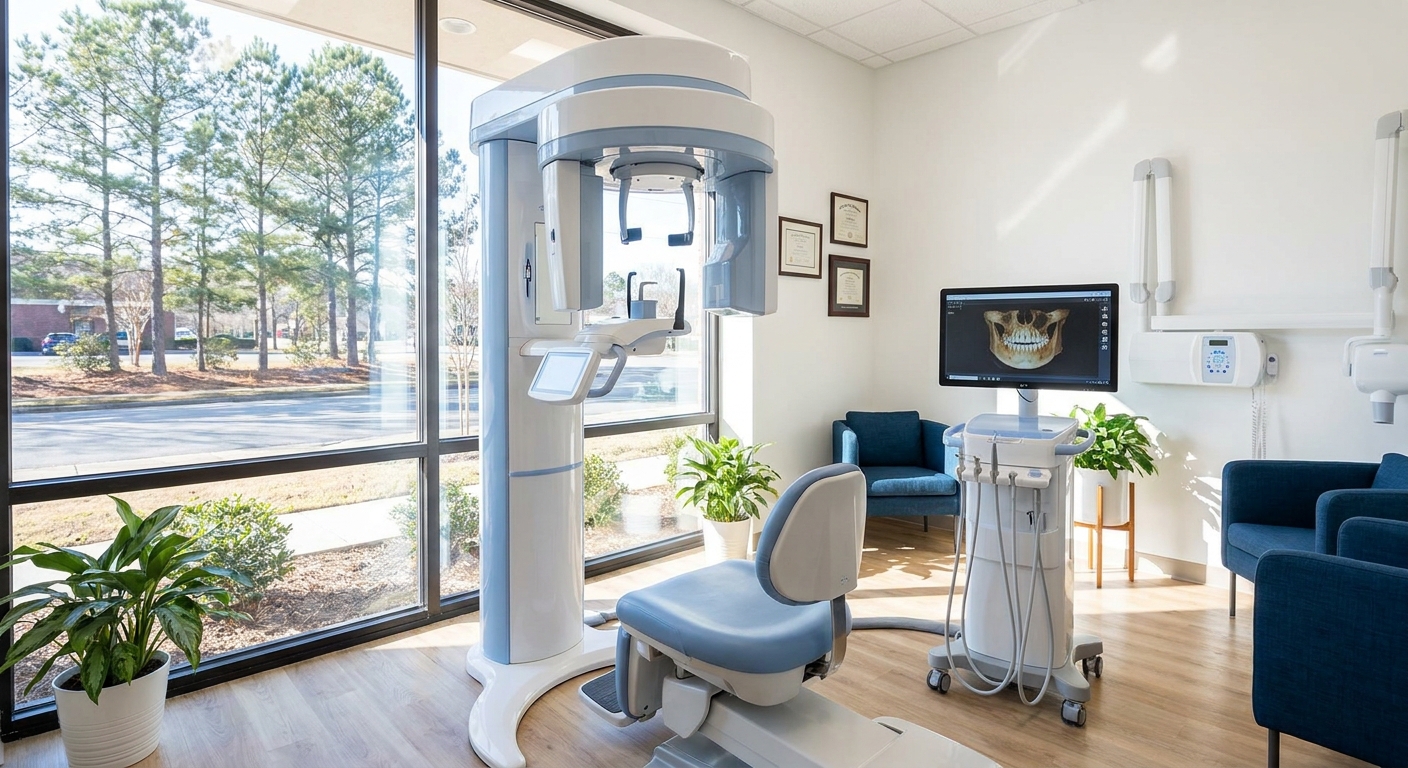
| Cone-beam computed tomography | Visualize three-dimensional tooth and bone | Precise spatial detail, ideal for complex cases | Higher radiation dose, more expensive |
In many practices, a set of periapical radiographs gives sufficient detail to locate an abscess at the root tip. If your dentist suspects complex anatomy, unusual root curvature, or spread into adjacent sinuses, a cone-beam computed tomography (CBCT) scan can reveal three-dimensional views that guide treatment planning.
Evaluate pain triggers
Pinpointing how and when your pain occurs offers critical clues to its source. Identifying these triggers helps the dentist narrow down the diagnosis before invasive tests begin.
Pain on biting
If a sharp pain strikes when you bite down, you could be dealing with a cracked tooth or an abscess pressing against the periodontal ligament. You might notice sensitivity when you chew hard foods like nuts or apples. That localized ache, experienced only on one side of the mouth, is often a red flag that the pain originates from a specific tooth rather than generalized gum inflammation. A pain when biting tooth dentist can use bite tests to reproduce the symptom and confirm the culprit.
Sensitivity issues
Heightened response to hot, cold, or sweet stimuli can indicate early infection or enamel erosion. A lingering, throbbing discomfort long after exposure to a cold drink points to pulp irritation. Conversely, a quick, sharp shock that subsides immediately suggests dentin sensitivity rather than a deeper problem. Bringing these details to a sensitivity pain dentist evaluation ensures the right test is performed.
Pressure and chewing
Generalized soreness when you apply pressure to a tooth or chew food may stem from gum disease, bruxism, or an abscess. You may describe the sensation as dull and constant rather than intermittent. If your discomfort worsens when you bite soft bread or when you lean your head to one side, mention it to a tooth pain when chewing dentist. If you remain uncertain, a consultation with a pressure pain tooth dentist can clarify whether the discomfort arises from bite forces or deeper pathology.
Some patients also report a sense of fullness in the jaw, as if the tooth area is slightly swollen even when it looks normal. Noting these patterns and sharing them with your provider can expedite diagnosis and treatment.
Interpret test results
Once the clinical exam and imaging are complete, your dentist synthesizes all findings to reach a precise diagnosis.
Reversible vs irreversible pulpitis
Reversible pulpitis describes inflammation that still has the potential to heal. You’ll typically experience quick discomfort to temperature changes but little to no spontaneous pain. In irreversible pulpitis, however, the pulp is beyond repair; pain lingers long after stimulus removal and may occur without any external trigger.
Identifying which stage applies to your tooth guides whether a filling and desensitizing agent can salvage the tooth or if a dentist for inflamed tooth must perform root canal therapy to prevent an abscess.
Identifying abscess formation
An abscess occurs when bacteria overwhelm the pulp chamber, creating a painful pocket of pus. Radiographs will show a dark halo around the root tip, and clinically you may have swelling or a sinus tract draining pus into your mouth. That visible sign confirms the need for either endodontic treatment or extraction. In cases where the infection has spread into surrounding bone, prompt intervention can avert serious complications in the jaw and sinuses. When standard tests fail to pinpoint the source, an unexplained tooth pain dentist can perform advanced diagnostics. For persistent flare-ups over months, consider seeing a dentist for chronic tooth pain.
Plan treatment approach
After diagnosing the issue, your dentist collaborates with you to choose the most appropriate remedy. Treatment typically falls into three categories depending on severity and tooth restorability.
Antibiotic therapy
If systemic signs such as fever or swollen lymph nodes are present, your dentist may prescribe a course of antibiotics to help control bacterial spread. Common choices include amoxicillin, metronidazole, or azithromycin, especially when an abscess has formed and you show signs of spreading infection [1]. It’s crucial to complete the entire course even if symptoms improve, to fully eradicate the bacteria and reduce resistance.
Endodontic interventions
Root canal therapy removes the diseased pulp, disinfects the canal space, and seals it to prevent reinfection. If a visible abscess is present, the dentist or endodontist will also drain the pus before beginning the procedure. According to Penn Dental Medicine, draining an abscess and performing root canal treatment can often save a tooth that might otherwise require extraction. [2]
Extraction considerations
When a tooth is too damaged or the infection has compromised surrounding bone, extraction may be the safest option. Removing the tooth stops the infection at its source and prevents future complications such as osteomyelitis. Your dentist might discuss replacement options like dental implants or bridges to restore function and avoid shifting of adjacent teeth.
Prevent emergency complications
Recognizing warning signs that demand immediate attention can spare you from serious health risks. If you experience any of these, contact your dentist or seek emergency care without delay.
- Fever above 100.4°F, indicating systemic infection
- Rapidly spreading facial or neck swelling
- Difficulty swallowing or breathing
- Severe, unrelenting pain that does not respond to over-the-counter analgesics
- Tender, swollen lymph nodes under the jaw or in the neck
If you notice swelling near your eye or a red streak down your neck, call emergency services immediately. These signs suggest the infection may be invading deeper tissues or blood vessels.
Follow-up and referrals
After initial treatment, you’ll need regular follow-up visits to monitor healing and ensure no residual infection remains. Your dentist may refer you to a specialist for complex root canals, surgical drainage, or advanced restorative work. If you experience new or recurring symptoms, contacting a dentist for nerve pain tooth or a jaw pain related to tooth dentist ensures you’re working with the right expert for your needs.
Your ongoing care plan might include periodic imaging, especially if you had an abscess that could recur. Staying diligent with appointments and reporting any changes right away gives you the best chance of a full recovery.
If you’re wrestling with lingering discomfort, schedule a dentist for ongoing tooth pain or a lingering tooth pain evaluation today and take control of your oral health.
Understanding the steps of diagnosis and treatment empowers you to seek care confidently and avoid emergency situations. Your smile and overall health depend on timely, professional attention when infection strikes.