Evaluating your tooth loss treatment options early can make a significant difference in your long-term oral health. When you lose one or more teeth, the surrounding bone begins to change shape and density, which can lead to bite shifts, gum recession, and even further tooth loss. A dentist for tooth loss treatment will guide you through a comprehensive assessment, helping you preserve bone health and maintain chewing ability.
Half of American adults aged 20 to 64 have lost at least one permanent tooth, and one in six over age 65 are missing all of their teeth [1]. Those statistics highlight how common tooth loss is—and why early professional guidance matters. By acting quickly after a tooth is lost, you keep more restorative options on the table and reduce the risk of complex procedures down the road.
This article walks you through what happens during a thorough tooth loss evaluation, outlines the key criteria for selecting the right provider, and explains the range of replacement solutions, cost considerations, and how to prepare for your first appointment. Armed with this knowledge, you’ll feel confident choosing a specialist who meets your needs and restores your smile.
Importance of early evaluation
A prompt dental assessment after tooth loss helps you avoid the gradual bone resorption that follows an empty socket. When you see a restorative dentist soon after extraction or trauma, they can recommend grafting or other measures to support future implants or bridges.
Early evaluation also gauges how your bite alignment and gum health are adapting to the missing tooth. Without timely intervention, neighboring teeth can drift into the gap, leading to uneven wear and potential jaw pain.
During your evaluation for tooth replacement, your dentist will perform an assessment for missing teeth that includes X-rays, 3D scans, and a clinical exam. That data drives a custom plan focused on preserving bone, stabilizing your bite, and mapping out options for long-term oral function.
Timely assessment preserves your choices.
Understanding tooth loss evaluation
Every comprehensive tooth loss evaluation breaks down into three core checks, each one essential for successful planning.
Assessing bone health
Bone quality and quantity in the jaw determine which replacement options are viable. Your dentist will review panoramic X-rays or cone-beam CT scans to measure ridge height and density. If bone volume is insufficient, you might need a graft or sinus lift before implant placement.
Healthy bone provides the stable foundation required for implants and implant-supported restorations. By addressing deficits early, you avoid delays that could push treatment months into the future.
Evaluating bite stability
A missing tooth disrupts the way your upper and lower teeth come together. Your provider examines your bite to spot tilting, drifting, or excessive wear on adjacent teeth. Correcting these shifts often involves orthodontic alignment or equilibration before any prosthetic work.
Stabilizing your bite ensures that once a replacement is in place, it won’t become the catalyst for more dental problems.
Checking gum condition
Gum health is just as important as bone. Inflammation or periodontal pockets around neighboring teeth can compromise any new crown or denture. Your dentist inspects soft tissue, measures pocket depths, and treats any infection to create a healthy environment for reliable, long-lasting tooth replacement.
A gum-strong foundation prevents complications after your restoration is delivered.
Choosing the right dentist
Finding a dentist for tooth loss treatment means seeking a professional who combines specialized training, proven experience, and modern technology. Here are key aspects to consider.
Look for specialist training
Dentists who focus on restorative dentistry or prosthodontics have pursued additional education in tooth replacement planning. Prosthodontists complete several extra years of training beyond dental school, honing skills in implants, bridges, dentures, and full-mouth reconstructions.
A specialist’s expertise can translate into smoother procedures and more predictable outcomes, especially if you require complex solutions for multiple missing teeth.
Evaluate experience and reviews
Local reputation and patient feedback reveal how a dentist handles tooth loss cases. There are 374 dentistry specialists practicing within 10 miles of Newport News, VA, offering extensive options for tooth loss treatment in the area as of 2025 [2]. Individual practitioners such as Dr. Daniel Williams, DDS and Dr. Bryan Geary, DDS emphasize lifetime care and personalized treatment plans that restore both function and esthetics [2].
When you read online reviews, look for mentions of clear communication, post-treatment comfort, and successful long-term results. A dentist who shares before-and-after photos and patient testimonials demonstrates confidence in their work.
Assess technology and facilities
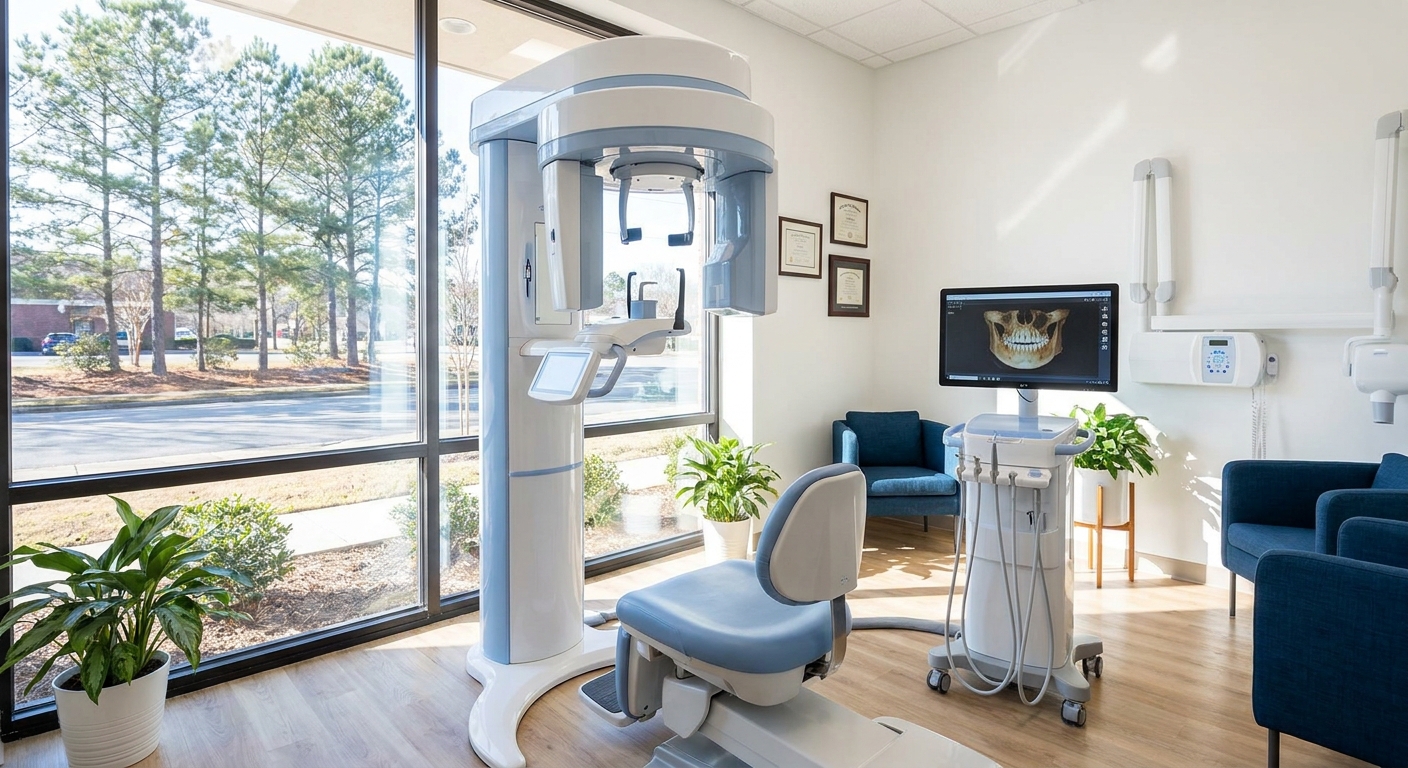
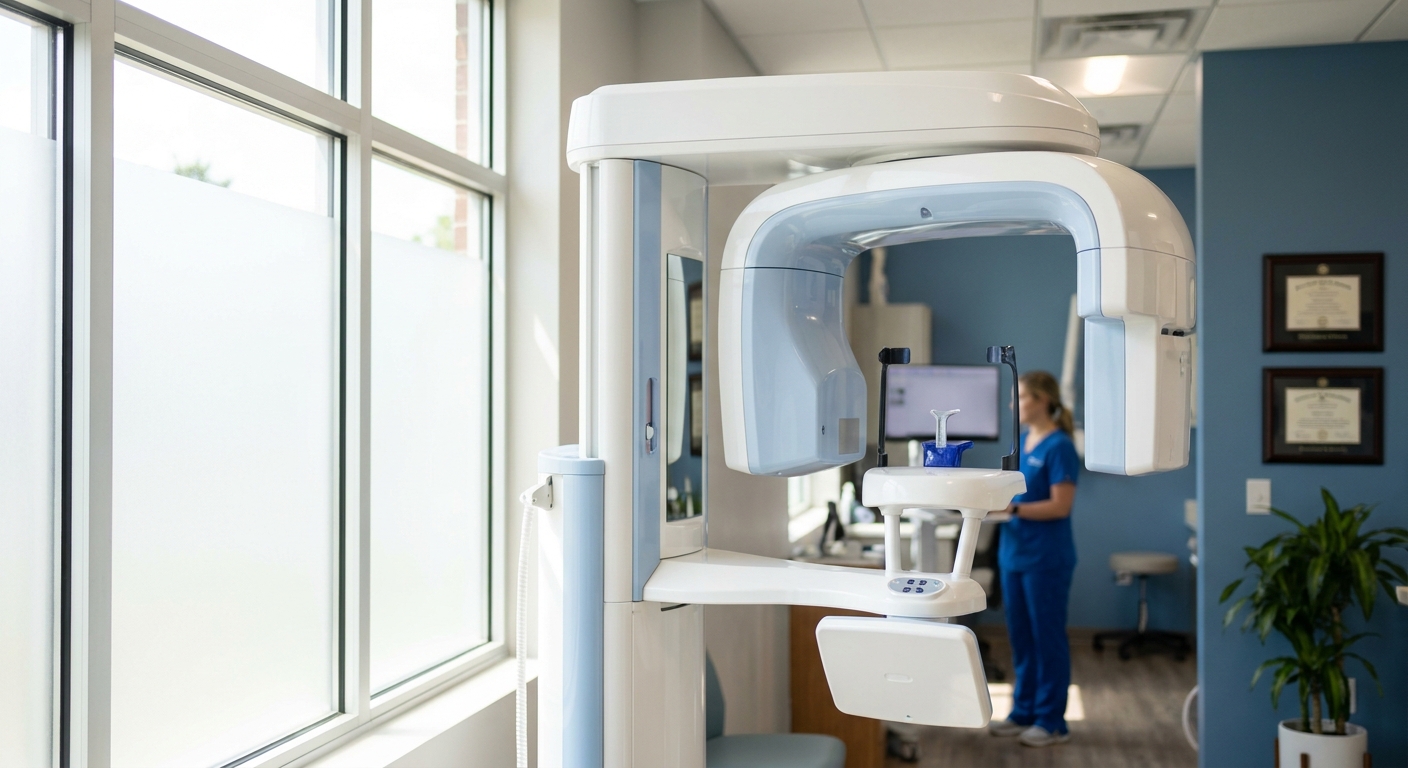
Advanced imaging, guided-surgery software, and in-office milling labs all contribute to precision and convenience. A practice that uses digital impressions, cone-beam CT scans, or same-visit crown milling can reduce your number of appointments and improve fit accuracy.
Modern facilities equipped for sedation or complex surgeries ensure that whether you need a single implant or a full-arch reconstruction, you’ll receive care in a comfortable, high-tech environment.
For personalized guidance, schedule a dentist consultation for tooth loss where you can tour the office and discuss technology options.
Exploring replacement options
Restoring one or more missing teeth can involve any of several proven solutions. Your dentist will recommend choices that match your oral anatomy, lifestyle, and budget.
Custom prosthetic designs now offer better fit, function, and appearance than ever before. Below is a snapshot of the most common treatments:
| Option | Description | Benefits | Typical cost (US) |
|---|---|---|---|
| Dental implant | Titanium post surgically placed in the jawbone, topped with a custom crown | Preserves bone, mimics natural tooth | $1,450–$3,875 per tooth [1] |
| Fixed bridge | Artificial tooth anchored to adjacent teeth with crowns | No surgery, faster timeline | $2,000–$5,000 per span |
| Removable denture | Acrylic or metal appliance that you take out for cleaning | Lower upfront cost, easy adjustments | $452–$6,514 [3] |
| All-on-4® arch | Full-arch fixed denture supported by four strategically placed implants | No bone grafting, quick recovery | $11,640–$27,500 [1] |
| Mini implants | Narrower implant posts designed for limited bone or denture stabilization | Less invasive, lower cost | $676–$1,616 [1] |
Beyond these basics, hybrid solutions such as implant-supported bridges or overdentures provide a middle ground of stability and affordability. Talking through each scenario with a replacement options for missing teeth dentist ensures you understand how function, esthetics, and maintenance intersect.
Managing costs and financing
Budget is often a deciding factor, but delaying treatment can drive up expenses in the long run. For context, the national average cost for a routine dental exam—which includes cleaning and X-rays—is $203, with a range of $50 to $350 depending on location [3]. Meanwhile, a common tooth loss procedure like a three-on-six implant solution averages $12,474 and can run from $9,708 to $24,091 [3]. Dentures span a wide price band, from $452 for basic models to $6,514 for premium sets [3].
- Compare insurance coverage and network participation
- Review flexible financing options such as CareCredit or in-office payment plans
- Ask about bundled fees for surgery, restorations, and follow-up visits
- Factor in the cost of preliminary procedures like bone grafting or extractions
When you evaluate total expenses upfront, including any required preparatory work, it’s easier to select a plan that fits your budget without compromising quality. Many practices offer no-interest financing and work directly with insurers to minimize out-of-pocket costs.
For solutions designed around sustained oral health, partner with a dentist for long term tooth replacement whose focus extends beyond the initial procedure.
Preparing your first appointment
Knowing what to bring and expect will make your consultation more productive. You’ll want to arrive ready with:
- Photo ID and dental insurance information
- A list of current medications and relevant medical history
- Details of prior dental procedures and any X-rays you have on file
- Notes on your goals, concerns, and ideal timeline
- A written list of questions about techniques, materials, and expected recovery
During this visit, your dentist or specialist will review your case history, perform a clinical exam, and discuss provisional plans. Bring a friend or family member if you anticipate needing support or help with follow-up scheduling.
This initial meeting lays the foundation for a treatment roadmap tailored to you. Clear communication at this stage helps avoid surprises later on.
Frequently asked questions
What questions should you ask during your consultation?
Start by inquiring how many similar cases your dentist has handled and what their success rate is. Ask about the timeline from evaluation to restoration and how they address potential complications.
How soon after tooth loss should you schedule an evaluation?
Ideally within a few weeks. Prompt timing preserves bone and soft tissues, giving you the best chance for straightforward implant placement or other restorative work.
How long does the planning process typically take?
From your first visit through final restoration, the timeline can span a few months, especially if you need grafts or orthodontic prep. Simple bridge work may conclude in a matter of weeks.
Will insurance cover tooth replacement planning?
Coverage varies by plan and procedure. Preventive exams and diagnostic imaging are often covered fully, while implants and major reconstructions may require co-payments or fall into major service categories.
Can sedation dentistry help with my treatment?
Yes. Many practices offer oral or IV sedation to ensure comfort during surgical phases like implant placement. Discuss your comfort level and any health considerations beforehand.
Conclusion
Choosing the right dentist for tooth loss treatment means prioritizing early evaluation, thorough planning, and a provider whose expertise and technology align with your goals. Whether you’re considering implants, bridges, or dentures, a clear roadmap—from initial tooth loss treatment consultation through final restoration—ensures predictable results and lasting oral health.
Speak with a specialist who understands your needs and delivers personalized care focused on function, esthetics, and durability. The right partnership today will keep you chewing, smiling, and feeling confident for years to come.
References
- (CareCredit)
- (Healthgrades)
- (CareCredit)