You reach for your phone with one hand and hold a bloody tissue to your mouth with the other. You’re wondering if the tooth that just took a hit is loose enough to fall out, whether you’ll be seen today, or if the receptionist will tell you to wait until Monday and hope it doesn’t get worse. This guide walks you through what actually happens when you see a dentist for tooth trauma evaluation at Rivers Edge Dental in Mooresville, NC, step by step, so you know what’s coming before you dial.
The honest truth is that the visit follows a pretty clear order: a hands-on exam, then pictures of the tooth, then tests on the nerve, and finally a conversation about what it all means and what it costs. None of it is a mystery once someone explains it. And if you already dread the dentist, a bloody mouth is about the worst way to have to walk back in, so you should know that you are not alone with this fear, it’s super common, and nobody here is going to make you feel bad about how long it’s been since your last visit. You’ll get answers, not a lecture.
Will You Actually Be Seen Today, or Told to Wait Until Monday?
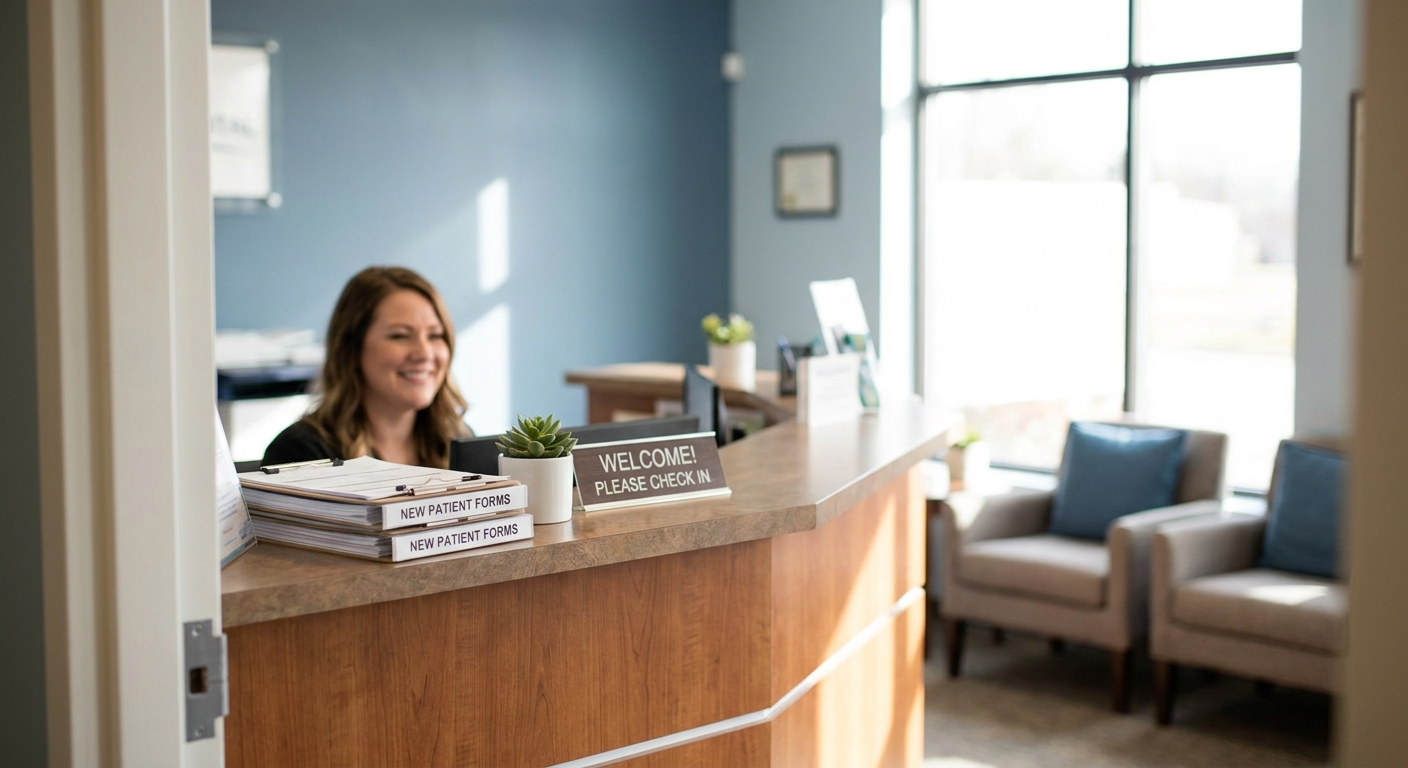
In many cases, you may be seen the same day. Rivers Edge Dental keeps three emergency openings free every day (one in the morning, one in the afternoon, and one at the end of the day), so someone who calls in pain may be able to come in that day, though availability can vary based on demand.
Those slots aren’t leftovers, they’re built into the schedule on purpose. A lot of offices book every chair weeks out, so when something goes wrong your only choices are a waitlist or urgent care. Holding three openings means the day has room for injuries like the cracked tooth from a boat ladder, the chipped front tooth from a pickup basketball game, or the tooth that got knocked loose when the toddler’s head came up fast.
So what if you call late, say around 3 PM, and the afternoon opening is already gone? It depends on whether you’re already a patient. If Dr. Moshos knows you and has your history on file, you may get a phone call, and you might be asked to text a photo of the swelling. If an antibiotic makes sense, it can go to your pharmacy right away, and you may be booked first thing the next morning. If you’re new to the practice, you’ll get the next available opening, often the next day. That isn’t about putting you off. Without your medical history, allergies, and X-rays, prescribing over the phone just isn’t safe.
While you wait, keep it simple. Rinse gently with lukewarm water, hold a cold pack on the outside of your cheek, and save any broken piece of tooth in milk or a small container. If a whole adult tooth came out, say that first when someone picks up, because it’s among the most time-sensitive injuries there are. Pick the tooth up by the white crown, not the root, don’t scrub it, and keep it in milk until you get in. Baby teeth that get knocked out are handled differently and should not be pushed back in, so just bring your child in and let the dentist take a look. If there’s heavy bleeding that won’t stop, trouble breathing or swallowing, a possible broken jaw, or any sign of a head injury, go to the emergency room first.
What Does a Dentist for Tooth Trauma Evaluation Check First?
The dentist checks how loose the tooth is, whether it moved out of position, how your gums and lips look, and how the tooth reacts to tapping and cold. Those few tests say a lot about whether the nerve is still alive and whether the root or bone took damage.
Before anyone touches the tooth, you’ll basically be asked how it happened: what hit it, when, and from what direction. That story matters more than people think. A tooth hit straight on from the front breaks differently than one hit from below by an elbow, and timing affects which tests are reliable. The exam follows the same basic checklist found in the International Association of Dental Traumatology guidelines, which most dentists rely on for injuries like these.
Then the hands-on part starts. Mobility testing means gently moving the tooth between two instrument handles to see how much it gives. Checking for displacement means seeing whether the tooth got pushed up into the gum, pulled partway out, or shoved sideways. You’ll be asked to bite down, because if your front teeth now meet edge to edge when they didn’t before, that’s a clue the tooth shifted. Percussion is a light tap on the tooth, and if it’s sore, the ligament that holds the tooth in the socket is probably bruised or torn. Your gums, lips, and tongue get checked too, since a cut lip can hide a tiny fragment of tooth.
A lot of times a hit also leaves craze lines, which are thin surface lines in the enamel. They can look scary under the light, but they often don’t need any treatment at all. Dr. Moshos is conservative about this, and if a tooth is sound and the lines are only cosmetic, her attitude is basically, “I wouldn’t cut those teeth.” You’ll hear what actually needs fixing and what can be left alone.
Why a Regular X-Ray Can Miss the Crack That Matters
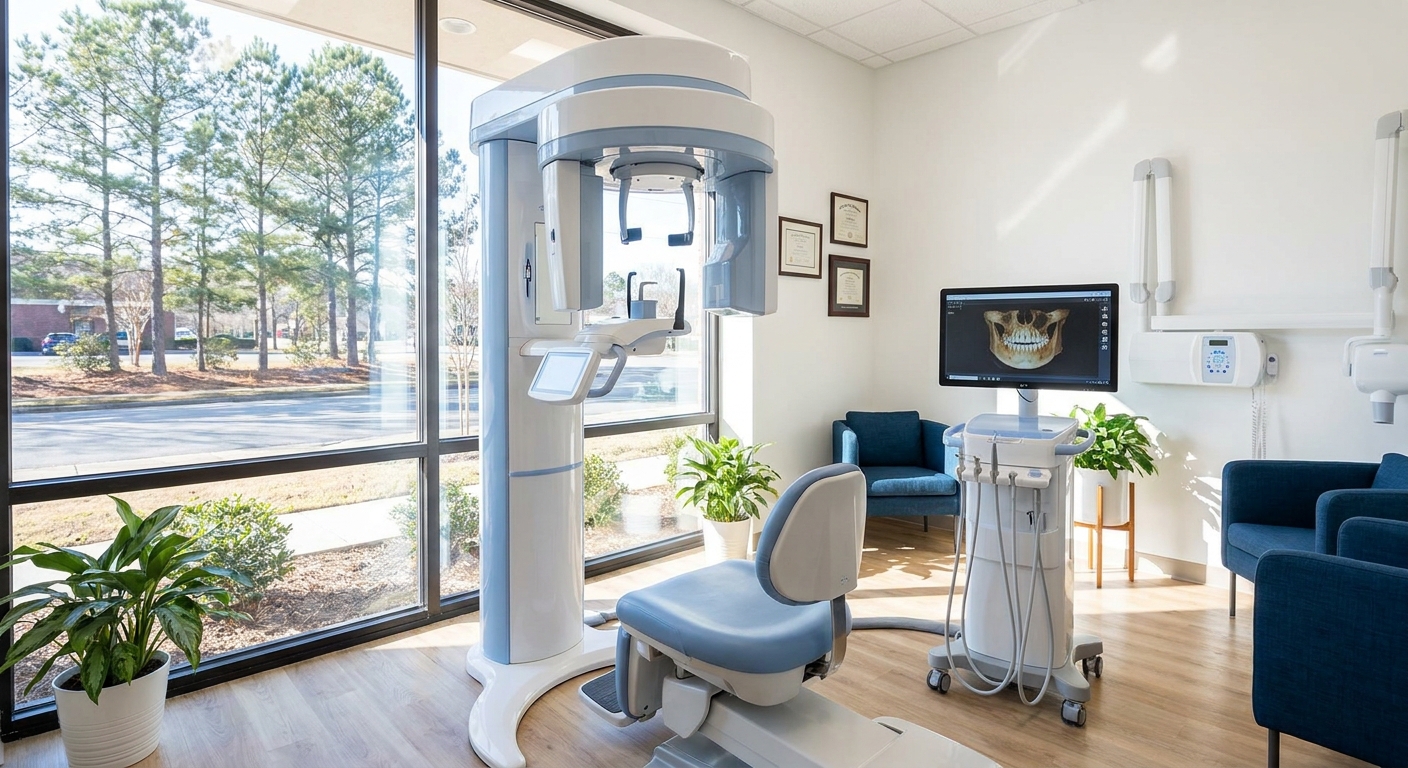
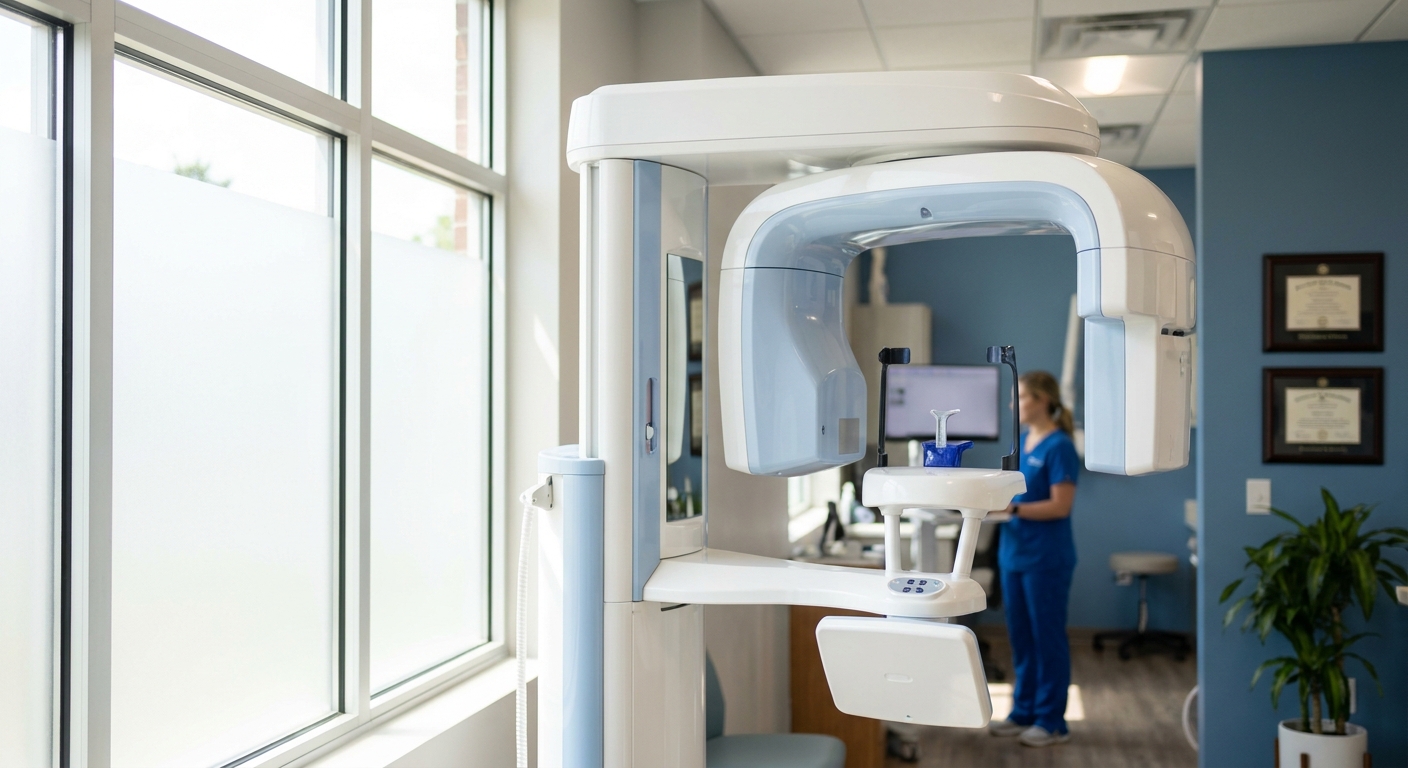
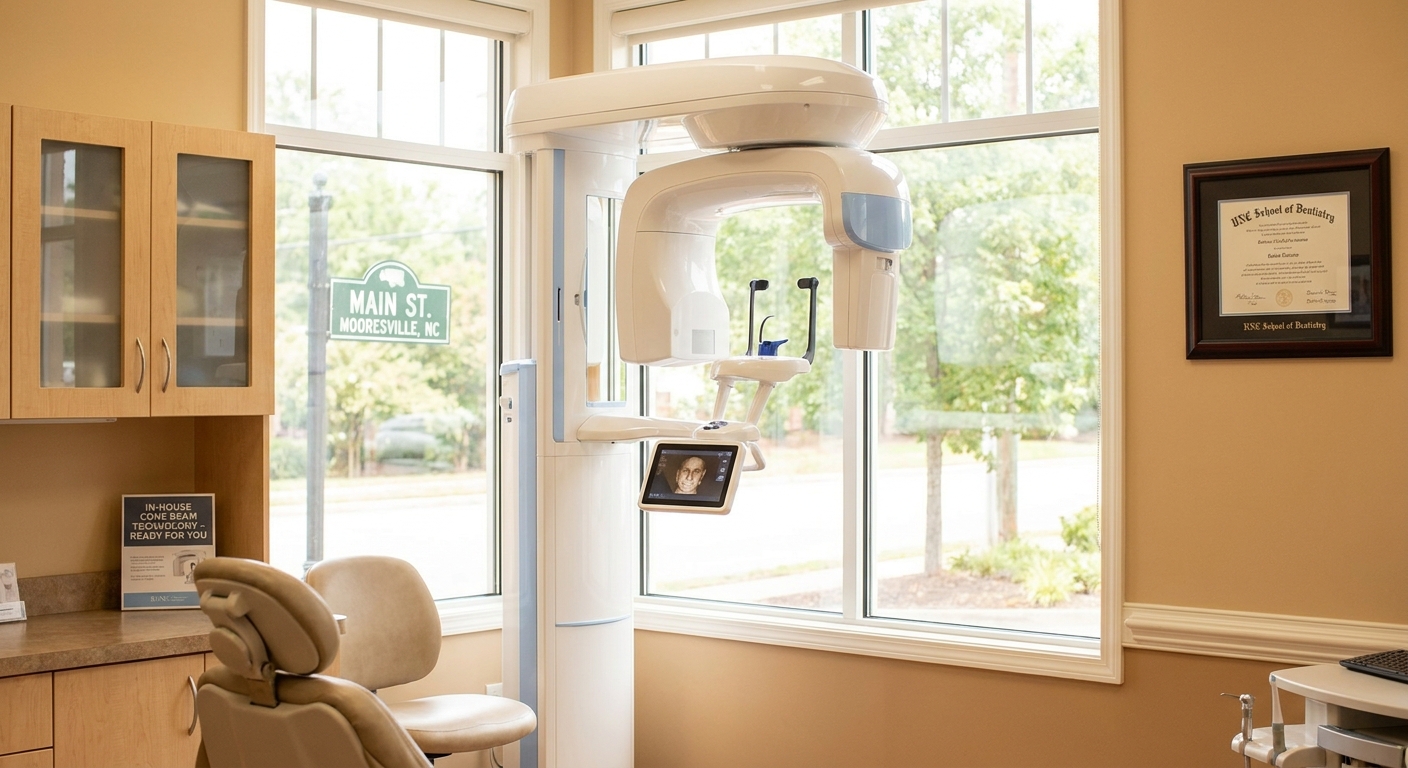
Once the hands-on exam is done, the next step is getting a look inside the tooth. A standard X-ray handles most tooth injuries just fine. When the hit was hard, when a root fracture is suspected but not showing up, or when the tooth sits close to the sinus or a nerve canal, a 3D scan can show the damage from different angles so the next decision rests on what’s actually visible there.
A regular dental X-ray is a flat picture. A crack that runs straight across the root shows up clearly, but a crack that runs at an angle, or front to back, can hide in that flat view, so sometimes two or three X-rays from slightly different angles are needed. That first set of pictures also does a second job. Problems from trauma can show up weeks or months after the injury, and an endodontic review of dental trauma points out that follow-up exams and X-rays over time are part of managing these teeth well. Today’s X-ray becomes the baseline that later pictures get compared against.
When the flat picture still leaves a real question, 3D imaging comes in. Dr. Moshos completed advanced MaxiCourse training about eight years ago, and that training is built around planning down to the millimeter, a habit that carries right over to trauma. Upper back teeth sit right under the sinus, and lower teeth sit near the nerve canal that gives feeling to your lip and chin. Seeing exactly where a fracture runs next to those structures changes the plan.
The point of all this imaging is one decision: can the tooth be held in place with a splint while it heals, does it need to come out, or does it need a specialist? You’ll see the pictures yourself, and you’ll hear the reasoning in plain words instead of just being handed a verdict.
If the Nerve Is Exposed, Why Talk About a Root Canal Right Away?
Pictures and tapping tell part of the story, but the nerve tells the rest. An exposed nerve after a chip or break requires prompt attention, because bacteria from your mouth can reach the pulp right away and the infection risk goes up the longer it sits open. That’s why the root canal conversation, including timing and cost, happens at the evaluation instead of at some later visit.
You might notice a pink or red dot in the middle of the broken edge, a little bleeding from the tooth itself, or a sharp zing when air hits it. Those are signs the pulp, the living tissue inside the tooth, is showing. The same review of the endodontic side of trauma explains that how quickly an exposed pulp gets treated can affect whether it stays healthy. In younger teeth whose roots are still forming, and sometimes with small exposures that are treated quickly, it may be possible to protect part of the nerve instead of removing all of it. Waiting a few days can let bacteria work down the canal and form an abscess, and then you may need antibiotics before the canal can even be cleaned, which means more visits and more cost.
There’s another side to pulp testing that patients don’t expect. A tooth that just got hit can go quiet for a while and not respond to the cold test at all, even though the nerve may still be alive. So a single “no response” on the day of the injury isn’t treated as an automatic root canal. If the nerve isn’t exposed and the tooth doesn’t respond, the plan may be to watch it and test again in a few weeks.
So you’ll hear it straight. If the nerve is exposed, you need the root canal conversation today. If the nerve is quiet but covered, it may be worth waiting and rechecking. And if the tooth turns gray or dark a few weeks from now, call back, because that can mean the nerve is dying. As Dr. Moshos puts it, “I’m just gonna tell you how it is, and I’m not gonna upsell anything.” The goal is to save the tooth when it can be saved and to tell you honestly when it can’t.
You Leave With the Costs in Writing, Not a Surprise Bill Later
Knowing what’s wrong is only half of it, because the next question on everyone’s mind is what it’s going to cost. You leave the evaluation with a written treatment plan that lists every procedure you need, what each one costs, and what your insurance is expected to pay, all before any work starts. It also says whether the work can happen that same day or needs a longer visit with sedation.
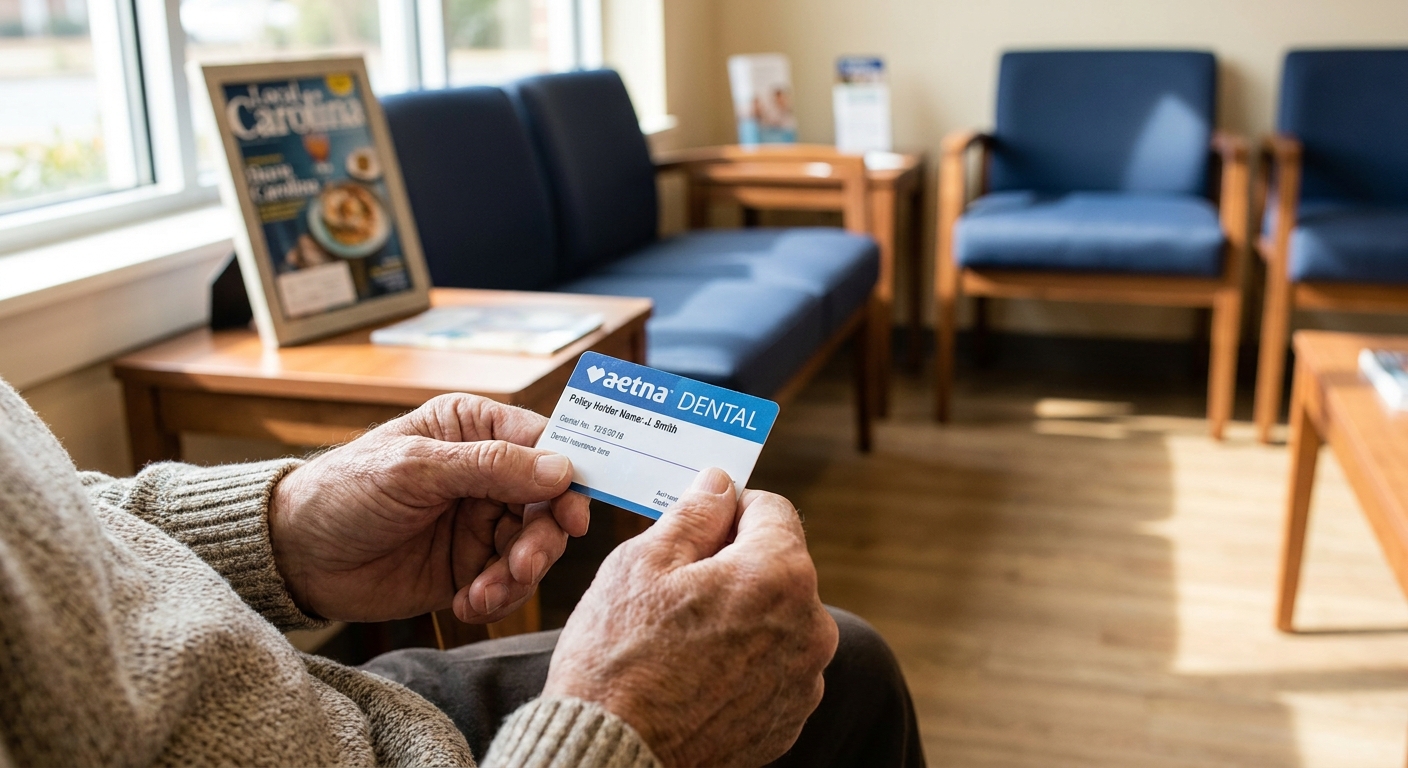
Rivers Edge Dental accepts UnitedHealthcare, Delta Dental, Aetna, Principal, and BlueCross BlueShield of North Carolina. Your benefits get checked so the numbers on the page reflect your actual plan, not a guess, and you’ll see your estimated out-of-pocket cost line by line. That way you can say yes, no, or let me think about it, without any pressure.
Trauma care often comes in pieces. The urgent part, like smoothing a sharp edge, splinting a loose tooth, or starting a root canal on an exposed nerve, happens right away. Other parts, like a crown to protect that tooth long term, can sometimes wait safely. When that’s true, the plan can phase it, so you might do the urgent work now and the crown when your benefits reset, which lets you maximize both years of benefits instead of paying for everything at once. The idea is to meet the patient halfway, so the care fits your health and your budget.
If you’re nervous about drilling or an extraction, sedation is part of that same conversation. Nitrous can be titrated, meaning turned up or down while you’re in the chair until you feel calm, and oral sedation with Valium or triazolam is there for people who need more help. The sedation fee goes right into your plan so nothing comes as a surprise. You know, there’s the trauma to your tooth, and then there’s the other kind, the dental trauma a lot of people carry from a bad visit years ago. Dr. Moshos basically gets to know that history before anything starts, because it shapes how the whole visit should go.
Why Mooresville Families Choose Rivers Edge With a Hurt Tooth
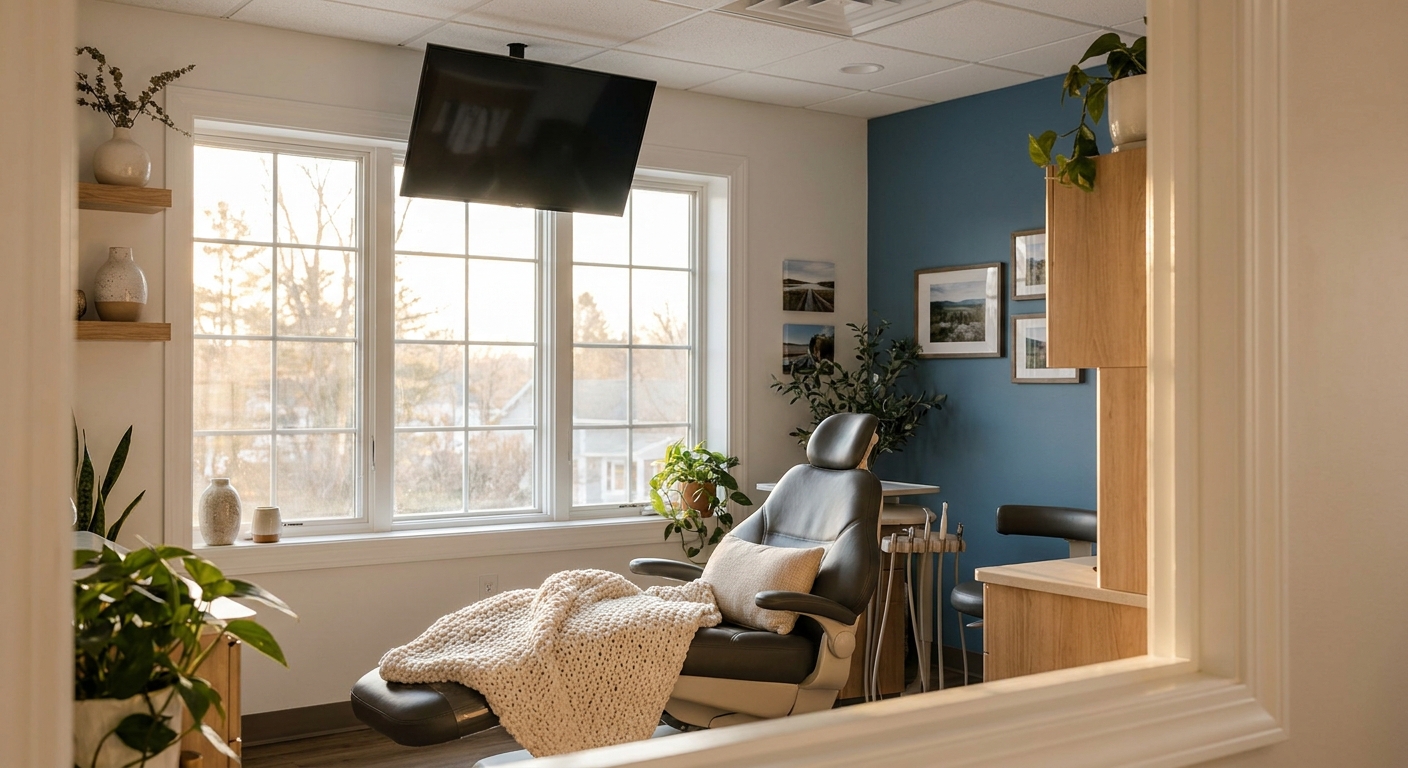
Rivers Edge Dental is set up for the kind of injury that doesn’t make an appointment ahead of time. The practice holds emergency slots open daily, brings careful, millimeter-level planning to the hard cases, and offers a judgment-free chair for anyone who’s nervous.
Living near the lake in Mooresville means summer weekends on the water, and mouths take hits out there, whether it’s a wakeboard handle that snaps back, a fall off a tube, or a face meeting a boat ladder. Add youth sports, weekend yard work, and the everyday slips that come with busy households, and tooth trauma in Mooresville isn’t rare. It often happens on a Saturday afternoon, and same-day openings exist for exactly that reality.
For parents, this matters even more, because a kid with a bleeding mouth is scared and you’re scared too. The team slows down, explains each step in words your child understands, and lets them sit with you when that helps. A calm first visit after an injury can go a long way toward a kid who isn’t afraid of the dentist later.
Recognition from outside the practice backs this up. Rivers Edge Dental is currently among the top three nominees for a NORMY award, which recognizes dentists in Mooresville, and the practice has received patient reviews that contributed to this recognition. Reviews like that come from the details that matter after an injury: a quick callback, a clear explanation, and nobody making you feel bad.
The practice is also independent, not part of a corporate chain, so decisions about your tooth get made in the room with you, not by a production target. If you want to see what’s possible after a repair, ask to look at before and after photos of similar restorative work during your visit; each case is different.
What Else Do People Ask Before They Call About a Tooth Injury?
Most questions come down to three things: how fast you’ll be seen, what it will cost, and whether the tooth can be saved. Here are straight answers to the ones that come up most.
Will I be seen the same day I call with a tooth injury?
Often, yes. Rivers Edge holds three emergency openings every day, and many callers are seen that day. New patients who call late may be booked first thing the next morning, while existing patients may get a phone consult and a prescription in the meantime.
What tests will the dentist do during a tooth trauma evaluation?
Expect a mobility check, a look for displacement and soft tissue injury, a tap test, and a cold test on the nerve. X-rays follow, and a 3D scan may be added when the injury is severe or close to the sinus or nerve canal.
How much does a tooth trauma evaluation cost in Mooresville?
The evaluation includes an exam and imaging, and your total depends on which pictures you need and on your insurance plan. You’ll get a written breakdown of costs and expected insurance coverage before any treatment begins.
Can a knocked-loose tooth be saved, or will it need to come out?
It depends on whether the nerve is alive, how much bone support is left, and how bad the fracture is. Some loose teeth can be splinted, though outcomes vary. Others need to come out, and if that happens, you’ll talk through replacement options, including a referral to a trusted specialist when the case calls for one.
What happens if the nerve is exposed after I chip a tooth?
Treat it as an emergency and call right away. Root canal timing and cost get discussed at the evaluation, because waiting raises the chance of infection and can make treatment longer and more expensive.
Does Rivers Edge Dental offer sedation if I’m anxious about trauma treatment?
Yes. Nitrous and oral sedation are both available, and if your plan involves drilling or an extraction, you’ll talk through which option fits you during the evaluation.
What should I bring?
Bring your insurance card, a list of your medications, and any broken piece of tooth you saved. A photo of the injury taken right after it happened also helps.
Here’s the one thing most people don’t think about: the time of day you call matters almost as much as how fast you call. The morning slot gives you the most options, so if you need a 3D scan, a splint, or a root canal started, there may still be time to get it all done before the office closes instead of coming back tomorrow. Before you pick up the phone, write down the time the injury happened and grab that broken piece if you have it, then call Rivers Edge Dental in Mooresville to ask about availability for one of the three daily emergency slots and schedule a comfort-focused tooth trauma evaluation with Dr. Moshos when an opening is available.
Let’s Get Your Tooth the Care It Needs
If you’ve experienced a dental injury, waiting can turn a treatable problem into something more complicated. The team at Rivers Edge Dental understands that tooth trauma can be stressful, and we’re here to evaluate your situation with the thoroughness and care it deserves. Reaching out today means we can assess the damage, discuss your options, and help you move forward with confidence.
Individual outcomes vary based on injury severity, timing, and tooth condition; no dental treatment is guaranteed to save a tooth or produce a specific result.