Understanding tooth weakness
When you think about weakened teeth, you’re looking at more than just a cosmetic concern. Tooth enamel, the hardest mineral in your body, has no living cells and cannot regenerate once it’s gone. That means any damage—from enamel erosion to cracks and fractures—leaves your pearly whites more vulnerable to decay and further breakdown [1]. Recognizing the early warning signs of weakened teeth is the first step in preventing long-term issues.
Smooth surface cavities often develop where enamel thins or wears down, while pit and fissure cavities appear in the grooves of molars. Root cavities form near the gum line when recession exposes dentin. Dentists use these distinctions to pinpoint underlying problems during a damaged tooth evaluation. Diet plays a key role, too. Consuming sticky, sugary snacks and starchy foods fuels acid-producing bacteria that attack enamel, whereas a calcium-rich diet helps reinforce your tooth structure [2]. Acidic drinks like soda or citrus juice further strip minerals from enamel, often without immediate pain, so you might not notice until sensitivity or visible wear sets in.
Bruxism, or tooth grinding, exerts relentless pressure on enamel, leading to microfractures and jaw pain. Over time, those tiny cracks can merge into larger fractures, compromising functional stability and opening pathways for bacteria. Whether you’re facing worn cusps from chronic clenching or suspect a deeper crack, scheduling time with a dentist for worn teeth or a professional skilled in structural assessment ensures you address the root cause before complications arise.
Long before cosmetic treatment comes into play, your dentist focuses on preserving what you have. By understanding the various contributors to tooth weakening—acid erosion, mechanical wear, decay, or trauma—you’re better prepared to discuss concerns at your appointment and collaborate on a preservation plan that prioritizes strength and function.
Performing a clinical evaluation
When you arrive for your evaluation, your dentist begins by reviewing your medical and dental history. Tell them about any history of acid reflux, eating disorders, or medications that could affect saliva production. Dry mouth conditions reduce the natural flow of protective saliva, leaving enamel more prone to erosion. Share details about your diet and habits—coffee, acidic beverages, and crunchy candies all play a part.
Next comes a visual and tactile exam. With bright lighting and magnification, your dentist inspects each tooth surface for discoloration, rough spots, pitting, or hairline cracks. Using a dental probe, they gently explore grooves and fissures where cavities often lurk. Smooth surface cavities may appear as chalky white areas, signaling early enamel demineralization. If you’ve noticed sharp pain when biting down, mention it—this feedback guides sensitivity tests and bite analysis.
To assess your bite and uncover hidden cracks, your dentist may ask you to clench on a small stick or bite into articulating paper. Uneven bite marks can highlight stress points where fractures are developing. This hands-on work complements the visual exam, ensuring no subtle damage goes unnoticed.
Throughout your appointment, your dentist is also evaluating soft tissues—gums, tongue, and cheeks—to rule out periodontal issues that can exacerbate tooth weakening. Red or swollen gums often accompany root caries and expose vulnerable dentin. By integrating these findings, your dentist develops a thorough view of your oral health status before recommending any restorative steps. If you’re seeking specialized expertise, ask about a tooth damage assessment dentist to cover every angle.
Exploring diagnostic tools
Visual and tactile exams are only the beginning. Your dentist employs a range of diagnostic tools to map the full extent of damage and plan effective treatments. Modern digital radiography delivers high-resolution images with minimal radiation exposure. Bitewing X-rays reveal early interproximal cavities between teeth, while periapical films extend deep enough to evaluate root integrity and bone levels. Detecting a root cavity early can be critical, as it often progresses rapidly near the gum line [3].
Transillumination uses fiber-optic light to expose cracks that X-rays might miss, especially in front teeth. When a thin beam of light passes through enamel, any discontinuities scatter the beam, making fractures visible. Likewise, dye tests involve applying a harmless staining solution that seeps into cracks, highlighting them against clean enamel.
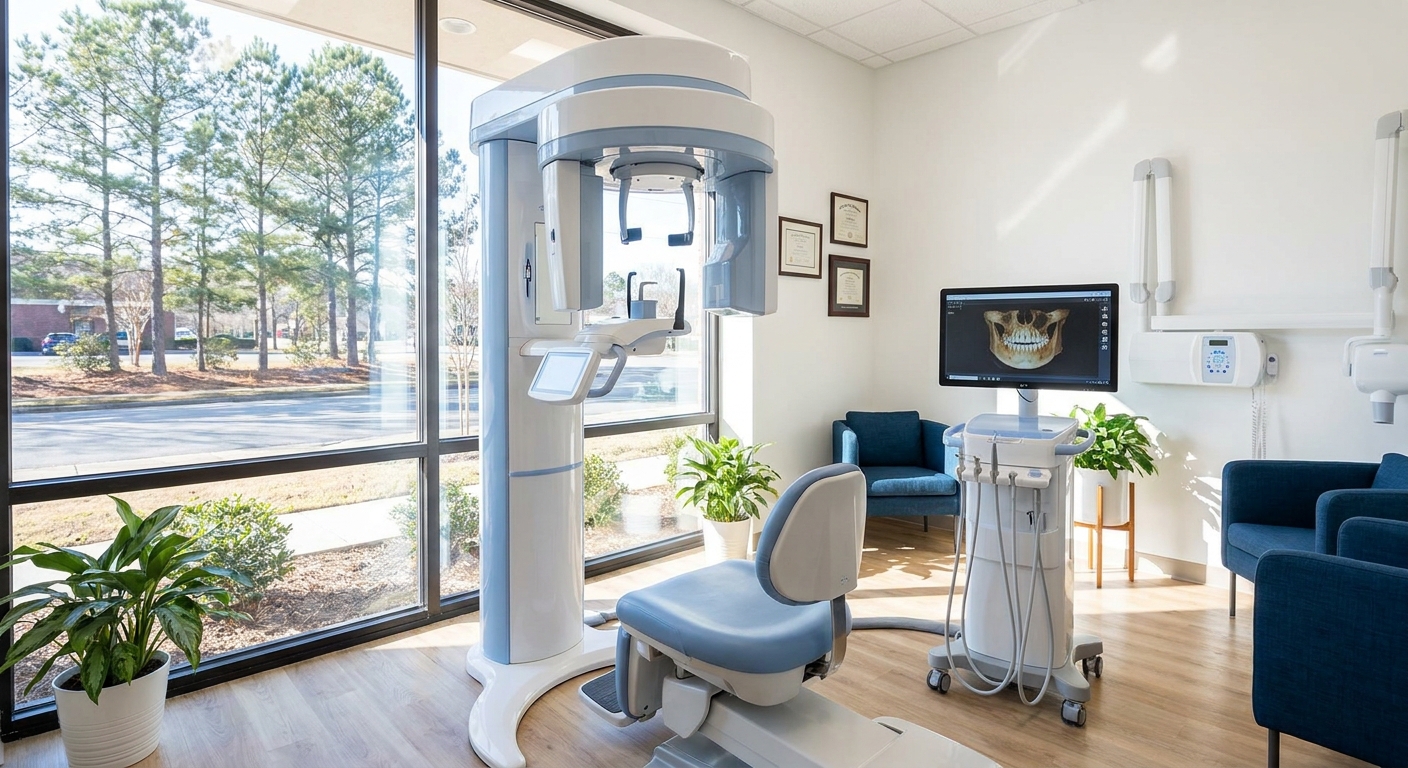
For advanced assessments, your dentist may recommend cone beam computed tomography (CBCT). This three-dimensional imaging goes beyond traditional X-rays to reveal internal tooth structures, root canal anatomy, and any signs of infection. CBCT is particularly valuable if you’ve experienced trauma and need a dentist for dental trauma or a dentist for broken tooth evaluation.
Electric pulp testing can determine whether nerves inside your teeth are still alive. A small electric current is applied to the tooth’s surface; your response helps your dentist decide if root canal treatment is necessary. In many cases, preserving pulpal health avoids more invasive procedures down the road.
By combining clinical exams with these diagnostic technologies, your dentist ensures no hidden weakness goes unchecked. This comprehensive approach helps you understand why certain symptoms occur and prepares you for informed conversations about treatment pathways. If detecting subtle damage is your priority, consider consulting a specialist in assessment for tooth repair.
Planning your treatment options
Once your evaluation is complete, your dentist presents a tailored treatment plan designed to restore strength and prevent further deterioration. Your options range from conservative remineralization therapies to full-coverage restorations. The goal is always to preserve as much natural tooth structure as possible while ensuring long-term stability.
At the most conservative end, topical fluoride applications and professional remineralization agents help strengthen areas of demineralized enamel. Your dentist will advise on prescription-strength fluoride toothpaste or varnish treatments to rebuild mineral density. When enamel wear is mild and you have no visible cracks, dietary adjustments and at-home remineralization can halt progression.
For minor chips, cracks, or small cavities, dental bonding offers a minimally invasive solution. A tooth-colored resin is carefully sculpted over damaged areas, restoring shape and sealing vulnerable spots. If you need a dentist for cracked enamel, bonding may be the first line of defense before considering more extensive restorations.
Moderate damage—such as larger fractures or cavities that extend into dentin—often calls for inlays or onlays. Crafted in a dental laboratory, these indirect restorations fit precisely into or onto the tooth surface, reinforcing its structure without requiring a full crown. Inlays and onlays last longer than direct fillings, offering a balance between conservation and durability [4].
When structural integrity is compromised by extensive wear or a deep fracture, your dentist may recommend a dental crown. Crowns fully encase the remaining tooth, protecting it from further damage and distributing biting forces evenly. Metal-ceramic or zirconia crowns can last between five and 15 years with proper oral care [1]. If nerve involvement or irreversible pulpitis is detected, root canal therapy followed by a crown can save a tooth that might otherwise require extraction.
| Treatment | Use case | Expected lifespan |
|---|---|---|
| Dental bonding | Minor chips, small cracks | 5–8 years [4] |
| Inlay/onlay | Moderate enamel or dentin damage | 10–15 years [4] |
| Dental crown | Extensive wear, large fractures | 5–15 years [1] |
| Root canal therapy | Infected or damaged pulp | Varies with restoration |
Discussing the pros and cons of each option ensures you understand the commitment involved—from procedure complexity to expected maintenance. If you’re debating between treatments or need an expert opinion, seek a dentist for structural tooth damage who specializes in comprehensive restorative care. Together, you’ll choose a plan that aligns with your functional needs and long-term oral health goals.
Preserving long-term tooth health
After restoring your teeth, the next phase is maintenance. Preventing future weakening requires a combination of professional care and disciplined habits at home. Regular dental checkups are essential for catching early signs of recurrence. Ideally, you’ll see your dentist every six months, or more often if you’re prone to decay or gum disease [5]. These visits include cleanings, sealant applications where appropriate, and evaluation of any restorations you’ve received.
Home care starts with brushing twice a day using a soft-bristled brush and fluoride toothpaste. After consuming acidic or sugary foods, wait at least an hour before brushing to avoid scrubbing away softened enamel [6]. In the meantime, rinsing with water or chewing sugar-free gum can help neutralize mouth acids and stimulate saliva flow.
Nutrition plays a pivotal role in enamel preservation. Foods high in calcium and phosphorus—cheese, plain yogurt, leafy greens, almonds, fish, poultry, and eggs—supply the minerals your teeth need to repair and strengthen themselves [2]. Limiting added sugars to no more than 12.5 teaspoons per day reduces acid attacks on your enamel, while consuming acidic fruits and juices as part of a balanced meal minimizes direct erosion [2]. If you experience persistent sensitivity or notice staining or rough patches, schedule an appointment with a tooth enamel damage dentist.
If you grind your teeth at night, a custom nightguard can protect your restorations and natural enamel from mechanical wear. Your dentist will take impressions and craft a device that fits snugly, redistributing biting forces and preventing new fractures. For patients with misaligned bites, orthodontic corrections may also reduce stress on weakened teeth and improve overall function.
Ultimately, preserving your restored teeth is a lifelong commitment. By combining routine professional evaluations, a mineral-rich diet, careful oral hygiene, and protective appliances when needed, you invest in lasting strength and comfort. When questions arise or you notice new issues, your dentist remains your partner—whether you’re seeking a fractured tooth dentist appointment or guidance on maintaining your smile.