You may not notice tooth wear until you feel a sharp twinge biting into a sandwich or sip an ice‐cold drink—small signals that your enamel is thinning. Ignoring worn teeth can lead to deeper fractures, jaw strain, or even tooth loss. If you’ve seen flattening on chewing surfaces or feel constant sensitivity, you should plan a visit to a dentist for worn teeth as soon as possible.
Worn teeth aren’t just a cosmetic issue—they affect your bite, jaw muscles, and long-term oral health. Enamel can’t regenerate, so early intervention protects the layers underneath from decay and structural failure. In this guide you’ll learn how to spot wear, what causes it, and when you need professional assessment to preserve your smile.
Identify worn teeth signs
Many people overlook subtle indicators of tooth wear until discomfort forces them to pay attention. You might run your tongue over your teeth and feel rough or flattened areas that weren’t there a few months ago. Your teeth may look shorter, or tiny indentations could appear where cusps once stood high. Noticing these changes early can save you from more invasive treatments down the road.
Some signs are impossible to ignore—sharp pain when biting down on hard foods or lingering sensitivity to hot and cold. Tracking how your teeth respond to everyday activities helps you decide when it’s time to see a professional.
Visible surface changes
Flattened or smooth surfaces often mean that the enamel has been ground down. You may notice that cusps on your molars look blunt rather than pointed. In advanced cases, grooves or cupping can form where tooth structure has worn away completely. These areas collect stains more easily, so you might spot dark lines or patches where enamel is gone.
When you see these changes, consider contacting a tooth enamel damage dentist for an evaluation. Addressing enamel loss before it reaches the dentin layer can prevent sensitivity and decay.
Sensitivity and discomfort
If cold water or hot coffee sends a sharp ache through your teeth, your protective enamel could be compromised. Sensitivity arises when wear exposes dentin, the porous layer beneath enamel. You might also feel dull, constant aches related to jaw muscle tension caused by compensating for uneven bite surfaces.
Persistent discomfort is a clear signal that you need professional help. A dentist for weakened teeth can test your response to stimuli, map out wear patterns, and recommend treatments to restore your comfort.
Chipping and cracks
Small chips along the edges of front teeth or fine cracks in molars often indicate structural weakness. When enamel thins, normal chewing forces can create hairline fractures. You may not feel these at first, but they can grow over time, leading to larger breaks or even splitting a tooth in half.
If you notice chips or suspect cracks, schedule a fractured tooth dentist appointment right away. Early bonding or sealing of microfractures can stop cracks from propagating deeper into the pulp chamber.
Explore wear causes
Understanding what wears down teeth helps you address the root issue and prevent further damage. In many cases the cause falls into one or more of these categories: grinding forces, acid exposure, mechanical abrasion, or joint dysfunction.
Bruxism and grinding
Bruxism, or involuntary teeth grinding and clenching often related to stress, is a major cause of worn teeth that leads to accelerated tooth surface loss [1]. Grinding stresses enamel beyond its capacity, flattening cusps and causing microfractures. Over time, this can trigger jaw pain, headaches, and even temporomandibular joint disorders (TMD).
If you wake with sore jaws or your partner hears you grinding at night, consult a dentist for tooth trauma evaluation. A night guard can cushion your teeth, reduce muscle strain, and protect enamel from further wear.
Acid erosion
Frequent exposure to acidic foods and drinks—citrus fruits, soda, sports drinks, wine—softens the enamel surface and makes it more vulnerable to wear [2]. Conditions like acid reflux or bulimia introduce stomach acids that accelerate erosion. When enamel softens, even gentle chewing or brushing can remove layers of tooth structure.
Balancing your diet and managing reflux are critical first steps. A dentist for dental trauma can assess your erosion pattern and recommend remineralization therapies like fluoride or casein phosphopeptide treatments.
Mechanical abrasion
Aggressive brushing with hard-bristled toothbrushes or abrasive toothpaste wears away enamel and gum tissue, causing both tooth wear and recession [3]. Overzealous flossing or using toothpicks improperly adds to the mechanical stress.
Switch to a medium-bristle brush, use gentle circular strokes, and ask your hygienist for a brushing demonstration. If you suspect abrasion, see a tooth structure damage dentist for guidance and restorative options.
TMJ dysfunction
Temporomandibular joint (TMJ) dysfunction can alter bite patterns and place uneven forces on teeth, leading to localized wear [4]. Muscle imbalances or joint misalignment may cause you to chew predominantly on one side or shift your jaw position, abrading certain teeth faster than others.
A neuromuscular dentist evaluates jaw muscles, bite alignment, and joint function to diagnose TMD. If TMJ dysfunction contributes to your wear, you may require orthotic devices or occlusal adjustments before pursuing restorative work.
Evaluate wear severity
Not all wear patterns demand immediate intervention, but any damage that reaches dentin or causes pain requires prompt attention. Use the table below to gauge severity and understand recommended next steps.
| Severity | Signs | Recommended action |
|---|---|---|
| Mild | Light enamel thinning, minimal sensitivity | Monitor with regular check-ups, apply fluoride treatments |
| Moderate | Exposed dentin, moderate sensitivity, minor chips | Schedule an evaluation for damaged teeth and consider bonding or onlays |
| Severe | Deep grooves, frequent pain, visible cracks | Book a fractured tooth dentist appointment for crowns or full-mouth reconstruction |
| Advanced | Extensive enamel loss, joint pain, bite collapse | Seek a dentist for worn teeth for comprehensive rehabilitation |
Schedule a dental evaluation
If you identify any moderate to severe wear signs—constant sensitivity, chipped enamel, visible cracks—you should schedule your appointment without delay. Early assessment preserves healthy tooth structure and prevents complications like pulp exposure or infection.
When you call, mention key symptoms such as grinding noises, acid reflux issues, or brushing discomfort. That information helps your provider prepare the right diagnostic tools. If you suspect cracks, note that you need a dentist for cracked enamel or a dentist for broken tooth evaluation. For widespread wear, ask for a fractured tooth dentist appointment to discuss long-term options.
Understand assessment procedures
During your visit, the dentist will perform a comprehensive evaluation to map out wear patterns and underlying causes. Typical steps include:
- Visual examination with magnification to detect microfractures
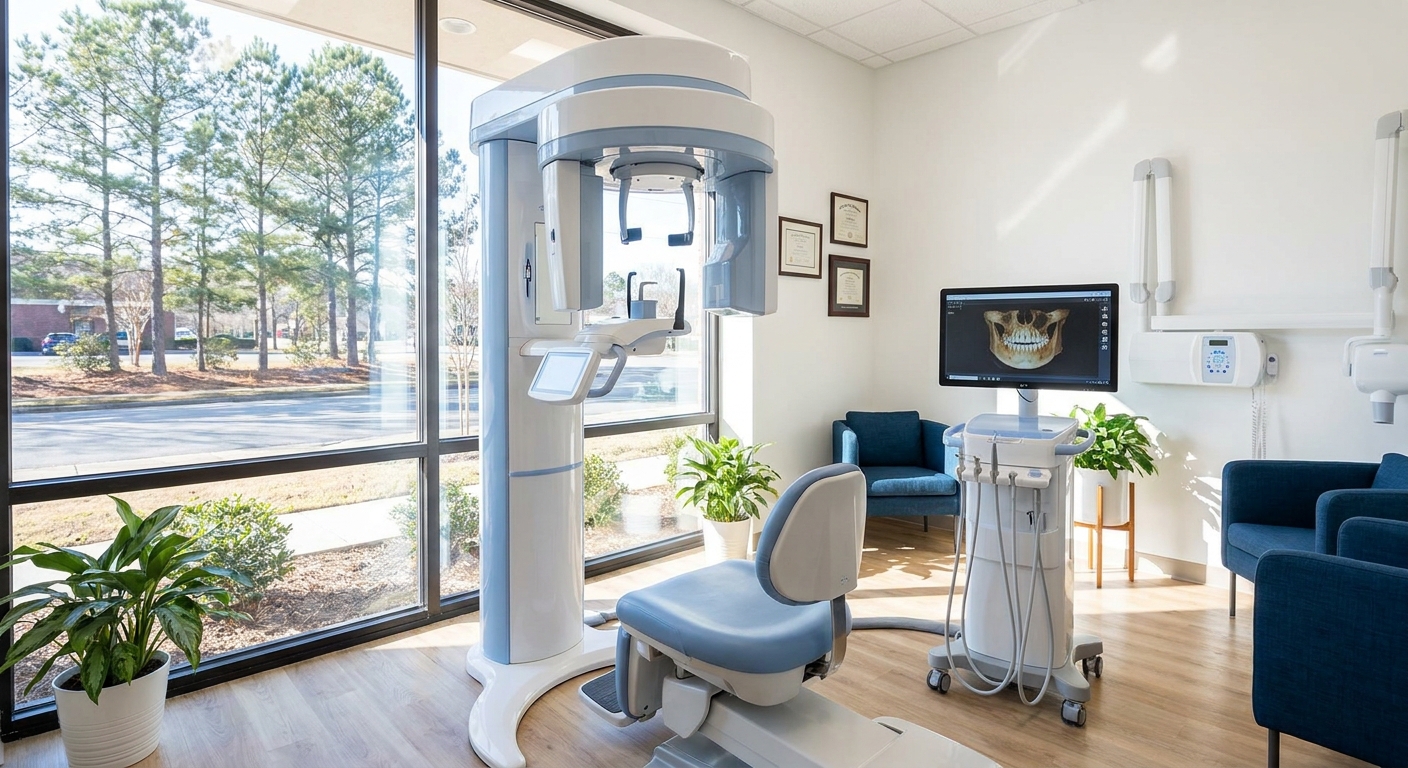
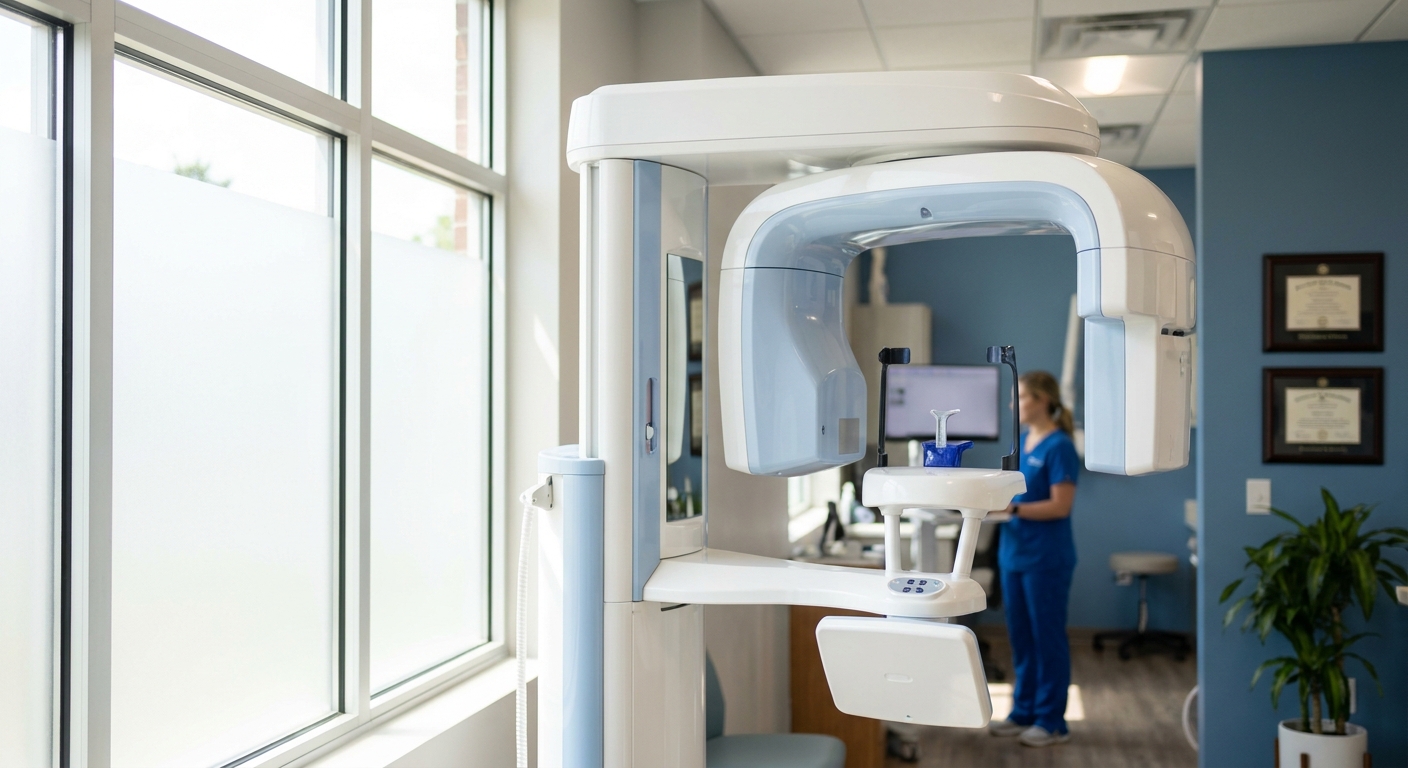
- Intraoral photographs and digital X-rays to assess enamel loss and tooth structure
- Bite analysis using articulating paper or digital scanners to pinpoint high-stress areas
- Muscle and joint evaluation for signs of TMJ dysfunction
These procedures guide a customized treatment plan. You may be referred to a dentist for structural tooth damage or an occlusion specialist. If you need restorative work, ask whether your dentist uses minimally invasive techniques like composite layering or prefers metal-free ceramic options, as detailed by a damaged tooth treatment dentist.
Review treatment solutions
After diagnosing the extent and cause of wear, your dentist will recommend the best approach to restore function and appearance. Treatments range from conservative repairs to full-mouth rehabilitation.
Conservative restorations
For mild to moderate wear, composite bonding or porcelain onlays can rebuild lost enamel contours. These materials bond directly to your teeth, restoring cusps and filling grooves without extensive drilling. Porcelain veneers may also cover worn front teeth, improving both strength and aesthetics.
A neuromuscular approach often combines veneers or crowns with bite-adjusting orthotics to protect your new restorations [4]. Consult a damaged tooth treatment dentist if you want to explore these less invasive options first.
Advanced reconstructions
In severe cases—when more than half of the enamel is gone, or multiple teeth show deep fractures—full crowns or even full-mouth reconstruction may be necessary. This process might involve:
- Full-coverage ceramic crowns to restore shape and function
- Orthodontic correction to realign teeth and evenly distribute bite forces
- Implant‐supported bridges if any teeth are nonrestorable
- Gingival recontouring (gingivoplasty) for a balanced gumline
These treatments require careful coordination between general dentists, prosthodontists, and sometimes oral surgeons. A dentist for structural tooth damage can guide you through complex plans designed for durability and comfort.
Adopt preventive strategies
Protecting your teeth from future wear is as crucial as repairing existing damage. Incorporate these habits into your daily routine:
- Wear a custom night guard to cushion grinding forces
- Use a medium-bristle toothbrush and gentle brushing technique
- Limit acidic and sugary foods; rinse with water after consumption
- Stay hydrated throughout the day to boost saliva flow
- Chew sugar-free gum to neutralize acids and stimulate saliva
- Practice stress-reduction methods like meditation or biofeedback
- Maintain dental check-ups every six months for early wear detection
Consistent prevention safeguards your restorations and natural enamel alike.
Your smile may never self‐repair, but timely action and tailored treatments can halt wear in its tracks and preserve your bite for years to come. If you recognize any warning signs, don’t wait—reach out to a dentist for worn teeth now and take control of your oral health.