Importance of establishing care
Establishing care with a dentist gives you a reliable partner in maintaining your oral health over the years. When you form this ongoing relationship, your provider tracks changes in your mouth, addresses minor concerns early and helps you avoid complex problems down the road. A consistent care plan reduces the chance of emergency visits and can even lower your overall dental costs.
By choosing a dental home, you secure a comfortable environment tailored to your needs. Your dentist learns your medical history, lifestyle factors and personal preferences, which leads to more precise advice and treatments. This personalized approach aligns with the American Dental Association’s guidance that a positive first visit experience sets the tone for long-term care [1]. Ultimately, establishing care empowers you to take charge of your smile and overall well-being.
Scheduling your first visit
Booking your first appointment is easier than ever thanks to online scheduling tools. Many practices offer evening or weekend slots so you can find a time that works with your busy life [2]. When you select a clinic, look for a dentist accepting new patients or a dentist accepting adult patients and reserve your first dental visit appointment in just a few clicks.
Some offices let you complete paperwork online ahead of time, which speeds up check-in and reduces waiting room time. If digital forms aren’t available, you’ll fill out new patient documents when you arrive. Either way, having basic information ready—like your insurance details and any current medications—helps your visit start smoothly.
Preparing for appointment
Before your appointment, compile a list of questions and any relevant records such as recent medical evaluations or X-rays from other providers. If you have a preferred toothpaste or concerns about sensitivity, jot those down as well. Preparing in advance makes your new patient dental visit more productive and ensures you cover all your priorities.
Gather your insurance card and a photo ID, and arrive a few minutes early if you need to fill out any in-office forms. Some practices also welcome children or family members, so confirm any visitor policies when you call. By planning ahead, you’ll start your comprehensive dental evaluation without stress and gain the full benefit of your time with the dental team.
First visit expectations
Your first visit serves as an introduction and sets the stage for all future care. It typically combines a thorough check-in process, an in-depth conversation about your health, and a careful examination of your teeth and supporting structures. Here’s how that experience usually unfolds:
Completing new patient forms
Most dental offices ask you to complete forms covering your medical history, current medications and any past dental treatments. Providing accurate answers helps your dental team tailor every aspect of your care [2].
Reviewing your health history
Your dentist or hygienist will review your medical and dental background, including chronic conditions, allergies and any symptoms you’ve noticed. This conversation ensures the team understands your overall health and can make safe, informed recommendations.
Detailed oral examination
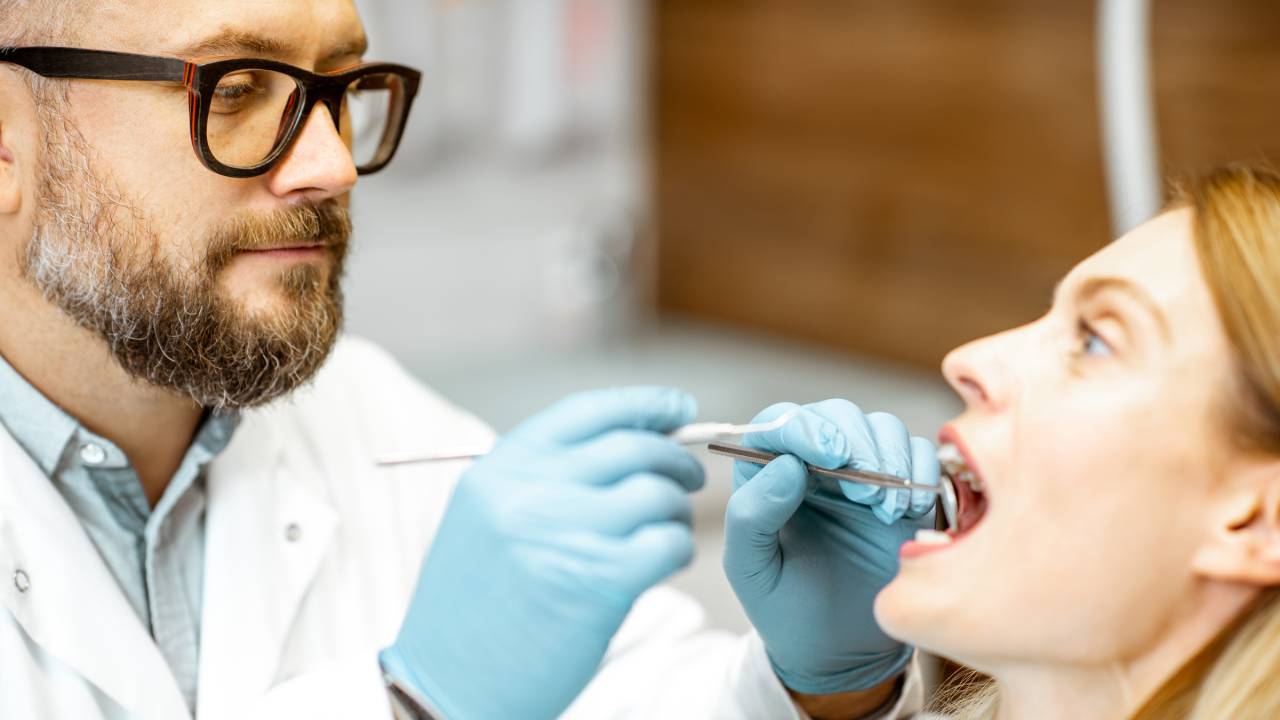
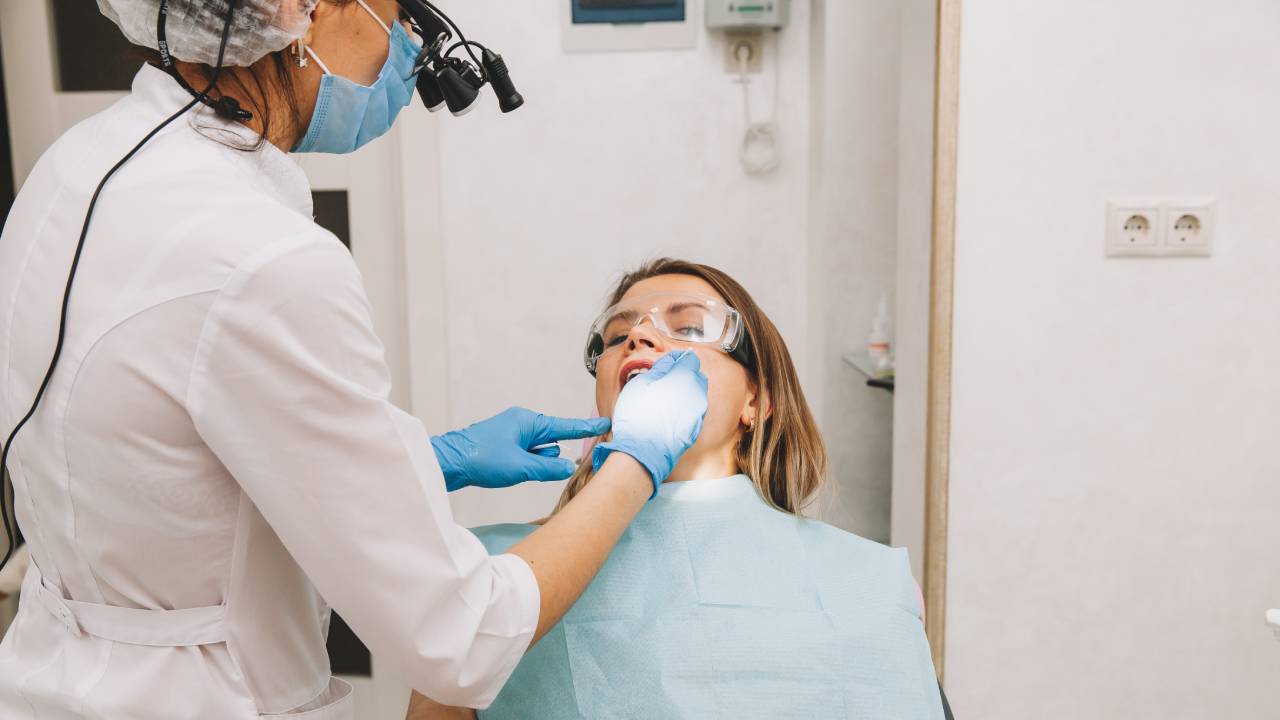
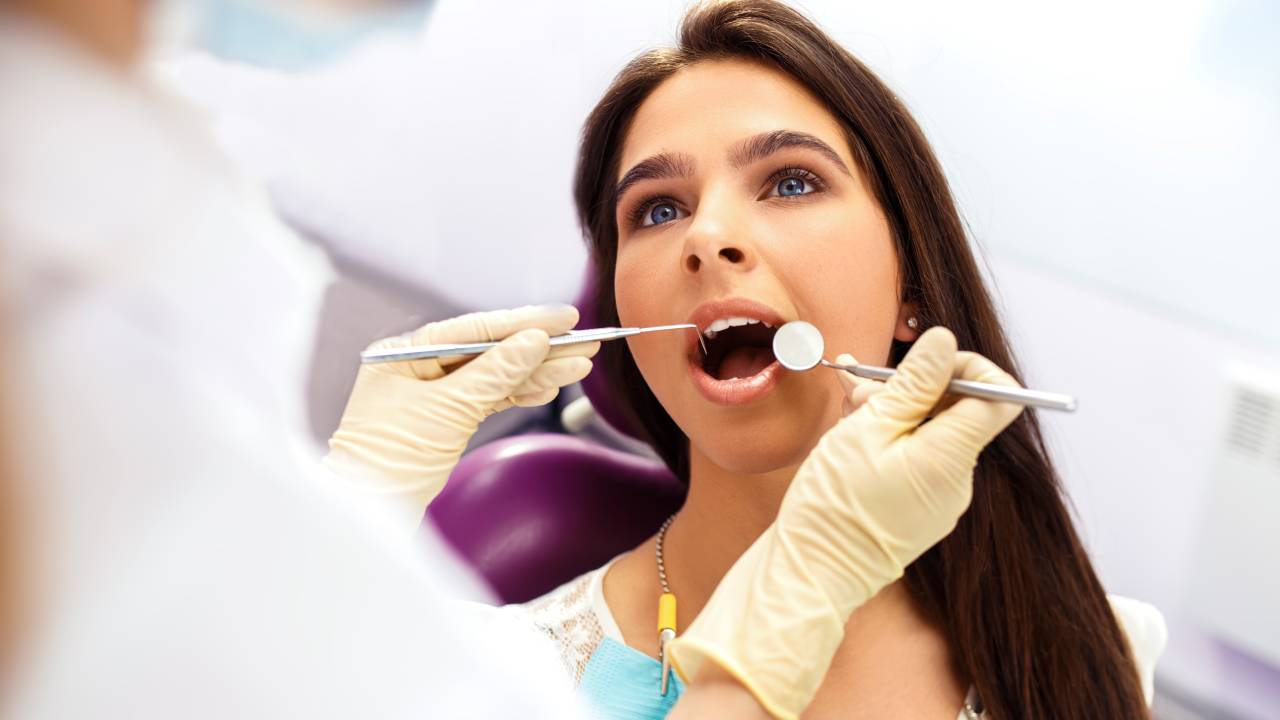
During the clinical exam, your provider inspects each tooth, checks your gums for signs of inflammation or recession and examines your jaw joints for any clicking or discomfort. You may also be asked to bite down or move your jaw side to side to assess function.
Diagnostic imaging
Digital X-rays or intraoral photos may be taken to reveal hidden decay, bone loss or abnormalities that are not visible during the visual exam. These images support a complete picture of your oral health and help guide any treatment planning decisions [2].
After these steps, your dentist discusses findings with you, answers your questions and outlines next steps. This open dialogue forms the basis of trust and ongoing communication—key elements of a successful dental home.
Comprehensive dental evaluation
A true comprehensive evaluation goes beyond simply counting cavities. It assesses every aspect of your oral health so you can enjoy a strong, healthy smile for years to come. Common components include:
| Component | Purpose |
|---|---|
| Clinical inspection | Evaluate teeth, gums and soft tissues for visible issues |
| Periodontal assessment | Measure gum pocket depths and check for signs of gum disease |
| Radiographic analysis | Identify decay, bone loss or structural concerns beneath surfaces |
| Occlusal examination | Analyze your bite, jaw alignment and signs of excessive wear |
This full mouth dental evaluation helps your dentist detect early warning signs and recommend preventive or restorative treatments. If additional specialists are needed—such as an orthodontist or periodontist—they can coordinate referrals and integrate care seamlessly.
Comprehensive exams often include a review of your diet, oral hygiene routine and lifestyle habits like smoking or grinding. Understanding these factors guides a prevention-first approach, which can save you time, money and discomfort over the long term.
Crafting treatment plan
Once your comprehensive exam is complete, your dentist creates a personalized plan to address any needs and protect your oral health. That plan might cover everything from routine cleanings to more advanced procedures.
Prevention strategies
Preventive dentistry—such as sealants, fluoride treatments and professional cleanings—forms the backbone of most care plans. You may schedule a preventive dental exam appointment every three to six months based on your risk factors. Staying on top of these visits reduces the chance of cavities and gum disease.
Restoration and cosmetic recommendations
If cavities, worn enamel or cosmetic concerns arise, your dentist will outline options such as fillings, crowns, whitening or veneers. You have the opportunity to discuss the benefits, timing and costs of each approach. The goal is to build a cohesive plan that fits your budget and aligns with your smile objectives.
Throughout this conversation, you are encouraged to ask about your dentist’s qualifications, available sedation options for dental anxiety and payment arrangements including insurance coverage or financing plans [3]. Understanding these details ensures you feel confident in every aspect of your care.
Building your dental home
A dental home is a practice where you feel valued, respected and comfortable. Over time, you’ll develop a rapport with your dental team, making each appointment more efficient and less stressful. Your dentist will proactively monitor changes in your oral health, recommend updates to your home care and adjust your schedule as needed.
Essential questions to ask
When you’re ready to deepen that relationship, consider these key questions at your next visit:
- What is my current oral health status and are there any areas of concern?
- How can I improve my daily brushing and flossing routine?
- Do you recommend any preventive treatments like sealants or fluoride?
- What treatment options would you suggest for cosmetic or restorative needs?
- How often should I schedule follow-up visits based on my risk profile?
Asking these questions and reviewing your customized care plan reinforces trust and ensures you remain an active partner in your long-term dental health [4].
Maintaining lifelong oral health
After your initial visit and treatment plan, stick to recommended checkup intervals—typically every six months. Regular exams and cleanings help you stay ahead of potential issues and keep your smile looking its best. Promptly report any new symptoms such as sensitivity, bleeding gums or jaw discomfort so your dentist can intervene early [5].
Between appointments, maintain good habits by brushing twice daily with fluoride toothpaste, flossing once a day and limiting sugary snacks. If you grind your teeth at night, ask about a custom nightguard to protect your enamel. By combining daily care with professional support, you ensure a healthy mouth well into the future.
Ready to establish your dental home and enjoy peace of mind? Find a general dentist appointment near you or schedule dental exam today to get started.