During your evaluation for tooth pain visit, your dentist will guide you through a step-by-step process designed to pinpoint the cause of your discomfort and map out an effective treatment plan. You’ll discuss your symptoms in detail, undergo a clinical examination, and receive targeted imaging to reveal issues beneath the surface. By understanding each stage, you’ll feel more confident and prepared for what comes next in your dental care journey.
Understand your symptoms
When tooth pain strikes, recognizing the nature of your symptoms helps your dentist narrow down potential causes quickly. Whether you feel a sharp jolt when biting down or a dull ache that lingers well after eating, describing these sensations accurately sets the stage for a focused evaluation for tooth pain.
Types of tooth pain
Pain varies not only in intensity but also in quality. You might experience intermittent sharp jabs from cracks or abscesses, sharp sensitivity to temperature changes hinting at exposed dentin or gum recession, a persistent dull ache tied to nerve involvement, or extreme throbbing pain with swelling that signals infection or abscess. Other patterns include pain only when chewing—often due to a fracture or decay—and pressure pain when tapping the tooth’s surface. Recognizing your pain type in advance speeds up diagnosis and ensures you get the right care without delay.
When to seek evaluation
You should schedule an appointment if your toothache lingers more than a day or two, even after over-the-counter relief measures. Immediate dental attention is critical when pain is accompanied by fever, chills, or facial swelling, as these are signs of a dental emergency requiring urgent care [1]. Early intervention prevents complications, reduces the risk of infection spread, and often simplifies treatment.
Clinical assessment steps
Once you’re in the chair, your dentist begins with a thorough clinical assessment. This hands-on examination identifies visible issues and guides decisions about further diagnostics.
Visual and tactile exam
Your dentist will first inspect the tooth and surrounding tissues for obvious signs of decay, cracks, chips, or gum disease. Using a small mirror and a dental probe, they’ll feel for soft spots or irregularities in enamel, note any discoloration, and check gum recession. Sometimes, applying a dye highlights hairline cracks that are invisible under normal lighting. This tactile feedback offers clues about where the pain originates and whether further imaging is required.
Sensitivity and percussion tests
To differentiate between surface sensitivity and deeper nerve involvement, your dentist will perform temperature and percussion tests. A blast of cold air or application of an ice stick helps assess how sensitive your tooth is to temperature changes. Gently tapping the tooth with a rubber-headed instrument evaluates whether the root and surrounding bone are inflamed. These simple in-office tests reveal whether the pulp—or inner nerve—is compromised, guiding whether you need a filling, root canal, or other treatment.
Imaging and diagnostics
Clinical tests only tell part of the story. Imaging exposes hidden decay, bone loss, infections, and other issues beneath your gums.
Dental X-rays
Intraoral dental X-rays are the most common imaging tool for evaluating tooth pain. These 2D images show tooth roots, bone levels, and early-stage cavities that may not be visible to the naked eye. Digital X-rays use 80% to 90% less radiation than traditional film, making them a safe choice for routine diagnostics [2]. Depending on your history—such as frequent cavities or gum disease—your dentist may recommend X-rays every six to 18 months, or more often if urgent issues arise.
ICAT (CBCT) scans
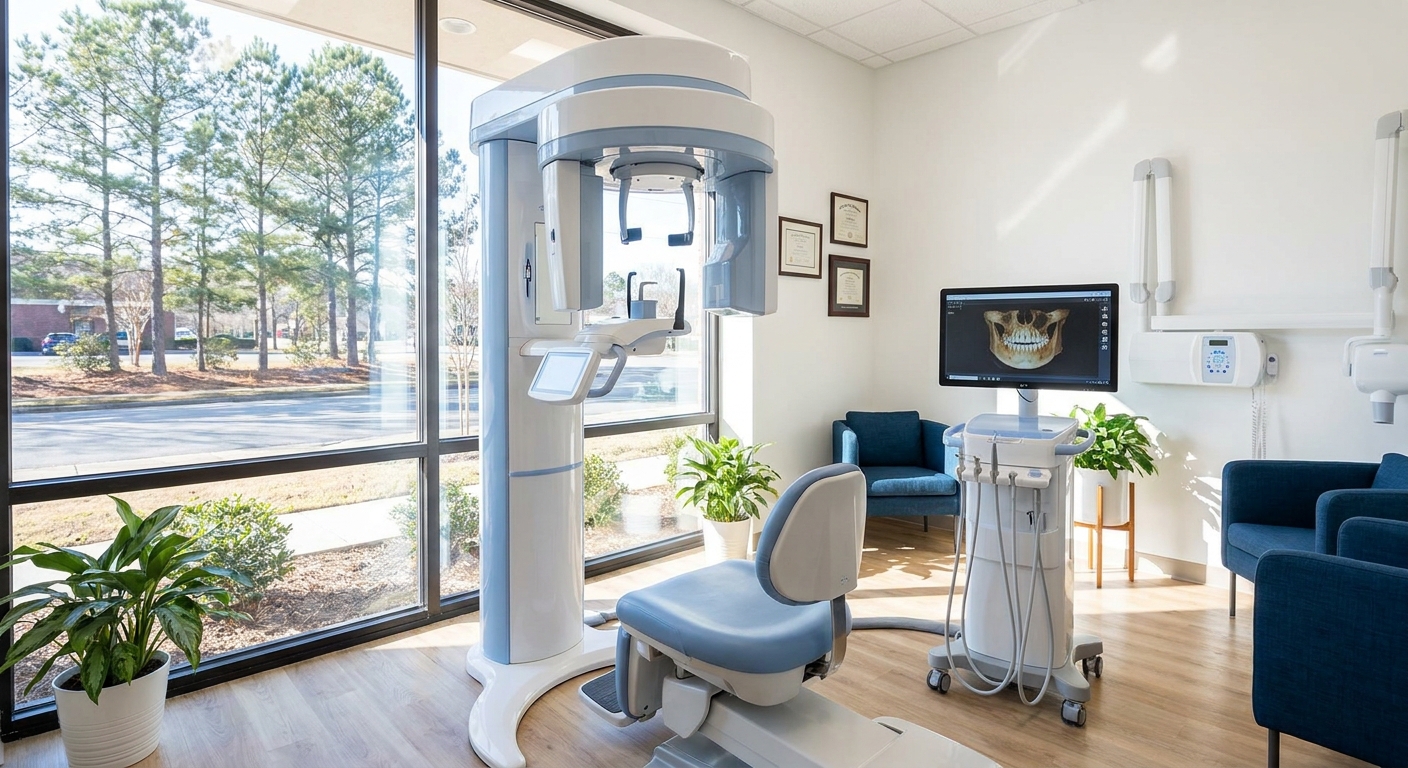
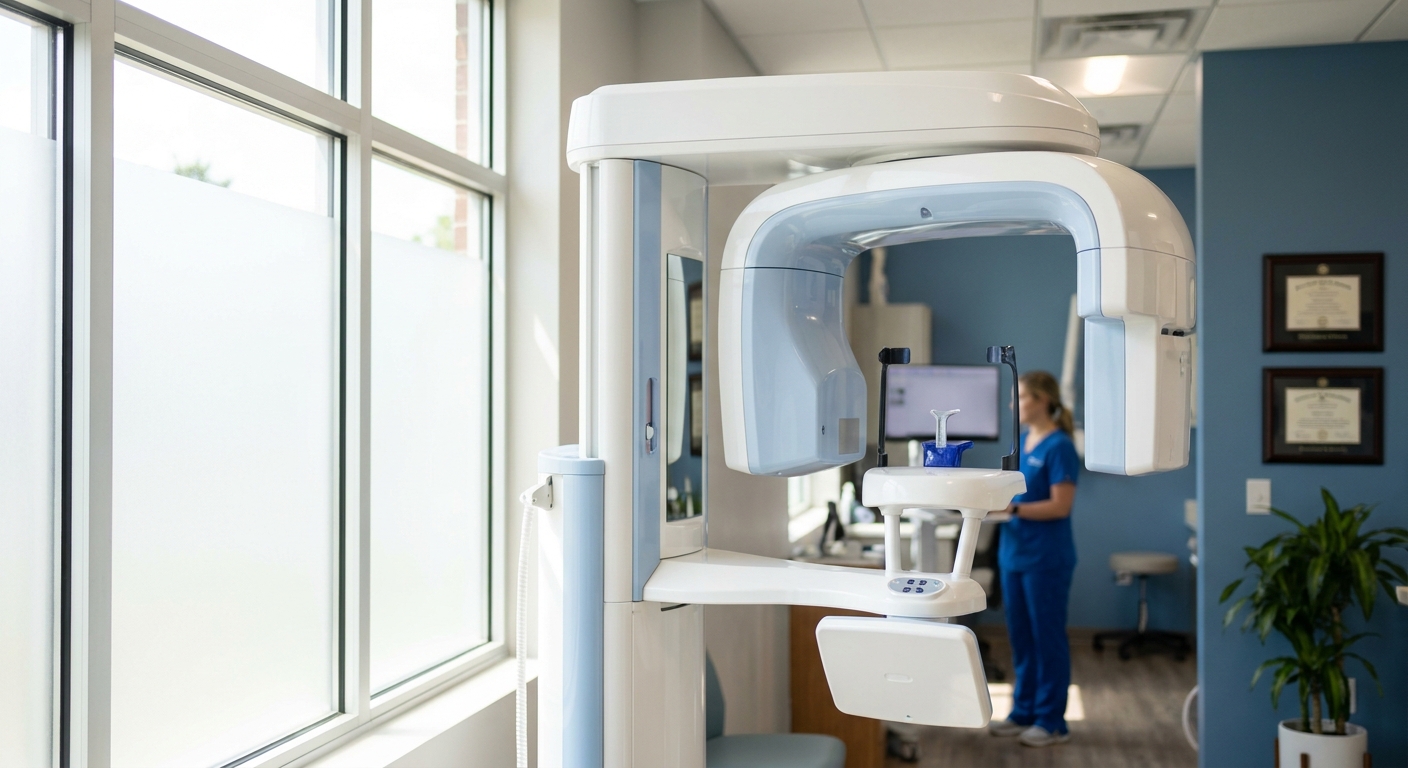
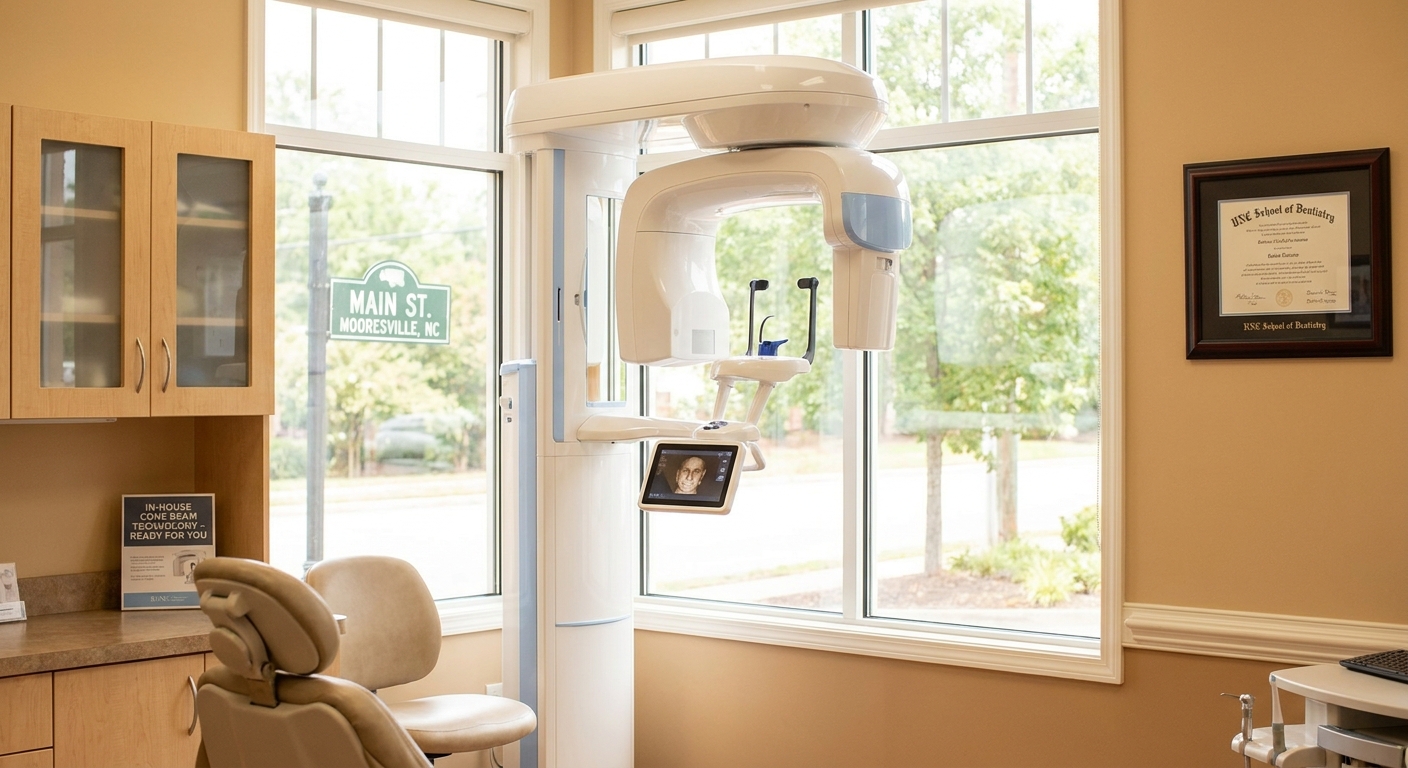
For complex cases involving root infections, impacted wisdom teeth, or jaw pain, a cone beam computed tomography (CBCT) scan—also called an ICAT scan—provides 3-D imaging of teeth, nerves, soft tissues, and bone in a single capture. These detailed views allow your dentist to pinpoint fractures, abscesses, or nerve pathway issues that 2D X-rays can miss. ICAT scans also play a crucial role in planning treatments like root canal therapy, implants, or surgical extractions [3].
Here’s a quick comparison of common imaging tools:
| Imaging type | What it shows | Radiation level | Typical use case |
|---|---|---|---|
| Intraoral X-ray | Cavities, bone loss, root structure | Low (digital) | Routine diagnostics, cavity detection |
| Bitewing X-ray | Interproximal decay between back teeth | Low | Checking between-tooth cavities |
| Panoramic X-ray | Full jaw, sinus areas, emerging teeth | Moderate | Wisdom teeth, jaw pathology screening |
| CBCT (ICAT) scan | 3-D bone, soft tissue, nerve canal pathways | Moderate to high | Surgical planning, complex infections |
Treatment planning insights
After identifying the cause of your pain, your dentist collaborates with you on a personalized treatment plan. This roadmap outlines immediate steps and longer-term strategies to restore your oral health.
From fillings to root canals
If a small cavity is the culprit, a simple filling may resolve your discomfort quickly. More advanced decay or a cracked tooth reaching the pulp often requires root canal therapy, which removes infected tissue within the tooth and seals it to prevent reinfection. In cases of abscess or severe damage, extraction followed by implant placement or bridge work may be the most durable solution. Your dentist will explain each option, expected outcomes, and recovery timelines so you can make an informed decision.
Sedation options
Anxiety and pain management play key roles in your comfort during dental procedures. Sedation ranges from nitrous oxide (laughing gas) for mild relaxation to oral or IV sedation for moderate needs. At Three Rivers Dental, these options ensure patients undergo pain-free evaluations and treatments once the cause of your tooth pain is identified [3]. Discuss your comfort preferences and medical history with your dentist to select the safest approach.
Prevent dental complications
Addressing tooth pain promptly reduces the risk of more invasive procedures and emergency visits. Early diagnosis also preserves healthy tooth structure and lowers overall treatment costs.
Early diagnosis benefits
Catching decay or infection in its initial stages means you may avoid root canal therapy or extraction altogether. Prompt treatment stops infection from spreading into surrounding bone or adjacent teeth. By staying on schedule with recommended check-ups and X-rays, you help your dentist catch issues before they become painful emergencies.
Home care vs professional care
Home remedies—like saltwater rinses, ice packs, or over-the-counter pain relievers—can offer temporary relief but should not replace professional evaluation and treatment [1]. Good oral hygiene, including brushing twice daily and flossing, helps prevent cavities and gum disease. However, regular professional cleanings and exams are essential for identifying issues you might not feel yet, such as early root infections or minor cracks that could evolve into major pain.
What to expect next
Once your evaluation for tooth pain is complete and a treatment plan is in place, you’ll move smoothly into the next phase of care.
Follow-up visits
Your dentist will outline a schedule for follow-up appointments to monitor healing, adjust treatment if needed, and perform any restorative procedures. If you received a filling, you might return in a few weeks to confirm the tooth is comfortable. After a root canal, the follow-up ensures the tooth is free from reinfection and that any crown placement aligns properly.
Emergency signs
Even after treatment starts, remain vigilant for warning signs that warrant immediate attention. Severe swelling, fever, or pain that intensifies rather than improves could indicate a lingering or recurring infection. If you notice any of these symptoms, contact your dentist or a dentist for possible tooth infection right away to prevent further complications.
By understanding each component of your evaluation for tooth pain visit—from symptom discussion to imaging, clinical tests, and treatment planning—you’ll feel empowered to take charge of your oral health. Early diagnosis and clear communication with your dental team pave the way for effective, lasting relief and a return to pain-free daily life.