Early evaluation for tooth replacement sets the stage for a smoother recovery of function, form, and confidence. When you understand why an evaluation for tooth replacement matters, you can avoid pitfalls that complicate treatment and prolong discomfort. In this guide, you’ll discover how to assess bite stability, bone health, and overall oral readiness so you can plan effectively and protect long-term oral function.
By following a systematic approach, you reduce the risk of overlooking critical factors—such as jawbone density or underlying health conditions—that influence your options. Whether you’re meeting with a specialist or seeking a missing tooth evaluation dentist, this article will help you navigate common mistakes and make informed decisions.
Understand evaluation importance
Before diving into specific assessments, recognize that early evaluation for tooth replacement can save you time, money, and frustration. Delaying consultation often means more extensive treatments later, such as bone grafts or additional dental visits. A prompt assessment identifies potential challenges—like bite collapse or periodontal issues—before they spiral into complicated procedures.
An early evaluation also gives you a comprehensive baseline. Your dentist can document gum health, jaw alignment, and any signs of bone loss, then monitor changes over time. With this information, you’ll be able to choose solutions that restore chewing ability and maintain facial structure rather than merely filling a gap in your smile.
Assess bite stability
When a tooth goes missing, your bite can shift as neighboring teeth drift toward the empty space. Over time, this misalignment can lead to uneven wear, TMJ discomfort, and even changes in facial appearance. That’s why your evaluation for tooth replacement must include a careful examination of bite stability.
Your dentist will observe how your upper and lower teeth come together, looking for signs of premature contact or gaps. If you already notice sensitivity when chewing or posture changes in your jaw, those symptoms deserve immediate attention. Addressing bite issues early can simplify your replacement plan and help you avoid restorative work down the road.
Visit a dentist for bite collapse from missing teeth if you experience chronic discomfort or jaw stiffness. An aligned bite not only supports implant longevity but also preserves your overall oral health.
Evaluate bone health
Your jawbone provides the foundation for most tooth replacement options, especially implants. After tooth loss, the bone that once supported the root begins to resorb—shrink in volume—if it’s not stimulated by chewing forces. Without adequate bone height and width, implant placement can become risky or even impossible without preparatory procedures.
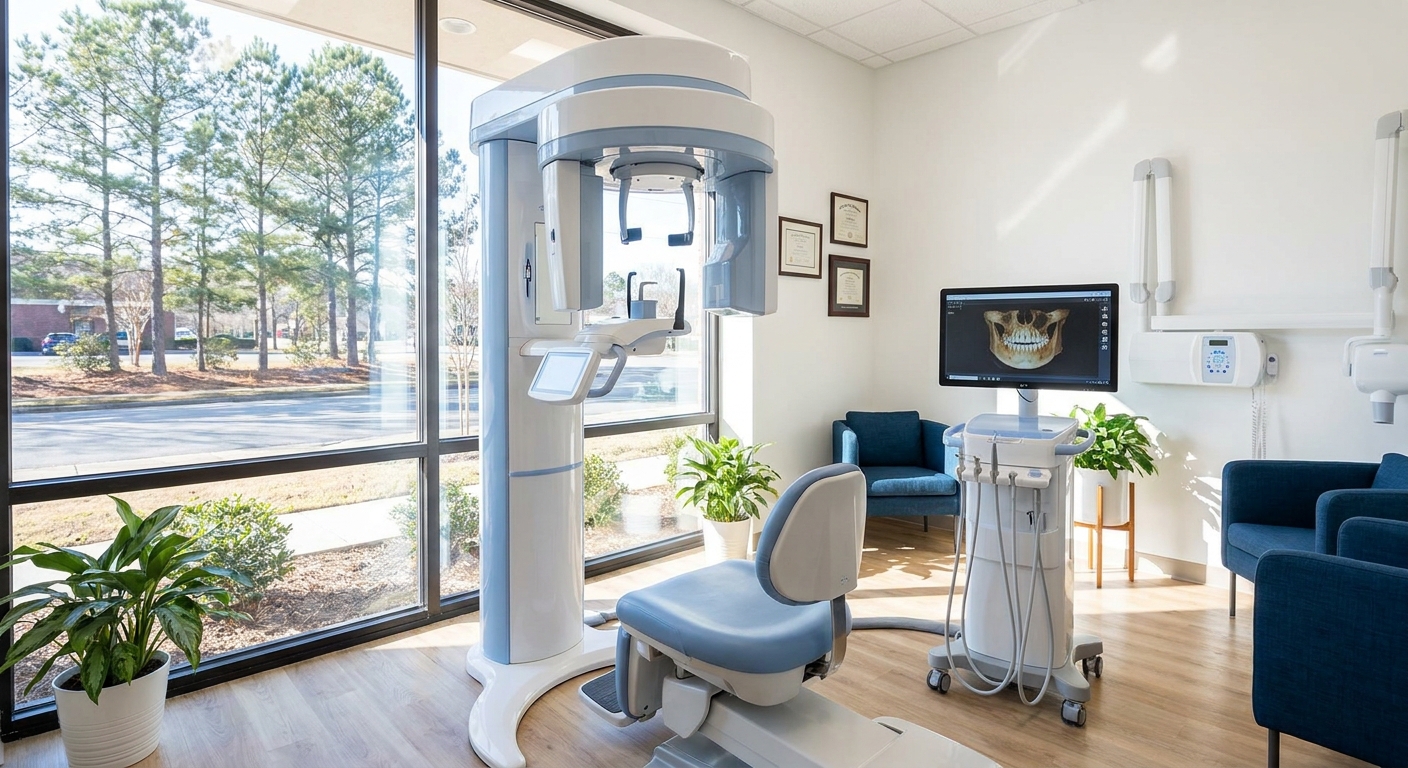
During your evaluation for tooth replacement, ask your dentist about a Cone Beam Computed Tomography (CBCT) scan. This three-dimensional imaging technique reveals bone density and critical anatomical landmarks like the maxillary sinus and mandibular canal. Understanding these measurements helps you anticipate whether bone grafting will be necessary to achieve a stable implant foundation [1].
If you have osteoporosis, diabetes, or a history of radiation therapy, discuss these systemic factors openly. They can influence your candidacy for certain treatments and may require collaboration with your physician to optimize healing.
Examine replacement options
Once your dentist completes bite and bone assessments, you’ll explore replacement options that match your needs. The number of missing teeth, your budget, and desired treatment timeline all play a role. Below is a summary of options based on the scope of tooth loss:
| Missing teeth situation | Common solutions |
|---|---|
| Single tooth | Implant-supported crown, fixed partial denture (FPD) |
| Two adjacent teeth | Implant-supported bridge, traditional dental bridge |
| Several teeth in a row or at different sites | Partial removable denture, implant-supported denture |
| Full arch | Complete denture, implant-supported overdenture |
Your dentist may refer you to a replacement options for missing teeth dentist to weigh pros and cons. For instance, implants stimulate bone health and deliver the highest satisfaction for single-tooth replacement, but they require a longer healing period of five to eight months [2]. In contrast, removable partial dentures restore function more quickly but may feel less stable.
Avoid common evaluation mistakes
Even experienced patients can fall into traps during their evaluation for tooth replacement. Recognizing these errors in advance will help you ask the right questions and demand thorough assessments:
- Overlooking medical history. Failing to disclose conditions like leukemia or diabetes may lead to complications later.
- Skipping advanced imaging. A basic X-ray doesn’t reveal three-dimensional bone volume or nerve locations.
- Ignoring bite function. Focusing solely on filling the gap can miss TMJ or occlusal concerns.
- Neglecting long-term planning. Choosing the cheapest immediate solution may increase overall costs and procedures.
- Rushing treatment. Preemptive smiles come at the expense of proper healing if you force implant placement too soon.
By steering clear of these mistakes, you position yourself for more predictable outcomes and fewer surprises in your tooth replacement journey.
Plan for long-term function
You’re not just replacing a tooth—you’re restoring chewing ability, speech, and facial harmony. To ensure lasting success, your evaluation should include discussions about long-term maintenance and potential complications. Ask your dentist how each option will affect:
- Chewing efficiency and diet choices
- Gingival health and ease of oral hygiene
- Risk of adjacent tooth damage [3]
- Future upgrades or revisions if needs change
For single implant-supported crowns, patient satisfaction rates are highest, while removable partial dentures often rank lowest in function and comfort [3]. Understanding these trade-offs helps you align your choice with your lifestyle and health goals.
You may also consider consulting a functional tooth replacement dentist or a dentist for long term tooth replacement to focus on enduring results and minimize future interventions.
Seek professional guidance
A successful evaluation for tooth replacement culminates in a clear treatment plan tailored to your unique profile. When you schedule your dentist consultation for tooth loss, anticipate a multiphase process:
- Medical and dental history review to flag systemic risks.
- Visual and radiographic examination, often with CBCT for three-dimensional insights.
- Discussion of replacement options, costs, timelines, and financing.
- Creation of a personalized treatment roadmap, including preparatory steps like extractions or grafts.
Bring a list of questions to that first visit—cover everything from healing times to follow-up care. Clear communication ensures you know what to expect at each stage, from initial assessment to final restoration.
Prepare for next steps
After your evaluation, you’ll receive a treatment plan outlining key milestones and estimated timelines. Use this period to optimize your oral health: maintain rigorous hygiene, quit smoking if applicable, and address any gum inflammation before invasive procedures. Good preparation reduces risks and speeds recovery.
Stay in contact with your dentist, and don’t hesitate to reach out if you experience discomfort or unexpected changes. Regular follow-ups help your provider monitor healing and adjust the plan as needed, safeguarding both your investment and well-being.
By avoiding common mistakes, prioritizing a comprehensive assessment, and engaging with professionals who specialize in tooth replacement, you’ll increase your chances of a smooth, durable outcome. Early evaluation for tooth replacement isn’t just a preliminary step—it’s the foundation for a lifetime of confident smiles and reliable function.