A sudden jolt of pain when you sip your coffee… a sharp sting when you breathe in cold air… sound familiar? You might be dealing with an exposed tooth nerve — and trust me, it’s not something you want to ignore.
This guide will walk you through what causes an exposed nerve, how to spot the signs, and what you can do to find relief fast.
And if you’re looking for compassionate, expert care and services, River’s Edge Dental is here to help you protect your smile and tackle tooth pain head-on.
Understanding Tooth Anatomy
Before we dive into the sting of an Exposed Tooth Nerve, it helps to understand what’s going on inside that tiny powerhouse we call a tooth.
What Is a Tooth Nerve?
Deep inside each tooth is living tissue called pulp. This pulp contains blood vessels, connective tissue, and yes — nerves. These nerves are your tooth’s built-in alarm system, sending signals if something’s wrong.
They help you sense temperature changes, pressure, and, unfortunately, pain when they’re exposed.
How Nerves Are Protected Inside the Tooth
Your tooth is built like a fortress. On the outside, the enamel — the hardest substance in the human body — protects what’s inside.
Beneath that is dentin, which is strong yet porous. The pulp sits right at the core, snug and safe when everything’s intact. But when the outer layers crack, decay, or wear away, the nerve loses its armor.
Layers of Enamel, Dentin, and Pulp
To put it simply, think of enamel as your tooth’s knight’s armor, dentin as the sturdy walls, and the pulp as the king that must be protected at all costs.
What Does It Mean to Have an Exposed Tooth Nerve?
So, what happens when your tooth’s nerve is out in the open? Bad news: any break in the tooth’s natural defense — whether through decay, cracks, or wear — can expose the nerve.
Suddenly, something as simple as sipping a cold drink can feel like a bolt of lightning through your jaw.
Definition and Dental Context
Dentists call this situation “pulp exposure.” The pulp’s no longer sealed off and is vulnerable to bacteria, food particles, and temperature changes.
Left untreated, it’s a fast track to infection and severe pain.
Common Scenarios Leading to Exposure
A cavity that’s gone too far, a cracked tooth from biting down on a popcorn kernel, or years of night-time grinding — all these can let the outside world touch the nerve inside.
Even brushing too hard can lead to gum recession, uncovering sensitive roots.
Causes of an Exposed Tooth Nerve
Wondering what put your tooth nerve in the danger zone? Let’s look at the common culprits.
Severe Tooth Decay
When decay eats through the enamel and dentin, it creates a pathway for bacteria right to the nerve. If you’ve been ignoring that cavity because “it doesn’t hurt that bad” — think again!
Cracked or Broken Teeth
Falls, accidents, or biting something too hard can cause cracks or chips that run deep enough to reach the pulp.
Worn-Down Enamel from Bruxism
Grinding your teeth — even if you don’t realize you’re doing it — can wear down enamel over time. With the protective layer gone, nerves are left vulnerable.
Aggressive Tooth Brushing or Gum Recession
Believe it or not, brushing too hard can backfire. It can wear down enamel or cause gums to recede, exposing the roots — and the nerves inside.
Signs and Symptoms to Watch For
So, how do you know if you have an exposed tooth nerve? Chances are, you’ll feel it!
Sharp or Throbbing Tooth Pain
Sudden, stabbing pain when chewing or lingering aches that keep you up at night are red flags.
Extreme Sensitivity to Hot or Cold
If your morning coffee or an ice-cold soda causes a jolt of pain or sensitivity through your jaw — yep, you might be dealing with nerve exposure.
Visible Damage to the Tooth Structure
Sometimes, you can see the damage — a dark cavity, a crack, or receding gums showing the tooth root.
Potential Complications of Leaving It Untreated
You might be tempted to tough it out, but an Exposed Tooth Nerve is no joke.
Increased Risk of Infection
Once the nerve’s exposed, bacteria can move in fast. An infection can spread to surrounding tissues, making things much worse.
Abscess Formation
An untreated infection can lead to an abscess — a painful, pus-filled pocket that can cause swelling and even fever.
Permanent Nerve Damage or Tooth Loss
Delaying treatment means you could lose the tooth altogether. Not ideal, right?
First Aid for Exposed Tooth Nerve Pain
If you suspect you have an exposed tooth nerve, here’s what you can do at home before you get to the dentist.
What You Can Do at Home Temporarily
Try rinsing with warm saltwater to reduce bacteria. Avoid chewing on the affected side. If you must eat, stick to soft, lukewarm foods.
Over-the-Counter Pain Relief Options
Clove oil (nature’s little miracle) can help numb the area. Over-the-counter pain meds like ibuprofen can dull the ache until you’re in the dental chair.
Dental Treatments for Exposed Tooth Nerves
No worries — your dentist has a plan.
Dental Fillings or Bonding
If decay caused the problem, your dentist can remove it and place a filling or bonding material to seal the tooth.
Root Canal Therapy
For deeper damage, root canal therapy at River’s Edge Dental may be needed. The infected pulp is removed, and the tooth is sealed. Contrary to myths, root canals actually stop the pain — they don’t cause it!
Crown Placement for Protection
A crown covers the entire tooth, offering protection and strength. Think of it as a helmet for your tooth.
Extraction as a Last Resort
If the damage is too extensive, extraction may be the only option. But don’t worry — there are plenty of tooth replacement options available these days.
How to Prevent Exposed Tooth Nerves
Prevention beats treatment every time.
Good Oral Hygiene Practices
Brush gently, floss daily, and use fluoride toothpaste to keep enamel strong.
Protective Gear for Teeth Grinding
If you grind your teeth, a night guard can be a game-changer.
Regular Dental Checkups
Routine cleanings and exams catch problems early — before they reach the nerve.
Exposed Nerve in Baby Teeth vs. Adult Teeth
Little teeth matter too!
Special Considerations for Children
Children’s teeth have thinner enamel, so decay can reach nerves quickly. Pediatric dentists often do “pulpotomies” — a kind of baby root canal — to save the tooth.
When Extraction Might Be Recommended
Sometimes, if an infection could harm the incoming adult tooth, it’s better to extract the baby tooth.
Costs and Insurance Coverage
Wondering how much all this might cost? It depends.
Factors That Affect Treatment Costs
Severity, treatment type, and location all play a role. A simple filling is cheaper than a crown or root canal.
Insurance Policies for Root Canals or Crowns
Most insurance plans cover at least a portion of restorative treatments. Always double-check with your provider.
When to See a Dentist Immediately
Listen to your mouth — and your gut.
Emergency Signs You Shouldn’t Ignore
Fever, swelling, pus, or a bad taste could mean an infection is spreading. Call your River’s Edge Dental dentist immediately.
What to Expect at Your Dental Visit
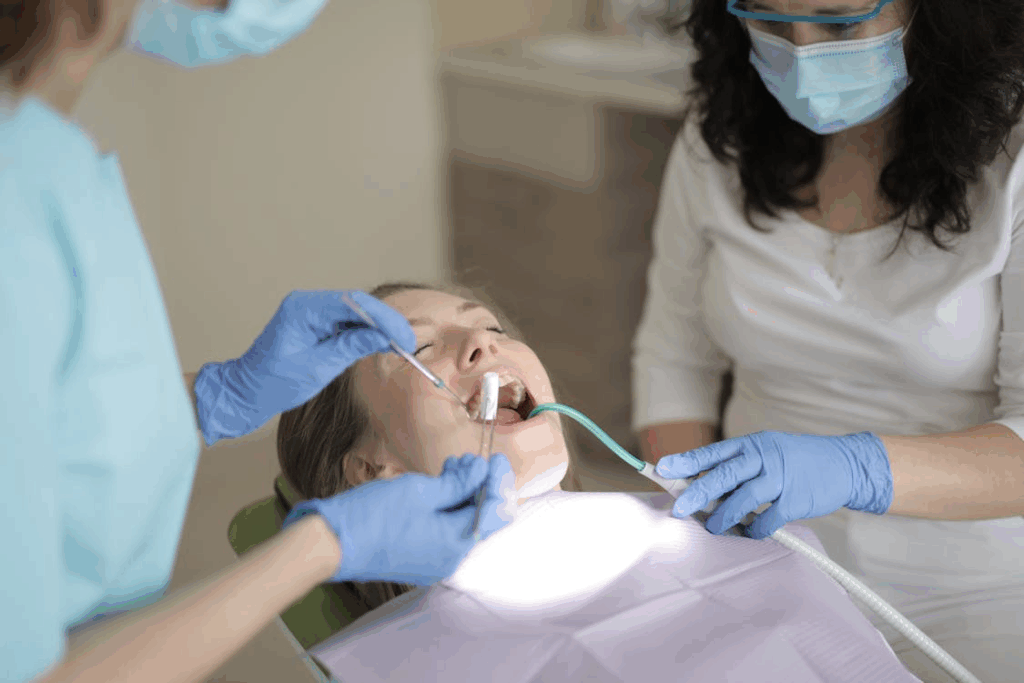
Your dentist will do an exam and likely take an X-ray. You’ll leave with a clear plan to get you out of pain — and back to normal.
Long-Term Outlook and Recovery
The good news? With treatment, your tooth can recover beautifully.
Healing Timeline After Treatment
Fillings and crowns heal quickly — often within a day or two. Root canals take a bit longer, but the pain relief is worth it.
How to Protect Your Teeth Moving Forward
Keep up with brushing, flossing, and regular checkups. Wear that night guard if you grind your teeth. Treat your teeth like royalty — they deserve it.
River’s Edge Dental: Compassionate Care for Tooth Pain and Emergencies
Dealing with an exposed tooth nerve is no picnic. Luckily, you don’t have to face it alone. River’s Edge Dental, led by Dr. AnnMarie Moshos, is your partner in protecting and restoring your smile.
You can find us at 136 Rocky River Rd A, Mooresville, NC 28115, United States. We’re typically open Monday through Thursday from 8:30 AM to 4:30 PM. We are closed on Saturdays and Sundays.
Whether you need a routine cleaning or urgent care for severe tooth pain, our team delivers top-notch care in a welcoming atmosphere.
Schedule Your Appointment Today
Don’t let tooth pain take over your life. River’s Edge Dental proudly serves patients in Charlotte, Rock Hill, Fort Mill, and surrounding areas.
Ready to reclaim your healthy smile? Call River’s Edge Dental today — we’re here to help you every step of the way.
Conclusion
An exposed tooth nerve is painful, but the right care can fix it. With a River’s Edge Dental’s good dentist and smart prevention, you can keep your nerves where they belong — safely tucked away.
Frequently Asked Questions
Can an exposed tooth nerve heal on its own?
Sadly, no. Professional treatment is needed to prevent infection and further damage.
How do I sleep with an exposed tooth nerve?
Use a cold compress, elevate your head, and take pain relief medication as advised until you see a dentist.
Is an exposed tooth nerve considered a dental emergency?
Yes! It can lead to infections and abscesses if untreated. Call your dentist right away.
What foods should I avoid if I have an exposed nerve?
Stay away from hot, cold, sugary, or crunchy foods. Stick to soft, room-temperature meals.
How much does it cost to fix an exposed tooth nerve?
It depends on the treatment. Fillings are less expensive, while root canals and crowns cost more — check your insurance coverage.