Preparing for a stress-free first dental visit appointment
Walking into a dental office for the first time can feel intimidating, especially if it’s been years since your last checkup or you’ve never had a comprehensive dental exam. Yet a well-planned first dental visit appointment lays the foundation for lasting oral health. When you understand what happens at each stage—from the paperwork and consultation to the gentle exam and personalized treatment plan—you’ll arrive feeling confident and in control of your care.
Your first dental visit is not just about checking for cavities. It’s an opportunity to establish a relationship with your dentist, discuss your medical history, and create a roadmap for preventive care. Whether you schedule an initial dental consultation or a comprehensive dental evaluation, knowing what to expect helps you relax and focus on the benefits of starting your oral health journey on the right foot.
Prepare for your visit
Select the best time
Choosing the right appointment slot can make a big difference in how you feel on the day of your visit. Morning appointments are often recommended so you’re alert and fresh, with fewer chances for stress to build up throughout the day [1]. If you’re an adult with a busy schedule, look for a window that gives you time to arrive early, complete any forms, and settle in without rushing.
Complete paperwork in advance
Most practices let you download or fill out new-patient forms online before your new patient dental visit. Sharing your medical history, current medications, and any past dental experiences ahead of time speeds up check-in and gives the dental team a chance to review your records before you even walk through the door. You’ll spend less time in the waiting area and more time discussing concerns or questions that matter to you.
Understand the exam process
A smooth first dental visit appointment follows a clear sequence of steps, each focused on gathering information and assessing your oral health. Knowing what happens at every stage removes the fear of the unknown and helps you participate actively in your care. The table below outlines the typical timeline for an adult full dental exam appointment:
| Exam stage | Purpose | Time |
|---|---|---|
| Paperwork & history review | Confirm medical/dental history and concerns | 10–15 minutes |
| Oral examination | Inspect teeth, gums, bite, soft tissues | 15–20 minutes |
| Diagnostic imaging (if needed) | Spot hidden decay or bone issues | 5–10 minutes |
| Professional cleaning | Remove plaque, polish enamel | 10–15 minutes |
| Treatment planning | Discuss findings, next steps, preventive tips | 5–10 minutes |
Medical and dental history
At the start of your dentist new patient visit, you’ll review your health questionnaire with the hygienist or dentist. This step uncovers factors like diabetes, heart conditions, or medications that can influence your oral health plan. Open communication here ensures your full mouth dental evaluation reflects your overall well-being.
Comprehensive oral assessment
Next comes a head-to-toe check of your mouth. Your dentist inspects each tooth for signs of cavities, examines gum tissue for inflammation or recession, and evaluates your bite alignment. They’ll also look for early warning signs of oral cancer by examining cheeks, tongue, and throat lining. A complete oral health assessment at this stage establishes a baseline for tracking changes over time.
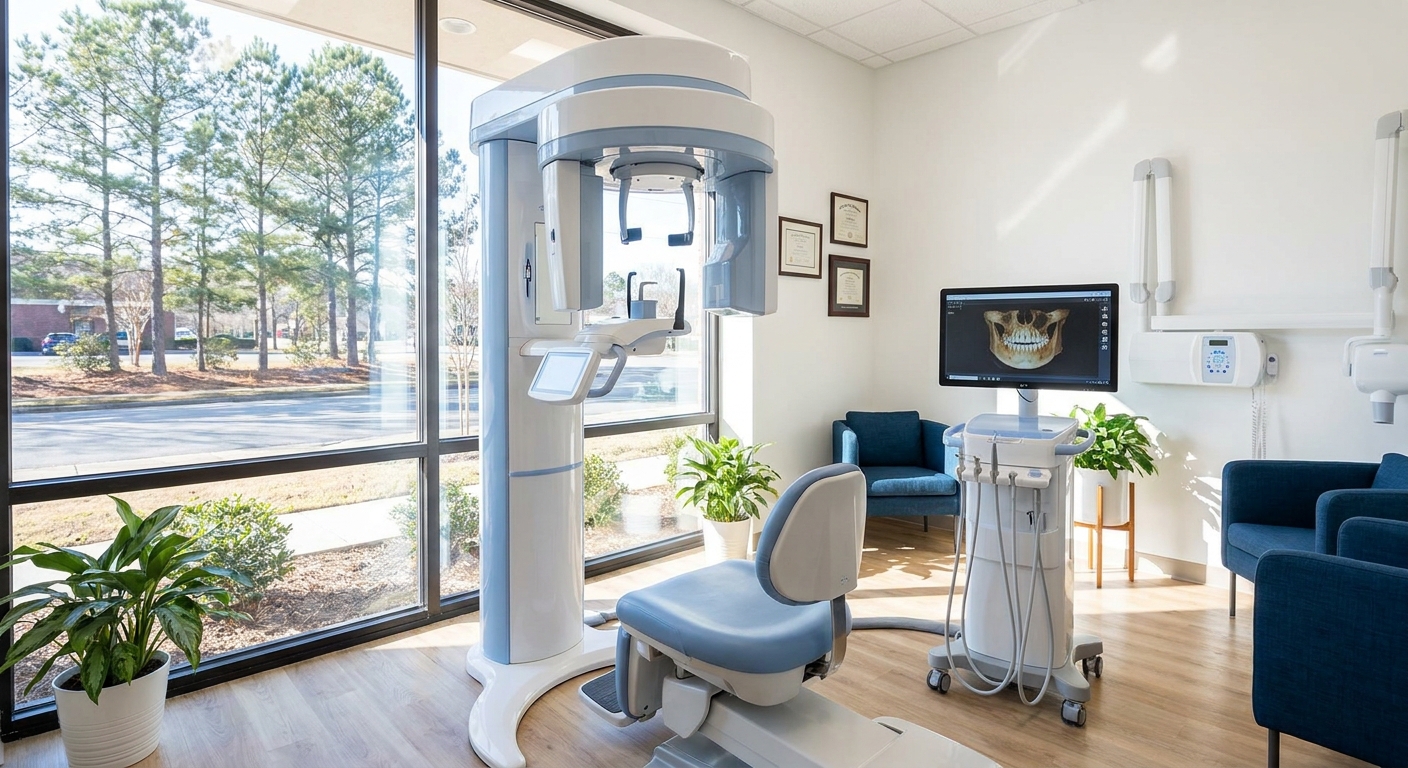
Diagnostic imaging and X-rays
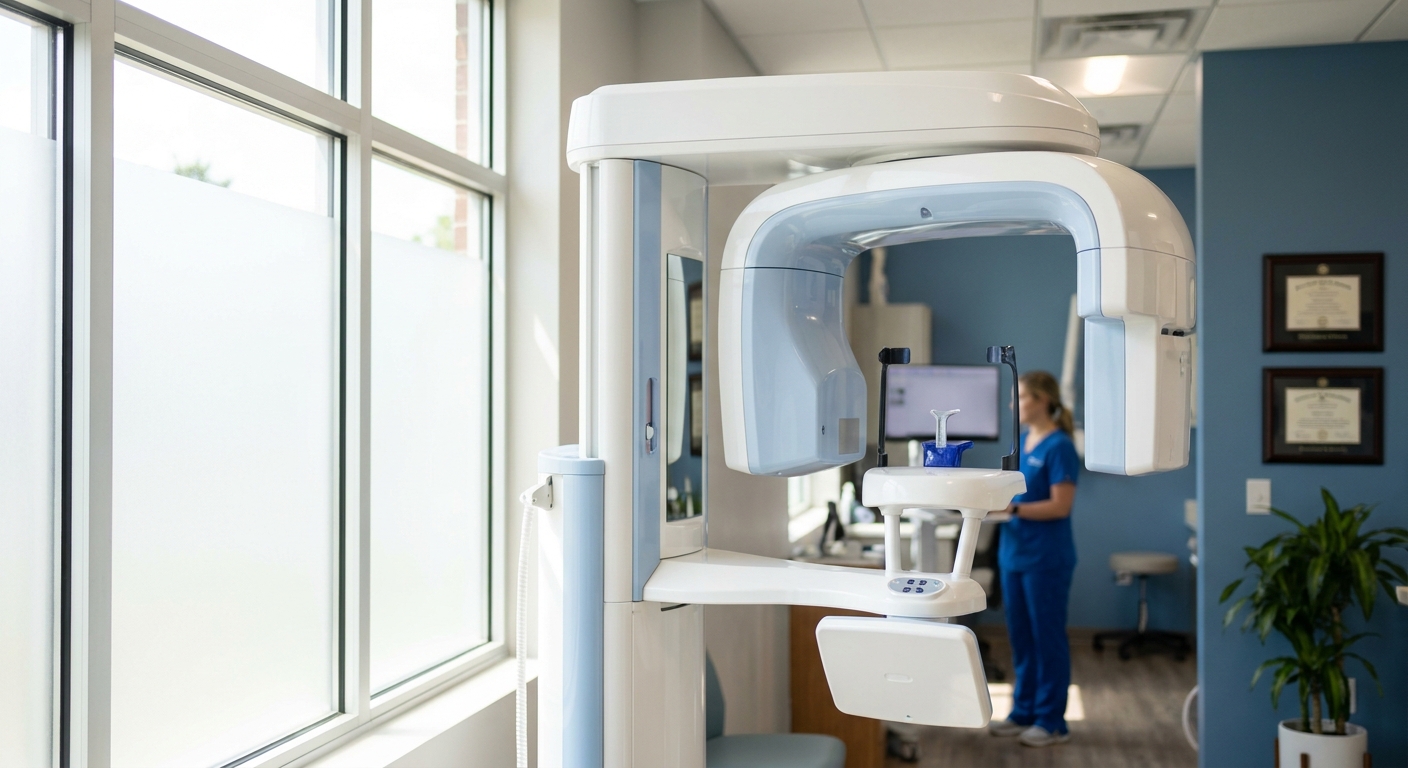
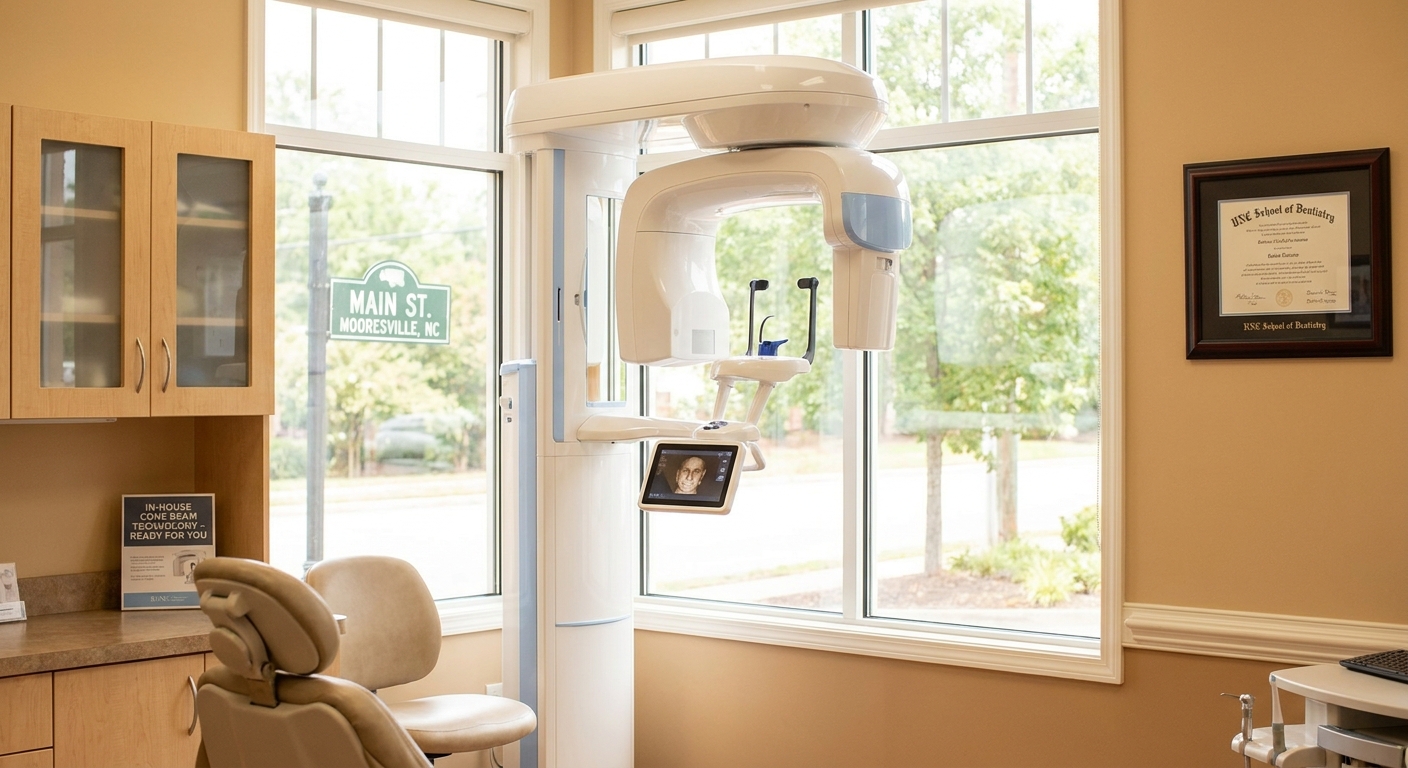
While adults generally avoid unnecessary X-rays, your dentist may recommend them to diagnose issues not visible to the naked eye, such as decay between teeth or bone loss under the gum line [1]. Modern digital imaging keeps exposure minimal and produces detailed views in seconds.
Professional cleaning
If your exam shows plaque or tartar buildup, a hygienist will perform a gentle cleaning, removing stubborn deposits above and below the gum line. Polishing follows, leaving your teeth smooth and free of surface stains. This preventive step reduces your risk of gum disease and ensures your mouth feels fresh.
Tailor your treatment plan
Once your dentist compiles findings from the exam and any imaging, they’ll craft a personalized treatment plan. This goes beyond just filling cavities—it’s a roadmap for maintaining or improving your oral health over time. Your plan may include:
• Preventive strategies such as fluoride treatments or dental sealants
• Recommendations for improving brushing and flossing techniques
• Advice on dietary changes to reduce acid and sugar exposure
• Scheduling of follow-up visits for restorative work or advanced care
Every suggestion will be tailored to your lifestyle, budget, and comfort level. If you need to prioritize certain procedures, your dentist can sequence treatments to fit your schedule and financial plan. This collaboration transforms your complete oral health exam from a one-time checkup into the start of an ongoing partnership.
Reduce visit anxiety
Even with a clear process, nerves can play a role. Use these tips to stay calm and confident during your first dental visit appointment:
- Communicate openly with your dentist, sharing any concerns or past anxieties
- Bring a friend or family member for moral support
- Practice relaxation techniques such as deep breathing or visualization before entering the office
- Ask for breaks during longer procedures to stretch or hydrate
- Consider listening to calming music or an audiobook with headphones
When you feel heard and in control, the entire experience becomes more positive. Many practices also offer amenities like blankets, noise-canceling headphones, or virtual reality headsets to help you relax.
Schedule your follow-up care
Your initial exam and treatment plan pave the way for ongoing care. Most patients benefit from routine dental checkup appointments every six months [1]. These visits allow your dentist to monitor progress, address new concerns early, and reinforce healthy habits.
During your follow-up visits—for example, a preventive dental exam appointment or a routine dental checkup appointment—you’ll revisit key steps: updating your health history, inspecting teeth and gums, cleaning, and reviewing home care. This regular cycle keeps minor issues from becoming major ones and strengthens the relationship you’ve begun with your dental team.
If you’re ready to take control of your oral health, schedule dental exam today. Whether you’re looking for a general dentist appointment or you need a new patient dental exam, early action ensures you’ll head off problems before they start.
Conclusion
A stress-free first dental visit appointment is all about preparation, clear communication, and partnering with a dentist who listens to your needs. From downloading forms in advance to understanding each exam stage and tailoring your treatment plan, every step helps you feel empowered rather than anxious. When you establish care with a dentist committed to transparency and comfort, you set yourself up for years of confident smiles and optimal oral health.