Detecting a fractured tooth early can save you pain, time, and expense. You might notice a sudden twinge when biting into something hard or feel a lingering sensitivity to cold drinks. These symptoms often point to cracks or breaks that won’t heal on their own, making a fractured tooth dentist appointment essential.
Ignoring these warning signs can allow bacteria to invade the pulp chamber, increasing your risk of abscess and more invasive procedures later on [1]. Prompt evaluation by a professional helps preserve your natural tooth structure and avoid costly restorative work down the line.
Recognizing when to schedule a fractured tooth dentist appointment now is the first step toward maintaining your oral health. Whether the damage stems from grinding teeth, an accidental injury, or age-related wear, knowing what to watch for empowers you to act before the problem worsens.
In this guide, you’ll learn the top signs that warrant immediate dental evaluation and what to expect during your visit.
Recognize warning signs
Pain and sensitivity
Sharp, intermittent spikes of pain when you bite or chew are classic indicators of a tooth crack. You may find that the discomfort comes and goes, making it difficult to pinpoint the exact tooth at first. Sometimes the pain intensifies with pressure and then subsides once you release your bite. Temperature changes—such as sipping hot coffee or enjoying ice cream—can also trigger a sudden ache. Over time, these episodes may become more frequent or last longer, signaling progression of the crack. Don’t ignore slight but persistent sensitivity.
Persistent tooth pain never improves on its own.
Visual cues
A close look in the mirror can reveal fine lines called craze lines, surface chips, or more obvious splits running from the biting surface toward the gum line. Discoloration along a visible crack—dark streaks or white flecks—often accompanies structural damage. You might feel a rough or jagged edge on the tooth with your tongue or lip. In some cases, a fragment of enamel or dentin may detach entirely, leaving a small pit or notch. Even minor chips can compromise the integrity of adjacent enamel and enamel wear.
Changes in bite
If your bite suddenly feels uneven or “off,” it could indicate that a portion of your tooth has shifted. You may notice that food gets trapped more easily between certain teeth, or that chewing feels uncomfortable on one side. These alterations often stem from a fractured cusp or a split that subtly changes how your teeth meet. Over time, this imbalance can strain your jaw joints and lead to muscle soreness. If chewing begins to hurt, it’s time to seek professional assessment—don’t wait for the pain to worsen.
Understand fracture severity
Assessing how deep and extensive a fracture is helps your dentist determine the right treatment. Dentists classify fractured teeth into five categories based on crack depth and location, with each type carrying its own risks and repair strategies. Superficial lines confined to enamel differ dramatically from cracks that extend into the pulp or root. As cracks progress through protective layers, the chance of bacterial invasion and pulp infection rises sharply. Early diagnosis of the fracture type can prevent the need for complex treatments like root canal therapy or extraction.
Classification of tooth fractures [1]:
| Fracture category | Description |
|---|---|
| Craze lines | Superficial enamel cracks, usually painless, often from normal wear |
| Fractured cusp | Enamel break around a filling or cusp tip, may cause sensitivity but minimal pain |
| Cracked tooth | Crack extends from chewing surface toward root, causes intermittent pain when chewing |
| Split tooth | Complete separation of tooth segments, requires extensive restoration or extraction |
| Vertical root fracture | Crack begins near root and extends upward, often undetectable until pain or infection occurs |
Your dentist will review this classification when planning your treatment.
Learn evaluation methods
Clinical examination
During a physical exam, your dentist inspects each tooth under bright light, often using magnification and specialized explorers to detect fine cracks. You might be asked to bite on a small instrument designed to apply gentle, controlled pressure, helping pinpoint pain sources. Dye can be applied to reveal cracks more clearly and highlight enamel discontinuities. Examination also includes assessment of surrounding gum tissue for swelling or redness that could signal infection. This one-on-one evaluation forms the foundation of any subsequent imaging or intervention.
Diagnostic imaging
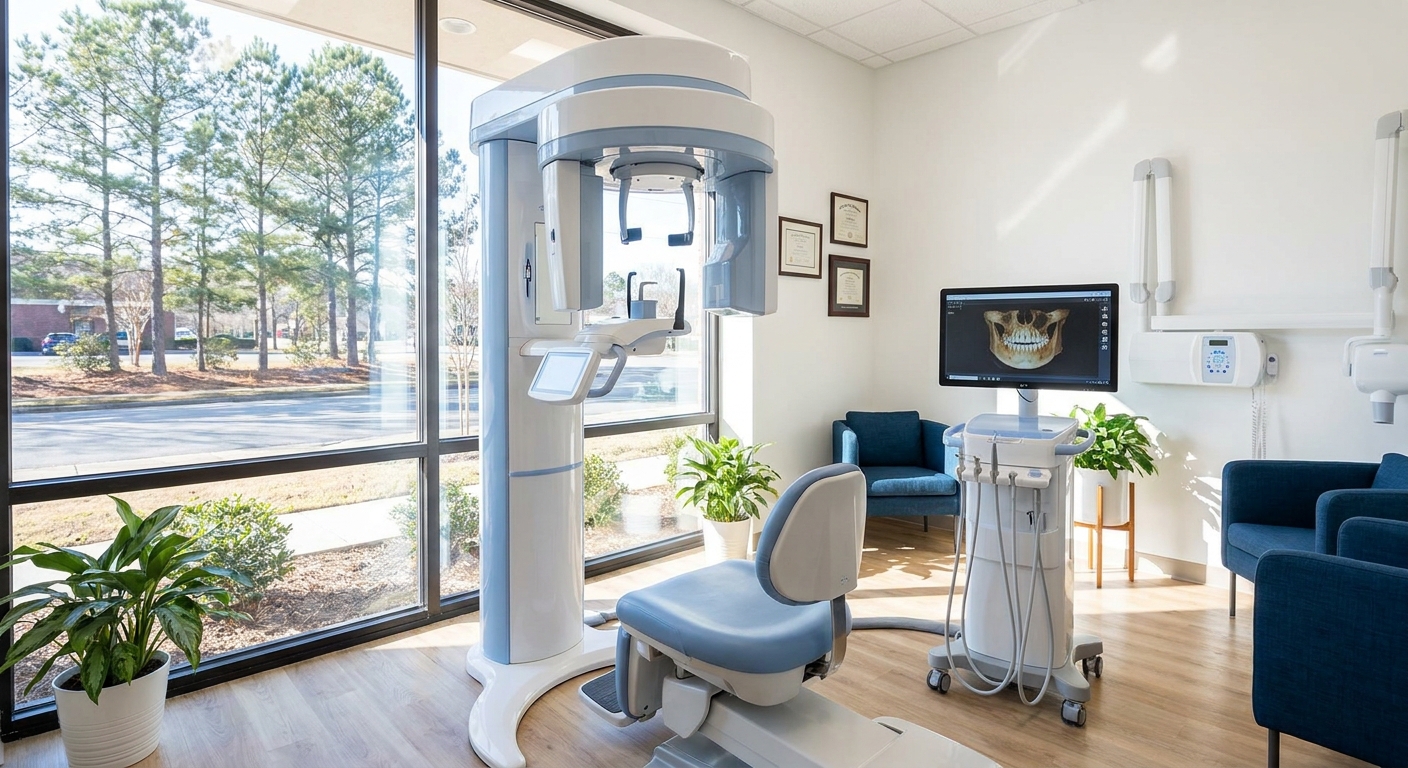
X-rays remain crucial for seeing fractures that extend beyond enamel, although microscopic cracks sometimes evade initial detection. Periapical radiographs and bitewing images can show hairline splits that reach the pulp chamber or root surface. In complex cases, your dentist may recommend cone beam computed tomography (CBCT) to obtain 3D views of tooth structure and surrounding bone. This advanced imaging uncovers vertical root fractures and assesses bone loss or abscess formation. Accurate imaging ensures your dentist chooses the most conservative yet effective treatment path.
Specialist referrals
If examination and imaging suggest the crack involves the pulp or root, referral to an endodontist or restorative specialist may follow. Endodontists use microscopes to visualize minute splits and perform root canal therapy under high magnification. Restorative dentists apply techniques like onlays and crowns to rebuild strength and function when enamel and dentin have been compromised. Collaborating with these specialists ensures you receive targeted care, reducing the risk of re-fracture or further structural failure [2].
Explore treatment options
Minor crack repairs
Small craze lines and superficial enamel cracks often require no invasive work, but your dentist may apply a bonding agent or sealant to prevent further propagation. Composite resin fills can smooth out chips and restore the tooth’s natural contour in a single visit. For slightly deeper cracks that don’t reach the pulp, a dental veneer or inlay provides an aesthetic and durable solution. These minimally invasive treatments strengthen the tooth surface and block bacterial entry. Addressing minor cracks promptly helps you avoid more extensive procedures later [3].
Advanced restorative care
When fractures extend into the pulp chamber or cross the gum line, more comprehensive treatment becomes necessary. Root canal therapy removes infected tissue and seals the canal, eliminating pain and preventing abscess formation. After endodontic work, a custom dental crown typically covers the tooth, restoring strength and protecting it from future damage. In cases of split tooth or vertical root fractures, extraction followed by dental implant placement may be the only viable option to preserve functionality. Your dentist for tooth fracture will recommend the optimal path based on the crack’s location and your oral health goals.
Prevent further damage
Home care strategies
Once a crack is identified, adopting gentle but effective oral care routines can slow its progression. Use a soft-bristled toothbrush and fluoride toothpaste formulated for sensitivity, brushing with light circular strokes rather than hard scrubbing. Floss daily to remove debris that could irritate the fracture line and foster bacterial growth. Rinsing with an antimicrobial mouthwash after meals helps keep the area clean without harsh abrasion. Combining these habits with routine dental check-ups ensures you catch changes early and maintain stable function.
Lifestyle modifications
Grinding or clenching habits—often occurring during sleep—exert excessive force on teeth and can worsen cracks over time. A custom nightguard distributes bite pressure evenly, protecting vulnerable enamel and dentin. Avoid chewing ice, hard candies, or popcorn kernels, and steer clear of opening packages with your teeth. If you participate in contact sports, wear a mouthguard to guard against trauma that could initiate new fractures. These practical adjustments complement professional treatments and help you preserve your natural teeth for years to come.
Prepare for your appointment
Questions to ask
Going into your visit informed helps you get the most out of your fractured tooth dentist appointment. Ask your dentist to explain the type and extent of the crack, including which layers of the tooth are affected. Inquire about all available treatment options and their pros and cons, such as cost, longevity, and potential need for follow-up care. Clarify whether a general dentist can handle your case or if a referral to a specialist is warranted. Don’t hesitate to discuss pain management strategies before, during, and after treatment.
What to expect
Your appointment will begin with a review of your dental history and symptoms—mention any pain triggers, frequency, and intensity. The clinical examination follows, complete with bite tests, visual inspection under magnification, and dye application if needed. Next comes imaging; whether X-rays or CBCT scans, these images guide your care plan. If a repair is feasible the same day, your dentist may proceed with bonding or temporary stabilization. More extensive restorations like crowns or root canal therapy will be scheduled in follow-up visits based on your comfort and schedule.
Taking these steps ensures you leave the office with a clear plan to restore and protect your tooth.
Your next move is simple: don’t wait for the crack to deepen. Schedule your fractured tooth dentist appointment today with a dentist for tooth fracture to safeguard your smile and your long-term dental health.