Why schedule a full dental exam appointment?
If you’re searching for a reliable way to protect your smile, a full dental exam appointment is your best starting point. This comprehensive assessment—sometimes called a dental checkup—combines a professional cleaning with a thorough inspection of teeth, gums, and bite to detect and prevent problems before they become painful or difficult to treat [1]. When you choose a full exam, you’re giving your dentist a complete overview of your oral health so they can recommend the right care for you.
Routine visits often include more than just scraping away plaque. Your dentist will review your medical history, evaluate risk factors like smoking or certain health conditions, and advise you on improving habits such as brushing and flossing. They may also adjust how frequently you need visits based on your personal risk profile, which could be more or less than the twice-a-year standard [2].
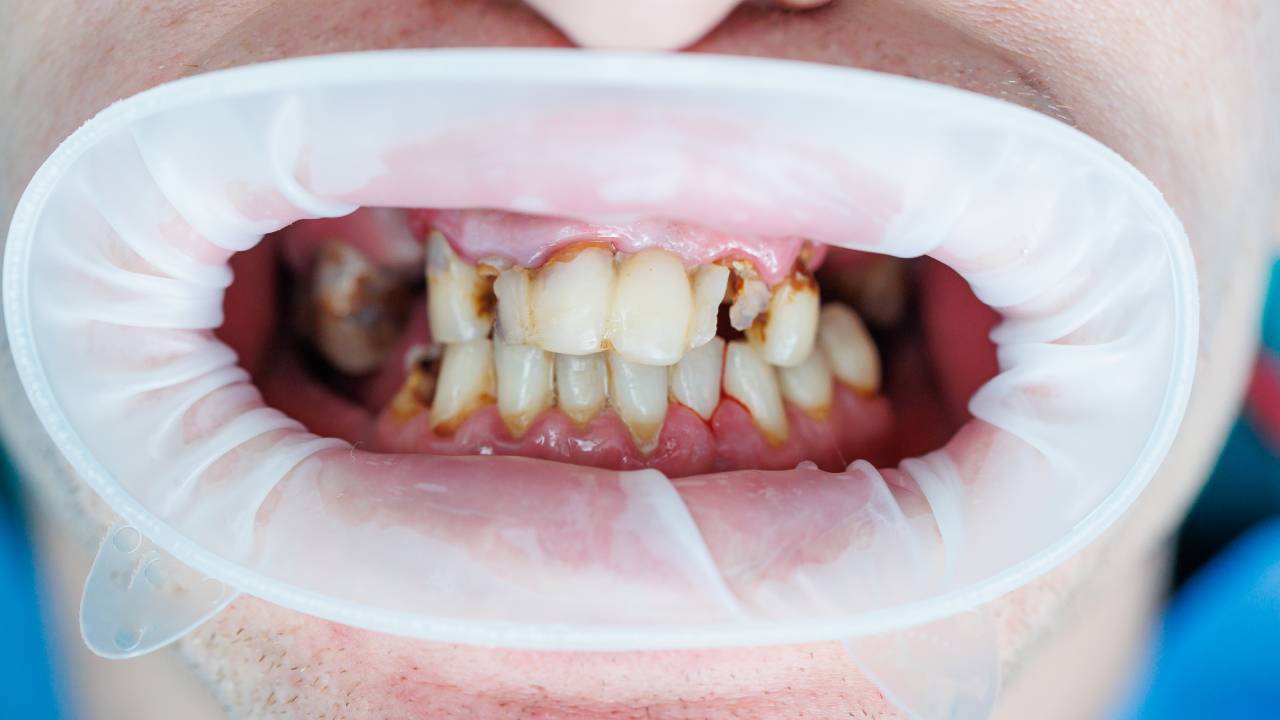
Even if you brush and floss diligently, some issues can lurk out of sight. Cavities hidden between teeth, early gum disease, or even signs of oral cancer may not cause symptoms until they require more extensive treatment. By scheduling a full dental exam appointment, you catch those silent threats early and avoid the stress and cost of emergency visits later on.
Connecting with a dentist new to your area or accepting new patients is easier than ever. Start by finding a dentist accepting new patients, then book a first dental visit appointment or new patient dental exam online. Your long-term oral health begins with that first comprehensive check.
Exam expectations at your visit
Before you walk through the door, it helps to know exactly what will happen during your full dental exam appointment. From paperwork to X-rays, each step serves a purpose in giving your dentist a clear picture of your oral health. Below is a quick overview of the key phases you’ll experience during a complete oral health exam:
| Phase | Description | Typical duration |
|---|---|---|
| Pre-appointment preparation | Paperwork, medical and dental history forms | 5–10 minutes |
| Health history review | Discussion of health factors, medications, lifestyle habits | 5–15 minutes |
| Oral examination and cleaning | Scaling, polishing, checking teeth, gums, and bite alignment | 30–40 minutes |
| Diagnostic imaging and screenings | X-rays or digital scans to detect hidden issues | 10–20 minutes |
Pre-appointment preparation
In the days before your visit, you may receive forms to fill out either online or in the office. These documents cover your medical history, current medications, and any dental concerns you’ve noticed. Filling them out thoroughly and honestly helps your dentist tailor the exam to your specific needs.
Gathering insurance information and previous dental records can streamline your appointment, minimizing wait times and ensuring your dentist has all the context they need. If you have dental anxiety or require special accommodations—like wheelchair access or sedation options—mention these when you schedule your visit.
Health history review
When you arrive, the hygienist or dentist will review your completed forms with you. They’ll ask questions about your general health—such as any heart conditions, diabetes, or allergies—as these can affect dental treatment. Lifestyle factors like tobacco use, diet, and stress also play a role in your oral health and influence recommendations for future care [2].
This discussion is more than a formality. It’s your opportunity to highlight symptoms like jaw pain, bleeding gums, or sensitivity. The more open you are, the more targeted your dental health assessment will be.
Oral examination and cleaning
Next comes the hands-on portion of your appointment. A dental hygienist will begin with scaling to remove plaque and tartar buildup, followed by polishing to smooth the tooth surfaces. Throughout this process, they’ll look for signs of gum inflammation, enamel wear, and any other visible issues.
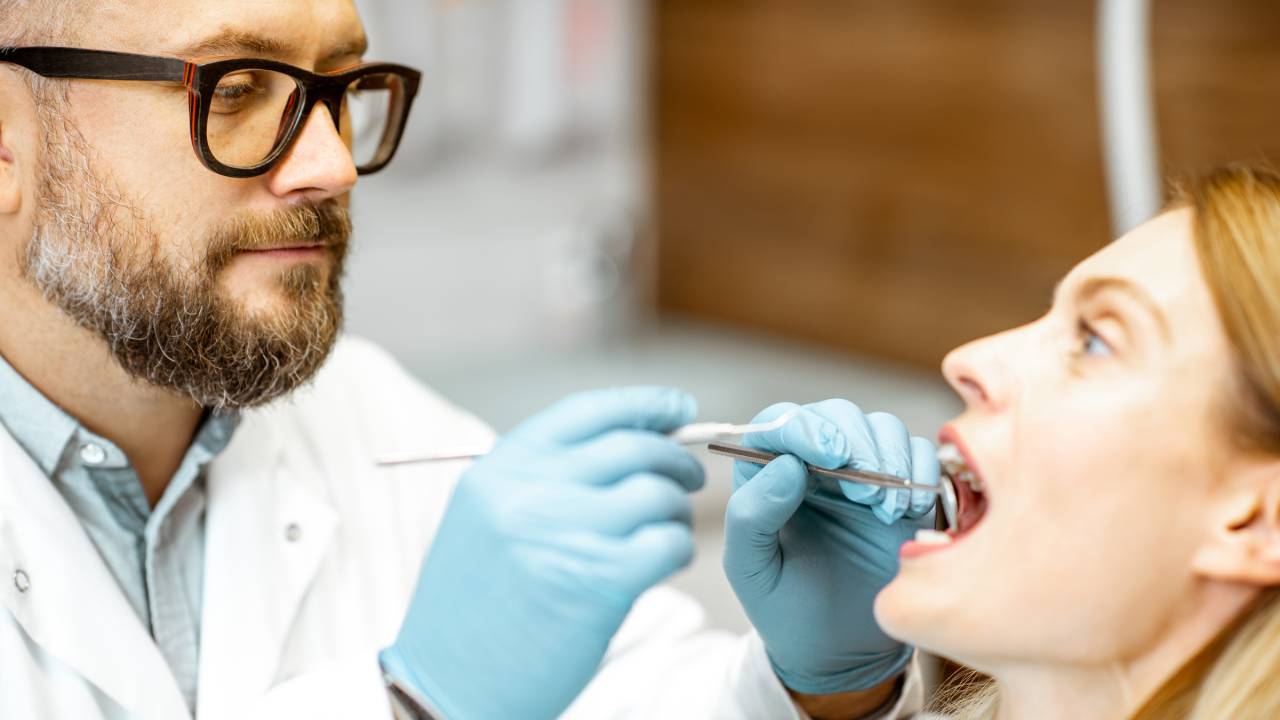
After cleaning, the dentist takes over to perform a detailed visual and physical exam. They assess your bite, check for loose or damaged restorations, and probe your gum pockets to measure their depth. This step is crucial for diagnosing gingivitis and periodontitis before they advance.
Diagnostic imaging and screenings
Depending on how long it’s been since your last X-rays, your dentist may take digital images of your teeth and jawbone. These scans reveal hidden problems—like cavities between teeth, bone loss from gum disease, or impacted wisdom teeth—that can’t be seen with the naked eye.
Oral cancer screening is often included in this phase, with the dentist examining soft tissues for unusual lesions or discolorations. If anything suspicious arises, you’ll discuss next steps immediately to ensure prompt care.
Key benefits of regular exams
Making full dental exam appointments a routine part of your schedule pays dividends far beyond a sparkling smile. Here are four powerful advantages you gain when you commit to regular exams:
Early problem detection
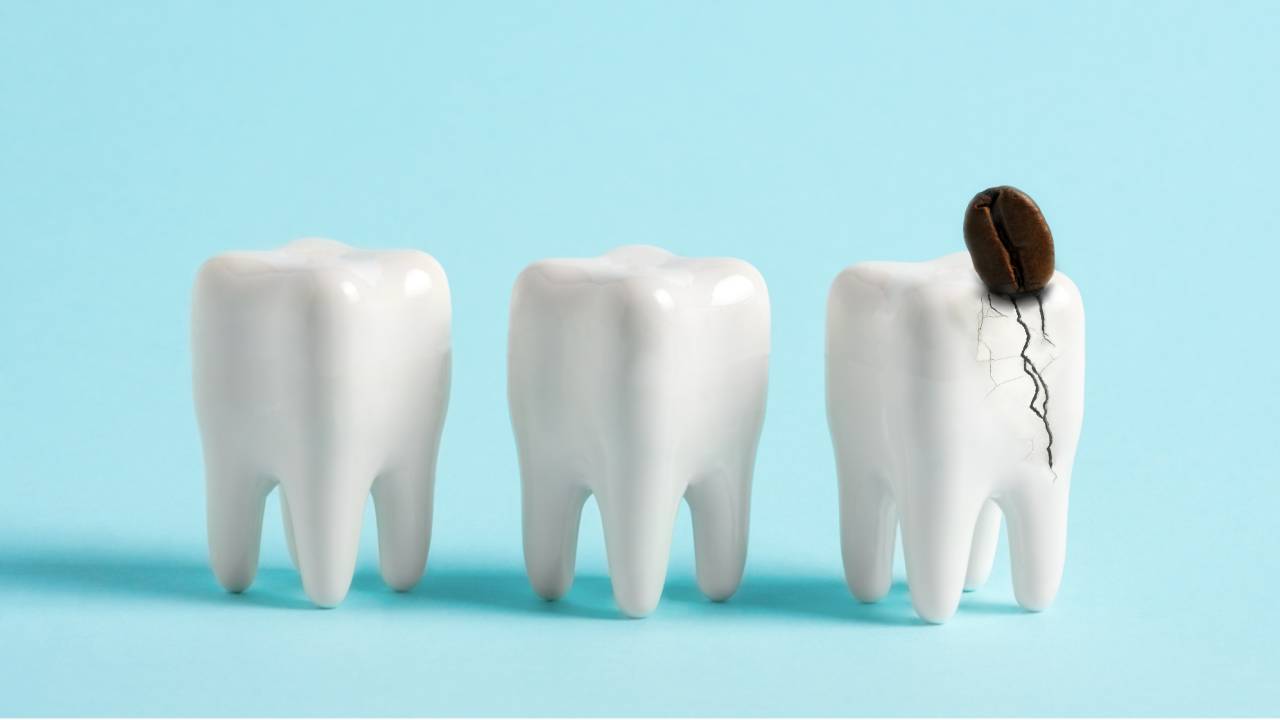
Finding issues in their earliest stages dramatically improves treatment outcomes. Small cavities can be treated with simple fillings before they expand into root canals. Slight gum inflammation can be addressed with a professional cleaning rather than extensive periodontal therapy. Regular full dental exam appointments have been shown to reduce the number of decayed teeth and extractions in children and decrease tooth loss in adults [1]. Early detection saves both time and money.
Preventive care guidance
During your appointment, your dentist won’t just treat existing problems—they’ll also coach you on preventing new ones. You’ll learn techniques like gentle circular brushing, proper flossing tools, and effective mouth rinse use. Personalized advice on dietary choices and habits that stain or erode enamel empowers you to take control of your oral health between visits.
Cost savings over time
It might seem counterintuitive, but investing in routine exams can reduce your overall dental expenses. Preventive visits are typically covered at 80–100% by insurance plans for two exams per year [2]. By preventing major issues—like root canals, implants, or extractions—you avoid higher out-of-pocket costs and emergency fees down the road.
Peace of mind and confidence
Knowing that a professional has given your mouth a clean bill of health is a powerful stress reliever. You won’t spend nights worrying about hidden cavities or advanced gum disease. Instead, you’ll walk away from each routine dental checkup appointment with clear next steps and the confidence that you’re on track to preserve a healthy, attractive smile.
Developing personalized treatment plans
A full dental exam appointment is only as valuable as the action plan that follows. Once your dentist has completed the exam, cleaning, and imaging, they’ll synthesize all the data to create a customized treatment roadmap just for you. This individualized plan may include:
• Tailored recall schedules, ensuring you return at the ideal frequency for your risk profile
• Preventive treatments such as fluoride varnish or dental sealants to protect vulnerable surfaces
• Restorative procedures, ranging from simple fillings to more complex crowns or bridges
• Referrals to specialists, like periodontists for gum therapy or orthodontists for alignment issues
Every recommendation ties back to the findings from your comprehensive dental evaluation. If you have co-occurring health conditions—such as diabetes or Sjogren’s Syndrome—your dentist may integrate your medical providers into the conversation. Tools like Delta Dental’s LifeSmile Score™ risk assessment offer additional data that refine your new patient dental visit plan [2].
By respecting your goals—whether you’re focused on cosmetic enhancements, basic preventive care, or managing chronic oral health issues—this treatment strategy becomes a collaborative blueprint rather than a one-size-fits-all prescription.
Addressing common concerns
Even with all these advantages, you might still have reservations about full dental exam appointments. Below are some of the most frequent worries and how to overcome them.
Managing dental anxiety
Dental fear affects an estimated 20% of U.S. adults, often preventing them from seeking routine care [3]. If the thought of an exam makes your heart race or your palms sweat, speak up. Many practices offer gentle sedation, noise-cancelling headphones, or breaks between procedures. Bringing a friend for moral support or practicing relaxation techniques beforehand can also make a significant difference.
Understanding cost and insurance
Your out-of-pocket expense depends on your dental plan and the treatments performed. Most insurance covers two oral health exams per calendar year, including cleanings, at little or no cost to you [2]. For services beyond the routine exam—like fillings, X-rays, or specialty referrals—you may have copays or deductibles. Don’t hesitate to discuss payment plans or financing options with your provider.
X-ray safety
Modern digital X-rays use very low radiation doses, comparable to natural background exposure over a day or two. They are safe for the vast majority of patients. The only common exception is during pregnancy, when X-rays are avoided unless there is an active emergency [4]. Rest assured, your dental team follows strict guidelines to minimize exposure while gathering critical diagnostic information.
Planning your next steps
After your full dental exam appointment, you’ll receive a clear summary of findings and recommended follow-up actions. These might include scheduling specialist visits, adjusting your home-care routine, or signing up for preventive treatments. You and your dentist will agree on the ideal timeline for your next preventive dental exam appointment or any specialty visits, such as gum therapy or orthodontic evaluation.
If you’re establishing ongoing care, ask about how to establish care with a dentist and set up reminders for future visits. Your dentist can also provide at-home care tips, referral letters for specialists, and links to helpful resources on diet, quitting tobacco, or handling sensitivity. By following this plan, you maintain momentum between visits and maximize the return on your investment in oral health.
Scheduling your full dental exam appointment
Scheduling your next exam is straightforward. Many dental offices offer online portals where you can book your general dentist appointment in just a few clicks. If you prefer a personal touch, a quick call to the front desk lets you ask questions about insurance, available time slots, or any special accommodations you need.
Don’t let another month slip by. If you haven’t seen a dentist in over a year or have new concerns—like tooth pain or bleeding gums—book a new patient dental exam today. Your smile deserves the attention it needs to stay healthy and bright.
Schedule your full dental exam appointment now and take the first step toward a lifetime of confident oral health.
Schedule your dental exam today