Starting your dental care journey with a full mouth dental evaluation lays a strong foundation for lasting oral health. This comprehensive oral exam goes beyond a quick checkup, offering insights into every corner of your mouth, including teeth, gums, bite alignment, and jaw function. By choosing a thorough assessment, you’ll understand your current oral health, catch hidden issues early, and work with your dentist to develop a treatment plan tailored to your needs.
Your confidence in eating, speaking, and smiling hinges on a healthy bite and well-maintained tissues. A full mouth dental evaluation gives you that confidence, ensuring nothing is overlooked. As you read on, you’ll learn what to expect, how diagnostics work, and why this exam is essential for long-term care.
Your evaluation steps
Before you sit in the dental chair, a few administrative tasks ensure your appointment runs smoothly. Arriving prepared helps you and your provider make the most of your time together.
Scheduling and paperwork
When you request a first dental visit appointment, the front-desk team will guide you through insurance details, payment options, and any required forms. Completing these ahead of time lets you focus on your oral health rather than filling out paperwork in the waiting room.
History and consultation
Next, you’ll meet your dentist or hygienist for an initial dental consultation. This one-on-one conversation covers your medical history, past dental experiences, current concerns, and lifestyle habits. Sharing details like medications, chronic conditions, and dietary habits helps your provider spot risk factors and tailor the exam.
Physical examination
Once you’re settled in the operatory, your dentist will perform a hands-on check of your mouth. They’ll look for visible signs of decay, wear, or damage, and assess gum health with gentle probing. This tactile inspection reveals what can be seen and felt, but it’s just the beginning of a truly comprehensive evaluation.
Key diagnostic components
A full mouth dental evaluation uses multiple tools and techniques to uncover hidden issues and build a complete picture of your oral health. Here are the core diagnostics your dentist will employ.
Visual dental inspection
Your dentist sweeps a bright light across every surface of your teeth and gums, looking for discoloration, cracks, or plaque buildup. This visual scan can identify cavities at early stages, worn enamel, or areas where your brushing technique may need improvement. It’s the simplest yet most indispensable part of any dental health assessment.
X-ray imaging
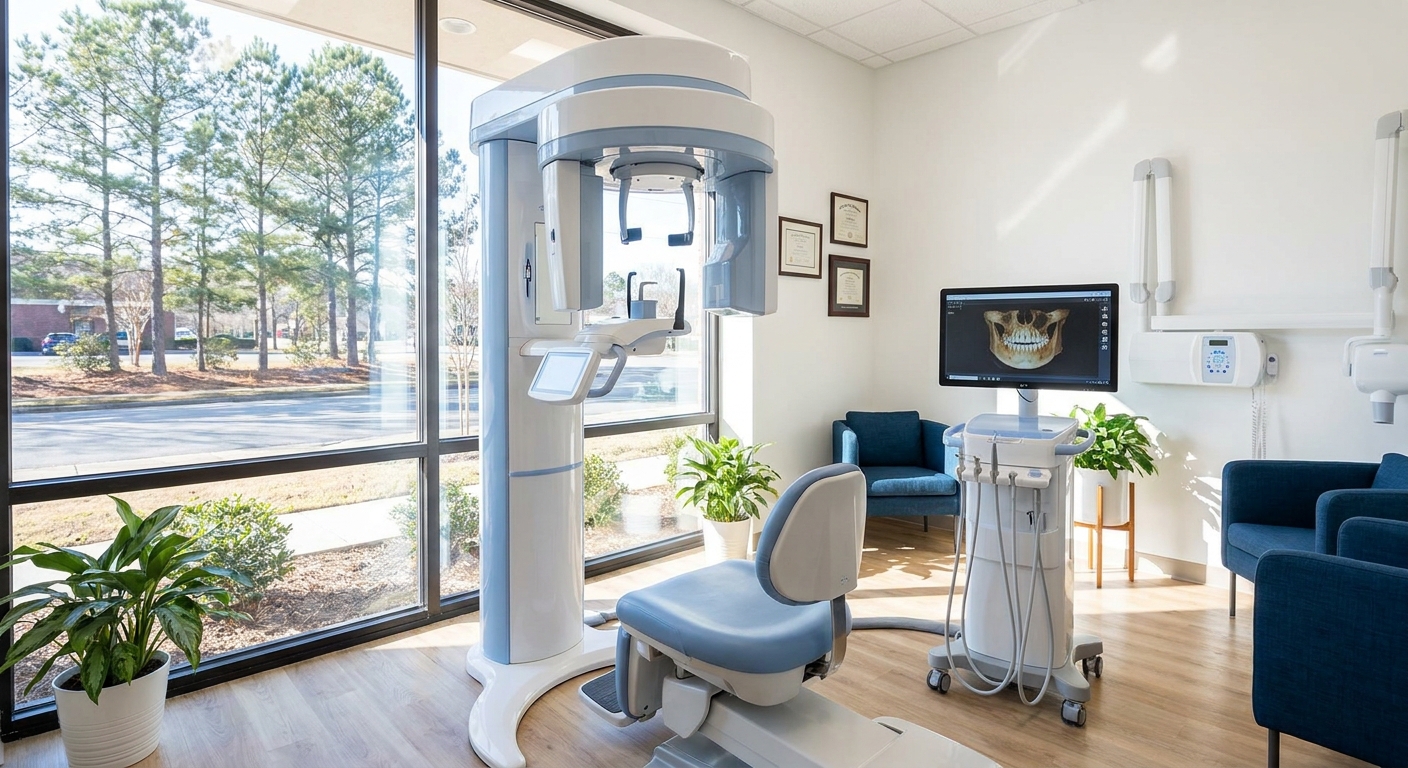
Digital X-rays reveal problems lurking beneath the surface, such as decay between teeth, bone loss, or impacted teeth. By capturing detailed images, X-rays enable accurate diagnosis of issues invisible to the naked eye [1]. Whether it’s bitewing images for cavities or a full-mouth series for jaw structure, these scans are critical for a full picture.
Periodontal evaluation
Gum disease can progress silently, causing damage long before you feel any pain. During a periodontal exam, your dentist gently measures the depth of gum pockets around each tooth. Deeper pockets may signal gingivitis or periodontitis, requiring targeted treatment. Comprehensive oral exams detect these early signs not just to protect your smile but also to safeguard your overall health [1].
Bite and TMJ check
Your jaw’s alignment and joint function influence everything from chewing comfort to facial pain. A full mouth exam includes an occlusion evaluation and a TMJ check to spot bite misalignment, clicking, or discomfort [2]. Correcting these issues early can prevent uneven tooth wear, headaches, and muscle strain.
Oral cancer screening
Oral cancer screening is a critical component of the exam, involving a careful inspection of your lips, tongue, cheeks, and throat for abnormal tissues. This quick, painless check can potentially save lives by catching early warning signs [3]. Even if you feel healthy, this screening is an essential safety net.
Crafting your treatment plan
After diagnostics, your dentist analyzes the findings and outlines next steps. A full mouth dental evaluation is not just about identifying problems—it’s about creating a roadmap for healthier teeth and gums.
Individualized recommendations
Every mouth is unique, so your treatment plan reflects your specific needs and goals. Whether you require a deep cleaning to address gum disease or orthodontic adjustments to correct your bite, your dentist prioritizes interventions that deliver the greatest long-term benefit. A comprehensive exam at Union Dental Health, for example, forms the basis for combining multiple procedures to restore harmony between teeth, gums, and jaw joints [4].
Preventive and restorative care
Your plan may include preventive measures—like professional cleanings, fluoride treatments, or sealants—to stop decay before it starts. If you have existing damage, restorative options such as fillings, crowns, or implants can bring back function and aesthetics. By addressing issues in a single, coordinated sequence, you avoid piecemeal treatment and enjoy a more efficient path to oral wellness.
Benefits of evaluation
Investing in a full mouth dental evaluation pays dividends well beyond a single appointment. The insights you gain support better health today and far into the future.
Functional improvements
Patients often report significant enhancements in chewing, speaking, and oral hygiene after a thorough evaluation and follow-up treatment. Reconstructing your bite reduces strain on jaw muscles and joints, enabling you to eat comfortably and maintain healthy habits with ease [4].
Preventive advantages
By detecting small cavities, gum inflammation, or early TMJ issues before they escalate, you avoid complex and costly procedures later. A detailed evaluation creates a proactive approach to care, focusing on prevention rather than reaction.
Long-term cost savings
Although a full mouth dental evaluation requires time and resources upfront, it often proves more cost-effective than addressing problems individually as they arise [4]. Consolidating diagnostics and treatments reduces repeat visits and unexpected expenses, making comprehensive care a strategic investment.
Exam frequency guidelines
Keeping your evaluation up to date ensures ongoing protection. While your dentist tailors the schedule to your needs, general recommendations include:
| Patient profile | Recommended frequency |
|---|---|
| Good oral health | Every six months |
| History of gum disease | Every three to four months |
| Oral cancer risk factors | Every six months |
| Orthodontic or TMJ concerns | Every three to six months |
Routine six-month exams catch problems early and reinforce healthy habits, while patients with specific risks may need more frequent monitoring [5].
Preparing for your visit
You play a key role in maximizing your full mouth dental evaluation. A few simple steps ensure you arrive ready to get the most from your appointment:
- Verify your insurance coverage and bring cards or payment information
- Compile a list of medications, supplements, and any recent health changes
- Note questions or concerns you want to discuss
- Arrive a few minutes early to complete any remaining forms
These preparations let you focus on the exam itself and ensure your dentist has all the context needed to personalize your care.
Schedule your evaluation
Taking charge of your oral health starts with one click or phone call. If you’re looking for a dentist accepting new patients, consider booking a dentist new patient visit or preventive dental exam appointment today. A full mouth dental evaluation is the first step toward a confident smile and a lifetime of wellness. Don’t wait—schedule dental exam today and invest in your smile.