As someone missing one or more teeth, you may notice changes in your chewing, speech, and smile. Beyond the visible gap, underlying jawbone can deteriorate and remaining teeth may drift into open spaces, creating misalignment and uneven wear. Restoring function goes beyond replacing a tooth. It means rebuilding the foundation that supports healthy chewing, clear speech, and confident social interactions.
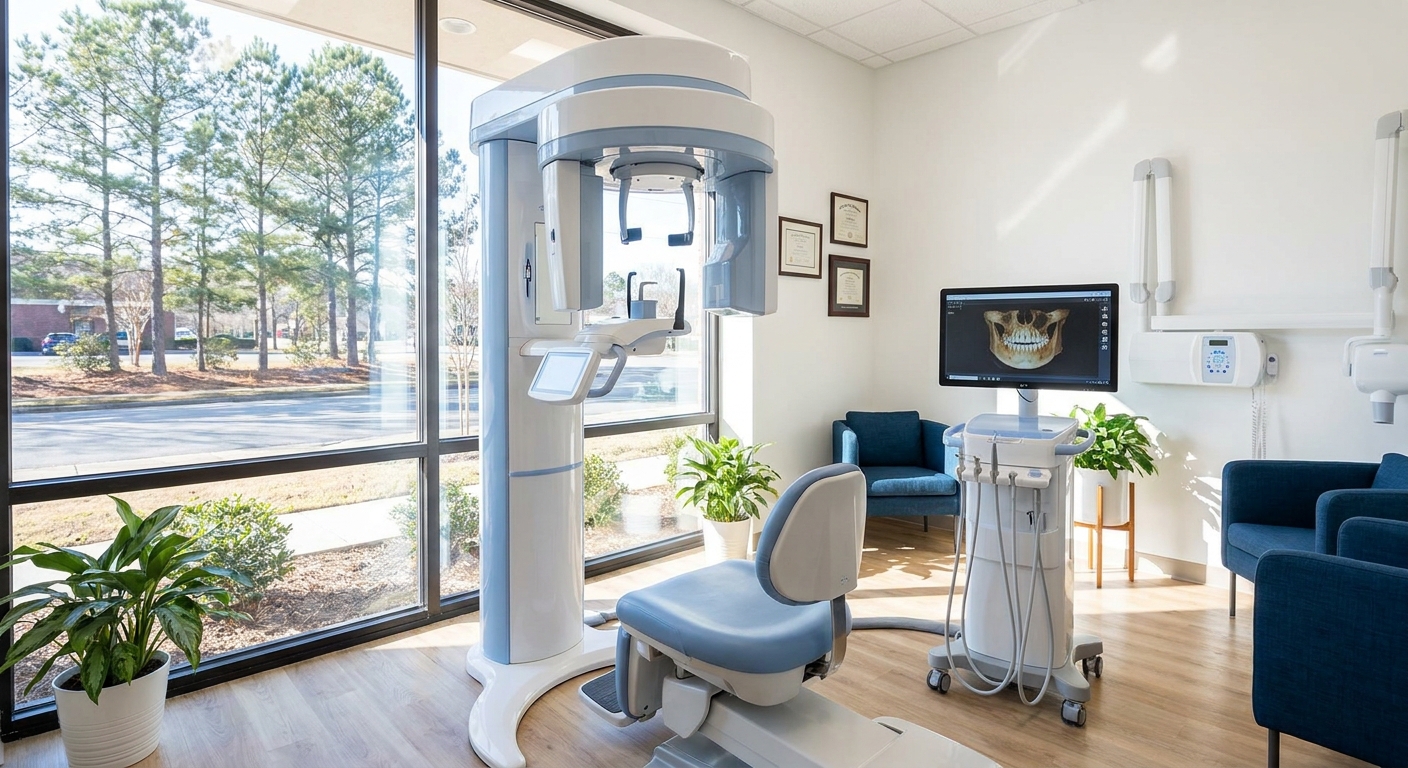
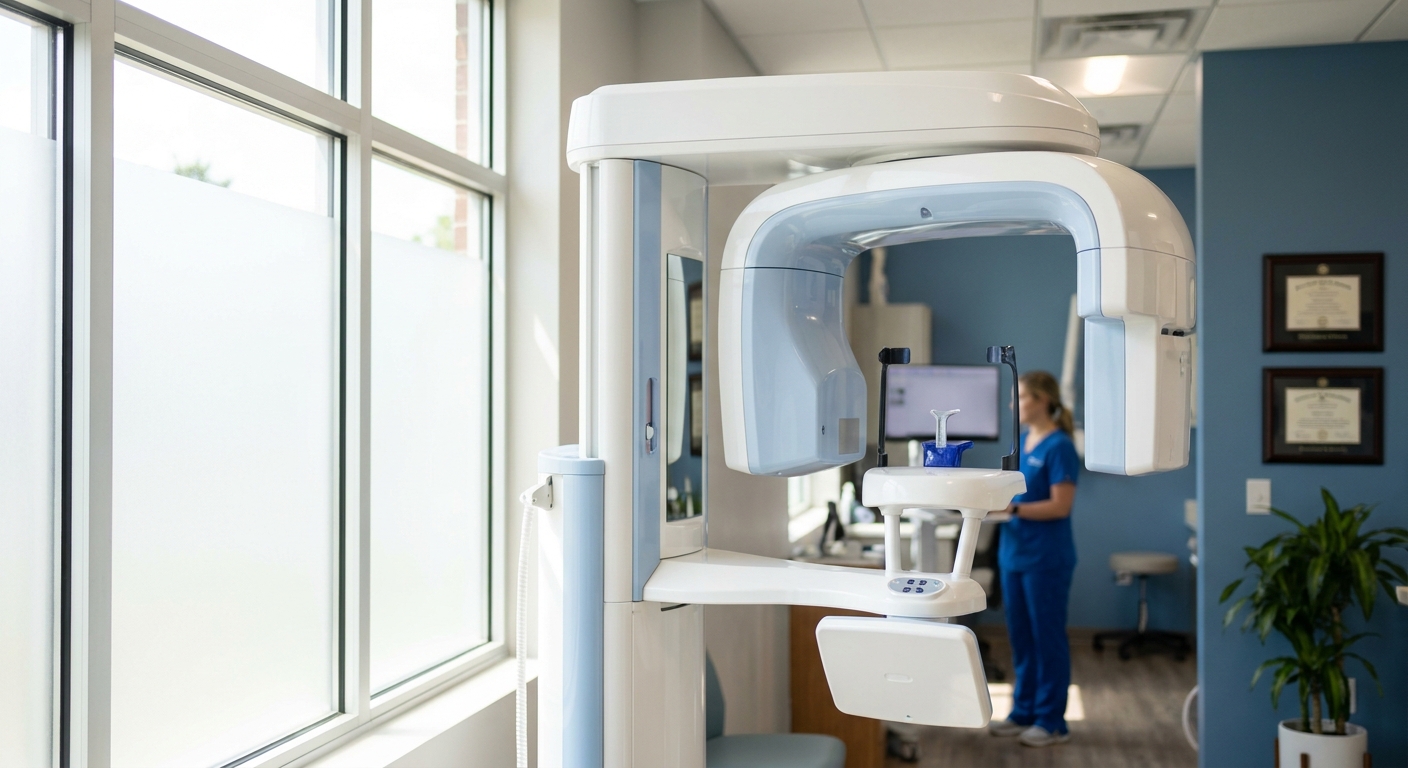
A functional tooth replacement dentist offers specialized expertise in the evaluation and restoration of missing teeth. Unlike a general dentist who addresses a wide range of dental issues, this specialist focuses on planning and executing treatments that balance biomechanical stability, long-term oral health, and aesthetics. Through advanced imaging tools, digital planning, and a deep understanding of bite mechanics, they tailor treatment pathways that fit your unique anatomy and lifestyle.
Partnering early with a functional tooth replacement dentist improves outcomes and often reduces overall treatment time. By addressing bone health, bite stability, and soft tissue conditions before complications arise, you can avoid extensive grafting or invasive procedures later on. Whether you lost a tooth recently or have been living with a gap for years, proactive planning safeguards your oral health and sets the stage for a durable, natural-feeling result.
Understand the impact of tooth loss
Loss of an adult tooth triggers a cascade of changes in your mouth. With the root removed, the alveolar bone no longer receives stimulation from biting forces and begins to resorb at a rate of up to 25 percent in the first year. This continuous bone loss gradually alters the shape of your jaw ridge and weakens support for any future restorations.
As bone volume declines, the ridge flattens and narrows, compromising the fit of dentures or the placement of implant fixtures. Facial contours can appear sunken and older, since the jawbone no longer fills out the lower third of your face. Restoration plans often include ridge preservation or augmentation to rebuild lost bone and preserve facial aesthetics.
Adjacent teeth, freed from their normal contacts, may drift into the empty space. Even slight movement can disrupt your chewing pattern and place uneven stress on opposing teeth. Over time, this tooth migration contributes to bite collapse, additional tooth wear, and an increased risk of fracture of the remaining teeth.
Altered bite forces can also strain the temporomandibular joint and associated muscles. You might experience jaw clicking, muscle soreness, or tension headaches as your body compensates for the imbalance. Restoring proper tooth position and spacing is key to maintaining joint health and alleviating muscle strain.
Missing teeth restrict your ability to chew a varied diet, pushing you toward softer foods that may be less nutritious. Insufficient chewing can impact digestion and limit the variety of vitamins and minerals you absorb. By restoring a stable bite, you can reclaim the full benefits of a balanced diet and protect your digestive health.
Speech patterns depend heavily on the placement and shape of your front teeth. A missing incisor or canine can change how you pronounce certain sounds, leading to lisping or whistling while talking. A properly designed restoration reestablishes clear phonetics and prevents long-term speech adaptation.
The gap in your smile can also erode self-confidence and affect social interactions. Many adults delay treatment due to fear, cost concerns, or uncertainty about options. If you have not yet scheduled a missing teeth dental evaluation, you may not realize how quickly complications can arise.
Plan your evaluation early
Initiating your evaluation as soon as possible minimizes the risk of irreversible changes. A thorough consultation uncovers factors that influence your treatment path, from medical history to oral hygiene habits. Having a clear understanding of your current condition empowers you to make decisions that align with your personal goals.
Your dentist will review systemic health factors such as diabetes, osteoporosis, or smoking that may affect healing and osseointegration. Adjusting medications or recommending lifestyle changes before surgery helps set realistic expectations and reduces potential complications during the treatment sequence.
Anxiety is common when facing tooth replacement procedures, but sedation and comfort options keep you relaxed. Whether you choose nitrous oxide, oral conscious sedation, or intravenous sedation, a qualified specialist ensures you remain safe and comfortable throughout each visit.
Financial planning is another critical component of early evaluation. Your dentist’s office can provide a clear breakdown of fees, insurance coverage, and financing options such as payment plans or CareCredit. Investing in a lasting solution often proves more cost effective than repairing complications from delayed treatment.
To get started, you can contact a missing tooth evaluation dentist near you.
What to expect during consultation
At your first visit, you and your dentist will explore every aspect of your oral and general health. The exam typically includes:
- A visual inspection of your gums, adjacent teeth, and bite alignment.
- Diagnostic imaging such as digital x-rays or cone beam computed tomography to measure bone volume and detect hidden issues.
- Discussion of your medical and dental history to identify risk factors and prior treatments.
- A review of your goals for appearance, comfort, and function.
Following this assessment, your dentist outlines possible treatment pathways, timelines, and will help you understand the sequence of preparatory steps.
Key assessment areas
Bone quantity and quality top the list of evaluation criteria. Three-dimensional scans reveal the height, width, and density of your jawbone, determining whether grafting or ridge preservation is necessary. Soft tissue health is assessed to confirm an adequate band of gum tissue that will seal around implants or support prosthetic margins.
Your bite undergoes a detailed occlusal analysis to identify high spots or imbalances that could overload new restorations. Tools like digital bite scanners or articulating paper map how forces distribute across your teeth, guiding strategic planning for implant placement and occlusal adjustments.
Muscle and joint health also factor into your treatment plan. Palpation of jaw muscles and TMJ movement testing detect signs of dysfunction or bruxism. Addressing these issues early can prevent implant failure and protect your existing dentition from accelerated wear.
Your dentist compiles these findings into a comprehensive evaluation for tooth replacement that outlines surgical needs, restorative options, and ideal timelines.
Assess bone and bite stability
A solid foundation underpins every successful tooth replacement plan. Without sufficient bone support and balanced bite mechanics, even the best designed restoration can fail prematurely.
Bone health evaluation
Your dentist classifies bone quality using established scales to determine the optimal implant diameter, length, and insertion torque. In cases where the ridge has atrophied, procedures such as guided bone regeneration, onlay grafts, or particulate grafting rebuild lost volume. Barrier membranes and growth factors may be used to encourage bone formation. Healing can take three to six months, but proper grafting ensures a robust framework for long-term implant stability.
Soft tissue biotype is equally important. Thin gum tissue may be augmented with connective tissue grafts to enhance aesthetics and reduce the risk of recession. Healthy, well-keratinized gingiva prevents bacteria from infiltrating the implant site and ensures a natural, seamless transition between your own gum tissue and the restoration.
Bite analysis
Restoring your bite begins with a full occlusal assessment, covering static and dynamic movements. Your dentist may record centric relation using bite registration materials and evaluate lateral and protrusive excursions that reveal any interferences. Bruxism or clenching patterns get identified through muscle palpation and wear facet inspection. Custom occlusal guards can protect new restorations if you have a history of nighttime grinding.
Precise bite mapping lets your specialist position implants or design crown contours to distribute chewing forces evenly. This planning prevents overload on any single fixture and reduces micromovements that could compromise osseointegration. If you need further guidance, you can reach out to a dentist for bite collapse from missing teeth or dentist for restoring chewing ability.
Explore restoration options
Selecting the right restoration involves weighing multiple factors: the number of missing teeth, bone condition, soft tissue dimensions, budget, and personal preferences. Your functional tooth replacement dentist presents options that match your needs and explains how each works.
Dental implant solutions
Dental implants provide a strong foundation for fixed or removable replacement teeth by replacing tooth roots with titanium posts. Because implants integrate with your jawbone through osseointegration, they preserve bone volume and support crowns, bridges, or dentures that look and feel like natural teeth [1]. Single implants replace one missing tooth without affecting adjacent teeth. Multiple implants can support a bridge spanning several gaps. In a full-arch scenario, techniques like All-on-4 use four strategically placed implants to secure a complete row of teeth.
Immediate loading protocols allow temporary crowns or bridges on newly placed implants in the same appointment. However, long-term success often depends on a healing period of three to six months to ensure durable bone integration. Your dentist customizes the timing based on bone density, implant stability at placement, and overall health factors.
Bridge alternatives
Fixed bonded bridges use a framework of metal or porcelain bonded to the backs of neighboring natural or implant-anchored teeth to fill gaps. While bridges offer a non-surgical route, they require reshaping natural teeth on either side of the gap and do not prevent bone loss beneath the missing tooth [1]. Materials range from porcelain fused to metal to monolithic zirconia, each with its own balance of strength and aesthetics. Proper cleaning under the pontic area is essential to prevent decay or gum disease around supporting teeth.
Denture options
Traditional removable partial dentures clamp onto remaining teeth with clasps and rely on gum tissue for support. They are cost effective but tend to accelerate bone shrinkage and may become unstable over time. Implant-supported dentures anchor to two or more implants, eliminating adhesives and improving chewing efficiency [1]. Snap-in dentures attach via ball sockets or locators, offering a removable solution that stays secure during daily activities and simplifies cleaning.
Here is a quick comparison of common restoration pathways:
| Option | Description | Key benefit |
|---|---|---|
| Single dental implant | Titanium post with crown for one missing tooth | Preserves bone, mimics natural tooth |
| Full-arch implant bridge | All-on-4 system for entire arch | Immediate stability |
| Fixed bonded bridge | Artificial tooth fixed to neighboring teeth | No surgery, faster process |
| Implant-supported denture | Denture attaches to implants | Secure fit, improved chewing |
Choose a functional dentist
Selecting the right provider forms the cornerstone of a successful restoration. Look beyond price and convenience to assess how a practice handles complex rehabilitations. The following questions can guide your decision:
- Is the dentist board certified or fellowship trained in implant dentistry or prosthodontics?
- How many implant cases does the practice place each year, and what are their success rates?
- Does the practice use digital planning tools such as cone beam CT scanning and computer guided surgery?
- Which implant brands, materials, and attachment systems does the dentist prefer?
- How does the dentist coordinate care with specialists and dental lab technicians?
A practice that emphasizes continuing education, advanced technology, and collaborative care often delivers more predictable results. Patient testimonials, before and after galleries, and third-party reviews provide insight into the quality of care and long-term outcomes. You may also consider experiences shared by patients seeking replacement options for missing teeth dentist services.
Restore chewing and speech
Once your plan is approved, treatment moves forward in clearly defined stages. Your dentist keeps you informed about timing, preparatory steps, and expected outcomes at each appointment.
Surgical and non-surgical steps
Implant placement begins with a minor surgical procedure under local or intravenous sedation. The titanium post is inserted into the jawbone at a precise angle and depth to maximize contact with quality bone. If sinuses, nerves, or narrow ridges present challenges, additional procedures such as sinus lifts or ridge expansion correct those issues beforehand.
Antibiotic prophylaxis and strict sterile protocols minimize the risk of infection. After surgery, an adjustable healing abutment or cover screw protects the implant during osseointegration, which typically takes between three and six months [2].
Non-surgical options such as fixed bonded bridges or snap-in dentures move directly to impression and fabrication steps. These pathways usually require fewer visits and can sometimes conclude within a few weeks, depending on laboratory turnaround and patient preferences.
Provisional restorations
Temporary crowns, bridges, or dentures keep you comfortable and maintain your appearance while the final prosthetics are being created. These provisional restorations let you test bite adjustments, speech patterns, and aesthetics. If any refinements are needed, your dentist makes them before finalizing the definitive restoration.
Materials for provisionals range from acrylic resins to composite resins, chosen for ease of adjustment and adequate strength during the healing phase.
Maintain long-term success
Long-term stability requires consistent care and periodic professional monitoring. Restorations can last decades with the right maintenance and healthy habits.
Care for your new teeth
Brush twice a day using a soft-bristle toothbrush and non-abrasive toothpaste. Clean around implant posts, under bridges, and along denture attachments with interdental brushes, floss, or water flossers. Employ an antimicrobial mouth rinse recommended by your dentist to control bacteria. Avoid biting hard objects, chewing ice, or using teeth as tools. Smoking and uncontrolled diabetes increase the risk of peri-implant disease, so managing these factors improves longevity.
Follow-up visits
After your final restoration is placed, schedule check-ups every three to six months for professional cleanings and exams. Your dentist will monitor bone levels with periodic radiographs, assess the tightness of abutment screws, and verify that your bite remains balanced. Adjustments to your prosthetic teeth or occlusal guard may be necessary to accommodate changes in your mouth over time. If you notice any mobility, irritation, or pain, contact your provider promptly. Regular partnership with your dentist ensures your investment continues to support your health and lifestyle [3].
With careful planning, professional expertise, and attentive aftercare, replacing your missing teeth becomes a predictable journey toward restored function and confidence. By working closely with a functional tooth replacement dentist, you invest in a solution designed to last, letting you eat, speak, and smile without hesitation.