Identify warning signs
Before you schedule a general dentist appointment, it helps to know the warning signs that something may be amiss with your oral health. Spotting these indicators early can prevent minor issues from becoming major problems, saving you time and money in the long run. If you notice any of the following symptoms, it’s a clear cue to book a dental exam for adults right away.
Bleeding or swollen gums
If your gums bleed when you brush or floss, that’s often the first sign of gingivitis, the earliest stage of gum disease. You might also see redness, tenderness, or puffiness along the gum line—symptoms that almost always warrant a professional cleaning and evaluation. Left untreated, gingivitis can progress into periodontitis, damaging the bone that supports your teeth and increasing your risk for tooth loss.
Persistent tooth pain
A dull ache that lingers or a sharp pain when biting down usually signals localized decay, a cracked tooth, or an infected nerve. You may notice sensitivity to hot or cold temperatures or when chewing certain foods. Ignoring persistent pain can lead to abscess formation, and ultimately, root canal therapy or extraction.
Chronic bad breath
Occasional bad breath is normal, but if you experience constant halitosis despite brushing and using mouthwash, it may indicate an underlying issue. Chronic bad breath often stems from bacteria in periodontal pockets, dry mouth, or trapped food debris around fillings and crowns. A thorough comprehensive dental evaluation can pinpoint the cause and recommend targeted treatments, from deep cleanings to adjustments of ill-fitting dental work.
Jaw and bite changes
Have you noticed clicking, popping, or stiffness in your jaw joints? These noises, along with difficulty opening or closing your mouth fully, can be signs of temporomandibular joint disorder (TMJ). Misaligned bites or shifting teeth may also signal bruxism—grinding or clenching that wears down enamel. Addressing these conditions early helps prevent headaches, ear pain, and irreversible tooth damage.
Visible tooth damage
Chips, cracks, or fractures in your teeth don’t always hurt immediately, but they expose inner dentin and nerves to bacteria. You might see a hairline fracture when you examine your teeth in the mirror, or you might feel rough edges on your tongue. Prompt repair with tooth-colored fillings or bonding restores function, prevents decay, and keeps your smile looking natural.
Explore exam components
A comprehensive general dentist appointment goes far beyond a quick clean. During your full dental exam appointment, your dentist will perform a systematic assessment that lays the groundwork for any necessary treatments. Below is a concise summary of the key components every adult should expect:
| Component | Purpose |
|---|---|
| Oral health assessment | Visual inspection of teeth, gums, tongue, cheeks, and soft tissues |
| Digital X-rays | Detect hidden decay, bone loss, and impacted teeth with low radiation exposure [1] |
| Periodontal evaluation | Measure gum pocket depths and assess tissue health |
| Oral cancer screening | Examine soft tissues for lesions or abnormal discolorations |
| Bite and alignment check | Evaluate occlusion, tooth wear patterns, and jaw function |
Following the table, your dentist will discuss any observations and answer your questions. This structured approach ensures nothing is overlooked—from the early signs of decay trapped between teeth to subtle changes in gum attachment. If you’re new to the practice, the initial dental consultation also includes a detailed review of your medical history and any medications you’re taking.
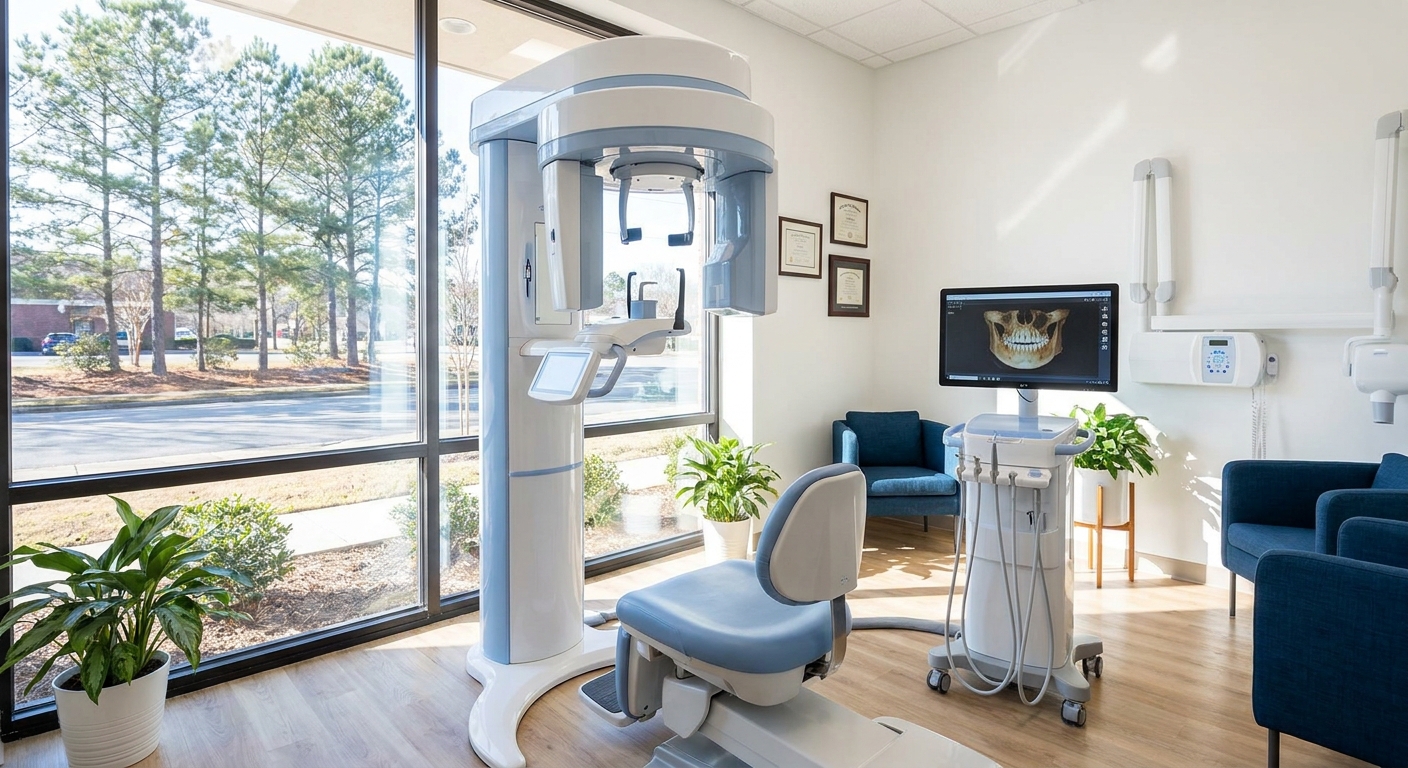
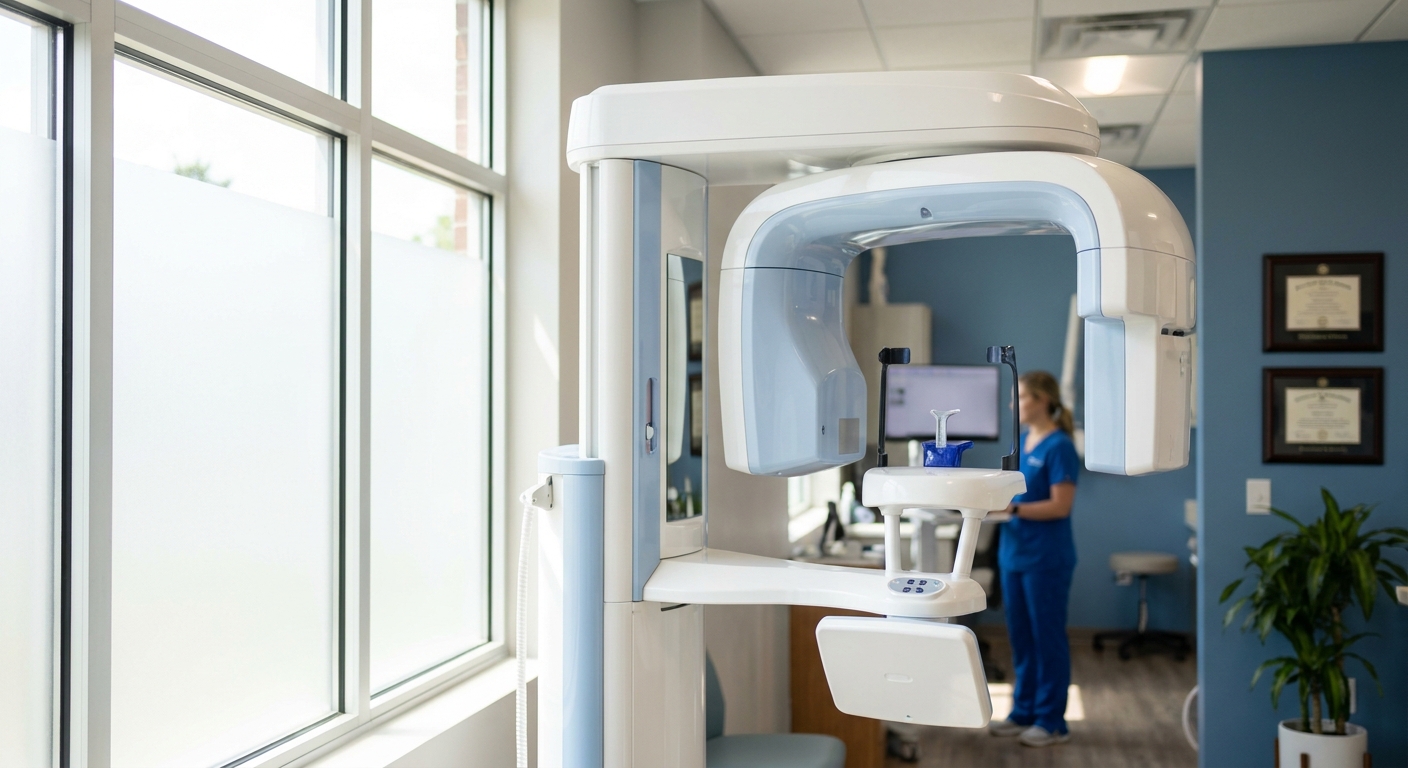
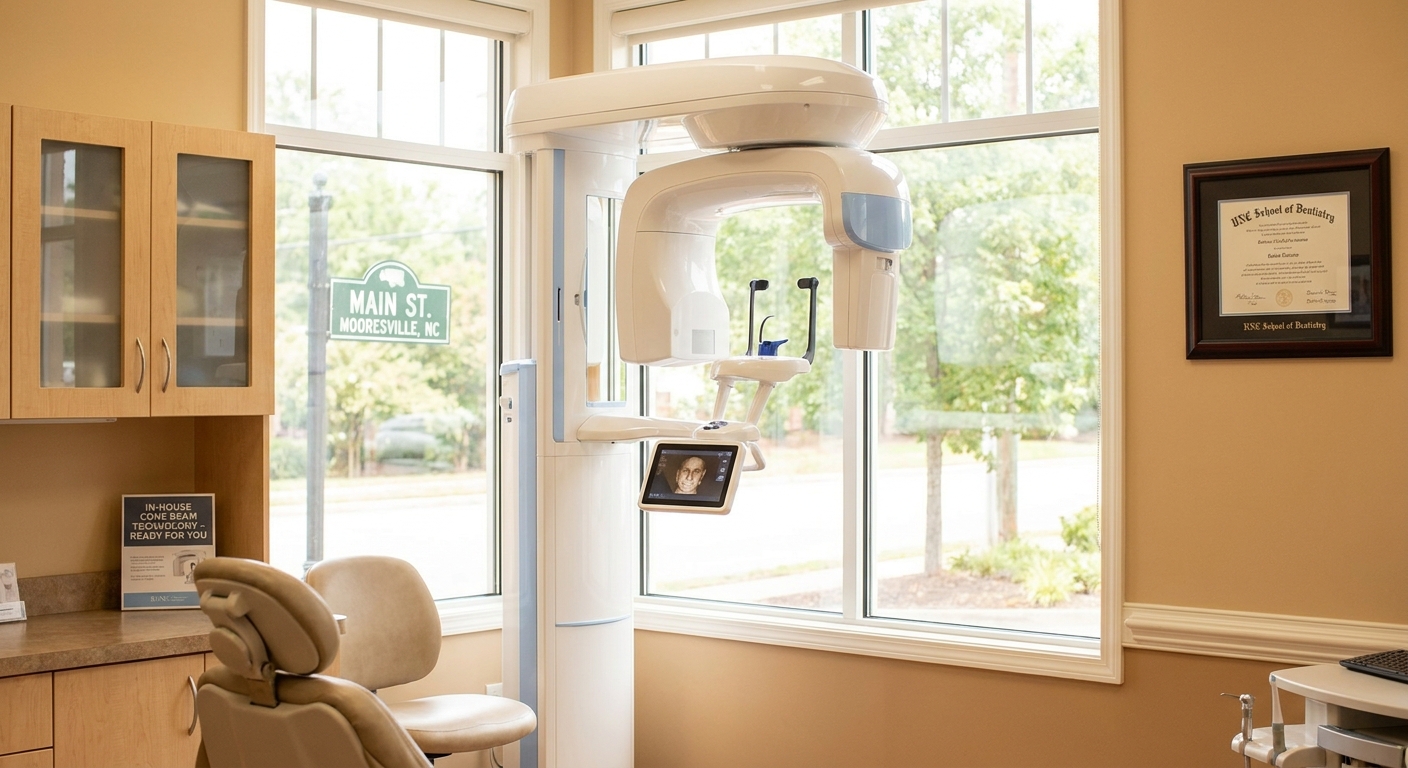
Digital imaging has transformed diagnostic accuracy. Unlike traditional film X-rays, digital machines expose you to less radiation and produce images instantly for closer inspection. Whether you need a simple bitewing X-ray or a full-mouth series every few years, these images help your dentist catch cavities and bone abnormalities before you notice any symptoms.
Understand personalized plans
Once your exams and X-rays are complete, you’ll sit down with your dentist to review a tailored treatment roadmap. This individualized plan not only addresses existing concerns but also outlines preventive strategies to keep your mouth healthy moving forward.
Treatment recommendations
Your dentist will prioritize urgent issues—such as decay that requires fillings or infected teeth needing root canals—before recommending elective services like cosmetic bonding. Each recommendation will include a clear explanation of benefits, potential risks, and cost estimates. If you require complex care, you may be referred to a specialist for advanced procedures, but your general dentist will oversee your overall treatment.
Preventive strategies
Prevention lies at the core of any successful plan. Your dentist may suggest a specialized cleaning schedule, application of dental sealants on vulnerable molars, or in-office fluoride treatments to strengthen enamel [1]. You’ll receive personalized home-care instructions—everything from ideal brushing techniques to the best type of floss for tight spaces between your teeth.
Follow-up scheduling
Coordinating follow-up visits ensures you stay on track. Whether you need a short-term appointment for a filling or a six-month routine dental checkup appointment, your dentist’s staff will help you find times that fit your schedule. They’ll also factor in any specialized recall intervals if you have conditions like gum disease or a weakened immune system [2].
Prepare for your visit
Feeling prepared can ease any dental nerves and help your appointment run smoothly. A few simple steps make a big difference in efficiency and comfort.
Pre-appointment steps
Confirm your booking at least 24 hours in advance and verify the office address to avoid last-minute confusion [3]. If you require fasting or pre-medication for a specific procedure, the staff will remind you when they call to confirm. Keep a list of medications, allergies, and recent medical changes on hand.
What to bring
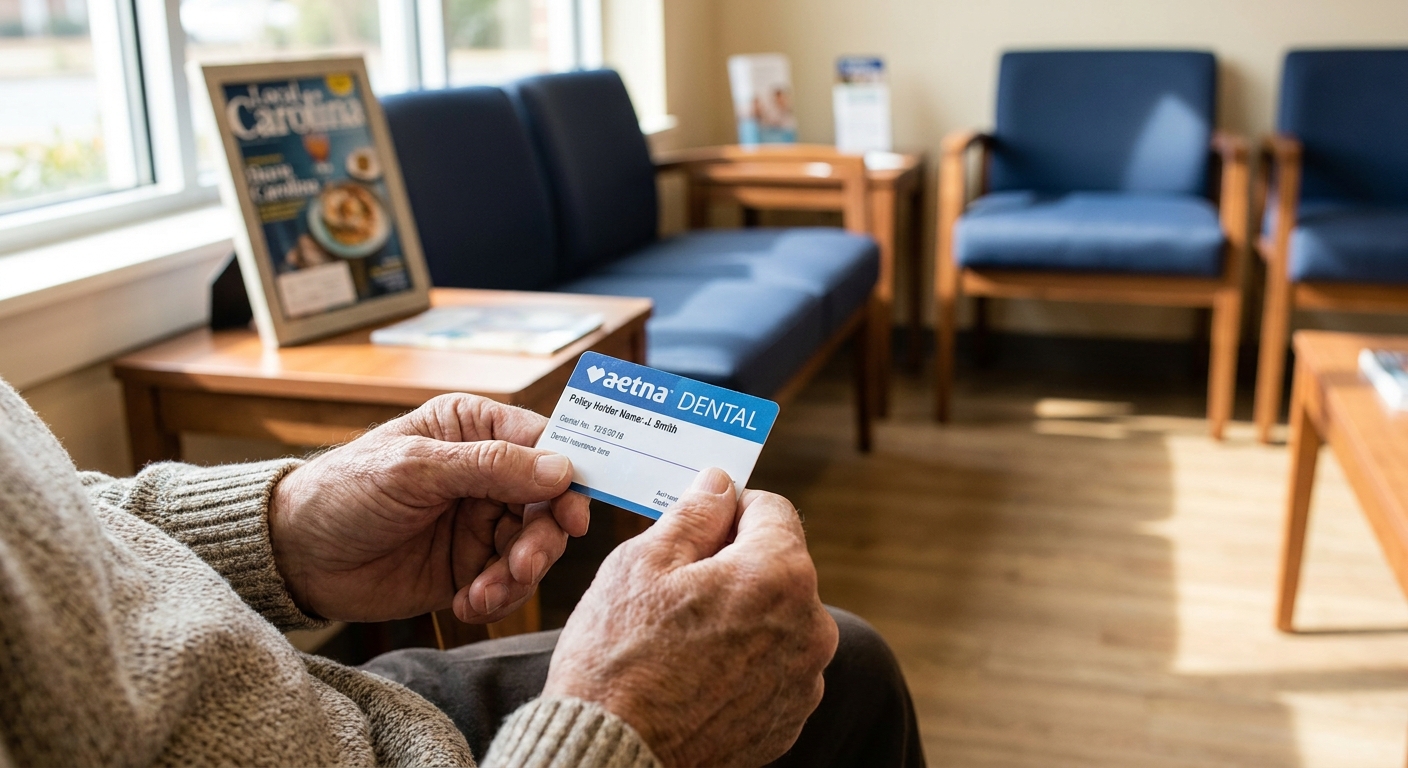
Bring your insurance card, a form of ID, and any new patient paperwork you’ve completed online. If you have previous X-rays or treatment records, request electronic transfers from your former dentist to avoid duplicate imaging. Packing a small bag with a fresh toothbrush and toothpaste can help you feel refreshed after your cleaning.
Common insurance questions
Dental benefits vary widely. Before your visit, check your plan’s coverage for cleanings, exams, and X-rays. Ask the front desk about in-network providers, co-payments, and whether prior authorization is needed for major services. Understanding your benefits upfront prevents surprises when you receive your bill.
Schedule with ease
Finding and booking a qualified general dentist appointment has never been simpler. Practices now offer multiple ways to connect and make it effortless to start your oral health journey.
Find a dentist accepting new patients
If you’re looking for a practice that welcomes new patients, start with a provider directory or search engine filters. You might also ask friends and family for recommendations to ensure a good cultural fit. Our clinic is proud to be listed under dentist accepting adult patients and dentist accepting new patients.
Book online options
Many dental offices provide secure online portals where you can select available time slots, update your medical history, and receive automated reminders. If you prefer a more personal touch, simply call the office and a team member will assist with your first dental visit appointment.
Telehealth consultations
For questions that don’t require an in-chair exam—such as discussing treatment costs or reviewing symptoms—a virtual consult can save you a trip. A quick video call lets you share photos of an area of concern, enabling your dentist to advise on next steps and help you determine if an in-office preventive dental exam appointment is necessary.
Maintain long-term health
Your initial appointment is just the beginning. Long-term maintenance is the surest way to protect your investment in oral wellness and to avoid complex restorative procedures down the road.
Recall intervals
Based on your exam findings and risk factors—like current gum health, cavity history, or systemic conditions—your dentist will recommend the ideal frequency for follow-up visits. While twice-yearly cleanings are standard for low-risk adults, those with active periodontal disease may benefit from visits every three to four months [2].
Home care routines
Effective daily care lies at the heart of oral health. Brushing twice a day with a soft-bristled brush, flossing at least once, and using an antimicrobial mouthwash reduce bacteria that cause decay and gum disease. Since plaque can start forming within 20 minutes after eating and harden into tartar in as little as 48 hours, consistency matters [2].
Consider adding interdental brushes if you have wide spaces between teeth or a water flosser if you experience gum sensitivity. Your dentist can recommend specific tools tailored to your mouth’s anatomy during your complete oral health exam.
Conclusion
Knowing when to schedule a thorough general dentist appointment empowers you to take control of your oral health. From recognizing early warning signs—such as bleeding gums or chronic bad breath—to understanding every element of your exam and personalized treatment plan, you’ll walk into your visit confident and informed. Preparing ahead, choosing convenient scheduling options, and committing to follow-up care all contribute to a lifetime of healthy smiles.
Ready to prioritize your oral wellness? Explore our new patient dental visit options, discover why we’re a top choice for dentist new patient visit, and schedule dental exam today. Your smile deserves nothing less than comprehensive care and attention.