Understanding gentle dental care
Gentle dental care appointment puts your comfort at the center of every step. You’ll notice a slower pace, extra explanation, and modern tools designed to minimize discomfort. This approach, known as patient focused dental care, emphasizes trust, clear communication, and a calming atmosphere. When fear or sensitivity has kept you from the dentist, gentle dentistry creates an environment where you feel safe to proceed with treatment.
Definition and principles
Gentle dentistry revolves around techniques that reduce pain, noise, and anxiety. Rather than powering through with harsh drills or abrupt moves, your provider uses low-vibration instruments, targeted anesthesia, and noise-dampening equipment. Every interaction starts with listening to your concerns and setting a collaborative pace. By addressing your emotional comfort alongside clinical needs, gentle care aims to turn each visit into a stress-free dental experience.
Who benefits most
Adults with dental anxiety or sensitivity often gain the greatest relief from gentle care. If a past procedure left you tense or you have a keen gag reflex, comfort-focused modifications can make a world of difference. Even routine cleanings can trigger fear in nervous patients; a gentle approach transforms these visits into manageable, even positive, experiences. Whether you’re highly sensitive to pain or simply value a calmer atmosphere, this style of dentistry is built around you.
Benefits of gentle appointments
Embracing a gentle dental care appointment can reshape your outlook on oral health. By prioritizing your emotional wellbeing, these visits break the cycle of postponed treatments and growing dental issues. You avoid the tension that compounds with each delayed visit, and you build trust with a dentist who respects your pace. Over time, this supportive approach leads to better oral hygiene habits and fewer emergencies.
A gentle visit also reduces physiological stress responses. Lowered blood pressure, decreased muscle tension, and reduced heart rate all contribute to a more relaxed experience. Many patients report feeling a sense of calm that carries beyond the chair, turning what was once a dreaded chore into an achievable wellness ritual. If you aim for a consistently stress free dental visit, gentle care is the proven path.
Expectations for your visit
Knowing what to expect can ease the butterflies in your stomach. Gentle dental practices structure your appointment into distinct phases, each designed to build confidence before moving forward. Below are the key stages that typically unfold during a gentle dental care appointment.
Digital imaging and exam
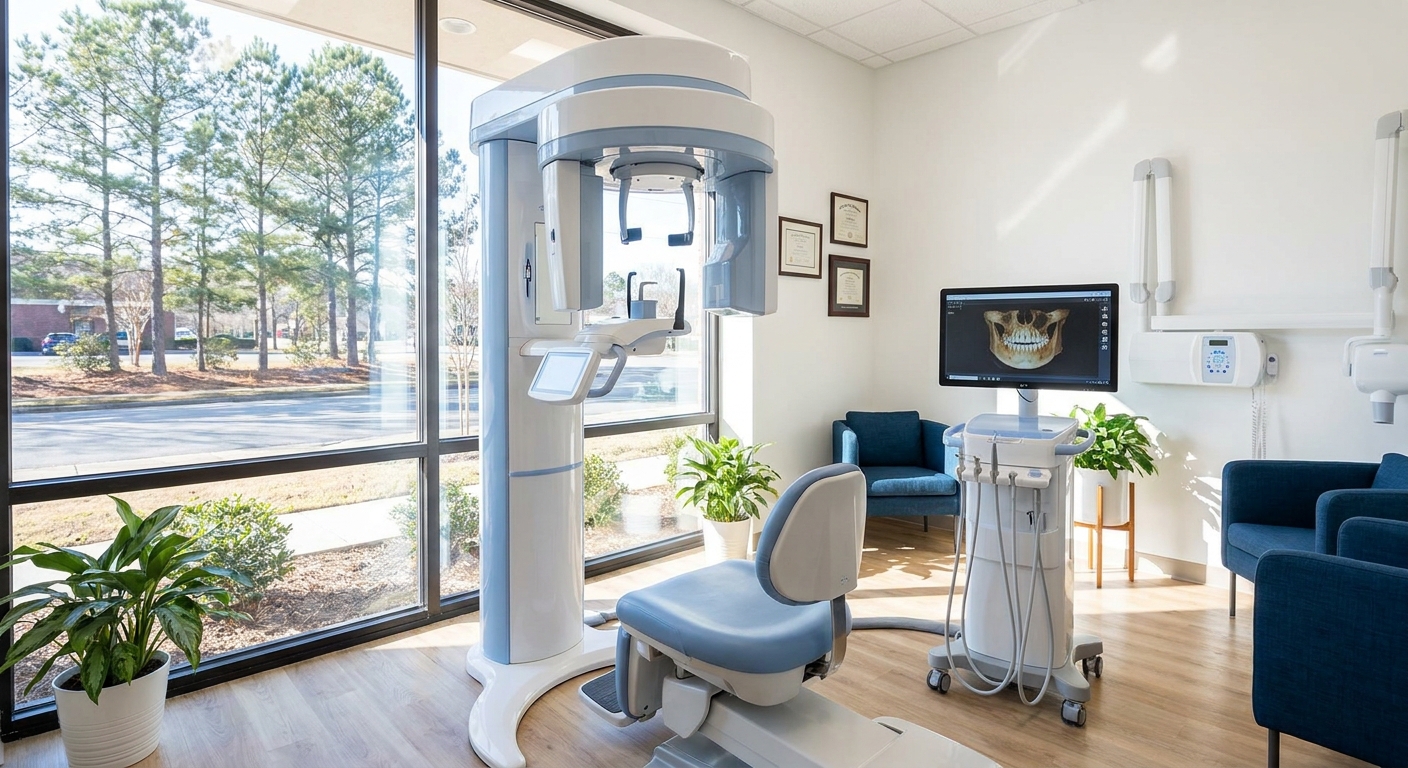
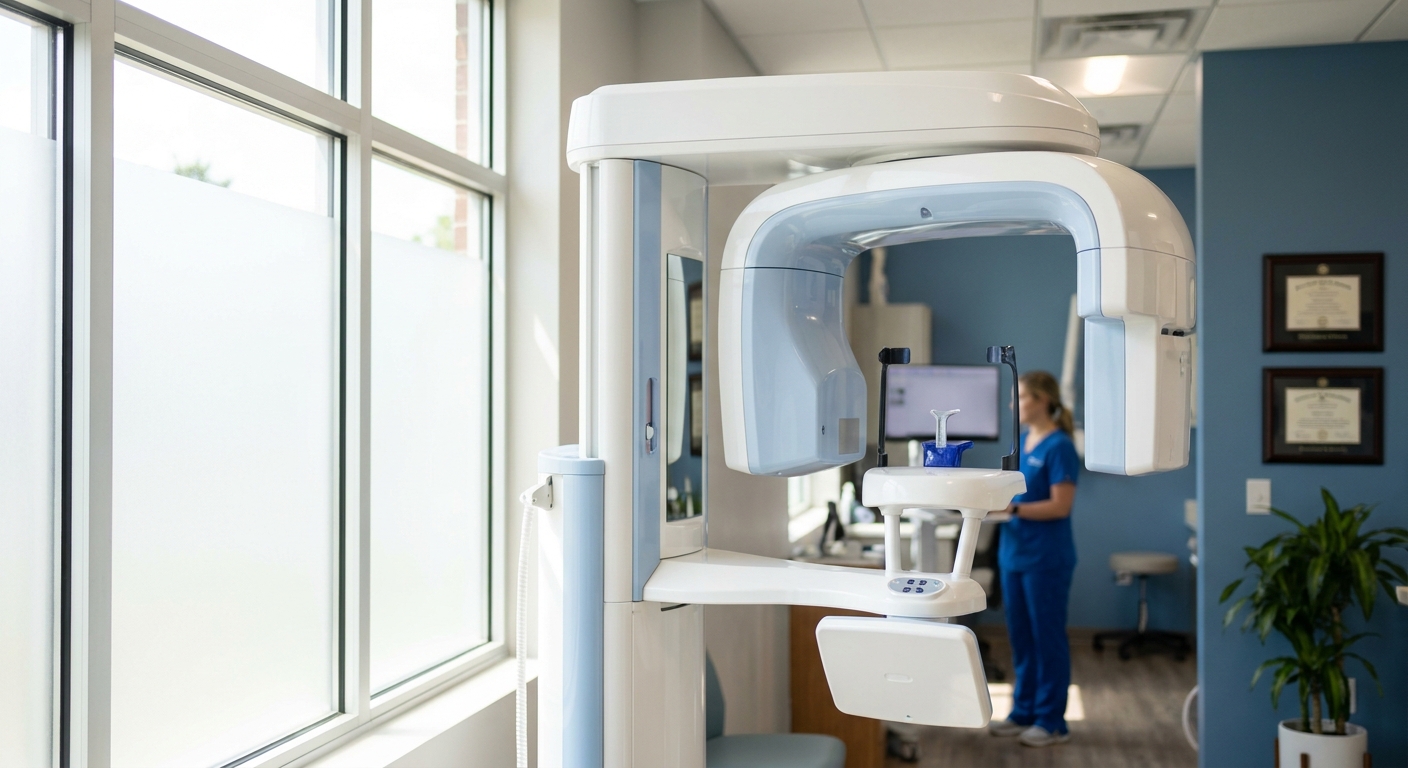
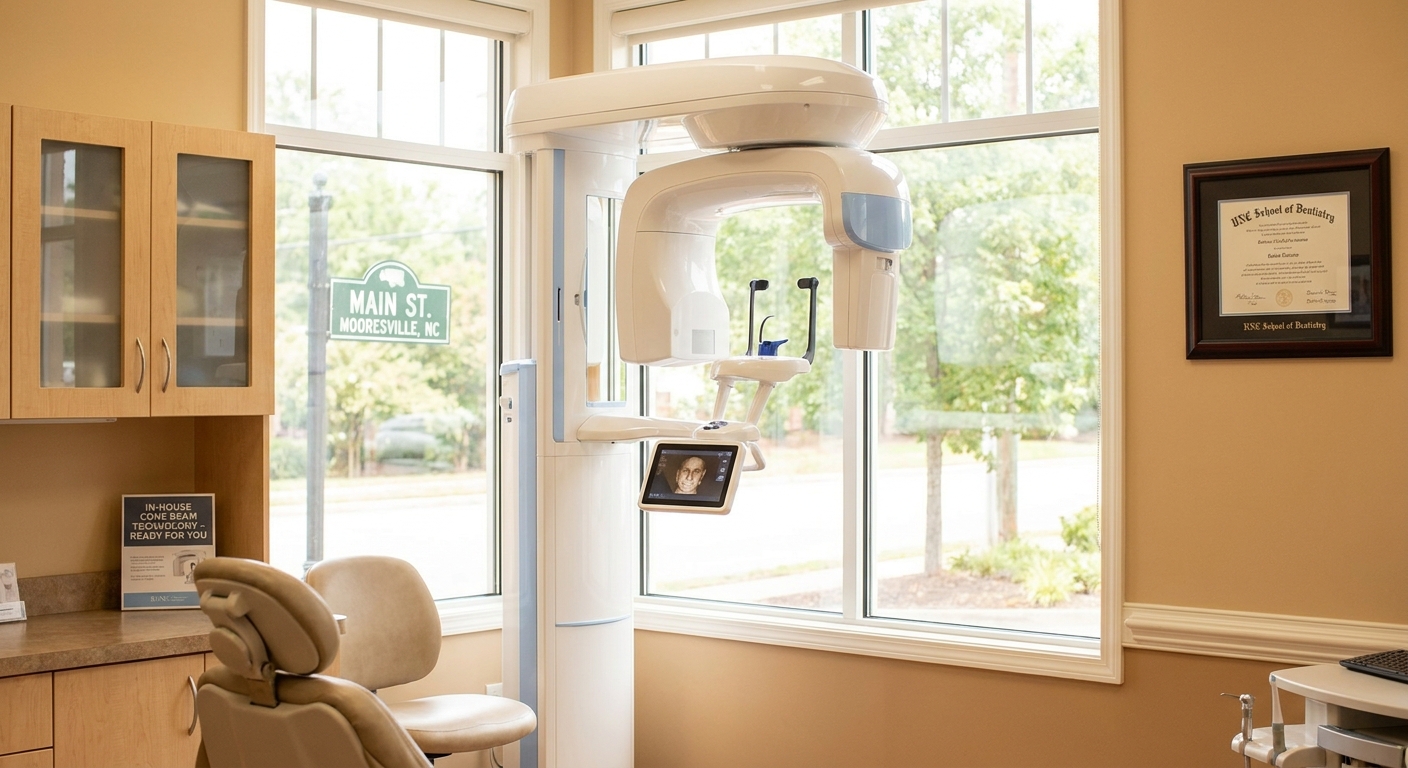
On your first gentle dental care appointment, you’ll receive a full-mouth digital X-ray that provides detailed images of teeth and surrounding structures with minimal radiation exposure [1]. This digital imaging is faster and quieter than analog alternatives, saving you from the repetitive throbbing noises of older machines. Once your dentist reviews the images, they’ll conduct a thorough visual and tactile exam—checking for decay, gum health, and other concerns. Throughout this process, you can pause or ask questions at any time to ensure you’re never caught off guard.
Treatment planning and affordability
After the exam, you meet with a Treatment Coordinator to finalize a personalized plan and explore payment options, including insurance benefits, discount plans, and financing [1]. This conversation ensures you understand costs upfront and can choose treatments that align with your needs and budget. You’ll never face surprise bills or feel pressured into unnecessary procedures. Instead, your plan reflects a balanced approach to health, comfort, and financial peace of mind.
Communication and listening
A hallmark of gentle dental care is the pace at which your dentist communicates. A dentist who listens to concerns will take extra time to answer every question and explain each step in clear, jargon-free terms. If you value a provider who explains procedures in detail, look for a dentist who explains procedures. Pauses between instruments let you adjust your position, catch your breath, or signal discomfort. This two-way dialogue builds trust and gives you full control over the appointment flow.
Techniques and technology
Advances in dental technology directly support gentle care. By blending innovative tools with evidence-based methods, your appointment can be both efficient and minimally invasive. Gentle dentistry isn’t a single trick—it’s a suite of technologies and best practices working together to reduce discomfort.
Minimizing discomfort
Pain control begins before any instrument touches your tooth. Topical anesthetics numb the injection site to make local anesthesia virtually painless. In some practices, micro-needles or computerized anesthetic delivery systems ensure steady, gentle pressure. Your provider checks in after each administration to confirm numbness before proceeding. This step-by-step confirmation prevents surprises and puts you at ease.
Gentle tools and devices
The instruments themselves have evolved to prioritize your comfort. Ultrasonic scalers use high-frequency vibrations to remove plaque faster and with less force than traditional hand tools. Laser dentistry can target decay or soft-tissue issues with pinpoint accuracy, often eliminating the need for a drill. Even the chair you sit in may offer vibration reduction and noise-cancellation features.
| Technology | Benefit | Why it matters |
|---|---|---|
| Digital X-ray | Rapid, detailed imaging with minimal radiation | Quieter, safer exams |
| Ultrasonic scaler | Efficient plaque removal | Less scrubbing, reduced time |
| Laser dentistry | Precise cutting and sterilization | Less bleeding, faster healing |
| Noise-dampening handpiece | Lower operational sound | Calmer environment |
Sedation and anesthesia options
For higher anxiety cases, sedation bridges the gap between awake procedures and general anesthesia. Nitrous oxide (laughing gas) provides mild relaxation while leaving you conscious. Oral sedatives can deepen that calmness, letting you drift through your cleaning or restoration almost unaware. Intravenous sedation, available in some clinics, offers deeper relief under careful medical supervision. Discuss your comfort goals with your provider to choose an option that aligns with your needs.
Preparing for your appointment
A bit of preparation can transform your gentle dental care appointment into a truly smooth experience. In the days ahead of your visit, gather your medical history, including any allergies or ongoing medications. Write down any anxieties or questions so you can discuss them without forgetting. If you plan to use sedation, arrange for transportation to and from the office. On the day itself, arrive a few minutes early to settle in, and consider bringing noise-cancelling headphones or a favorite playlist for extra comfort. By arriving informed and organized, you empower both yourself and your dental team.
Aftercare and support
Your gentle appointment doesn’t end when you leave the chair. You’ll receive clear aftercare instructions tailored to each procedure, whether it’s a routine cleaning or a minor restoration. For instance, you might be advised to use a soft-bristle brush, rinse with warm salt water, or apply a topical gel to soothe sensitive areas. Most practices follow the American Dental Association’s recommendation for returning every six months, though those prone to gum disease may benefit from visits every three to four months [2].
If you experience any unexpected discomfort or have lingering questions, a compassionate dentist appointment means you can call the office for guidance rather than waiting weeks for the next scheduled visit. This ongoing support underscores the core of gentle care—a partnership focused on your long-term wellbeing.
Choosing the right dentist
Finding a provider who genuinely practices gentle care is the final step in your comfort-focused journey. Look beyond the equipment list and focus on the people and culture of the practice. A gentle dentist for adults will demonstrate patience, adaptability, and a track record of working with fearful or sensitive patients. If you’ve had bad experiences in the past, seek a dentist for patients with bad dental experiences. You deserve someone who understands your unique story.
What to look for
- A calm, welcoming office design with soft lighting and minimal noise
- Staff trained in anxiety-reducing communication techniques
- Availability of sedation and distraction tools like headphones or blankets
- Clear explanations of costs, treatment timelines, and follow-up protocols
Key questions to ask
- How do you modify procedures for patients with high anxiety?
- What pain-management options do you offer beyond local anesthesia?
- Can I pause at any time if I feel discomfort or need a break?
- How do you ensure I understand each step of my treatment?
- What follow-up support is available after my appointment?
By interviewing potential providers and observing their responses, you’ll find a dental partner who listens, respects your pace, and delivers care that truly feels gentle. When you combine the right practice with modern technology and personalized communication, your next dental visit can finally be free of fear and full of confidence.