Many adults feel a mix of excitement and nerves before their first initial dental consultation, especially if it has been years since their last new patient dental exam. However, preparing thoroughly can transform uncertainty into confidence. You will learn how to gather records, schedule efficiently, and approach your visit with a clear plan in mind.
The initial dental consultation is more than a quick checkup, it is an opportunity for a comprehensive health assessment. Your dentist will evaluate your teeth, gums, bite, and overall oral health to tailor care specifically for you. Understanding this process can help you make informed decisions about your smile and wellbeing.
This guide will walk through what to expect at each stage of your first dental visit appointment, from paperwork to post-exam planning. We will also cover how to prepare questions about cosmetic treatments and insurance coverage. You will discover tips to streamline scheduling and payment. By the end, you will feel equipped to ask the right questions and leave knowing exactly how to maintain and improve your oral health.
Understand your consultation
To prepare for your initial dental consultation, you need a clear idea of its purpose. At its core, this visit is a comprehensive dental evaluation that allows your dentist to detect current issues and plan for long-term prevention.
During a comprehensive exam your dentist examines your teeth, gums, jaw joints, and bite alignment. This evaluation often includes a professional cleaning if needed, along with digital X-rays or 3D imaging. Together these steps create a full picture of your oral health.
By understanding the goals of your initial dental consultation you can approach the visit with confidence rather than apprehension. You will also be better prepared to discuss any concerns and set realistic treatment objectives.
Purpose of the exam
The main goal of your initial dental consultation is to identify any current oral health issues such as cavities, gum inflammation, or misalignment. Early detection helps prevent more invasive treatments down the road.
Key exam steps
Your dentist will start with a visual and tactile check of your oral tissues, looking for decay and signs of gum disease. Then you may have bite assessments to check jaw function and identify any alignment problems.
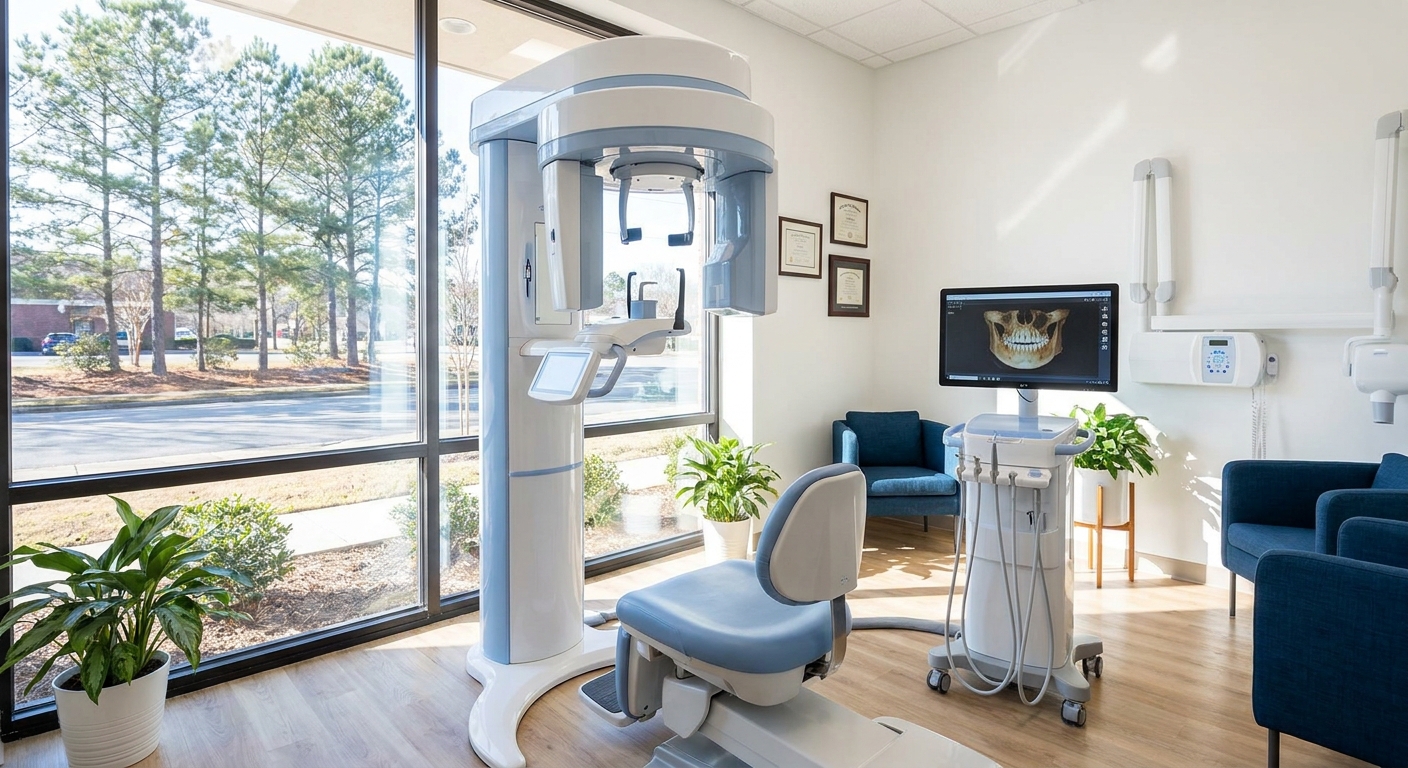
Digital X-rays or 3D scans often follow, allowing the team to spot hidden issues under the surface, like bone loss or impacted teeth. If you need a cleaning, a dental hygienist will remove plaque and tartar buildup to support healthy gums. Finally you will discuss findings and next steps.
Gather essential information
Before your appointment you will need to collect relevant personal and medical details. This prep ensures your dentist can assess risk factors and tailor recommendations to your health profile.
Bringing a list of current medications and any existing medical conditions is crucial, as certain drugs can affect bleeding and healing. Be ready to share allergies as well. Transparency helps your dentist plan safe care.
Medical and dental history
Your dental team will ask about past procedures such as fillings, crowns, or orthodontic work. If you have experienced pain, sensitivity, or gum bleeding, describe these symptoms in detail. This history helps your dentist pinpoint areas that may need extra attention during your comprehensive dental evaluation.
Prior dental records
If you have recent X-rays or treatment notes from another office, request copies before your visit. Forwarding these records lets your new dentist avoid duplicate imaging and provides a fuller view of your dental health.
Many practices accept digital transfers, so ask your previous provider to send files directly to save you time. Even if records arrive a day late, you will still have them for follow up discussions.
Prepare logistics and costs
Scheduling your initial dental consultation well in advance gives you flexibility and reduces wait times. You can use online booking tools or call the office to find slots that fit your schedule. If you need a general dentist appointment on a weekend or evening, mention this upfront.
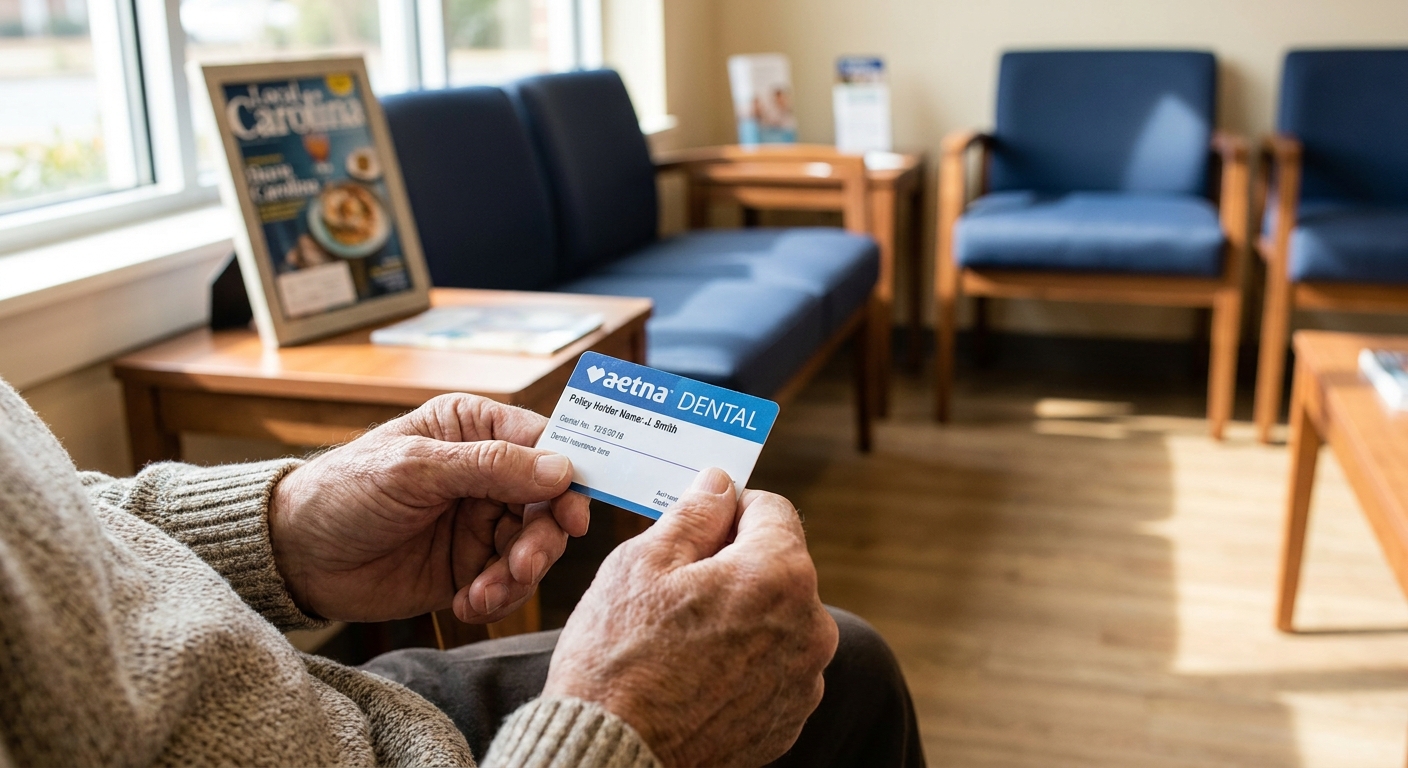
Confirm whether the practice accepts your insurance plan by asking for details on co-pays and in-network benefits. This conversation prevents surprises on the day of your visit.
Scheduling and insurance
When researching providers, look for a dentist accepting new patients or specifically dentist accepting adult patients to ensure availability. Verify that your plan covers diagnostic exams and X-rays. If you are uninsured, ask about promotional offers for a full dental exam appointment.
Estimate exam costs
Costs for routine initial dental visits can vary widely. According to CareCredit the national average for a dental exam, including cleaning and X-rays, is $203, though fees can range from $50 to $350 depending on where you live [1]. Fees may be higher for more extensive imaging or additional services. If you have dental insurance, much of this cost may be covered after your deductible.
For a personalized estimate you can use the Delta Dental Dental Care Cost Estimator, which groups services into treatment categories including initial consultations [2]. Remember these figures are estimates, so confirm exact fees with your dentist.
Formulate key questions
Going into your appointment with a clear list of questions helps you address goals and concerns without forgetting important details. A written list also guarantees you use every minute effectively.
Oral health concerns
Ask about common issues like cavities, gum disease, tooth sensitivity, and jaw discomfort. For example, if you have experienced bleeding gums you may want to discuss periodontal screening. Understanding the causes and treatment options empowers you to maintain healthier tissues.
Cosmetic and smile goals
If you are interested in whitening, veneers, or orthodontic options mention this during your initial dental consultation. Learning about minimally invasive cosmetic procedures can help you decide what aligns with your budget and lifestyle. Your dentist can explain realistic outcomes and timelines.
Navigate your appointment
On the day of your visit arrive 10 to 15 minutes early to complete intake paperwork. This usually involves updating your medical history, insurance details, and any new medications. Having your completed forms ready streamlines the check-in process.
Checking in and intake
The front desk staff will verify your personal information and insurance coverage. You may be asked to sign consent forms for exams and X-rays.
Honesty in your health history is important. Even seemingly minor health issues can influence dental treatment choices. Taking a few extra minutes to review all details helps avoid complications later.
Comprehensive oral exam
The dentist or hygienist will examine your teeth and gums for signs of decay, disease, and wear. They will use instruments to measure pocket depths around your gums to screen for periodontal disease. You may experience mild discomfort if pockets are deep, but it helps detect issues early.
If necessary a hygienist will perform a professional cleaning, removing plaque and tartar buildup. This step not only polishes your teeth but also promotes gum health.
Diagnostic imaging
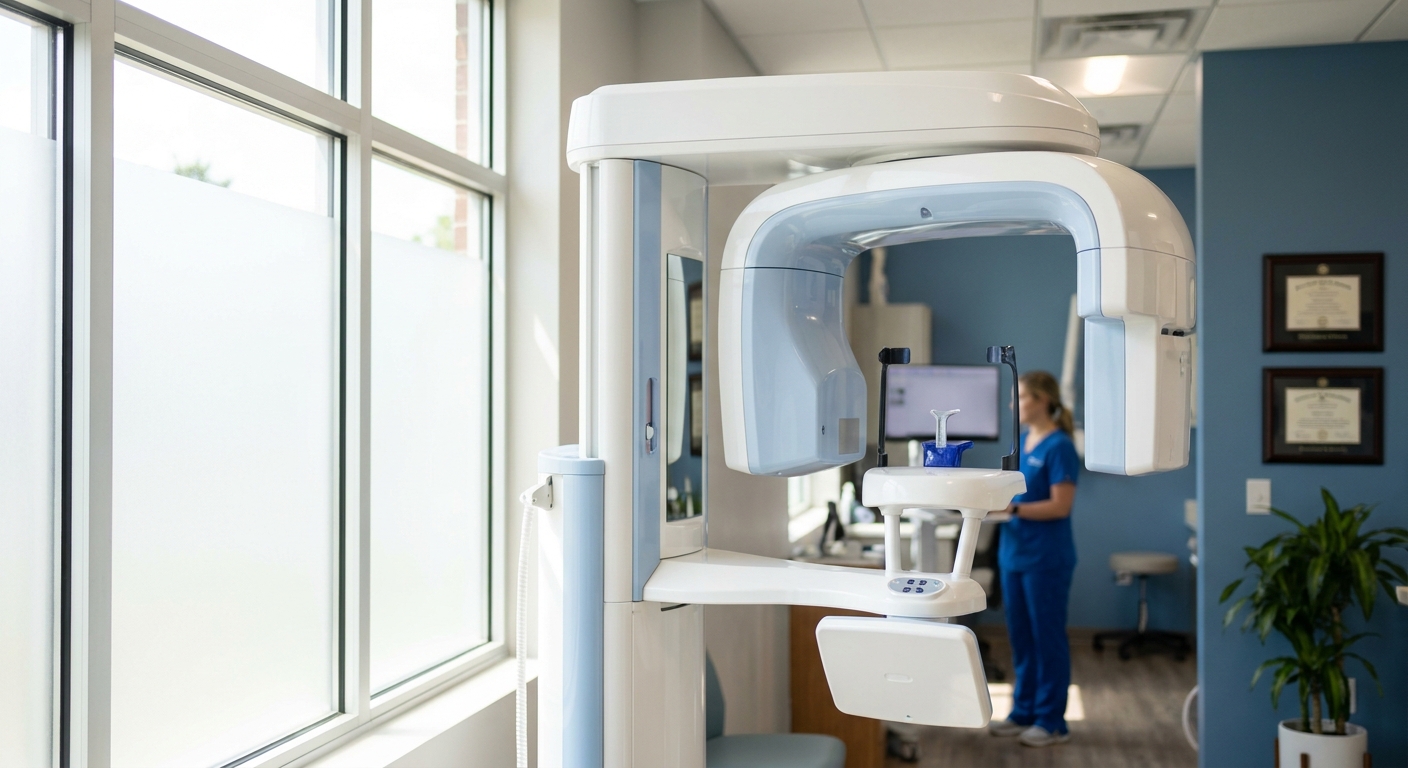
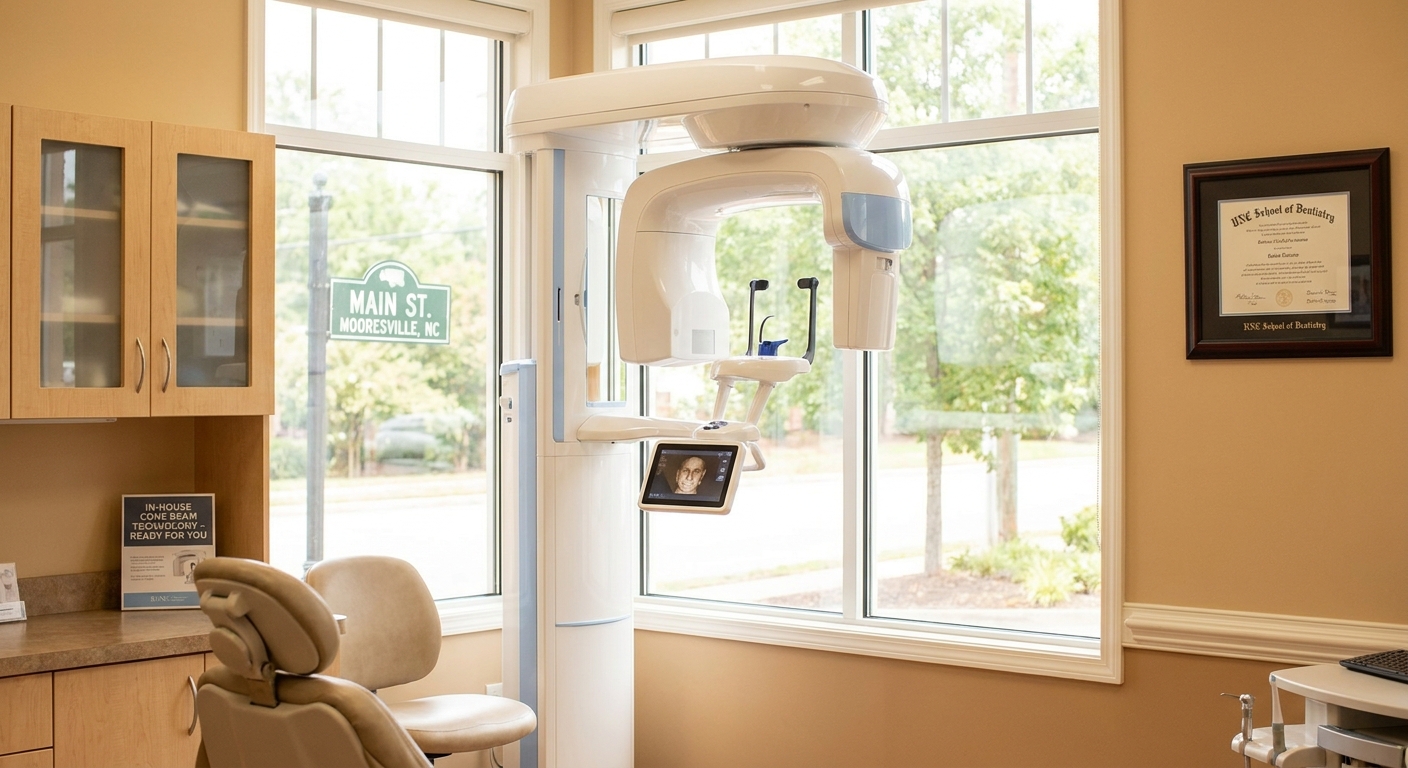
Most practices rely on digital X-rays, which produce clear images with minimal radiation exposure. Some offices also offer 3D cone beam imaging to view bone structure and tooth roots in greater detail. Imaging typically takes under 20 minutes and provides critical insights into hidden issues.
Again, sharing prior X-rays can reduce your exposure and save time.
Here is a typical breakdown of how your 60 to 90 minute appointment might be structured [3]:
| Service | Typical time |
|---|---|
| Intake and health history | 10–20 minutes |
| Oral examination | 15–30 minutes |
| Diagnostic imaging | 10–20 minutes |
| Cleaning and hygiene | 15–30 minutes |
| Discussion and planning | 10–20 minutes |
Discuss exam findings
After all examinations and imaging are complete your dentist will review the results with you. You will see X-rays on the screen and have common areas of concern pointed out. This discussion helps you understand the health of your teeth and gums.
During this conversation ask your dentist to explain any technical terms so you can make informed decisions. If you missed something during your preparation, now is the time to cover it.
Reviewing results
The dentist will point out areas where you have decay, enamel wear, or gum inflammation. They may use intraoral cameras to display live images inside your mouth. Seeing these images can be a powerful motivator for better at-home care. It also guides the treatment suggestions for your individual needs.
Personalized treatment plan
Based on your exam and results your dentist will present a treatment plan tailored to your goals and budget. This plan may include fillings, deep cleanings, orthodontic referrals, or cosmetic enhancements such as whitening or veneers. Each recommendation will be explained with timelines and potential risks. You can discuss alternatives and even phase treatments over multiple visits. Having a clear plan helps you prioritize interventions and track your progress.
Financial considerations
Before you leave the office confirm any co-pays or out-of-pocket costs so there are no surprises. Ask about payment options, financing plans, or third-party credit lines such as CareCredit. Understanding your financial commitments up front allows you to schedule treatments with confidence.
Plan ongoing care
Your initial dental consultation is the first step in a long-term partnership with your dentist. Maintaining oral health requires routine checkups and diligent home care. Make sure you leave with a clear schedule for follow up visits.
Next visit scheduling
Your dentist will recommend a timeline for preventive checkups, often every six months. Plan your routine dental checkup appointment or preventive dental exam appointment before you leave.
Daily oral hygiene
At home you should brush twice daily for two minutes using fluoride toothpaste, and floss at least once. You might also add interdental brushes or a water flosser if recommended. Small adjustments to your routine can yield significant benefits.
When to seek help
Contact your dentist if you experience new or worsening pain, swelling, or bleeding. If you notice chips, cracks, or unexpected sensitivity, a quick evaluation can prevent bigger problems. Keeping an open line of communication helps catch issues early.
By following these steps you can approach your initial dental consultation with confidence and clarity. Gathering information, preparing questions, and understanding the process turns uncertainty into action. With a personalized plan in hand you will leave your visit equipped to maintain and improve your oral health.
Ready to take control of your smile? Schedule your first dental visit appointment today and experience a complete oral health exam that sets you up for long-term success.